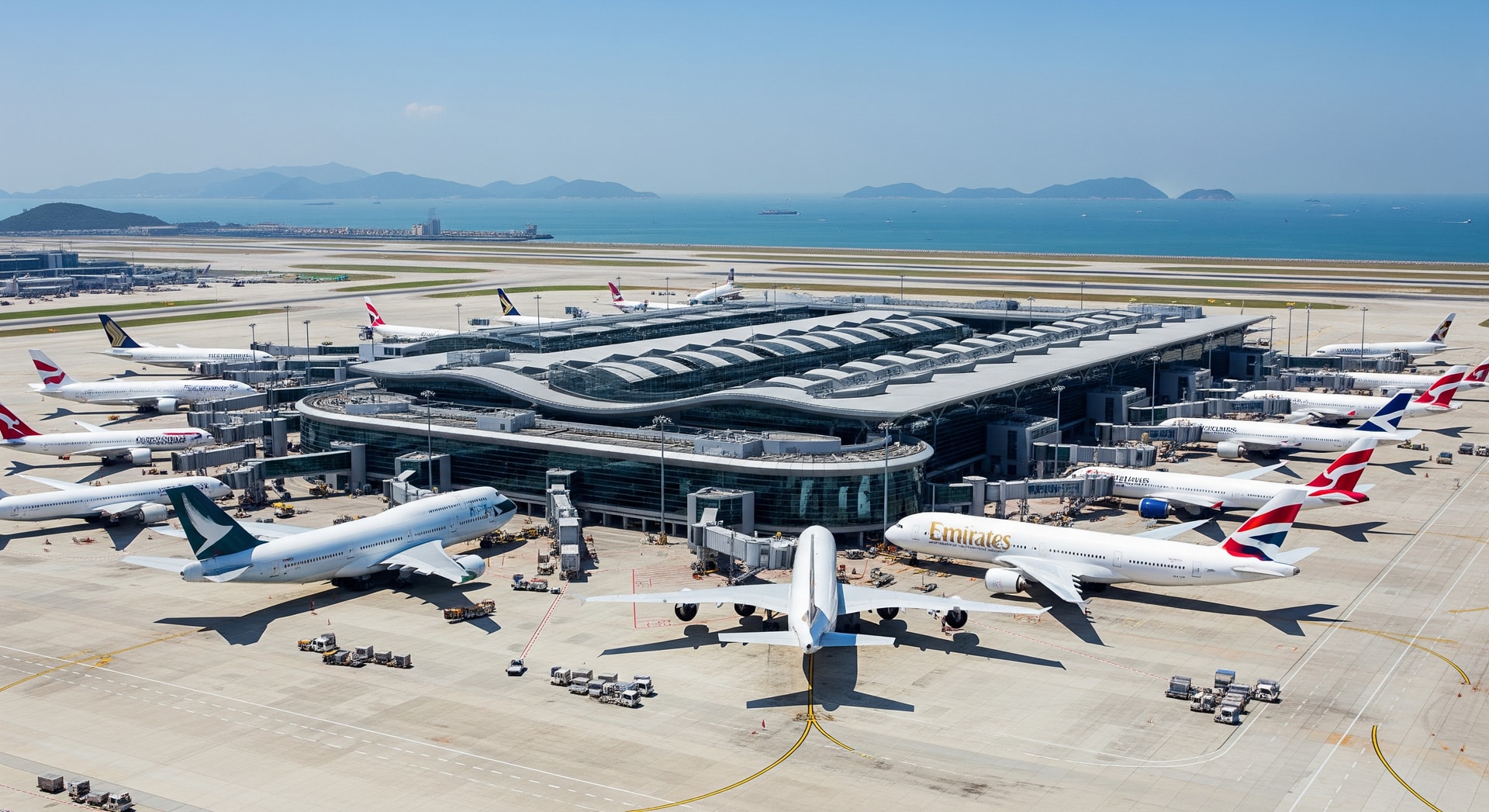
Hong Kong International Airport recorded 5.51 million passengers in January 2026, a 4.5% year-on-year increase that underscores its resurgence as a major aviation hub.
Summary: Hong Kong International Airport handled 5.51 million passengers in January 2026 (up 4.5% YoY), with flight movements at 34,445 (+2.4%) and cargo throughput rising 5.4% to 415,000 tonnes, reinforcing HKIA's rebound as a global hub.
Hong Kong International Airport (HKIA) welcomed 5.51 million passengers in January 2026, a 4.5 percent year-on-year increase that points to the airport’s continuing recovery and its role as a leading gateway for Asia-Pacific travel.
Strong January Performance
Flight movements at HKIA rose to 34,445 in January, up 2.4 percent compared with the same month last year. Cargo throughput also improved, increasing 5.4 percent to 415,000 tonnes, driven primarily by higher transshipment volumes.
Transit and Connectivity Rebound
Transfer and transit traffic surged in double digits, reinforcing HKIA’s position as a hub as airlines expand networks. The strongest route growth in January was recorded on links to North America and Southeast Asia, while Mainland China traffic showed a notable recovery.
- Mainland China: double-digit growth — family travel and day trips to Shenzhen and nearby cities
- Southeast Asia: strong increases — boosting stopovers for beach and regional itineraries
- North America: significant gains — premium cabins and business travel demand
- Transfer/Transit: more than 10% surge — layovers translating into short-stay tourism
Lunar New Year Peaks Tested Capacity
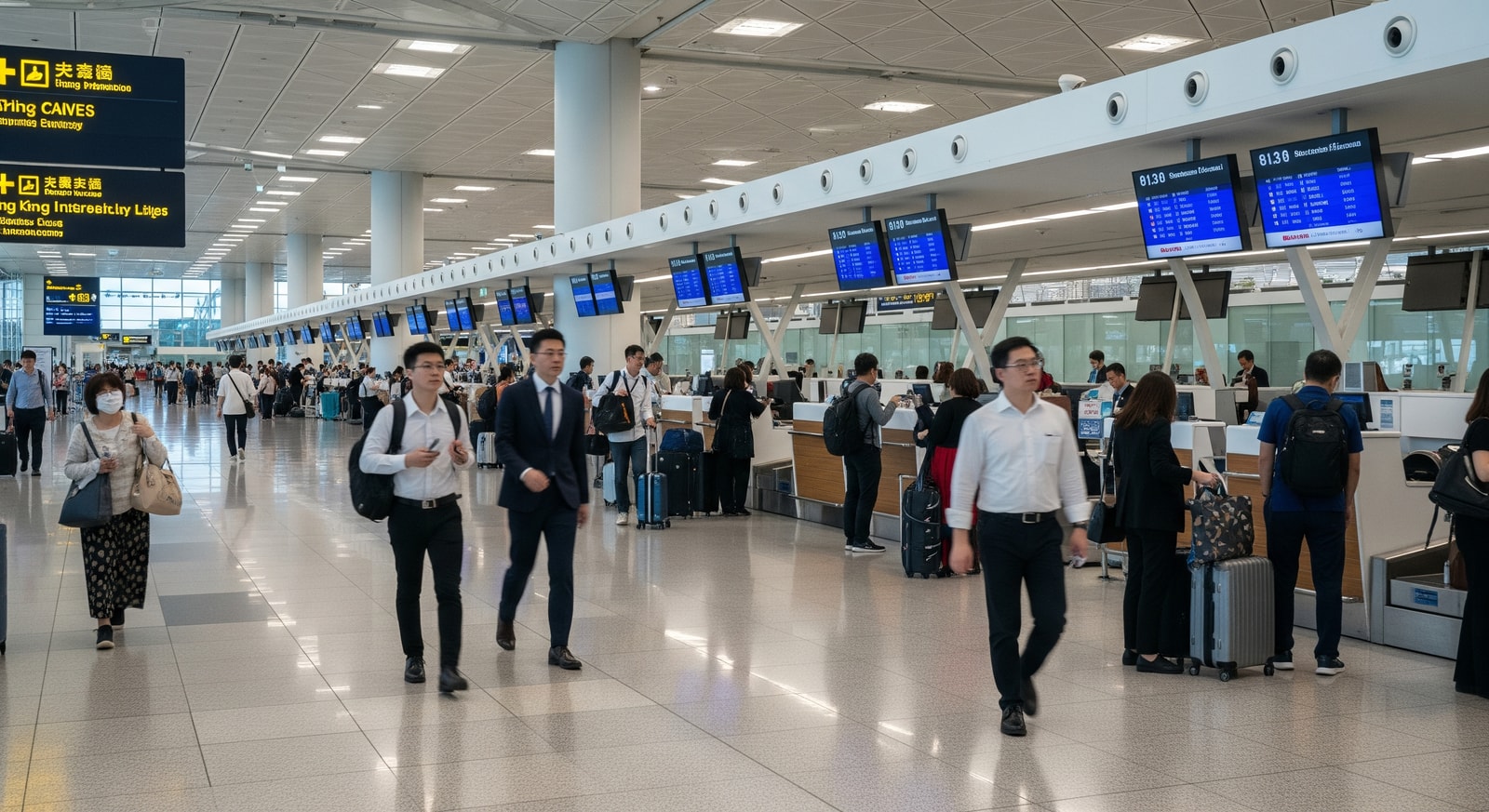
HKIA prepared for February 15-23 Lunar New Year peaks expecting up to 210,000 passengers per day. To manage volumes the airport deployed 500 extra staff and brought all 300 check-in counters into service, expanded immigration e-Channels for families, and promoted the "HKIA Journey" app to streamline passenger flows.
2025 Recovery Sets the Stage
The airport served 61 million passengers in 2025, a 15 percent increase from 2024 and edging closer to the pre-COVID peak of 75 million. December 2025 alone hit 5.8 million passengers, and a period of strong Christmas traffic saw daily volumes exceed 200,000 for eight consecutive days.
Three-Runway Expansion and Future Capacity
The third runway is scheduled to commission in late 2026, a development the airport says will double capacity toward 120 million passengers annually. Planning documents and projections further indicate targets of reaching 120 million by 2028 as slot availability expands for new carriers.
Cargo Momentum and Business Tourism
January’s cargo performance included an 18 percent jump in transshipment volumes, reflecting e-commerce growth. Electronics and perishables led freight flows. The uptick in cargo supports business and MICE tourism, filling venues in Central as trade delegations combine meetings with local attractions.
Sustainability and Digital Tools
HKIA is pursuing sustainability measures such as Sustainable Aviation Fuel adoption, electric ground vehicles and solar arrays powering terminals. Digital upgrades — including biometric gates, AI crowd analytics and the "HKIA Journey" app for fast-track pre-booking — aim to improve passenger experience and reduce congestion during peak periods.
What This Means for Travelers and the Industry
So what? The January gains and preparations for high-season demand mean more flight choices and improved connectivity for passengers flying through Hong Kong. Travelers should expect busier terminals during festival peaks and are advised to use the "HKIA Journey" app, arrive earlier (three-hour arrival guidance), and allow extra time for connections. For the aviation and tourism sectors, sustained passenger and cargo growth supports further route expansion, MICE activity and infrastructure investment that together strengthen Hong Kong’s position as a regional travel hub.
Sources