National parks free entry 2026 begins on Presidents' Day, Feb 16, with Yellowstone, Yosemite and Grand Canyon among sites waiving entrance fees for US residents.
Summary: National parks free entry 2026 begins on Presidents' Day (Feb 16), with Yellowstone, Yosemite and Grand Canyon among the headline sites waiving entrance fees for US residents—part of a 10-date fee-free schedule intended to broaden access and boost tourism.
The National Park Service offered free admission on Presidents’ Day, February 16, 2026, at more than one hundred charging sites, spotlighting iconic destinations such as Yellowstone, Yosemite and the Grand Canyon. National parks free entry 2026 removes entrance fees for US residents on this holiday, encouraging both first-time and return visits.
Expanded 2026 Schedule Enhances Opportunities
The NPS has increased the number of fee-free days to ten in 2026, stretching the benefit across key national holidays and anniversaries. While US residents receive waived entry on those dates, nonresidents are expected to pay standard charges.
- Feb 16 — Presidents’ Day: Yellowstone, Yosemite
- May 25 — Memorial Day: Grand Canyon, Zion
- Jun 14 — Flag Day: Great Smoky Mountains
- Jul 3-5 — Independence Day weekend: Rocky Mountain
- Aug 25 — NPS 110th Birthday: multiple sites
- Sep 17 — Constitution Day: historical parks
- Oct 27 — Theodore Roosevelt’s Birthday: Yellowstone
- Nov 11 — Veterans Day: all charging parks
Yellowstone Draws Geothermal Enthusiasts
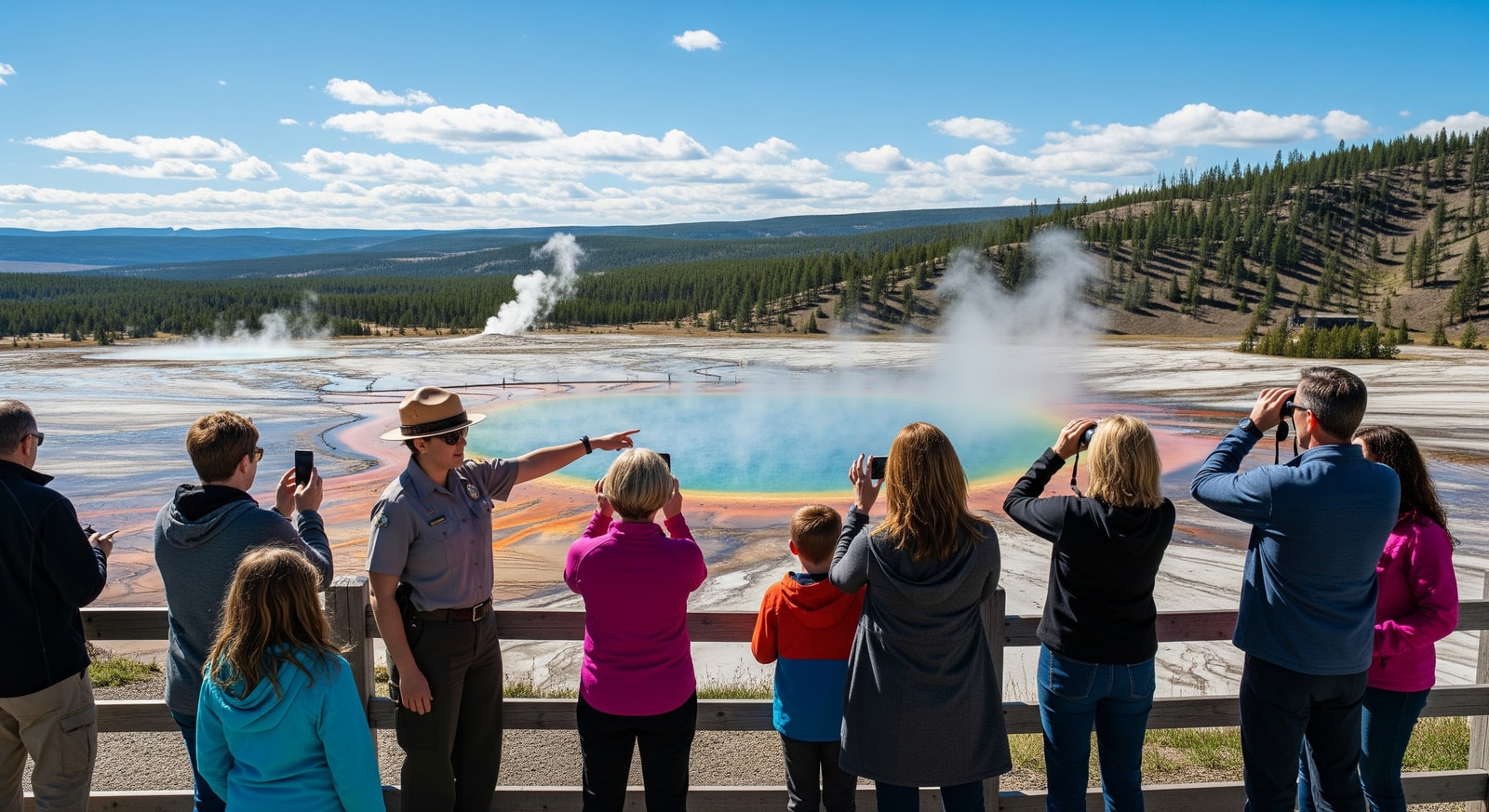
Yellowstone, spanning Wyoming, Montana and Idaho, showcased its geothermal features — including Old Faithful — alongside winter wildlife viewing in Lamar Valley. Presidents’ Day free entry is expected to drive more visitors to ranger-led programs and educational offerings that support long-term stewardship.
Yosemite Showcases Granite Majesty
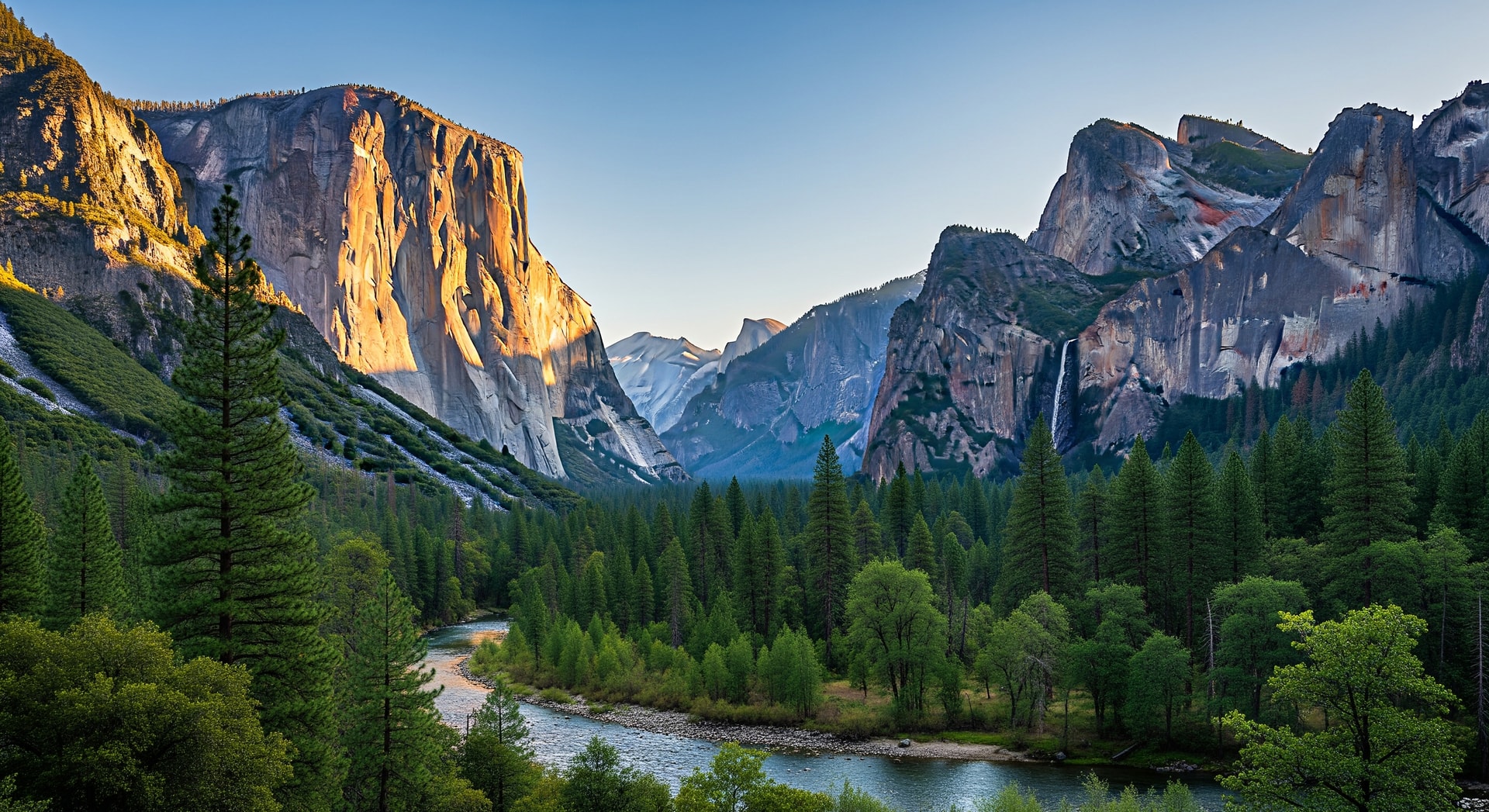
Yosemite Valley’s landmarks — from Half Dome to Yosemite Falls and ancient sequoia groves — were included in the fee waiver. The initiative aims to grow off-season visitation that benefits nearby towns such as Mariposa and Oakhurst while helping reduce overcrowding during peak months.
Grand Canyon Offers Epic Vistas
On the South Rim, viewpoints such as Mather Point became accessible without entrance fees, encouraging road trips from Phoenix and Flagstaff. Fee-free access is expected to lengthen stays around rim communities, supporting lodging, tours and local services.
Additional Parks Benefit from Waiver
- Zion National Park — slot canyons and Angels Landing
- Rocky Mountain National Park — snowy trails and elk sightings
- Great Smoky Mountains National Park — forested year-round paths
- Everglades National Park — winter wildlife and alligators
- Mount Rushmore and Statue of Liberty — historical sites tied to the holiday
America the Beautiful Pass Complements Access
The America the Beautiful Pass remains an option for frequent visitors: annual entry costs $80, seniors have a $20 annual or $80 lifetime option, military passes are free, and accessibility passes are available. The pass covers amenity fees at over two thousand sites and is sold via Recreation.gov or in person.
Planning, Reservations and What This Means for Travelers
Popular parks may still require timed-entry reservations through Recreation.gov even on fee-free days; camping and special permits can carry separate charges. Nonresidents should note standard fees and potential surcharges — the article cites one hundred dollar surcharges at marquee parks or a two hundred fifty dollar Non-Resident Annual Pass — while regular fee revenue, with eighty percent retained onsite, funds trails, visitor centers and habitat protection. For travelers, fee-free dates offer lower-cost entry and an opportunity to visit during shoulder season, but planning is essential to avoid congestion and ensure safe, responsible trips.
Sources