Tulum has introduced the Sustainable Cenote Route, a certified circuit designed to protect cenotes while offering regulated, educational eco-tourism experiences.
Summary: Tulum has launched the Sustainable Cenote Route, a certified circuit of 12 cenotes overseen by Mexico’s Ministry of Tourism and the Quintana Roo Government that introduces timed access, certified eco-guides and water-protection measures to preserve these freshwater sinkholes.
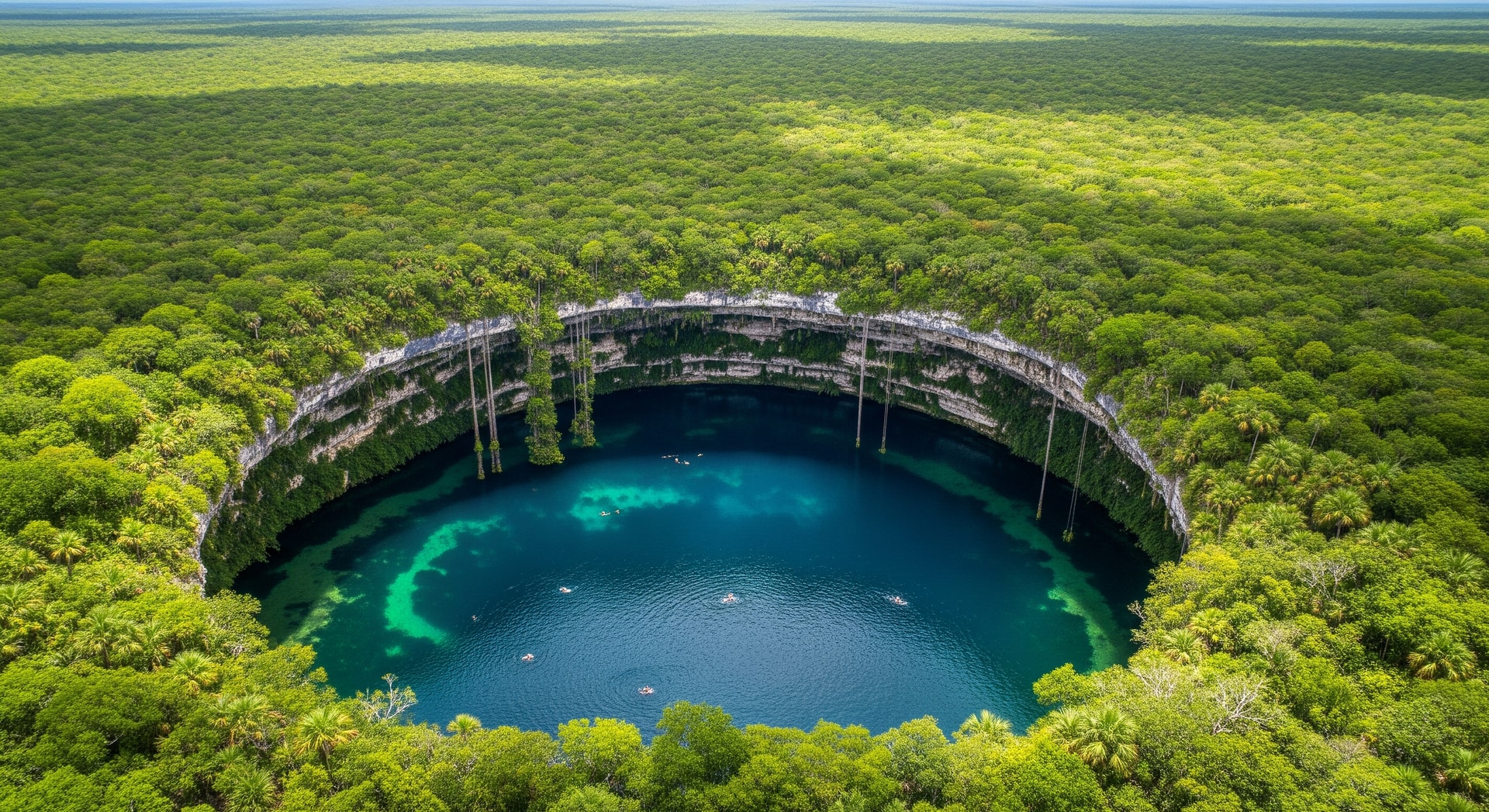
Tulum’s new Sustainable Cenote Route is a formal programme designed to let visitors experience the area’s famous freshwater sinkholes while reducing environmental harm. The initiative, certified by Mexico's Ministry of Tourism and the Quintana Roo Government, groups 12 cenotes selected for their ecological importance and capacity to absorb sustainable visitor flows.
Why the Route Was Introduced
Cenotes in the Mayan Riviera are both culturally significant and ecologically fragile. Growing visitor numbers have strained these systems, prompting local authorities to replace unregulated access with a managed circuit that protects water quality, reduces erosion and prevents waste from damaging delicate ecosystems.
Key Conservation Measures
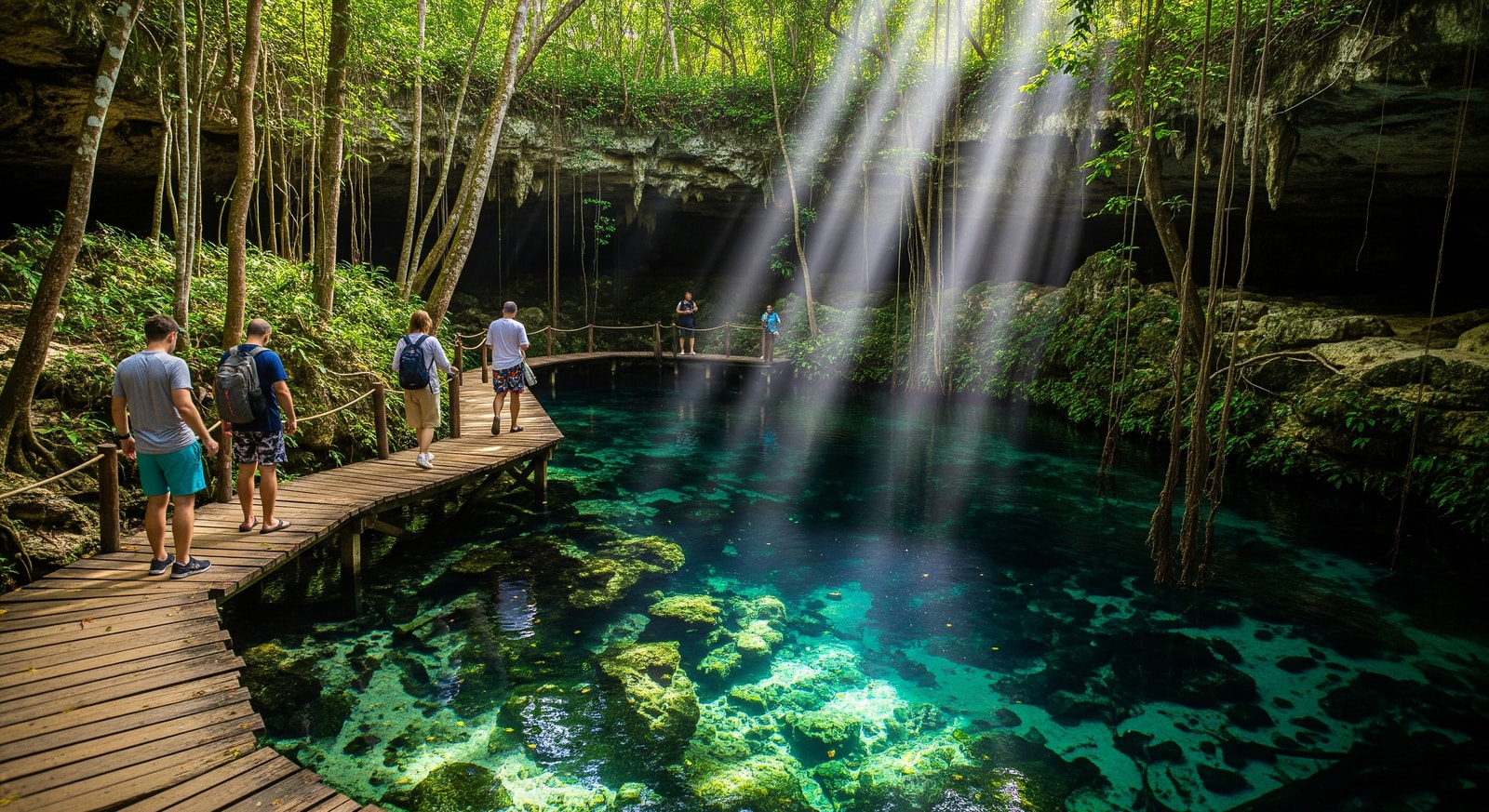
- Controlled access and marked pathways to limit foot traffic and prevent erosion; timed ticketing will reduce overcrowding.
- Only certified local eco-guides will lead visits, combining interpretation with conservation education.
- Installation of water filtration and infrastructure upgrades to protect the cenotes’ freshwater systems; visitors urged to use biodegradable products.
- Activity restrictions in sensitive zones, including limits on swimming and diving where biodiversity is most vulnerable.
These measures are intended to maintain the cenotes’ ecological functions while still allowing people to enjoy their natural beauty. The programme emphasises prevention of contamination and damage rather than restoration after harm has occurred.
Education and Local Participation
Training local guides in eco-tourism principles is a cornerstone of the circuit. Certified guides will interpret natural history, explain conservation measures and advise visitors on best practices to avoid contaminating the water or disturbing wildlife.
Economic and Cultural Benefits
The route aims to attract visitors who prioritise responsible travel, which can boost local businesses that adopt sustainable practices. It is also expected to create conservation and guiding jobs for community members and align with Mexico’s commitments to the UN Sustainable Development Goals for protecting life on land and in water while supporting sustainable growth.
What Travellers Should Know
- Plan ahead and book timed tickets to secure access, especially during peak periods.
- Choose tours led by the certified eco-guides on the Sustainable Cenote Route.
- Use biodegradable sunscreens and toiletries to avoid contaminating freshwater systems.
- Respect area restrictions: some cenotes will limit swimming or diving to protect sensitive species.
By following the new rules, visitors can still enjoy snorkeling and swimming in many of the cenotes while helping to ensure these sites remain healthy and accessible for future generations.
Looking Ahead
Tulum’s Sustainable Cenote Route is being positioned as a model for balancing destination management with ecological protection. Officials expect the initiative to serve as an example for other destinations looking to preserve natural sites while maintaining a high-quality visitor experience.
Why this matters: For travellers, the route promises more meaningful, sustainable visits and clearer expectations about behaviour on site. For the tourism industry, it represents a shift towards regulated, eco-conscious offerings that protect natural assets while supporting local economies—demonstrating how conservation and tourism can be mutually reinforcing.
Sources