Americas lunar eclipse viewing in August 2026 is expected to fuel interest in astronomy tourism, with over 96% of the Moon set to pass into Earth’s darkest shadow.
A rare near-total lunar eclipse on August 27 and 28, 2026, is expected to be visible across much of the Western Hemisphere, creating new momentum for dark-sky travel and astronomy-focused tourism.
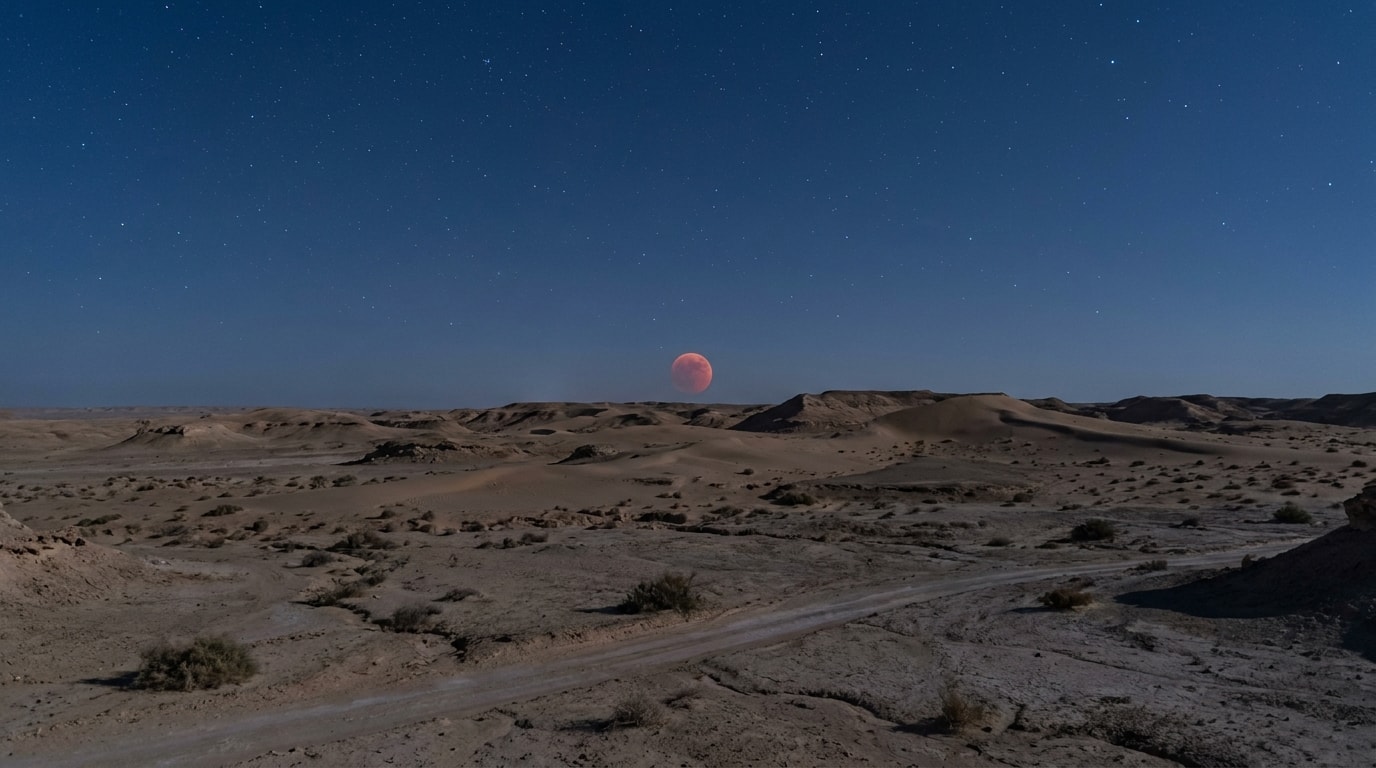
Travellers across the Americas are being tipped for one of the major skywatching moments of 2026, when a deep partial lunar eclipse will darken more than 96% of the Moon. During the event, Earth’s darkest shadow will cover almost the entire lunar surface, leaving only a small bright portion visible while much of the Moon takes on a coppery or reddish-orange appearance.
The eclipse will unfold during the night of August 27 and continue into August 28, 2026, with the maximum phase expected at about 04:12 UTC on August 28. Because the phenomenon will be visible across most of the Western Hemisphere, it is likely to encourage travel to national parks, rural areas, deserts and other places where dark skies improve visibility.
Americas positioned for prime eclipse viewing
The United States, Canada, Mexico, Central America and much of South America are expected to have some of the most favourable viewing prospects for the August 2026 lunar eclipse. In many locations, observers will be able to follow the Moon through several stages of the event, from the early shadowing to the point of greatest coverage.
For tourism businesses and destination marketers, the eclipse adds to a growing calendar of celestial events that can be packaged with outdoor recreation, photography, science education and nature-based travel. Areas already known for low light pollution may see particular interest from visitors seeking clear night-sky views away from major cities.
Why the Moon may appear red
The eclipse will occur as the Sun, Earth and Moon align, causing Earth’s shadow to fall across the lunar surface. Unlike a solar eclipse, a lunar eclipse can be watched safely without special protective glasses, making it accessible to both travellers and local communities.
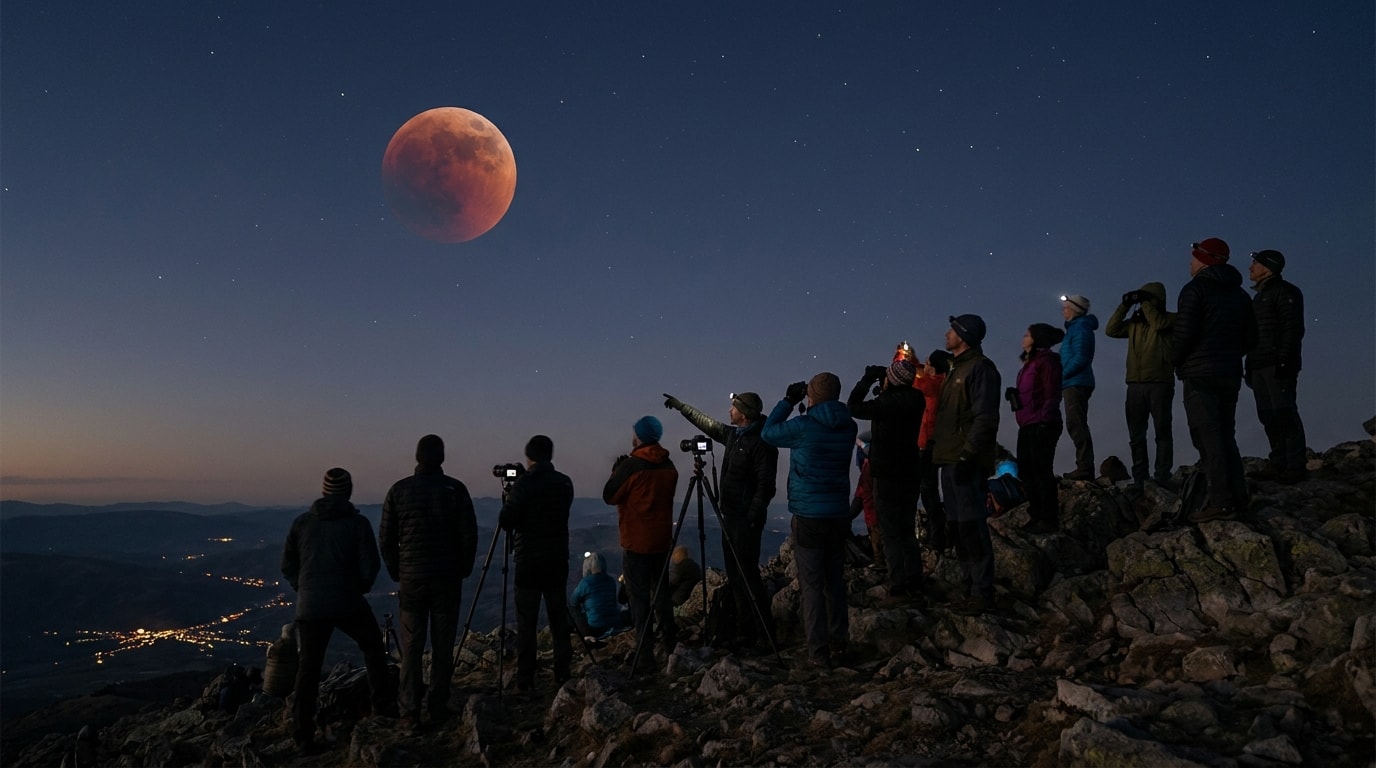
Although the event is not classified as a true total lunar eclipse, its depth means it may resemble one to many observers. The reddish colour, often associated with a “Blood Moon,” is caused by sunlight passing through Earth’s atmosphere before reaching the Moon. Shorter blue wavelengths are scattered, while longer red wavelengths continue through and illuminate the lunar surface.
Dark-sky destinations may see added demand
Destinations specialising in experiential and nature-based tourism could benefit from the event. National parks, mountain regions, desert landscapes and rural communities may attract travellers who want uninterrupted views while also combining the eclipse with hiking, wildlife watching or cultural activities.
- Dark-sky areas with limited light pollution are likely to be in demand.
- Guided stargazing, observatory visits and outdoor accommodation packages may feature in travel offers.
- Tourism boards and hospitality operators may use the eclipse to promote lesser-known destinations outside standard peak periods.
The viewing zone is not limited to the Americas. Parts of Europe and Africa are also expected to see portions of the eclipse, although local conditions such as moonrise, moonset, sunrise and sunset will determine how much of the event is visible in each area. Observatories, science organisations and travel operators are expected to organise educational programmes and viewing activities around the phenomenon.
Eclipse travel continues to expand
The August lunar eclipse will follow another major 2026 astronomy event: a total solar eclipse earlier in the same month. Together, the two events are expected to sustain global interest in eclipse-related travel, including trips to remote places that are not usually central to mainstream tourism routes.
For travellers, the event offers a safe and widely visible night-sky experience that can be built into wider holidays. For destinations, it is another opportunity to connect tourism with science, conservation and outdoor recreation while drawing attention to the value of protecting dark skies.
Sources