
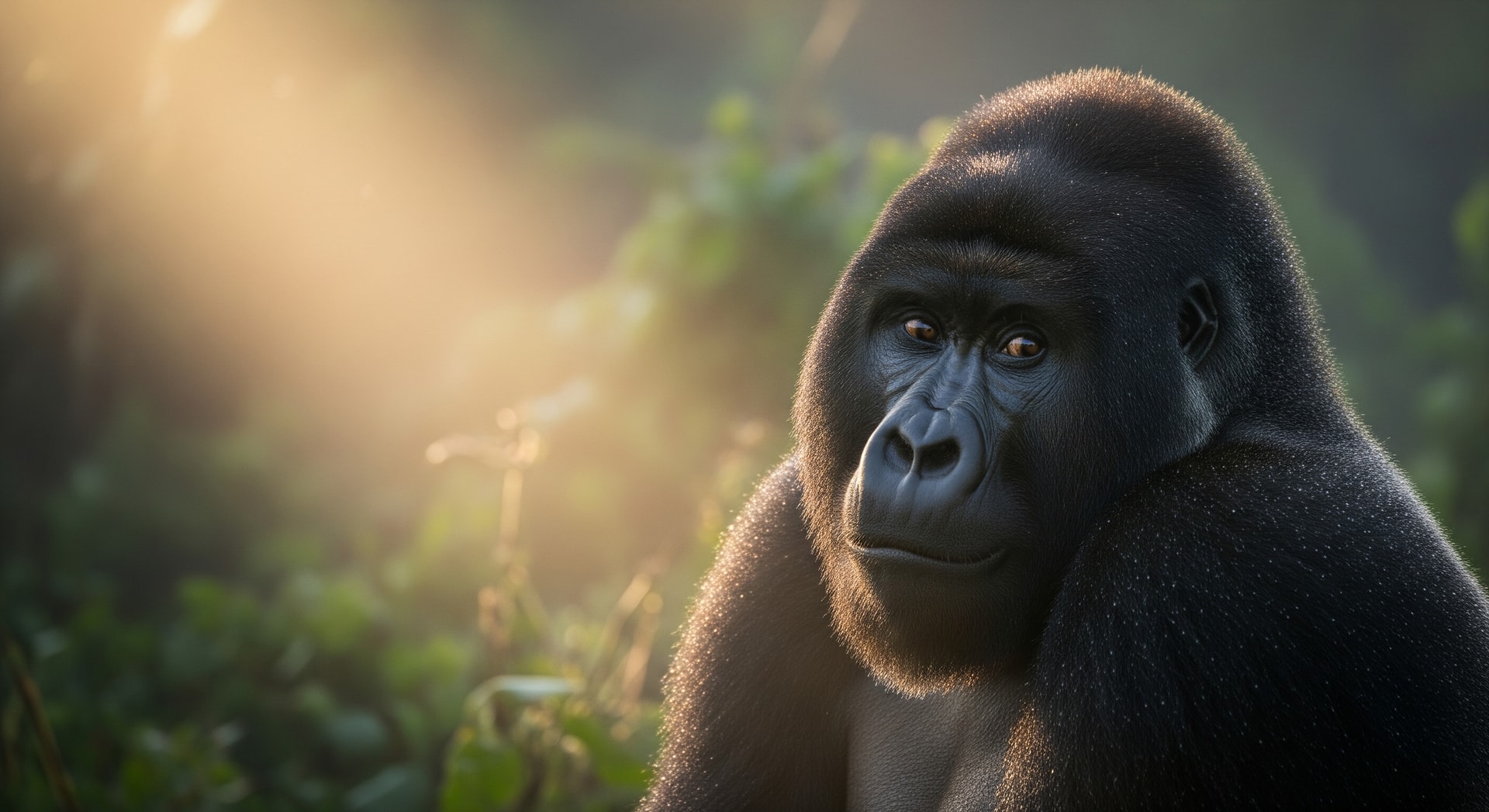
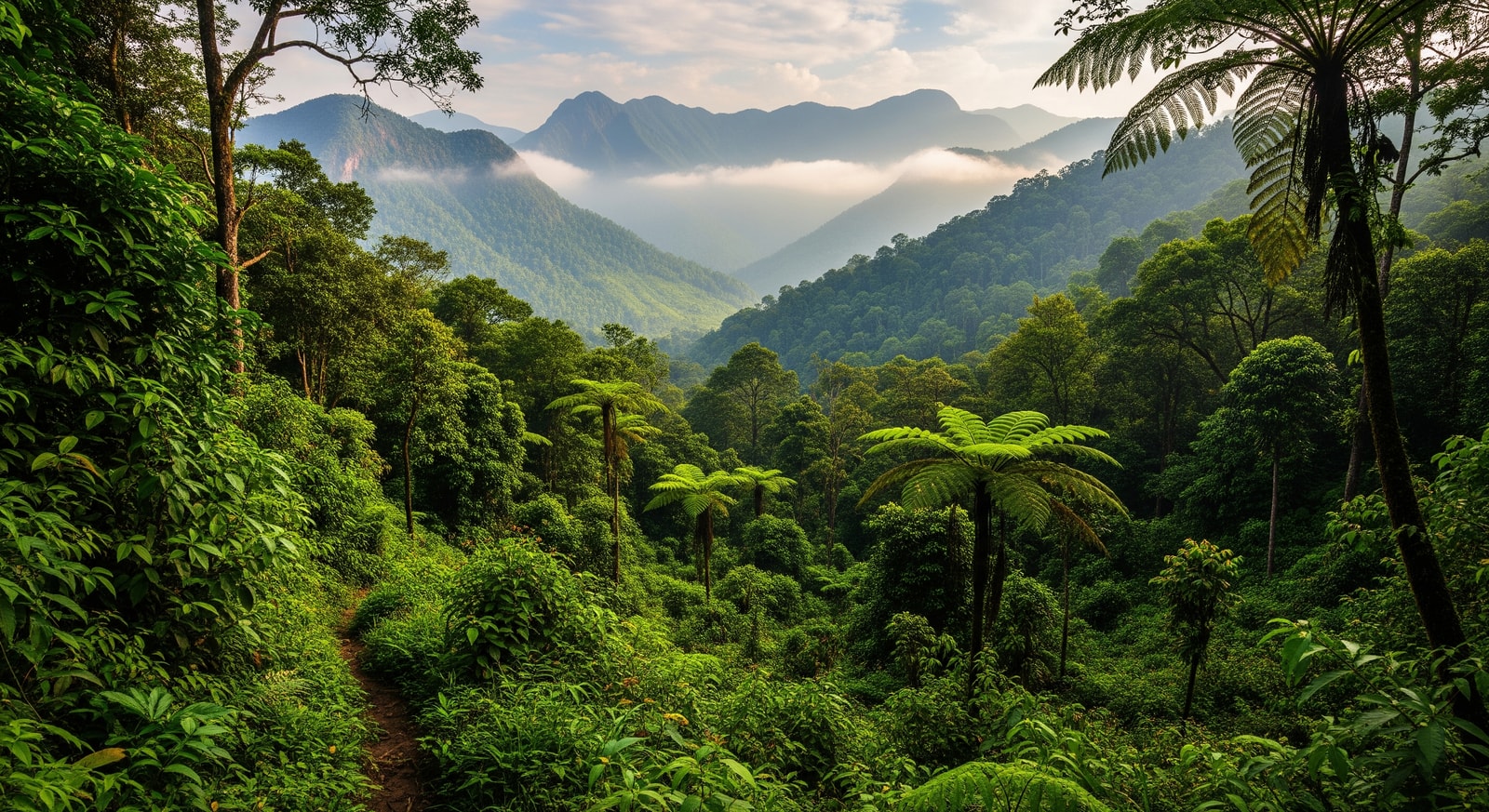
Uganda, often called the Pearl of Africa, stands as one of the most biologically diverse and breathtakingly beautiful countries on the African continent. From the mist-shrouded forests of Bwindi Impenetrable National Park, home to nearly half of the world's remaining mountain gorillas, to the thundering cascades of Murchison Falls where the entire Nile River crashes through a narrow seven-meter gap, Uganda offers wildlife and natural experiences that rival anywhere on Earth. The country's remarkable diversity includes ten national parks, each with unique ecosystems ranging from dense tropical rainforests to open savannas teeming with lions, elephants, and buffalo.
To experience this extraordinary East African nation, most international travelers need a Uganda e-Visa, an electronic travel authorization that can be obtained entirely online before departure. The Uganda e-Visa system, introduced to streamline entry processes and boost tourism, has made visiting this spectacular country more accessible than ever. Gone are the days of mailing passports to embassies or waiting in long visa queues at airports. Today, you can apply from anywhere in the world and receive your approved visa electronically within days.
This comprehensive guide covers everything you need to know about the Uganda e-Visa in 2026, including eligibility requirements, the step-by-step application process, required documents, fees, processing times, and essential travel tips for making the most of your Ugandan adventure. Whether you're planning to trek through ancient forests to sit with mountain gorillas, cruise the Kazinga Channel to spot hippos and elephants, or witness the raw power of Murchison Falls, this guide will help you navigate the visa process smoothly and prepare for an unforgettable journey.
What is the Uganda e-Visa?
The Uganda e-Visa is an electronic travel authorization that allows eligible foreign nationals to enter Uganda for tourism, business, or transit purposes. This digital visa system replaced the traditional visa-on-arrival process for most travelers, creating a more efficient and organized entry procedure. The entire application process is completed online through Uganda's official immigration portal, eliminating the need for embassy visits, passport mailing, or lengthy paperwork submissions.
Once approved, the Uganda e-Visa is sent to your email as a PDF document that you must print and present along with your passport upon arrival at any Ugandan entry point, including Entebbe International Airport, various land border crossings, and lake ferry ports. Immigration officers will verify your e-Visa electronically, check your yellow fever vaccination certificate, and stamp your passport, officially welcoming you to the Pearl of Africa.
The e-Visa system has significantly improved the travel experience for visitors to Uganda. Before its introduction, travelers often faced uncertain wait times at airports and border crossings, sometimes resulting in queues and delays. Now, with pre-approved documentation, the entry process is streamlined and predictable. This efficiency has contributed to Uganda's growing reputation as a premier safari destination, particularly for travelers seeking authentic gorilla trekking experiences at a more accessible price point than neighboring Rwanda.
It's important to understand that while the e-Visa simplifies the application process, it doesn't guarantee entry to Uganda. Immigration officers at the port of entry retain the authority to ask questions about your visit and verify that you meet all entry requirements. Having your accommodation confirmations, return flight details, proof of sufficient funds, and gorilla trekking permits (if applicable) readily available ensures a smooth entry process and demonstrates your preparedness as a legitimate tourist.
Uganda e-Visa at a Glance
Validity: Up to 90 days from issue date
Duration of stay: Varies by visa type (30-90 days)
Entry type: Single or multiple entry available
Processing time: 3-7 business days
Application: 100% online process
Delivery: Sent via email as PDF

Uganda
Capital: Kampala
Currency: Ugandan Shilling (UGX)
Language: English, Swahili
Timezone: UTC+3 (East Africa Time)
Processing: 3-7 business days
Quick Facts
- Population: 48 million
- Home to mountain gorillas
- Source of the Nile River
- Power: 240V, Type G plugs
- Country code: +256
- Emergency: 999 or 112
Who Can Apply for a Uganda e-Visa?
The Uganda e-Visa is available to citizens of most countries around the world. Uganda maintains a relatively open visa policy, recognizing the importance of tourism to its economy and the value of welcoming international visitors to experience its remarkable wildlife and natural beauty. However, it's essential to verify your specific eligibility before applying, as some nationalities are exempt from visa requirements entirely, while others may have different requirements.
Citizens of East African Community (EAC) member states, including Kenya, Tanzania, Rwanda, Burundi, and South Sudan, can enter Uganda without a visa. Additionally, some Commonwealth countries and other African nations have special arrangements with Uganda. For most other nationalities, including citizens of the United States, Canada, United Kingdom, European Union countries, Australia, and many Asian nations, the e-Visa is the standard method for obtaining travel authorization to visit Uganda.
Uganda also participates in the East Africa Tourist Visa, which allows travelers to visit Uganda, Kenya, and Rwanda with a single visa. This multi-country visa is an excellent option for those planning an extended East African adventure, combining Uganda's gorilla trekking with Kenya's Masai Mara or Rwanda's Volcanoes National Park. The East Africa Tourist Visa can be applied for through any of the three participating countries' immigration systems.
- US citizens: e-Visa required for tourism, business, and transit
- UK citizens: e-Visa required for all visit purposes
- EU citizens: e-Visa required for most EU nationalities
- Canadian citizens: e-Visa required prior to travel
- Australian citizens: e-Visa required for all visits
- EAC citizens: Visa-free access (Kenya, Tanzania, Rwanda, Burundi, South Sudan)
- Some African nations: Visa-free or special arrangements may apply
Verify Your Eligibility Before Applying
Before starting your application, confirm your nationality's specific requirements on the official Uganda immigration website or through DoVisa. Requirements can change periodically, and having current information is essential before making travel plans or purchasing non-refundable flights and gorilla permits.
I can get a visa on arrival at Entebbe airport without applying online
While Uganda previously offered visa-on-arrival for many nationalities, the government now strongly encourages all travelers to apply for an e-Visa before arrival. Applying online ensures faster processing at immigration, avoids potential queues, and eliminates the risk of complications at the airport. Some travelers without e-Visas may face delays or additional scrutiny.
Types of Uganda e-Visas
Uganda offers several types of e-Visas depending on your purpose of visit and planned duration. Understanding which visa type you need is crucial for a successful application, as applying for the wrong category could lead to delays, rejection, or complications during your trip. Most safari travelers and gorilla trekkers will apply for the Single Entry Tourist Visa, which covers the vast majority of leisure travel to Uganda.
Each visa type has specific requirements and documentation needs. While the application process is similar across categories, the supporting documents you'll need to submit will vary based on your chosen visa type. For example, business visa applicants may need invitation letters from Ugandan companies, while student visa applicants need acceptance letters from educational institutions. Selecting the appropriate visa type during your application is one of the most critical steps in ensuring a smooth process.
Uganda e-Visa Types
| Visa Type | Purpose | Maximum Stay | Best For |
|---|---|---|---|
| Single Entry Tourist | Tourism, safari, gorilla trekking | Up to 90 days | Most safari travelers |
| Single Entry Business | Conferences, meetings, trade | Up to 90 days | Business visitors |
| Transit Visa | Passing through Uganda | Up to 7 days | Connecting travelers |
| Multiple Entry Visa | Frequent visits | Valid 6-24 months | Regular visitors |
| East Africa Tourist Visa | Multi-country travel | 90 days across 3 countries | Regional explorers |
The Single Entry Tourist Visa is the most popular option for first-time visitors. It allows you to enter Uganda once for tourism purposes, including wildlife safaris, gorilla trekking, adventure activities, cultural experiences, and visiting friends or family. This visa is valid for 90 days from the date of issue, and you can stay in Uganda for up to 90 days from your entry date.
The East Africa Tourist Visa deserves special consideration if you're planning to visit multiple countries in the region. For $100, this visa covers entry to Uganda, Kenya, and Rwanda for 90 days, allowing unlimited movement between the three countries during the validity period. This is perfect for travelers who want to combine Uganda's gorilla trekking with Kenya's Masai Mara safari or Rwanda's Volcanoes National Park. The visa can be obtained from any of the three participating countries.
Consider the East Africa Tourist Visa
If you're planning to visit Kenya or Rwanda along with Uganda, the East Africa Tourist Visa offers exceptional value. For $100, you get access to all three countries for 90 days. This is ideal for combining gorilla trekking in Bwindi with the Great Migration in Kenya's Masai Mara or exploring Rwanda's Volcanoes National Park.
Uganda e-Visa Requirements
Before starting your Uganda e-Visa application, gather all required documents to ensure a smooth process. Having everything ready before you begin will help you complete the application quickly and accurately. Missing or incorrect documentation is one of the most common reasons for application delays or rejections, so take time to prepare properly.
All documents must be in English or accompanied by certified English translations. Digital copies should be clear, legible, and in the correct file format (usually PDF or JPEG). Ensure your passport photo meets the specified requirements, as rejected photos frequently cause application delays. The requirements are straightforward for most tourist applications, and with proper preparation, the process should be simple and stress-free.
- Valid passport with at least 6 months validity beyond your planned entry date
- At least two blank passport pages for visa and entry stamps
- Passport-style photograph (recent, white background, face clearly visible)
- Clear scan of your passport bio data page
- Confirmed accommodation details (hotel booking or host invitation letter)
- Return or onward flight ticket confirmation
- Valid email address for application updates and visa delivery
- Credit or debit card for visa fee payment
- Travel itinerary with planned activities and destinations
- Yellow fever vaccination certificate (mandatory requirement)
- Proof of sufficient funds for your stay (bank statements may be requested)
- Gorilla trekking permit confirmation (if applicable)
- Business invitation letter (for business visa applicants only)
Yellow Fever Vaccination is Mandatory
Uganda strictly requires all travelers aged one year and above to present a valid Yellow Fever vaccination certificate upon arrival. Without this certificate, you WILL be denied entry or required to receive vaccination at the airport (at additional cost and inconvenience). Get vaccinated at least 10 days before travel, as this is when the vaccine becomes fully effective. The certificate is valid for life.
How to Apply for a Uganda e-Visa
The Uganda e-Visa application process is entirely online and can typically be completed in 20-30 minutes if you have all your documents ready. The official portal is user-friendly, but careful attention to detail is essential to avoid errors that could delay your application. Follow these steps for a successful application and smooth preparation for your Ugandan adventure.
It's recommended to apply at least 2-4 weeks before your intended travel date to allow adequate processing time and address any potential issues. While some applications are approved within a few days, others may take longer, especially during peak travel seasons (June-September, December-February) or if additional information is required. Applying early gives you peace of mind and flexibility to resolve any concerns that may arise.
- Create an account: Visit the official Uganda e-Visa portal (visas.immigration.go.ug) and register with a valid email address. You'll receive a verification email to activate your account before proceeding.
- Select visa type: Choose the appropriate visa category for your visit — most tourists select 'Single Entry Visa' for tourism purposes. If visiting multiple East African countries, consider the East Africa Tourist Visa.
- Complete personal details: Fill in your full name, date of birth, nationality, occupation, and passport information exactly as they appear in your passport. Any discrepancies can cause issues at immigration.
- Provide travel details: Enter your intended arrival date, port of entry (Entebbe Airport or specific border crossing), accommodation address in Uganda, and planned duration of stay.
- Upload required documents: Submit clear digital copies of your passport bio page, passport photo, yellow fever certificate, and any additional documents required for your visa type.
- Declare health information: Complete the health declaration section, confirming vaccinations and any health conditions as required.
- Answer security questions: Complete the mandatory background questions honestly. False information can result in visa denial or future entry bans.
- Review application: Carefully verify all information before submission. Check spellings, dates, and passport numbers. Errors discovered after submission may require a new application.
- Pay the visa fee: Complete payment using a credit card, debit card, or other available payment methods. Keep your payment confirmation as proof of transaction.
- Submit application: Confirm and submit your application. You'll receive a confirmation email with your application reference number for tracking purposes.
- Track application status: Log into your account regularly to monitor the progress of your application. You'll receive email notifications about status changes.
- Download approved e-Visa: Once approved, download your e-Visa PDF from the portal and also save the email copy. Print at least two copies for your travel documents.
Apply for Your Uganda e-Visa Today
Uganda e-Visa Fees & Processing Time
The Uganda e-Visa fee varies depending on the type of visa you're applying for. Fees are paid online during the application process and are generally non-refundable, even if your application is denied. It's important to budget for this cost when planning your Uganda trip. The fee covers visa processing and administration — no additional embassy fees apply since the entire process is online.
Processing times can vary based on application volume, time of year, and the completeness of your submission. During peak tourist season (June-September for dry season safaris, December-February for good weather), processing may take longer due to higher application volumes. Submitting a complete application with clear, accurate documentation typically results in faster processing times.
Uganda e-Visa Fees & Processing
| Visa Type | Official Fee (USD) | Processing Time | Validity |
|---|---|---|---|
| Single Entry Tourist | $50 | 3-7 business days | 90 days from issue |
| Single Entry Business | $50 | 3-7 business days | 90 days from issue |
| Transit Visa | $50 | 3-5 business days | 7 days |
| Multiple Entry (6 months) | $100 | 5-10 business days | 6 months |
| Multiple Entry (12 months) | $150 | 5-10 business days | 12 months |
| East Africa Tourist Visa | $100 | 5-10 business days | 90 days multi-country |
Apply with DoVisa for Expert Support
While you can apply directly through the official portal, DoVisa offers a guided application process with document verification, application review before submission, and dedicated support if issues arise. Our experts ensure your application is complete and accurate, maximizing approval chances and minimizing delays.
The Uganda e-Visa is always processed within 24 hours
Standard processing takes 3-7 business days, and some applications may take longer. While some travelers receive approval quickly, others experience delays, especially during peak season or if additional documentation is requested. Always apply well in advance of your travel date, particularly if you have confirmed gorilla trekking permits.
Gorilla Trekking Permits in Uganda
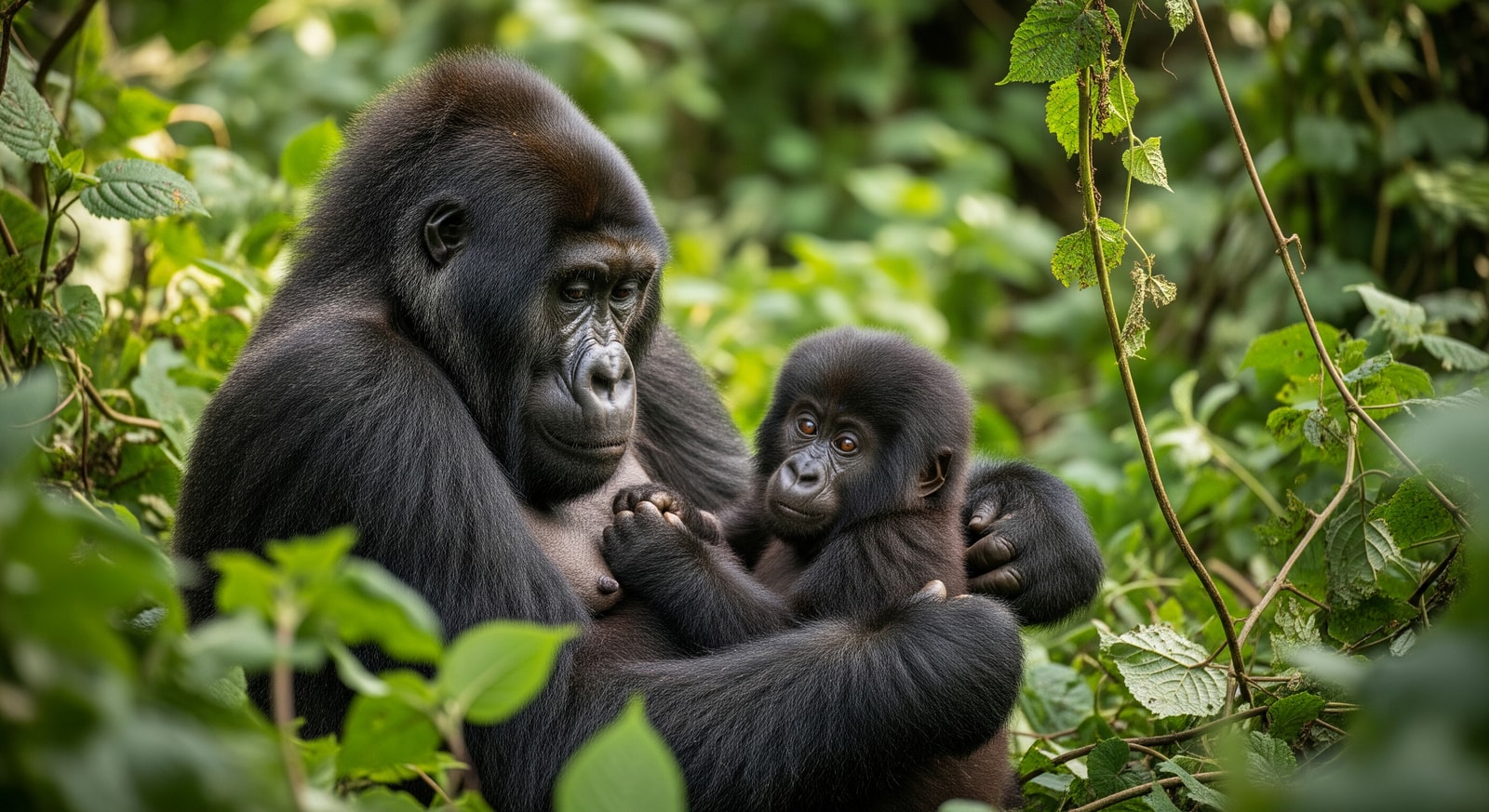
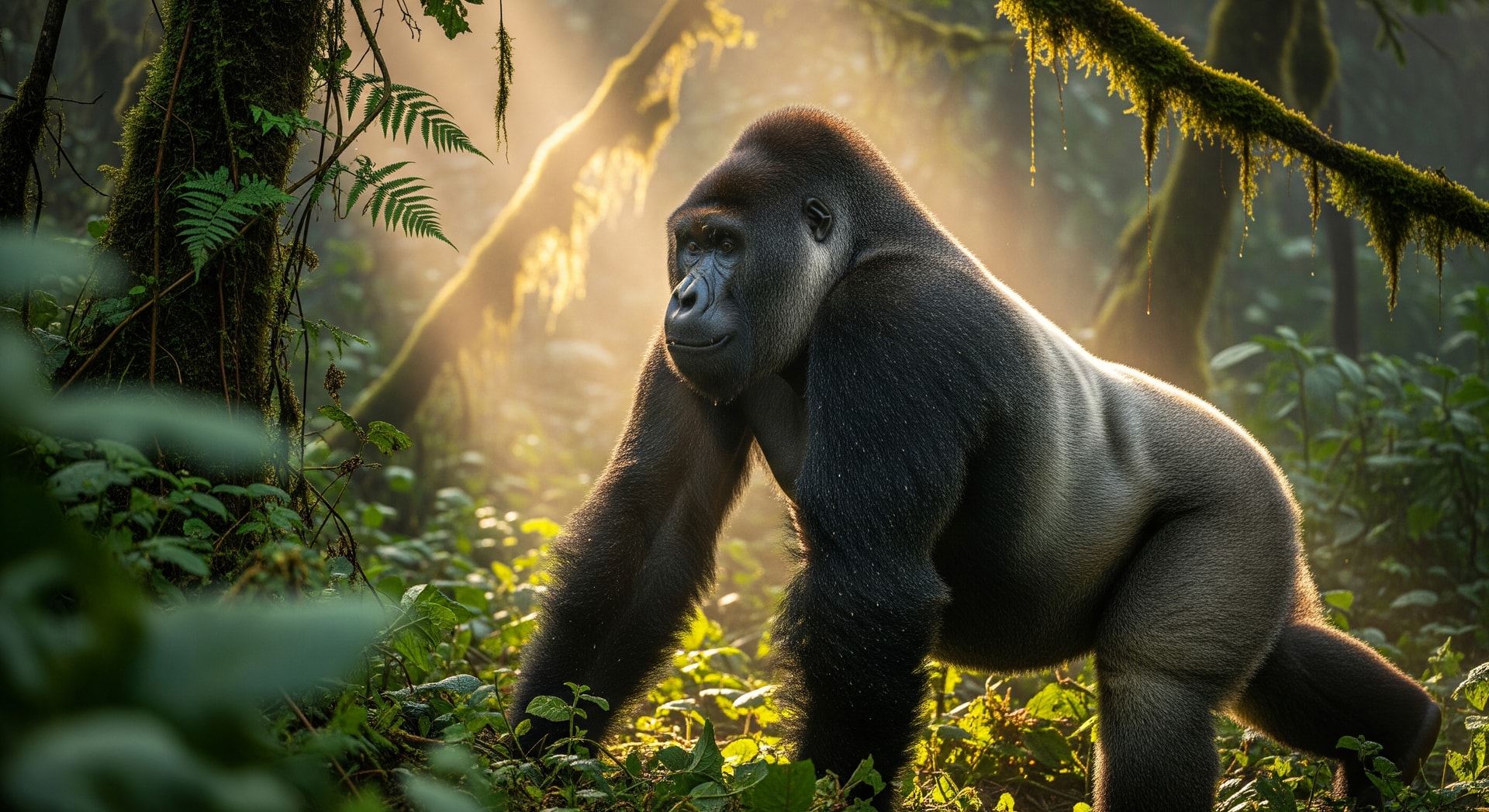
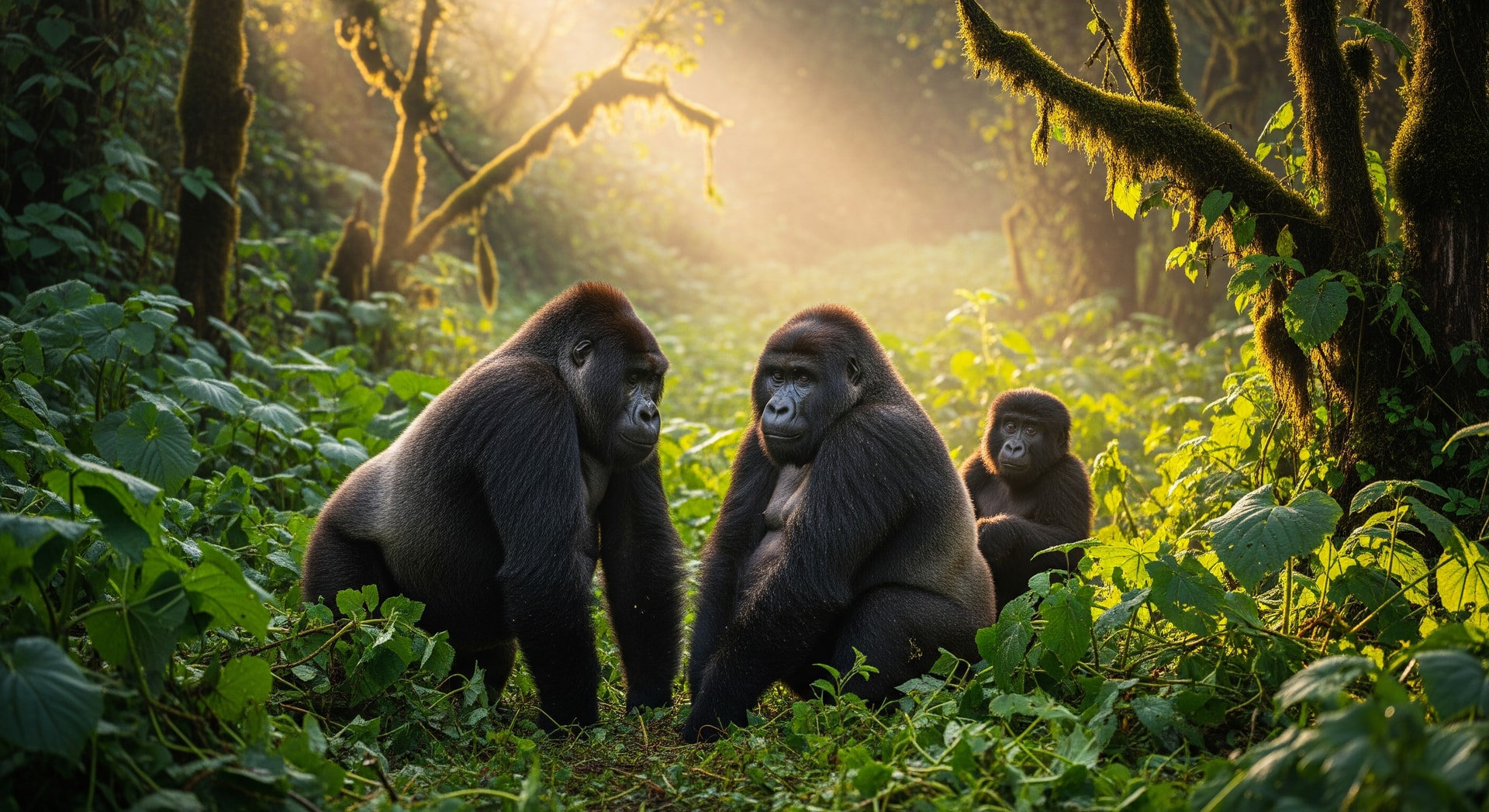
For most visitors, gorilla trekking is the primary reason for visiting Uganda, and understanding the permit system is essential for planning your trip. Uganda is home to approximately half of the world's remaining mountain gorillas, with the majority residing in Bwindi Impenetrable National Park, a UNESCO World Heritage Site spanning over 331 square kilometers of ancient montane forest. A smaller population lives in the Mgahinga Gorilla National Park, part of the Virunga Conservation Area shared with Rwanda and the Democratic Republic of Congo.
Gorilla trekking permits are separate from your Uganda e-Visa and must be purchased in advance through the Uganda Wildlife Authority (UWA) or authorized tour operators. Due to conservation efforts and the sensitivity of gorilla habitats, only a limited number of permits are issued daily. Each gorilla family can be visited by a maximum of 8 tourists per day, with the trekking experience lasting one hour once you locate the gorillas. This strict regulation protects both the gorillas and ensures an intimate, unforgettable wildlife encounter.
At $800 USD per person, Uganda's gorilla permits are significantly more affordable than Rwanda's $1,500 permits, making Uganda an attractive option for budget-conscious travelers seeking this once-in-a-lifetime experience. The lower permit price does not mean a lesser experience — Uganda's gorilla trekking is equally spectacular, often in more rugged and adventurous terrain that adds to the sense of exploration and discovery.
Uganda Gorilla Trekking Essentials
Permit cost: $800 USD per person (foreign non-residents)
Permits available: Limited daily allocation per gorilla family
Minimum age: 15 years old
Trekking duration: 2-8 hours depending on gorilla location
Time with gorillas: Maximum 1 hour per visit
Locations: Bwindi Impenetrable NP (primary), Mgahinga Gorilla NP
Best booking window: 3-6 months in advance for peak season
Bwindi Impenetrable National Park is divided into four sectors for gorilla trekking: Buhoma (the most developed with comfortable lodges), Ruhija (highest altitude sector), Rushaga (most gorilla families, good for multiple treks), and Nkuringo (challenging terrain with stunning views). Each sector offers unique characteristics and different habituated gorilla families. When booking permits, you'll be assigned to a specific sector based on availability, though preferences can sometimes be accommodated if booking well in advance.
The trekking experience itself is physically demanding and requires reasonable fitness. You'll hike through dense, steep forest terrain, sometimes in muddy conditions, at altitudes ranging from 1,160 to 2,607 meters above sea level. Treks can last anywhere from one to eight hours depending on where the gorillas are located that day. Porters are available for hire at each trailhead and are highly recommended — they carry your daypack and provide invaluable assistance on steep sections while supporting local community employment.
Book Gorilla Permits Early
Gorilla permits sell out months in advance, especially during peak seasons (June-September, December-February). Book your permits 3-6 months ahead to secure your preferred dates. Only book your visa after confirming your gorilla permit, as changing your travel dates can be complicated. Tour operators can help secure permits and coordinate logistics.
Uganda's Spectacular National Parks
While gorilla trekking is often the headline attraction, Uganda's ten national parks offer incredible diversity far beyond primates. From the classic African savanna of Queen Elizabeth National Park to the thundering waterfalls of Murchison Falls, from the chimpanzee-filled forests of Kibale to the remote wilderness of Kidepo Valley, Uganda packs an extraordinary range of ecosystems and wildlife experiences into a relatively compact country. A well-planned Uganda safari can combine gorilla trekking with traditional Big Five game viewing for a truly comprehensive African adventure.
Bwindi Impenetrable National Park
Bwindi Impenetrable National Park is Uganda's crown jewel and the primary destination for mountain gorilla encounters. This ancient rainforest, estimated to be over 25,000 years old, is a UNESCO World Heritage Site harboring not only approximately 459 mountain gorillas but also over 120 mammal species, 350 bird species, and countless reptiles, butterflies, and plants. The park's name comes from its dense vegetation, which can make navigation challenging but creates an otherworldly atmosphere for gorilla tracking.
Beyond gorilla trekking, Bwindi offers exceptional birding opportunities, nature walks to waterfalls and viewpoints, and cultural encounters with the indigenous Batwa pygmy communities who once called this forest home. The surrounding villages provide insight into traditional Ugandan life, and community tourism projects allow visitors to engage meaningfully with local people while contributing to conservation efforts.
Queen Elizabeth National Park
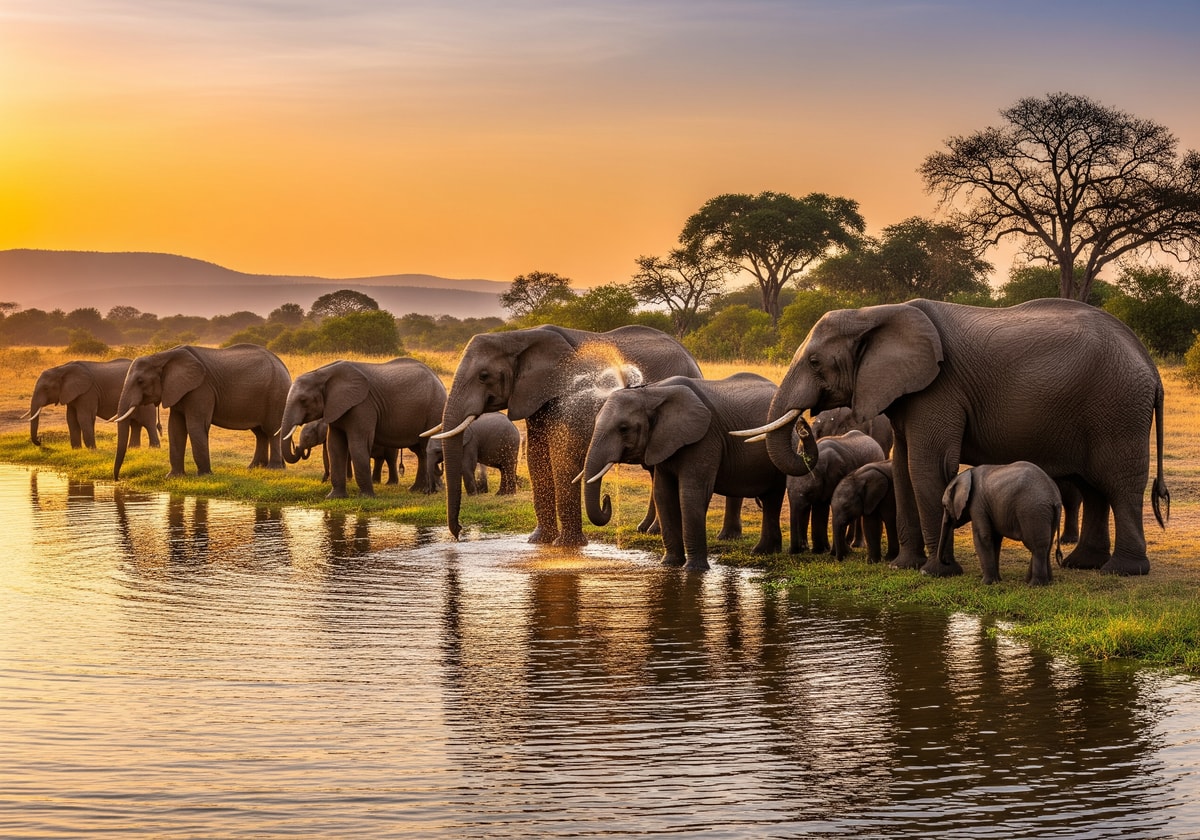
Queen Elizabeth National Park, Uganda's most-visited savanna park, offers classic African wildlife viewing combined with unique experiences found nowhere else. The park's 1,978 square kilometers encompass savanna, wetlands, forest, and crater lakes, supporting over 95 mammal species and 600 bird species. The famous Kazinga Channel, a 40-kilometer natural waterway connecting Lake George and Lake Edward, hosts one of Africa's highest concentrations of hippos and provides spectacular boat safari opportunities where elephants, buffalo, and crocodiles gather at the water's edge.
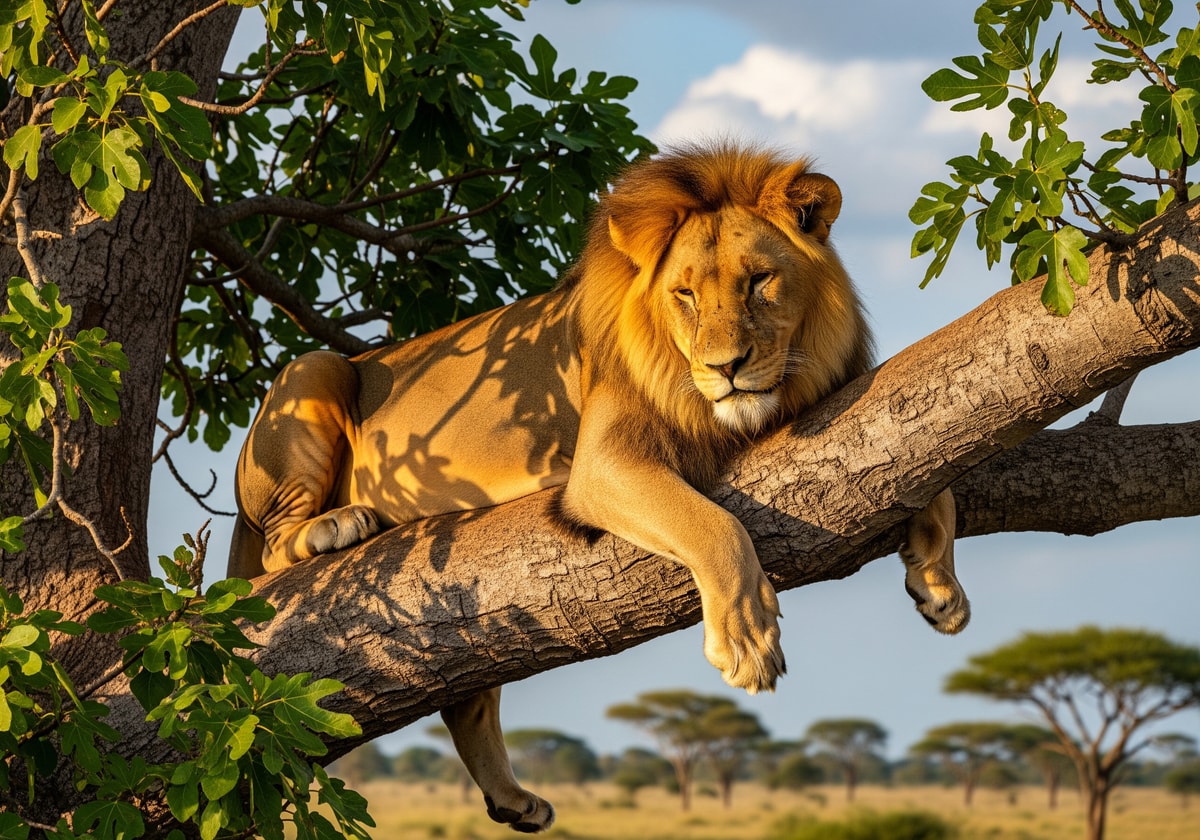
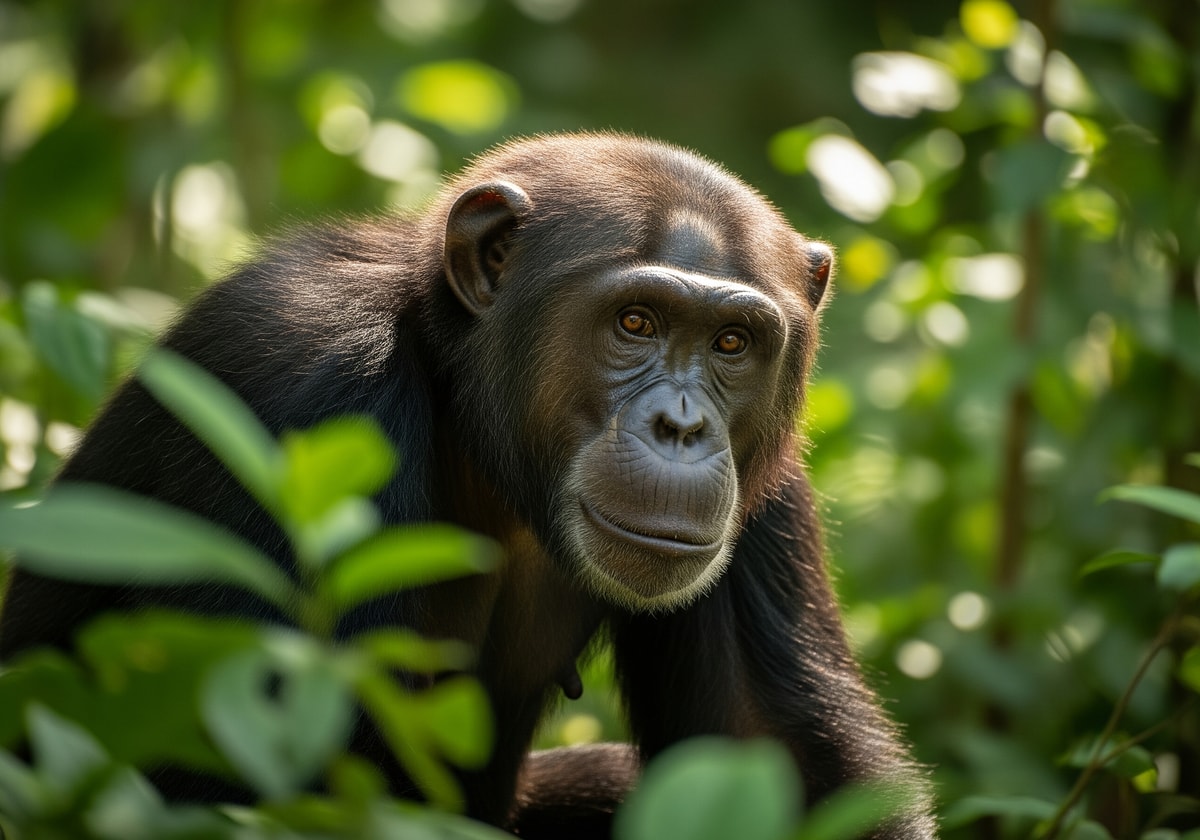
The park is particularly famous for its tree-climbing lions in the Ishasha sector, a rare behavior where lions lounge in the branches of fig trees during the heat of the day. This unique phenomenon makes Ishasha a must-visit for wildlife enthusiasts. Queen Elizabeth National Park also offers chimpanzee tracking in Kyambura Gorge, adding primates to your safari experience without traveling to a separate destination.
Murchison Falls National Park
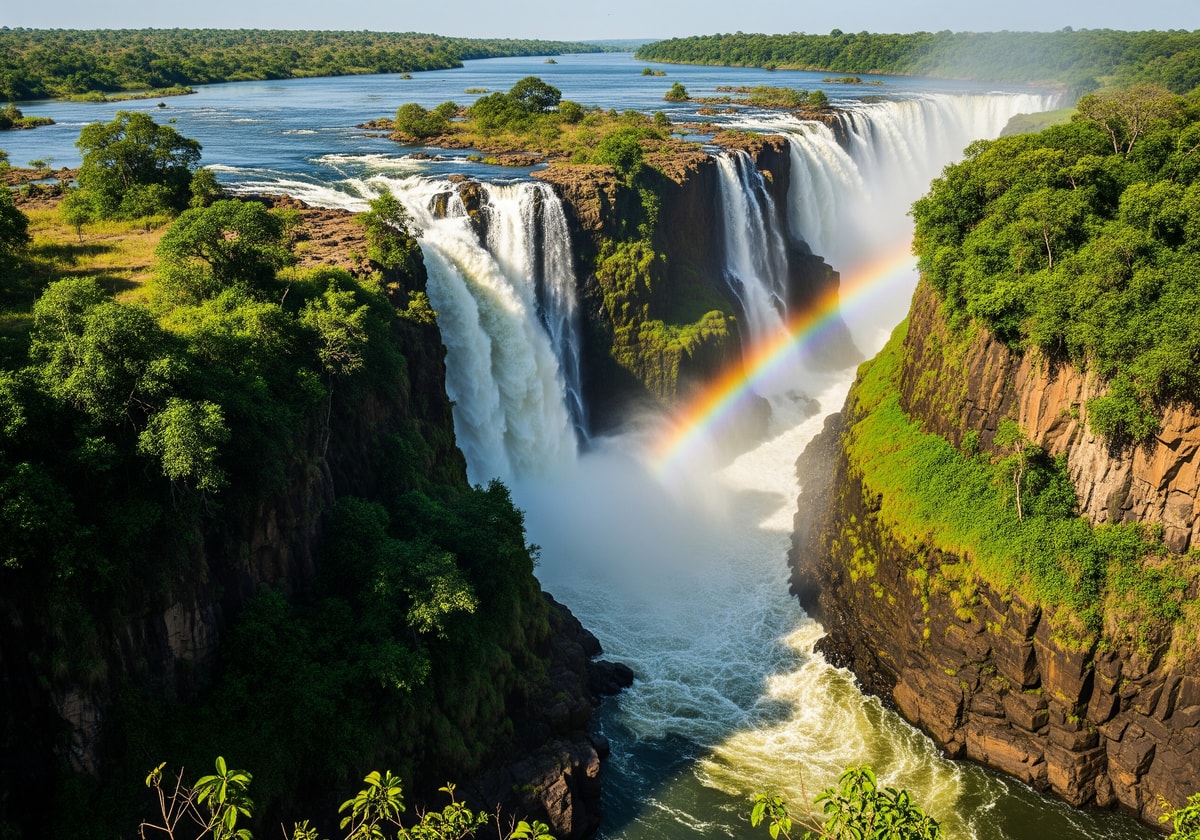
Murchison Falls National Park is Uganda's largest protected area at 3,840 square kilometers, bisected by the mighty Victoria Nile as it flows from Lake Victoria towards Lake Albert. The park's centerpiece is Murchison Falls itself, where the entire Nile River forces its way through a gap just seven meters wide before exploding into a frothing cascade 43 meters below. The power and spray of these falls is one of Africa's most dramatic natural spectacles.
Game drives in Murchison Falls reveal Uganda's savanna wildlife in all its glory: elephants, giraffes, buffalo, lions, leopards, and various antelope species roam the northern sector. The boat cruise from Paraa to the base of the falls is legendary, passing countless hippos, Nile crocodiles, and elephants bathing in the river. For the adventurous, hiking to the top of the falls provides breathtaking views of the Nile's power and the vast wilderness beyond.
Essential Travel Tips for Uganda
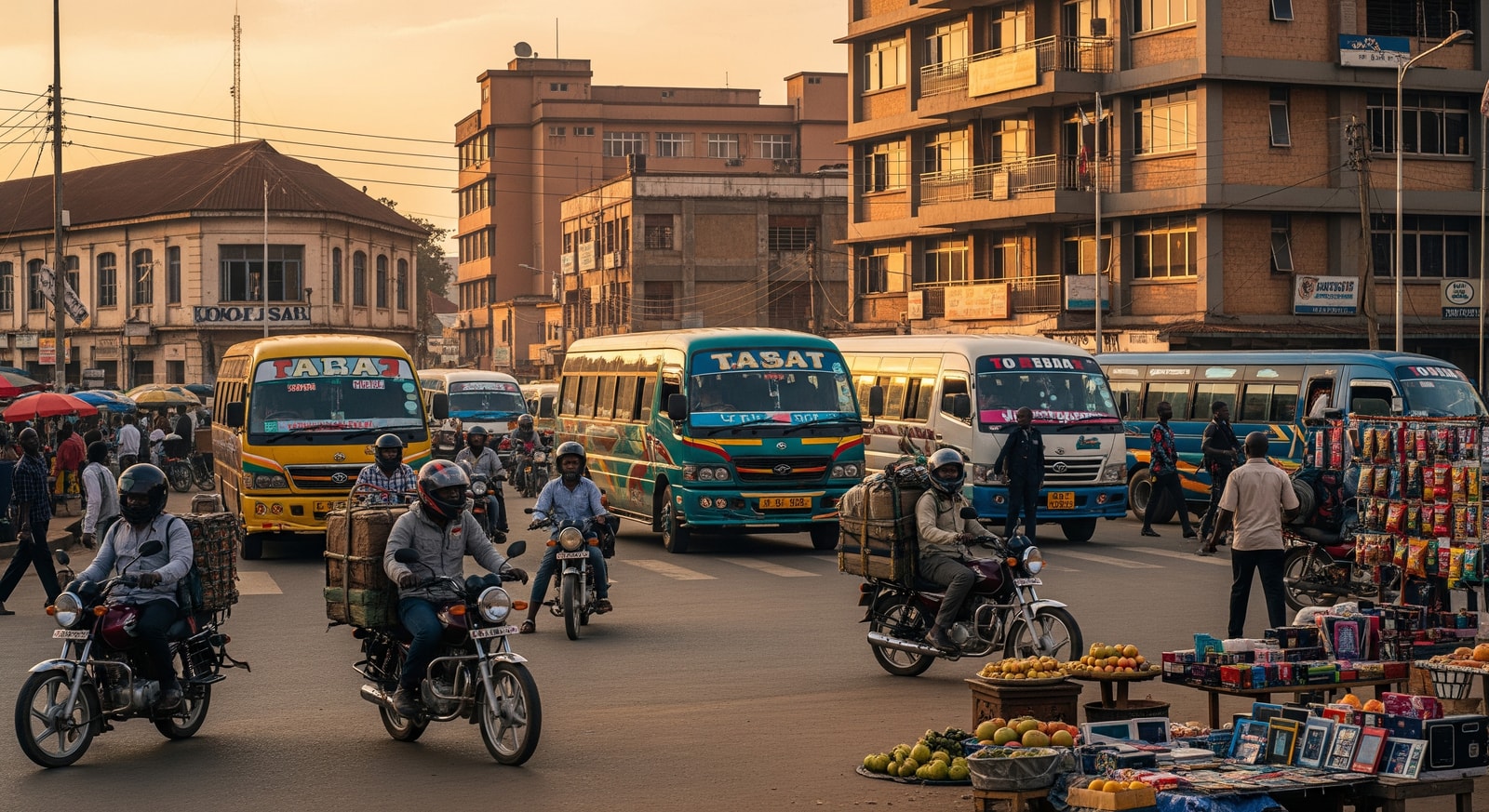
Uganda offers one of Africa's most rewarding travel experiences, combining incredible wildlife encounters with warm hospitality and relatively well-developed tourism infrastructure. Whether you're navigating the streets of Kampala, bouncing along red-dirt roads to remote parks, or sitting quietly among mountain gorillas, being prepared enhances every aspect of your journey. Here are essential tips to help you make the most of your Ugandan adventure.
- Best time for gorilla trekking: June-September and December-February offer drier conditions, making forest trails more manageable. However, gorilla trekking is possible year-round.
- Best time for general wildlife: Dry seasons (June-September, December-February) provide better game viewing as animals gather around water sources. Wet seasons offer lush landscapes and excellent birding.
- What to pack for gorilla trekking: Sturdy waterproof hiking boots, long pants, long-sleeved shirt, garden gloves (for gripping vegetation), rain jacket, hat, and gaiters. Neutral colors (greens, browns, khaki) are required.
- Physical preparation: Gorilla trekking requires moderate to high fitness levels. Start preparing weeks in advance with hiking, cardio exercises, and leg strengthening. Altitude ranges from 1,160m to 2,607m.
- Health precautions: Malaria prophylaxis is essential. Consult a travel health clinic 4-6 weeks before departure. Yellow fever vaccination is mandatory. Consider Hepatitis A, Typhoid, and other recommended vaccines.
- Currency: Ugandan Shilling (UGX). US dollars are widely accepted for tourism payments — bring clean, recent bills. ATMs available in cities but rare in rural areas. Credit cards accepted at major hotels.
- Hiring a porter: Strongly recommended for gorilla trekking. Porters cost $15-20 USD, carry your daypack, assist on difficult terrain, and provide employment for local communities. Worth every cent.
- Safari vehicles: Uganda's roads can be rough. 4x4 vehicles are essential for national parks. Self-driving is possible but hiring a driver-guide enhances the experience and supports local employment.
- Tipping: Customary to tip guides, drivers, and lodge staff. Budget $10-20 USD per day for driver-guides, $5-10 for porters, plus tips for lodge staff. Tips directly support local communities.
- Respect wildlife rules: Maintain 7-meter distance from gorillas (further if they approach you). No flash photography. If you're unwell, do not trek to protect gorillas from human diseases.
Health Requirements Are Strict
Yellow fever vaccination is mandatory and strictly enforced. Malaria is present throughout Uganda and prophylaxis is essential. If you feel unwell on your gorilla trekking day, inform your guide — you will not be allowed to trek if you have cold or flu symptoms to protect the gorillas. Travel insurance covering medical evacuation is highly recommended.
Common Myths About Uganda Travel
Uganda is dangerous for tourists
Uganda is one of the safest countries in East Africa for tourists. Major tourist areas, national parks, and cities maintain low crime rates. Millions of visitors safely enjoy gorilla trekking and safaris each year. Exercise normal precautions, follow your guide's advice, and Uganda will welcome you warmly. The tourism industry is well-established with experienced operators prioritizing visitor safety.
Frequently Asked Questions
How long does the Uganda e-Visa take to process?
Is a yellow fever vaccination mandatory for Uganda?
How much does a Uganda gorilla trekking permit cost?
Can I extend my Uganda e-Visa once I'm in the country?
What's the difference between gorilla trekking in Uganda and Rwanda?
When is the best time to visit Uganda for gorilla trekking?
Do children need their own Uganda e-Visa?
Can I visit Uganda and Rwanda with the same visa?
How fit do I need to be for gorilla trekking?
What should I pack for Uganda gorilla trekking?
Is it safe to drink tap water in Uganda?
How do I get from Entebbe Airport to Bwindi?
Can I see both gorillas and chimpanzees in Uganda?
What currency should I bring to Uganda?
Ready for Your Uganda Safari Adventure?
Uganda awaits with some of the most extraordinary wildlife encounters on Earth. From the soul-stirring experience of sitting quietly among a gorilla family in the ancient forests of Bwindi to watching the entire Nile River thunder through a seven-meter gap at Murchison Falls, from tracking chimpanzees through jungle trails to spotting tree-climbing lions in Ishasha, Uganda delivers adventures that transform perspectives and create memories lasting a lifetime.
The Uganda e-Visa makes accessing this incredible destination easier than ever before. With your visa approved and gorilla permits secured, you're ready to embark on a journey to the Pearl of Africa. The misty mountains, dense forests, open savannas, and welcoming people of Uganda combine to create one of Africa's most rewarding travel experiences.
Whether you're a first-time Africa visitor seeking that life-changing gorilla encounter or an experienced safari traveler looking for something beyond the ordinary, Uganda offers authenticity, adventure, and wildlife experiences that rival anywhere on the continent — often at a fraction of the cost. Start your application today and take the first step toward your Ugandan adventure. Karibu Uganda — Welcome to Uganda!
Check Your Uganda Visa Requirements
Get the DoVisa App
Store your Uganda e-Visa, track applications, and access travel info on the go.




Comments(14)
Leave a Comment
Just returned from an incredible 12-day Uganda trip! The gorilla trekking in Bwindi was absolutely life-changing. We spent an hour with a family of 18 gorillas, including three babies playing right in front of us. The e-visa process was smooth - got approved in 4 days. Worth every moment of planning!
Is it better to book gorilla permits first or apply for the visa first? I'm trying to plan for June and want to make sure I do this in the right order.
Pro tip: Hire a porter for gorilla trekking! I almost didn't, thinking I was fit enough. After 4 hours of steep climbing through dense forest at altitude, I was SO grateful my porter was there. Best $15 I've ever spent, and it supports the local community.
Don't skip Murchison Falls! We did gorillas in Bwindi, then drove north for 3 days in Murchison. The boat cruise to the falls was incredible - hippos everywhere, elephants bathing in the river, and the waterfall itself is just mind-blowing. Uganda has so much more than just gorillas.
How difficult is the gorilla trekking really? I'm in decent shape but not a serious hiker. Should I be worried?
Uganda's $800 permits vs Rwanda's $1500 made the decision easy for us. The experience was just as incredible, and we used the savings to add Queen Elizabeth National Park to our itinerary. Saw tree-climbing lions in Ishasha!
The Kazinga Channel boat safari in Queen Elizabeth NP was a highlight! Hundreds of hippos, elephants drinking at sunset, crocodiles, and amazing birds. If you're doing gorillas in Bwindi, definitely add a couple days in Queen Elizabeth on your way.
Is the East Africa Tourist Visa worth it? We're thinking of doing Uganda gorillas plus Kenya Masai Mara.
Chimpanzee tracking in Kibale Forest was almost as amazing as the gorillas! We spent an hour watching a group of 15 chimps, including a mother carrying a tiny baby. At $200 it's much more affordable than gorillas and shouldn't be missed.
Quick tip: bring garden gloves for gorilla trekking. You'll be grabbing onto branches and vines to pull yourself up steep slopes, and the gloves protect your hands. Simple but makes a big difference!
We flew from Entebbe to Kihihi airstrip instead of driving. Yes it costs more, but turning an 8-hour bumpy drive into a 1-hour scenic flight was worth every penny. The aerial views of the Rwenzori Mountains were stunning!
The moment a silverback walked within 2 meters of me and our eyes met... I'll never forget it as long as I live. He was so calm, so intelligent, so present. Uganda gave me the most profound wildlife experience of my life.
How strictly is the yellow fever certificate checked at Entebbe? I'm coming from the UK.
Buhoma sector was our base for gorilla trekking - great lodges, good infrastructure, and the trek to our gorilla family was 'only' 3 hours. Rushaga has more gorilla families if you want multiple treks on different days. Both sectors are excellent choices!