
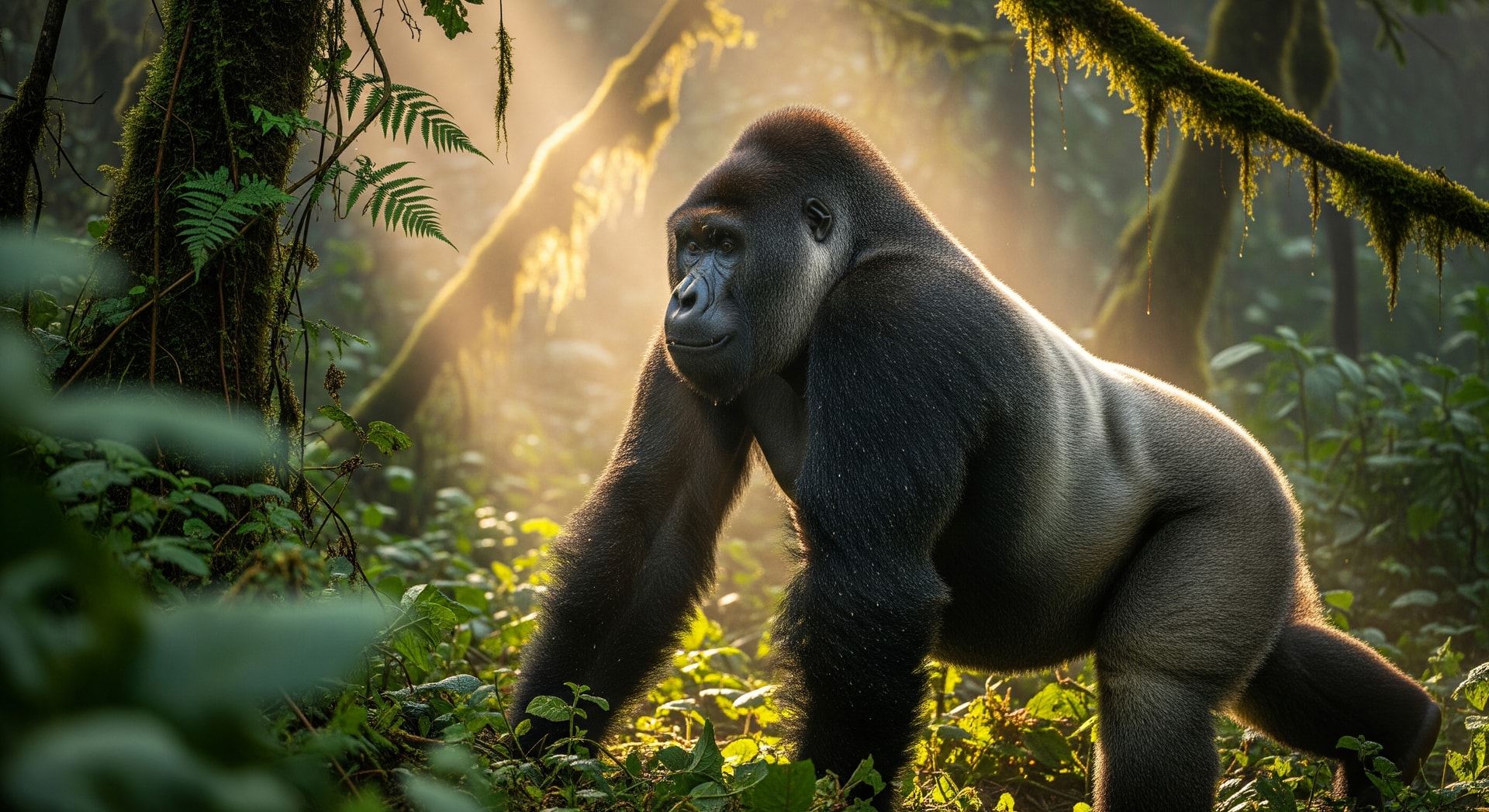
Uganda, known as the Pearl of Africa, serves as a magnificent gateway to one of the world's most innovative travel arrangements—the East Africa Tourist Visa. This revolutionary multi-country permit allows travelers to explore three extraordinary East African nations—Uganda, Rwanda, and Kenya—with a single visa application. For wildlife enthusiasts, gorilla trekkers, and safari lovers, the East Africa Tourist Visa transforms what would typically require three separate visa applications into one streamlined process, saving both time and money while opening doors to incredible biodiversity across the region.
When applied for through Uganda, the East Africa Tourist Visa positions you perfectly to begin your adventure in the primate capital of the world. Uganda is home to over half the world's remaining mountain gorillas in Bwindi Impenetrable National Park and Mgahinga Gorilla National Park, making it the ultimate starting point for travelers whose primary goal is tracking these magnificent great apes. Beyond gorillas, Uganda offers chimpanzee tracking in Kibale Forest, tree-climbing lions in Queen Elizabeth National Park, the thundering Murchison Falls, and the source of the River Nile in Jinja.
This comprehensive guide covers everything you need to know about applying for the East Africa Tourist Visa through Uganda in 2026. Whether you're planning an immersive gorilla trekking experience in Bwindi, a classic Big Five safari in Kenya's Masai Mara, or a multi-country adventure spanning all three nations, this guide will walk you through requirements, costs, the application process, and essential travel tips for maximizing your East African expedition. From document preparation to border crossing procedures, you'll find all the information needed to plan your ultimate African adventure.
Understanding the East Africa Tourist Visa
The East Africa Tourist Visa is a unified travel document created through a partnership between Uganda, Rwanda, and Kenya to promote regional tourism and simplify travel for international visitors. Valid for 90 days from the date of first entry, this multiple-entry visa allows holders to move freely between all three countries without obtaining additional visas or paying separate entry fees at each border. The visa costs $100 USD regardless of which country you apply through, representing significant savings compared to purchasing individual country visas.
What makes applying through Uganda particularly attractive is the country's position as the premier gorilla trekking destination in East Africa. While Rwanda also offers gorilla encounters, Uganda's permits are more affordable ($700 vs. Rwanda's $1,500), and the country offers two gorilla habituation groups—Bwindi and Mgahinga—providing more flexibility for trekkers. By starting your East African journey in Uganda, you can secure your gorilla experience first, then seamlessly continue to Rwanda for Volcanoes National Park or Kenya for the legendary Masai Mara, all on the same visa.
The visa operates on an important principle: you must enter East Africa through the country that issued your visa first. This means if you apply through Uganda's e-visa portal and receive your East Africa Tourist Visa from Ugandan authorities, your first entry into the region must be through a Ugandan border post—typically Entebbe International Airport. After your initial entry into Uganda, you're free to cross into Rwanda and Kenya as many times as you wish during the 90-day validity period, making this visa ideal for comprehensive safari circuits and multi-destination itineraries.

Uganda
Capital: Kampala
Currency: Ugandan Shilling (UGX)
Language: English, Swahili
Timezone: UTC+3 (East Africa Time)
Processing: 3-7 business days
Quick Facts
- East Africa Visa: $100
- 90 days validity
- Uganda, Rwanda & Kenya
- Home to half the world's mountain gorillas
East Africa Tourist Visa Quick Facts (Uganda Application)
Countries covered: Uganda, Rwanda, and Kenya
Cost: $100 USD (non-refundable)
Validity: 90 days from first entry
Entry type: Multiple entries between all three countries
First entry requirement: Must enter through Uganda
Purpose: Tourism only (safaris, gorilla trekking, wildlife viewing)
Application: Online through Uganda e-visa portal
Processing time: 3-7 business days
Why Apply Through Uganda?
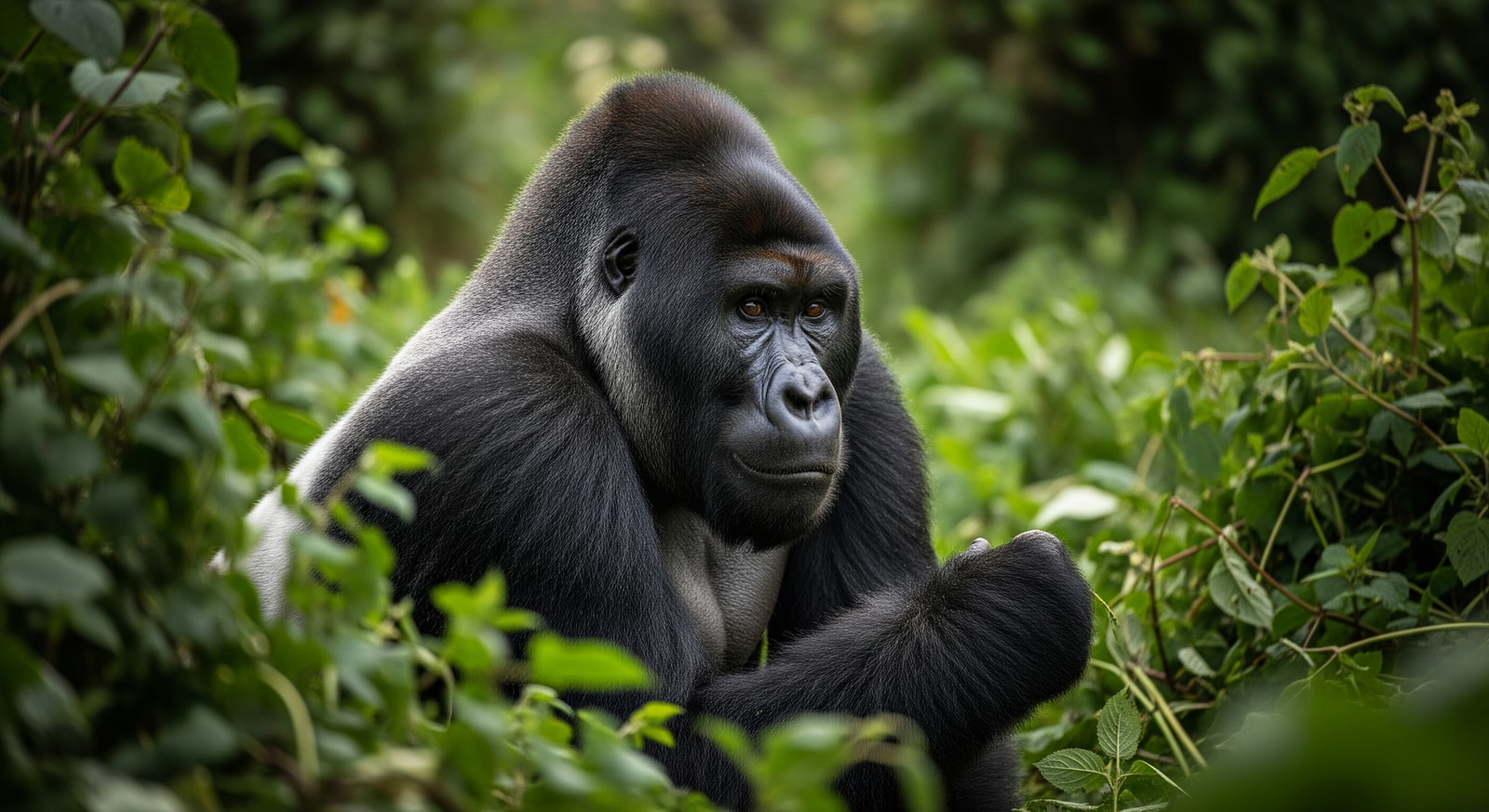
Choosing to apply for your East Africa Tourist Visa through Uganda offers several distinct advantages, particularly for travelers prioritizing gorilla trekking and primate encounters. Uganda stands as the most accessible and affordable destination for mountain gorilla experiences, with permits priced at $700 compared to Rwanda's $1,500. The country hosts approximately 459 mountain gorillas across Bwindi Impenetrable National Park and Mgahinga Gorilla National Park—more than half the world's total population of around 880 individuals.
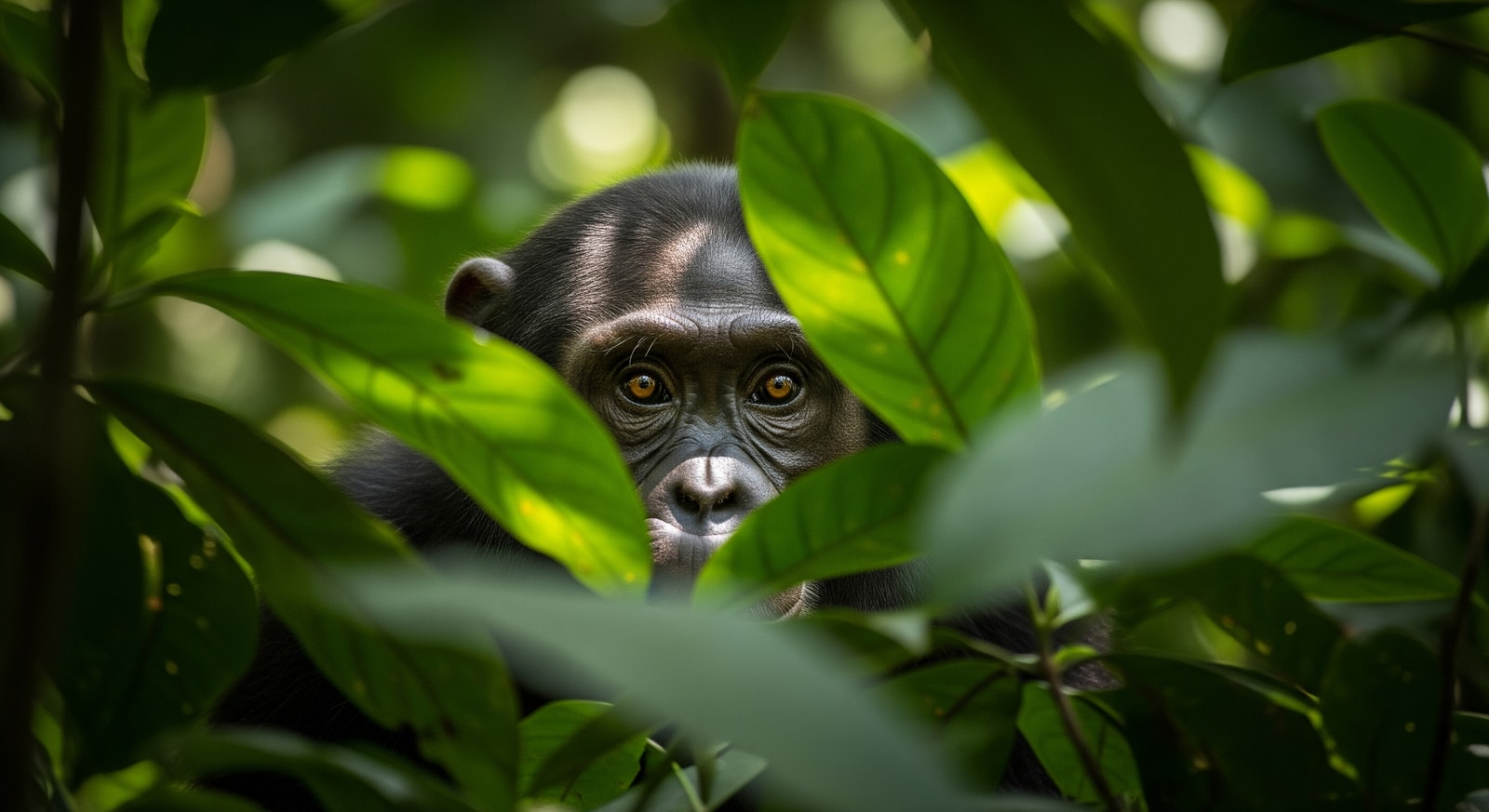
Beyond gorillas, Uganda offers an unparalleled diversity of primates. Kibale Forest National Park boasts the highest concentration of chimpanzees in Africa, with habituated groups available for tracking year-round. The country is home to 13 primate species in total, including red colobus monkeys, L'Hoest's monkeys, and grey-cheeked mangabeys. For travelers seeking the complete great ape experience—both gorillas and chimpanzees—Uganda is the only East African destination where you can encounter both species within a few days' drive of each other.
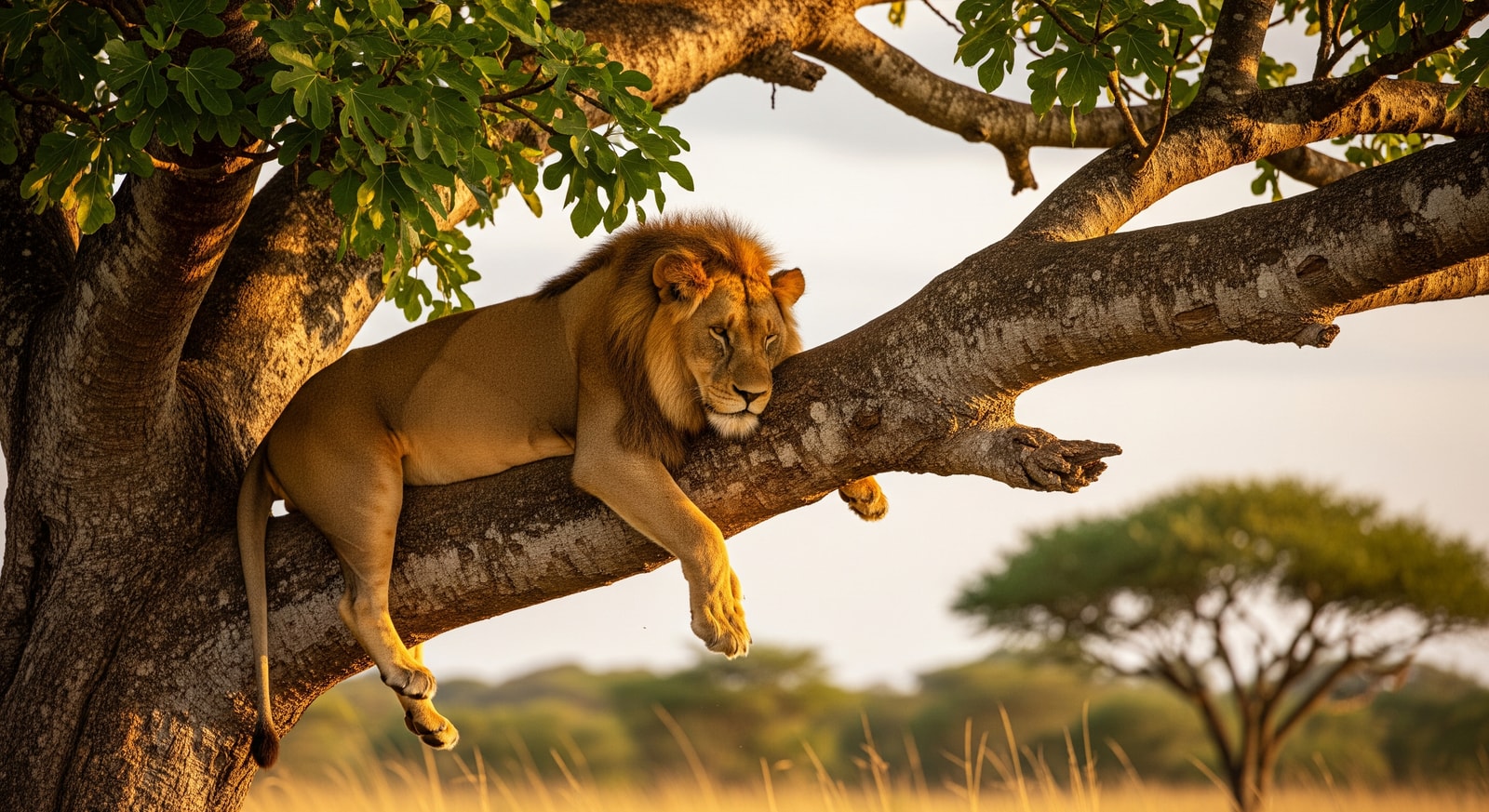
Uganda also provides excellent value for safari enthusiasts. Queen Elizabeth National Park offers Big Five viewing (minus rhinos, though a rhinoceros reintroduction program is underway), famous tree-climbing lions in the Ishasha sector, and boat safaris along the Kazinga Channel teeming with hippos and crocodiles. Murchison Falls National Park showcases the world's most powerful waterfall and exceptional wildlife concentrations. The country's tourism infrastructure has improved dramatically in recent years, with excellent lodges and camps ranging from budget to ultra-luxury, professional guide services, and well-maintained roads connecting major attractions.
- Most affordable gorilla trekking permits in East Africa ($700 vs. Rwanda's $1,500)
- Home to over half the world's mountain gorilla population in two national parks
- Only destination offering both gorilla and chimpanzee trekking in close proximity
- Excellent safari parks including Queen Elizabeth and Murchison Falls National Park
- Famous tree-climbing lions in the Ishasha sector of Queen Elizabeth NP
- Adventure activities at the source of the Nile in Jinja (white water rafting, bungee jumping)
- Less crowded than Kenya's popular parks, offering more intimate wildlife experiences
- Rapidly improving tourism infrastructure with lodges for every budget
Countries Covered: Your Three-Nation Adventure
The East Africa Tourist Visa opens doors to three of Africa's most remarkable countries, each offering unique landscapes, wildlife, and cultural experiences. Understanding what each destination offers helps you plan an itinerary that maximizes your 90-day visa while experiencing the best of East Africa's incredible diversity.
Uganda: The Pearl of Africa
Uganda earned Winston Churchill's famous nickname 'The Pearl of Africa' for its stunning natural beauty and biodiversity. The country spans from the snow-capped Rwenzori Mountains—the legendary Mountains of the Moon—to the vast savannas of its national parks and the shores of Lake Victoria, the world's largest tropical lake. For wildlife enthusiasts, Uganda offers experiences found nowhere else on Earth.
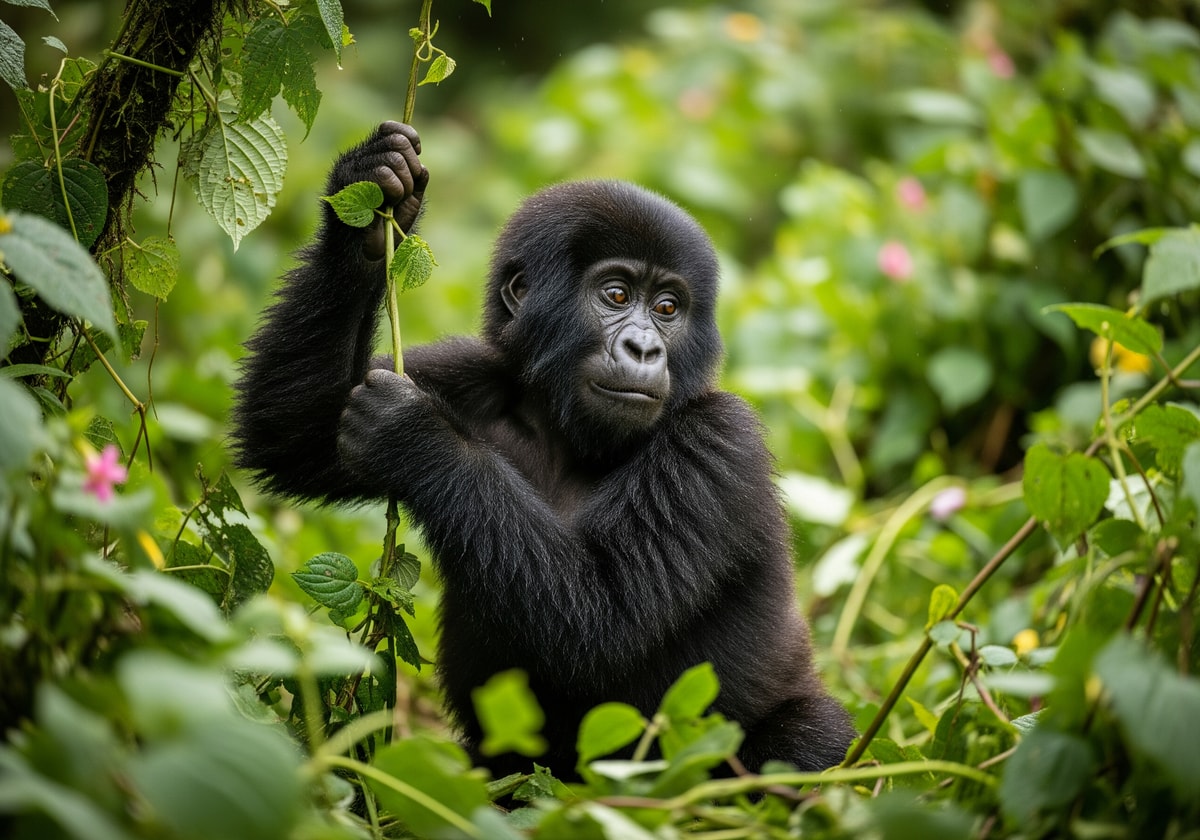
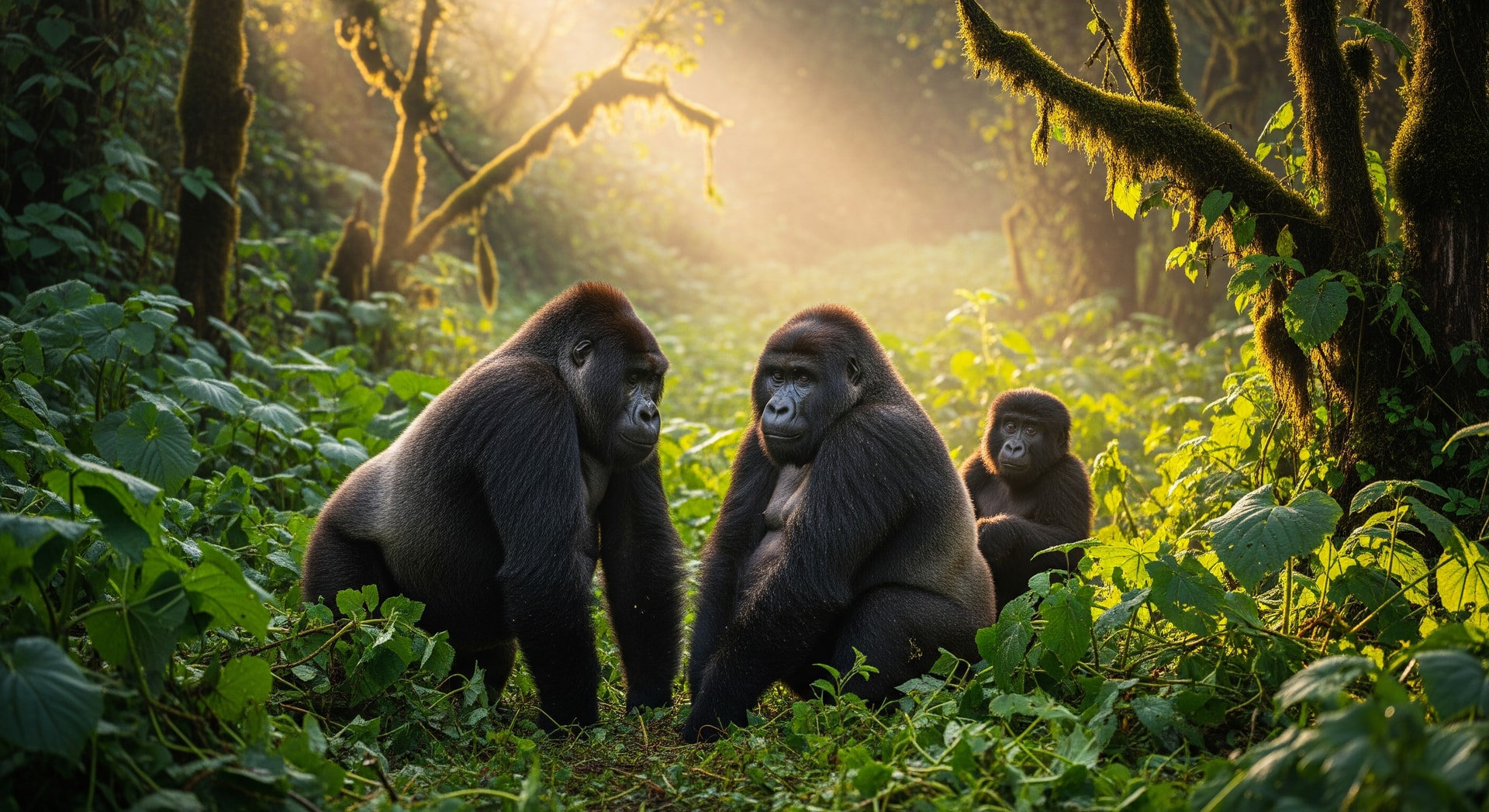
Bwindi Impenetrable National Park is the undisputed highlight for most visitors, home to approximately half the world's mountain gorillas. The park contains 19 habituated gorilla families, allowing up to 152 visitors daily to experience hour-long encounters with these gentle giants. The trekking experience involves hiking through dense, mist-shrouded forest at elevations up to 2,607 meters, guided by expert trackers who locate the gorillas each morning. The moment you sit meters away from a 200-kilogram silverback, watching him peacefully feed while young gorillas play nearby, ranks among wildlife tourism's most profound experiences.
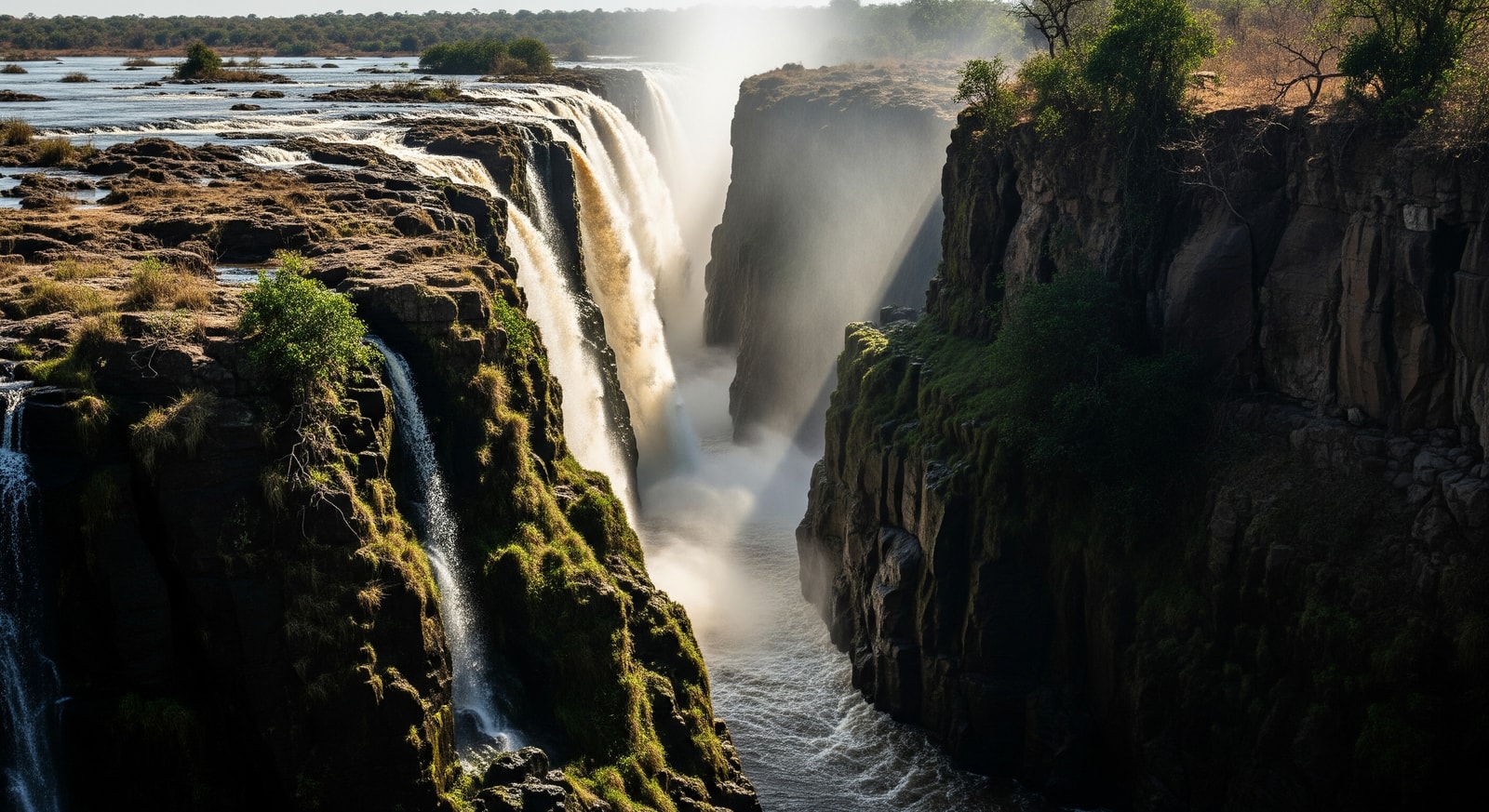
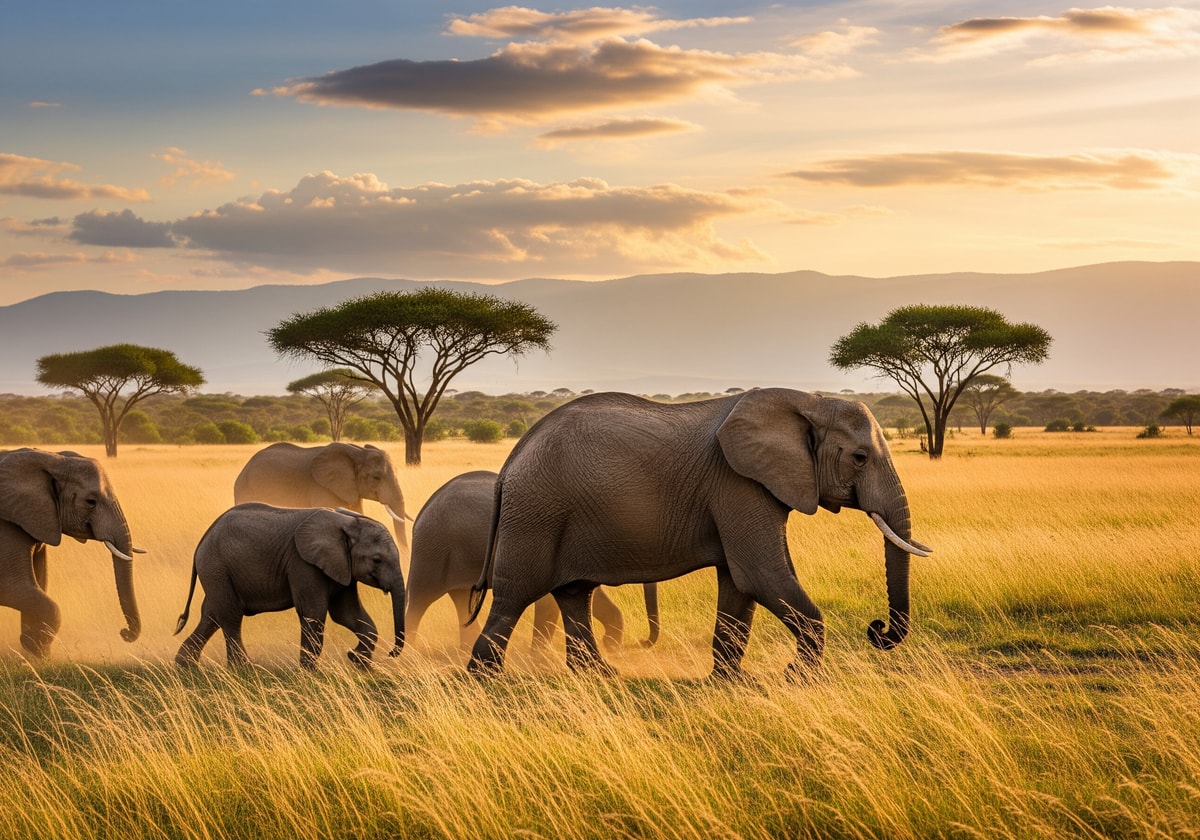
Beyond gorillas, Uganda offers world-class chimpanzee tracking in Kibale Forest, where a population of over 1,500 chimps makes sightings highly reliable. Queen Elizabeth National Park provides classic savanna safari experiences alongside the unique opportunity to spot tree-climbing lions in the Ishasha sector—one of only two places in Africa where lions regularly climb trees. Murchison Falls National Park showcases the mighty Nile forcing through a 7-meter gap, creating the world's most powerful waterfall, surrounded by excellent game-viewing opportunities including elephants, giraffes, and lions. For adventure seekers, Jinja at the source of the Nile offers white water rafting rated among the world's best.
Rwanda: Land of a Thousand Hills
Rwanda's dramatic volcanic landscapes and remarkable recovery story make it a fascinating addition to any East African itinerary. The country's transformation from the devastating 1994 genocide to one of Africa's cleanest, safest, and most efficiently run nations is genuinely inspiring. Kigali, the capital, surprises visitors with its cleanliness, modern infrastructure, and vibrant café culture, while the countryside reveals the thousand hills that give the country its poetic nickname.
Volcanoes National Park in the northwest offers Rwanda's premier wildlife attraction—mountain gorilla trekking among the Virunga volcanoes made famous by Dian Fossey. While permits cost $1,500 (more than double Uganda's price), Rwanda offers certain advantages: generally shorter trek distances to reach gorilla families, superior lodge infrastructure, and the opportunity to hike to Dian Fossey's grave at the Karisoke Research Center. The park also offers golden monkey tracking, a delightful experience watching these playful, endangered primates in the bamboo forests.
Nyungwe Forest National Park in the southwest contains one of Africa's oldest rainforests, home to 13 primate species including habituated chimpanzees and the spectacular L'Hoest's monkey. The canopy walkway suspended 50 meters above the forest floor provides unforgettable perspectives. Lake Kivu, one of Africa's Great Lakes, offers relaxation opportunities with its beautiful beaches, water sports, and lakeside lodges perfect for unwinding between more active pursuits.
Kenya: Safari Capital of Africa
Kenya stands as Africa's most iconic safari destination, the birthplace of the classic African safari experience, and home to wildlife spectacles that define the continent in popular imagination. The country offers an extraordinary range of ecosystems, from the vast savannas of the Masai Mara to the snow-capped peaks of Mount Kenya, from coastal coral reefs to desert wilderness, all easily accessible with excellent tourism infrastructure developed over more than a century.
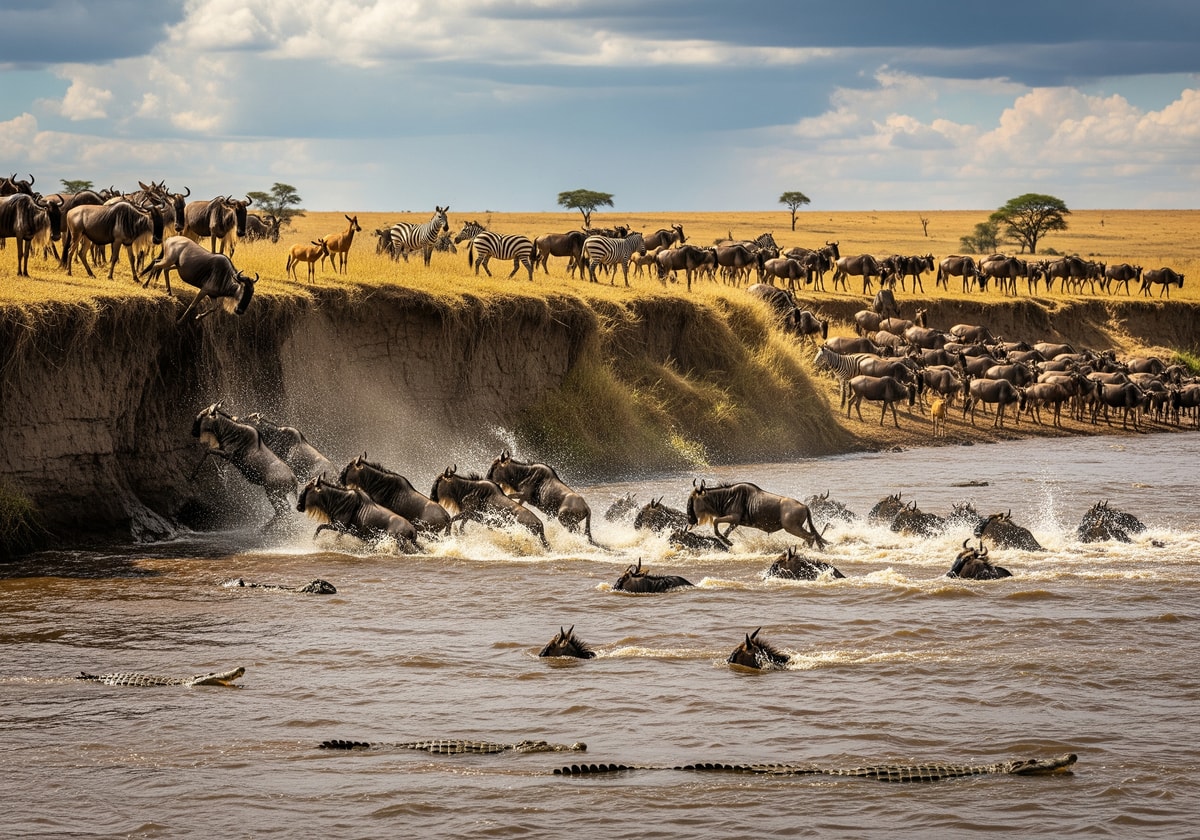
The Masai Mara National Reserve needs no introduction—it's where the Great Migration reaches its dramatic climax between July and October each year. Witnessing over a million wildebeest and hundreds of thousands of zebras crossing crocodile-infested rivers ranks among nature's greatest spectacles. Even outside migration season, the Mara delivers exceptional Big Five viewing, legendary lion prides, and encounters with the Maasai people whose traditional lands surround the reserve.
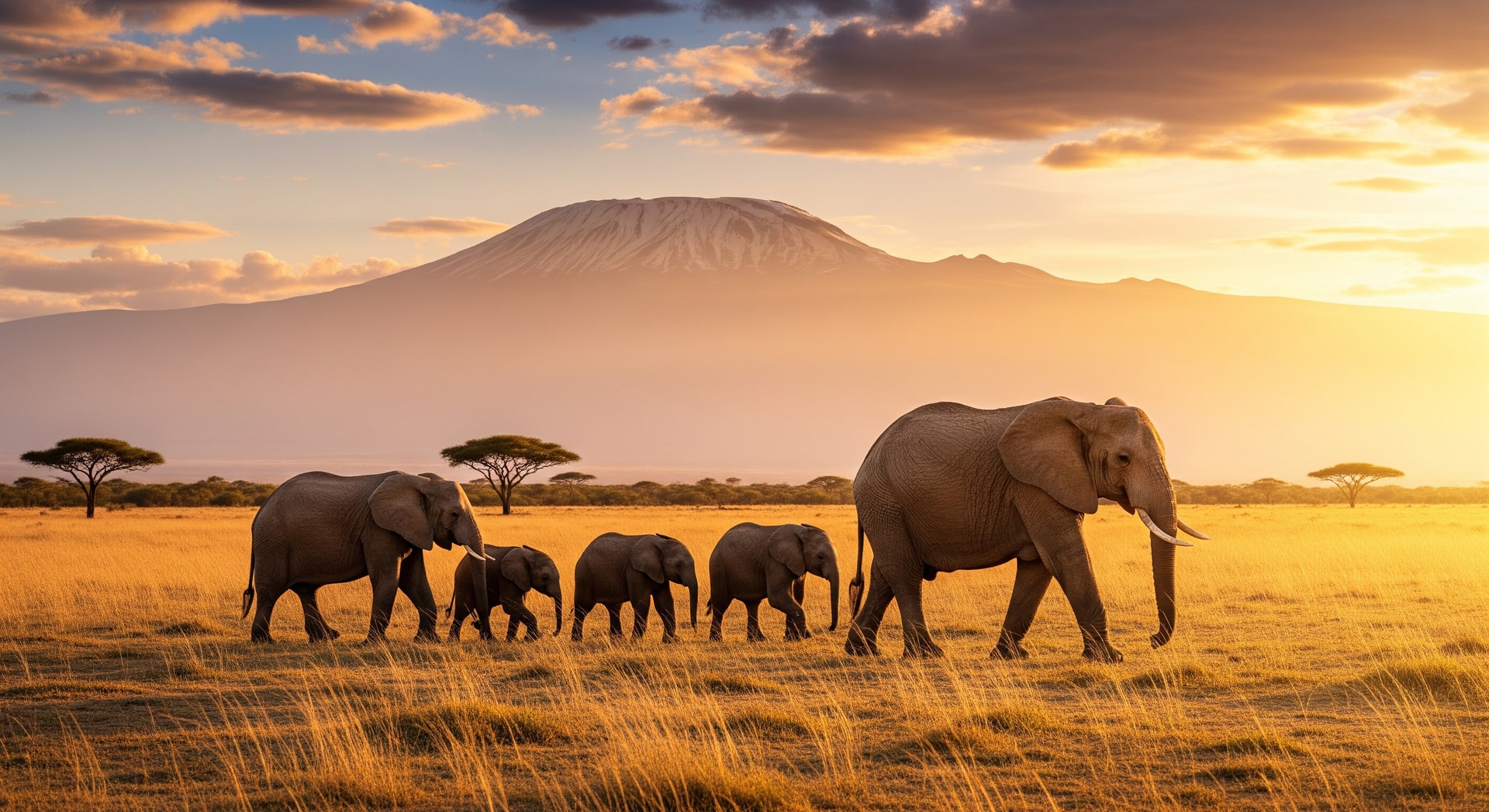
Amboseli National Park provides the quintessential African postcard image: elephants grazing with Mount Kilimanjaro rising majestically in the background. The park's elephant population is exceptionally well-studied, with some individuals tracked for over 50 years. Samburu National Reserve in northern Kenya showcases unique species found nowhere else in East Africa—the reticulated giraffe, Grevy's zebra, and gerenuk (the giraffe-necked antelope). For those wanting to combine safari with beach relaxation, Kenya's Indian Ocean coast offers pristine beaches, Swahili culture, and excellent marine life around Mombasa and Diani.
East Africa Visa Countries at a Glance
| Feature | Uganda | Rwanda | Kenya |
|---|---|---|---|
| Main Wildlife Attraction | Gorilla trekking, Chimpanzees | Gorillas, Golden monkeys | Great Migration, Big Five |
| Gorilla Permit Cost | $700 | $1,500 | N/A |
| Top National Parks | Bwindi, Queen Elizabeth, Murchison Falls | Volcanoes, Nyungwe, Akagera | Masai Mara, Amboseli, Samburu |
| Best For | Primate experiences, Adventure | Gorillas, Scenic beauty | Classic safari, Beach combo |
| Main International Airport | Entebbe (EBB) | Kigali (KGL) | Nairobi (NBO) |
| Tourism Infrastructure | Good, rapidly improving | Excellent, premium focus | Excellent, all levels |
East Africa Visa Requirements
The East Africa Tourist Visa is available to citizens of most countries worldwide. The requirements are straightforward, but careful preparation ensures smooth processing. Gathering all necessary documents before starting your application helps avoid delays and complications. Here's everything you need to apply for the East Africa Tourist Visa through Uganda's e-visa portal.
- Valid passport with at least 6 months validity beyond your intended travel dates
- At least 2 blank passport pages for entry stamps from all three countries
- Passport-sized digital photograph (white background, recent, JPEG format)
- Clear scan of your passport bio data page
- Valid email address for correspondence and visa delivery
- Yellow fever vaccination certificate (mandatory for all travelers)
- Proof of accommodation in all countries you plan to visit
- Detailed travel itinerary covering your planned route through East Africa
- Return or onward flight ticket showing departure from the region
- Proof of sufficient funds for your entire stay
- Credit or debit card for $100 visa fee payment
- Gorilla/chimpanzee permit confirmations (if applicable, highly recommended)
Yellow Fever Vaccination is Mandatory
A yellow fever vaccination certificate is absolutely required for entry into Uganda, Rwanda, and Kenya. This is non-negotiable and strictly enforced at all ports of entry. You must be vaccinated at least 10 days before arrival for the vaccine to be considered effective. The International Certificate of Vaccination or Prophylaxis (yellow card) is checked at immigration and may be verified again at land borders between countries. Travelers arriving without valid yellow fever certification will be denied entry or required to receive vaccination at the airport—avoid this by getting vaccinated well before travel.
Book Gorilla Permits Before Your Visa Application
Gorilla trekking permits sell out months in advance, especially during peak season (June-September and December-February). Book your Uganda Wildlife Authority permits before applying for your visa to ensure availability on your preferred dates. Having confirmed permits also strengthens your visa application by demonstrating clear travel plans. You can book through UWA directly or through licensed tour operators.
How to Apply for East Africa Visa Through Uganda
The East Africa Tourist Visa application through Uganda is processed entirely online through the Uganda e-visa portal. The process is straightforward and typically takes 20-30 minutes to complete if you have all your documents ready. Follow these detailed steps to ensure a successful application.
- Access the Uganda e-Visa Portal: Visit Uganda's official e-visa website (visas.immigration.go.ug). This is the only legitimate portal for Uganda visa applications—be wary of unofficial third-party sites that may charge excessive fees or compromise your data.
- Create Your Account: Register with a valid email address and create a secure password. You'll receive a verification email—click the link to activate your account. This email address will receive all correspondence about your application, so ensure it's one you check regularly.
- Select 'East Africa Tourist Visa': From the visa options, choose the East Africa Tourist Visa specifically—not the standard Uganda tourist visa. This is crucial as the regular tourist visa only covers Uganda and costs $50.
- Complete Personal Information: Enter your full name exactly as it appears on your passport, date of birth, nationality, passport number, issue and expiry dates. Any discrepancies between your application and passport can cause rejection or problems at immigration.
- Provide Travel Details: Enter your intended arrival date, port of entry (typically Entebbe International Airport for most visitors), accommodation details in Uganda, and planned duration of stay. You'll also need to list your planned visits to Rwanda and Kenya with dates and accommodations.
- Upload Required Documents: Submit clear, legible scans of your passport bio page (showing photo and personal details), recent passport-style photo (white background, JPEG format, 200-800KB), yellow fever certificate, accommodation bookings for all countries, and travel itinerary.
- Answer Security and Health Questions: Complete the mandatory declaration questions honestly. These cover topics like previous visa refusals, criminal history, and health conditions. False declarations can result in visa denial and future entry bans.
- Review Your Application Carefully: Before proceeding to payment, thoroughly review all information entered. Check spellings, dates, passport numbers, and uploaded documents. Errors discovered after submission may require starting a new application.
- Pay the $100 Visa Fee: Complete payment using Visa, MasterCard, or other accepted payment methods. Keep your payment receipt as proof of transaction. The fee is non-refundable regardless of application outcome.
- Submit and Track: After payment, submit your application. You'll receive a confirmation email with your application reference number. Use this to track status through the portal. Processing typically takes 3-7 business days.
- Receive Your Approved e-Visa: Upon approval, your East Africa Tourist Visa will be emailed as a PDF document. Download it, verify all details match your passport, and print at least two color copies to carry during travel.
- Prepare for Arrival: Organize all travel documents—passport, printed e-visa, yellow fever certificate, accommodation confirmations, gorilla permits, and return tickets—for smooth immigration processing at Entebbe.
Costs and Fees Breakdown
The East Africa Tourist Visa represents excellent value for multi-country travel, costing $100 USD for 90 days of access to three nations. Understanding the full cost picture—including permits, park fees, and other expenses—helps you budget accurately for your East African adventure. Here's a comprehensive breakdown of visa and travel-related costs.
Visa Cost Comparison: East Africa vs. Individual Visas
| Visa Option | Cost (USD) | Countries Covered | Value Assessment |
|---|---|---|---|
| East Africa Tourist Visa | $100 | Uganda, Rwanda, Kenya | Best for multi-country trips |
| Uganda Single-Entry Visa | $50 | Uganda only | Only if visiting Uganda alone |
| Rwanda Single-Entry Visa | $50 | Rwanda only | Only if visiting Rwanda alone |
| Kenya Single-Entry Visa | $51 | Kenya only | Only if visiting Kenya alone |
| Three Individual Visas Total | $151+ | All three separately | More expensive, more hassle |
Beyond the visa fee, budget for these major expenses when planning your East African adventure:
Major Activity Costs in East Africa
| Activity/Fee | Uganda | Rwanda | Kenya |
|---|---|---|---|
| Gorilla Trekking Permit | $700 | $1,500 | N/A |
| Chimpanzee Tracking | $200 | $150 | N/A |
| National Park Entry (per day) | $40 | $50-75 | $60-80 |
| Safari Game Drive (vehicle) | $150-300 | $150-250 | $100-200 |
| Golden Monkey Tracking | $100 | $100 | N/A |
| Gorilla Habituation Experience | $1,500 (4 hours) | N/A | N/A |
Save Money with Uganda Gorilla Permits
If gorilla trekking is your priority, starting in Uganda saves $800 per person compared to Rwanda permits. For a couple, that's $1,600 saved—enough to add another national park to your itinerary or upgrade your accommodation. Uganda also offers the unique Gorilla Habituation Experience at $1,500, allowing 4 hours with semi-habituated gorillas instead of the standard 1 hour.
Sample Itineraries for Your East Africa Visa
With 90 days of access to three countries, the East Africa Tourist Visa enables extraordinary multi-destination itineraries. Here are three carefully crafted sample routes that showcase the best of each country, designed for different interests and timeframes. All itineraries begin in Uganda as required when applying through the Ugandan e-visa portal.
Two-Week Primate & Safari Classic
This carefully curated 14-day itinerary combines Uganda's premier primate experiences with Kenya's legendary safari, perfect for first-time East Africa visitors seeking iconic wildlife encounters.
- Days 1-2: Arrive Entebbe, transfer to Kampala, explore the capital, Uganda Museum, craft markets
- Days 3-4: Drive to Kibale Forest National Park, chimpanzee tracking, Bigodi Wetland walk
- Days 5-6: Travel to Queen Elizabeth National Park, game drives, Kazinga Channel boat safari, tree-climbing lions in Ishasha
- Days 7-9: Continue to Bwindi Impenetrable Forest, gorilla trekking day, community walk, batwa cultural experience
- Days 10: Return to Entebbe, overnight near airport
- Days 11-13: Fly to Nairobi, transfer to Masai Mara, full-day game drives, bush breakfast, night game drive
- Day 14: Morning game drive, return to Nairobi, depart
Three-Week Grand East Africa Circuit
The ultimate East African adventure covering all three countries with diverse experiences from gorillas to the Great Migration, volcanic landscapes to tropical beaches.
- Days 1-3: Arrive Entebbe, Jinja for white water rafting at the Nile source, adventure activities
- Days 4-6: Murchison Falls National Park, boat to the falls, game drives, chimp tracking in Budongo
- Days 7-8: Kibale Forest National Park, chimpanzee tracking, forest walks, crater lakes exploration
- Days 9-10: Queen Elizabeth National Park, Kazinga Channel, tree-climbing lions in Ishasha sector
- Days 11-13: Bwindi Impenetrable Forest, gorilla trekking (2 permits for different families), community experiences
- Days 14-15: Cross to Rwanda, Volcanoes National Park, golden monkey tracking, Dian Fossey grave hike
- Days 16-17: Kigali city tour, genocide memorial, explore markets and cafes, Lake Kivu overnight
- Days 18-19: Fly Kigali to Nairobi, transfer to Masai Mara for classic safari experiences
- Days 20-21: Fly to Mombasa coast, Diani Beach relaxation, snorkeling, Swahili culture, depart
Ten-Day Gorilla & Great Migration Focus
Ideal for travelers with limited time who want to combine East Africa's two most iconic wildlife experiences: mountain gorillas and the Great Migration (best July-October).
- Days 1-2: Arrive Entebbe, transfer directly to Bwindi (scenic drive or charter flight)
- Days 3-4: Gorilla trekking in Bwindi, second trek with different family group, community visit
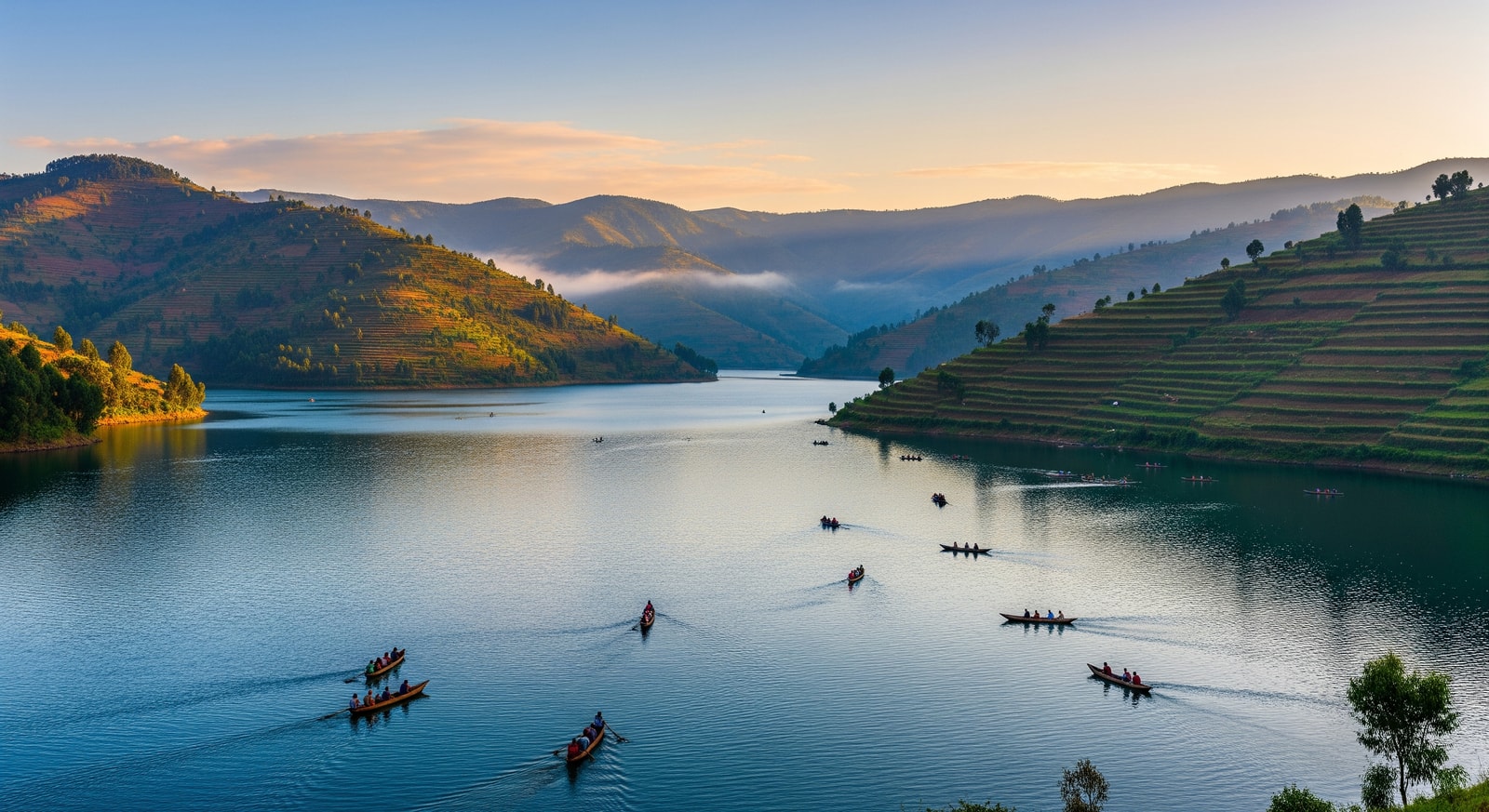
- Days 5: Drive to Lake Bunyonyi for relaxation, scenic paddling on the beautiful lake
- Day 6: Return to Entebbe, evening flight to Nairobi
- Days 7-9: Masai Mara for Great Migration, river crossings, Big Five, Maasai village visit
- Day 10: Morning game drive, fly to Nairobi, depart
Common Myths About the East Africa Visa
Misinformation about the East Africa Tourist Visa circulates widely online, causing confusion for travelers. Let's address the most common misconceptions with accurate, up-to-date information to help you plan with confidence.
You can enter through any of the three countries regardless of which country issued your visa
This is completely false and one of the most dangerous misconceptions. You MUST enter East Africa through the country that issued your visa first. If you apply through Uganda's e-visa portal and receive your East Africa Tourist Visa from Uganda, your first entry point must be a Ugandan border—typically Entebbe International Airport. Attempting to enter Kenya or Rwanda first will result in denied entry, and you'll either need to purchase a single-country visa on the spot or miss your flights. Plan your itinerary around this requirement from the start.
Tanzania is included in the East Africa Tourist Visa
Tanzania is NOT part of the East Africa Tourist Visa scheme, despite being geographically in East Africa and a popular safari destination bordering both Kenya and Uganda. If your travel plans include Tanzania—whether for the Serengeti, Kilimanjaro, or Zanzibar—you must obtain a separate Tanzanian visa in addition to the East Africa Tourist Visa. Tanzania has occasionally discussed joining the scheme but has not yet done so as of 2026. Budget an additional $50 for a Tanzania e-visa if needed.
The East Africa Visa can be obtained on arrival at the airport
Unlike single-country visas which may sometimes be available on arrival (though increasingly discouraged), the East Africa Tourist Visa must be applied for online before travel. There is no visa-on-arrival option for this multi-country permit. The application process requires 3-7 business days for processing, so plan accordingly. Arriving at any East African airport hoping to obtain an East Africa Tourist Visa on the spot will result in either being turned away or having to purchase a single-country visa instead, losing the multi-country benefits.
Border Crossing Tips and Procedures
One of the greatest benefits of the East Africa Tourist Visa is seamless movement between Uganda, Rwanda, and Kenya. However, understanding border procedures helps ensure smooth crossings. Each border has its own characteristics, and being prepared makes the experience hassle-free.
Uganda-Rwanda Borders
The most commonly used Uganda-Rwanda border crossings for tourists are Katuna/Gatuna (between Kabale and Kigali) and Cyanika (near Mgahinga, convenient for Volcanoes NP). Both borders operate 24 hours but are busiest during daylight. Processing typically takes 30-60 minutes depending on queues. Have your passport, printed East Africa Tourist Visa, and yellow fever certificate ready. Officials may ask about your travel plans—having confirmed accommodation in Rwanda helps. Note that plastic bags are banned in Rwanda; officials at the border may confiscate them, so remove any from your luggage beforehand.
Uganda-Kenya Border
The Busia and Malaba borders connect Uganda and Kenya by land, though most tourists fly between Entebbe and Nairobi. If driving, expect 45-90 minutes for processing. The border can be busy with commercial traffic. Ensure your East Africa Tourist Visa is clearly visible, and keep all travel documents accessible. Kenya's immigration may ask about your accommodation and return travel plans.
Rwanda-Kenya Connection
There's no direct land border between Rwanda and Kenya; they're separated by Uganda and Tanzania. If traveling between Rwanda and Kenya without transiting Uganda, you'll need to fly (Kigali-Nairobi flights take approximately 1.5 hours). Your East Africa Tourist Visa remains valid for this transit. If routing through Uganda by land, you'll cross two borders, but the process remains straightforward with your multi-country visa.
- Always carry printed copies of your East Africa Tourist Visa at all borders
- Keep your yellow fever certificate easily accessible—it's checked at every crossing
- Have accommodation confirmations for your next destination ready to show if asked
- Remove all plastic bags before entering Rwanda (strict nationwide ban)
- Allow extra time during morning rush hours and weekends
- Keep small USD bills for incidentals; local currencies change at each border
- Vehicle documentation must be in order if self-driving
- Be patient and polite—immigration officers are thorough but professional
Gorilla Trekking Essentials
Gorilla trekking in Bwindi Impenetrable National Park is likely the highlight of your East African journey and requires specific preparation. Understanding what to expect, what to bring, and how to maximize this once-in-a-lifetime experience ensures your encounter with mountain gorillas exceeds expectations.
Booking Gorilla Permits
Uganda Wildlife Authority (UWA) manages all gorilla permits in Uganda. The $700 permit fee includes park entry and the trekking experience with a habituated gorilla family for up to one hour. Only 8 visitors are allowed per gorilla family per day, creating high demand. During peak season (June-September, December-February), permits sell out 3-6 months in advance. Book directly through UWA or through licensed tour operators who can secure permits on your behalf.
Bwindi contains four trekking sectors: Buhoma (northern, most accessible, most established), Ruhija (eastern, higher altitude, dramatic landscape), Rushaga (southern, multiple families, growing in popularity), and Nkuringo (southwestern, steep terrain, fewer crowds). Each sector has different gorilla families with varying group compositions and trek difficulties. Research which sector and family interests you most, but remain flexible as availability dictates options.
The Trekking Experience
Treks depart at 8 AM following a briefing at your sector's headquarters. Armed rangers and experienced trackers lead groups into the forest, following trails and communication from advance trackers who locate the gorillas each morning. Trek duration varies dramatically—anywhere from 30 minutes to 8+ hours depending on gorilla movements. Average treks last 2-4 hours each way. The terrain is challenging: steep hillsides, dense vegetation, muddy trails, and altitudes up to 2,607 meters. Reasonable fitness is essential, though porters can be hired (highly recommended, both for assistance and for local employment).
Upon reaching the gorillas, you'll spend exactly one hour with the family at a minimum distance of 7 meters. This hour passes incredibly quickly as you watch silverbacks display, mothers nurse infants, juveniles play, and the family goes about its daily routine. Flash photography is prohibited, but cameras are essential—bring one with good low-light capability as the forest canopy creates dim conditions. The experience is profoundly emotional for most visitors; many describe it as life-changing.
- Sturdy, waterproof hiking boots with good ankle support (essential)
- Long trousers and long-sleeved shirt (protection from vegetation and insects)
- Gardening gloves (for grabbing vegetation while climbing)
- Rain jacket and waterproof backpack cover (rain is common)
- Layered clothing (mornings are cool at altitude)
- Wide-brimmed hat and sunscreen for exposed sections
- At least 2 liters of water and energy snacks
- Camera with good zoom and low-light capability (no flash allowed)
- Insect repellent (apply before the trek)
- Cash for porter tip ($10-20 USD recommended)
- Valid permit printout and passport
Health and Safety Considerations
Traveling through East Africa requires attention to health preparations. The region presents certain health risks that are easily mitigated with proper precautions. Consult a travel health clinic 4-6 weeks before departure for personalized advice and vaccinations.
Required and Recommended Vaccinations
- Yellow Fever (REQUIRED): Mandatory for entry to all three countries. Must be administered at least 10 days before arrival. The international certificate is checked at every entry point.
- Hepatitis A: Highly recommended. Transmitted through contaminated food and water.
- Typhoid: Recommended for most travelers. Common in areas with limited sanitation.
- Tetanus/Diphtheria: Ensure your routine vaccination is current.
- Hepatitis B: Recommended if exposure to blood or bodily fluids is possible.
- Rabies: Consider if planning extensive wildlife interaction or rural travel.
- Meningitis: May be recommended depending on travel season and activities.
- COVID-19: Check current entry requirements for each country; policies vary and change.
Malaria Prevention
Malaria is present throughout Uganda, Rwanda, and Kenya at elevations below 2,500 meters. This includes all major safari areas and many cities. Prophylactic medication is strongly recommended—options include Malarone (atovaquone-proguanil), Doxycycline, or Lariam (mefloquine). Consult your doctor about which is appropriate for you. Beyond medication, prevent mosquito bites by using DEET-based repellent, wearing long sleeves and trousers in evenings, sleeping under treated mosquito nets, and staying in accommodations with screens. Symptoms of malaria (fever, chills, flu-like illness) can appear up to several weeks after travel—seek medical attention immediately if they develop.
Gorilla Trekking Health Rules
Mountain gorillas share approximately 98% of human DNA, making them susceptible to human diseases. Strict health protocols protect both gorillas and visitors. You cannot trek if showing any symptoms of illness, including colds, flu, coughs, or gastrointestinal issues. If you're unwell on your trekking day, your permit will be rescheduled if possible, but no refunds are given—this is why travel insurance is essential. The 7-meter minimum distance from gorillas is strictly enforced. If a gorilla approaches you (which happens occasionally), slowly crouch down and avoid eye contact. Always cover your mouth and nose if you need to cough or sneeze in the gorillas' presence.
Travel Insurance is Essential
Comprehensive travel insurance covering emergency medical evacuation is strongly recommended for East Africa travel. Gorilla trekking occurs in remote areas where medical facilities are limited. Safari activities carry inherent risks. Ensure your policy covers adventure activities, emergency evacuation (including helicopter rescue from remote locations), and trip cancellation/interruption including for illness on gorilla trekking day. Many policies exclude coverage over certain altitudes—verify your Bwindi trek elevations are covered.
Best Time to Visit
East Africa straddles the equator, giving it a relatively consistent climate year-round but with distinct dry and wet seasons that significantly impact travel experiences. Understanding seasonal patterns helps you time your visit for optimal wildlife viewing, comfortable trekking conditions, or budget-friendly travel.
Best Times for Key Activities
| Activity | Best Months | Notes |
|---|---|---|
| Gorilla Trekking (Uganda) | Jun-Sep, Dec-Feb | Dry seasons mean easier trails, but gorillas can be tracked year-round |
| Gorilla Trekking (Rwanda) | Jun-Sep, Dec-Feb | Similar to Uganda; Volcanoes NP has shorter treks generally |
| Chimpanzee Tracking | Jul-Sep, Dec-Feb | Dry months offer better tracking conditions |
| Great Migration (Kenya) | Jul-Oct | River crossings peak Aug-Sep; book 6-12 months ahead |
| General Safari (all countries) | Jun-Oct | Dry season concentrates wildlife at water sources |
| Budget Travel | Mar-May, Nov | Wet season offers lower prices, fewer crowds |
| Bird Watching | Nov-Apr | Migratory birds present; lush landscapes |
Dry Seasons (June-September, December-February): The most popular time for safari and trekking. Game viewing is excellent as animals gather at diminishing water sources. Gorilla trekking is more comfortable with drier trails and less mud. However, these are peak tourist seasons with higher prices and advance booking essential for accommodations and permits.
Wet Seasons (March-May, October-November): The long rains (March-May) and short rains (October-November) bring fewer tourists, lower prices, and lush green landscapes perfect for photography. Gorilla trekking continues year-round—permits may be more available, though trails are muddier. Some remote roads become challenging. Bird watching is exceptional as migratory species arrive.
Shoulder Periods: Early June and late February often offer the best balance—good weather, slightly fewer crowds than peak season, and reasonable availability.
Frequently Asked Questions
How much does the East Africa Tourist Visa cost when applying through Uganda?
How long does the East Africa Tourist Visa processing take through Uganda?
Can I enter Kenya or Rwanda first if I applied through Uganda?
Is Tanzania included in the East Africa Tourist Visa?
How long can I stay in East Africa with this visa?
Do I need a yellow fever vaccination for the East Africa Tourist Visa?
How far in advance should I book gorilla trekking permits?
Can I use the East Africa Tourist Visa for business travel?
What happens if my gorilla trekking permit dates change after I get my visa?
Is the East Africa Tourist Visa valid for land border crossings?
How does gorilla trekking in Uganda compare to Rwanda?
Can children go gorilla trekking?
What if my East Africa Tourist Visa application is denied?
Do I need a separate visa for each country under the East Africa Tourist Visa?
Travel Tips for Your East Africa Adventure
Maximizing your East African experience requires practical preparation beyond visa paperwork. These insider tips, gathered from years of helping travelers explore Uganda, Rwanda, and Kenya, will help ensure your adventure runs smoothly from arrival to departure.
- Carry USD in small denominations: US dollars are widely accepted for tourist services, permits, and tips. Bring clean, undamaged bills newer than 2006. $1, $5, $10, and $20 notes are most useful. Larger bills can be difficult to change in remote areas.
- Download offline maps: Mobile data can be unreliable outside major cities. Download offline Google Maps or Maps.me for your travel areas before leaving home or your hotel WiFi.
- Pack layers for all climates: Temperatures vary dramatically—hot and humid in low-lying areas, cool to cold in highlands and during gorilla treks. Mornings on safari can be surprisingly cold. Pack versatile layers rather than bulky items.
- Hire porters for gorilla trekking: The $15-20 USD porter fee supports local communities and saves your energy. Porters carry your daypack and help on steep, slippery trails. This is money well spent regardless of fitness level.
- Protect electronics from dust: Safari vehicles kick up significant dust on unpaved roads. Keep cameras in sealed bags when not in use, and bring cleaning supplies for lenses.
- Respect the photography rules: Flash is prohibited around gorillas and chimps. Drone use is heavily restricted or banned in national parks. Ask permission before photographing local people—a small tip may be expected.
- Budget for tips: Tipping is customary in East Africa. Budget approximately $10-20/day for safari guides, $10-15/day for camp staff, $20 for gorilla trackers, and similar amounts for other service providers.
- Keep documents accessible but secure: You'll need to show your passport and visa multiple times. Keep them in an easily accessible but secure location. Carry photocopies separately from originals.
- Stay flexible: Wildlife doesn't operate on schedules. Flight delays happen. Roads flood. Build buffer days into your itinerary for unexpected events—they often lead to the best adventures.
- Book through reputable operators: For safari, gorilla permits, and inter-country logistics, working with established, licensed operators ensures reliability and support if issues arise.
Currency Tips for Three Countries
Each country uses different currency: Uganda (Ugandan Shilling - UGX), Rwanda (Rwandan Franc - RWF), Kenya (Kenyan Shilling - KES). Rather than exchanging multiple currencies, carry USD for tourist services and exchange small amounts of local currency at borders for incidentals. ATMs are available in major cities but unreliable in rural areas. Visa/Mastercard work at upmarket establishments; always carry cash as backup.

Ready to Explore East Africa?
Start Your East African Adventure Today
The East Africa Tourist Visa represents one of Africa's most traveler-friendly innovations, opening doors to three extraordinary nations with a single application. By applying through Uganda, you position yourself to begin your journey in the primate capital of the world—where half the planet's mountain gorillas await in the misty forests of Bwindi, where chimpanzees swing through Kibale's canopy, and where the thundering waters of Murchison Falls showcase nature's raw power.
From Uganda's incredible biodiversity, your adventure can seamlessly continue to Rwanda's thousand hills and volcanic landscapes, then on to Kenya's legendary savannas where the Great Migration unfolds against Kilimanjaro's distant peak. The East Africa Tourist Visa makes this multi-country journey not just possible, but practical and affordable—saving you money, paperwork, and border hassles while maximizing your time with wildlife.
Whether you're tracking gorillas through dense bamboo forests, watching a pride of lions wake at dawn in the Masai Mara, crossing borders freely between nations, or simply marveling at landscapes that inspired generations of explorers, the East Africa Tourist Visa is your key to one of Earth's most remarkable regions. Apply today, and prepare for an adventure that will stay with you for a lifetime. The Pearl of Africa—and its neighbors—await.



Comments(12)
Leave a Comment
Just completed a 3-week trip using the East Africa Visa applied through Uganda. Started with gorillas in Bwindi (absolutely incredible!), then chimps in Kibale, crossed to Rwanda for Volcanoes NP, and finished in Kenya's Masai Mara. The visa worked perfectly at every border crossing. Best trip of my entire life!
Can I apply for the East Africa Visa through Uganda if I plan to spend most of my time in Kenya? I want to do the Masai Mara first, then head to Uganda for gorillas.
The gorilla trekking in Bwindi was beyond words. We had a 4-hour trek through the forest and spent an hour with the Mubare family. Watching a silverback interact with the babies is something I'll never forget. Definitely worth the $700 permit!
Important tip from my experience: book your gorilla permits BEFORE applying for the visa! I almost missed out on my preferred dates because I waited. Peak season permits sell out 4-6 months in advance.
Does the East Africa Visa include Tanzania? We're planning Serengeti and Bwindi on the same trip.
The tree-climbing lions in Ishasha were amazing! Queen Elizabeth National Park doesn't get enough attention compared to Kenya's parks, but the diversity is incredible. We saw lions in trees, hippos by the hundreds on the Kazinga Channel boat cruise, and elephants everywhere.
How difficult is the gorilla trekking physically? I'm reasonably fit but in my 60s and a bit worried about the terrain.
Pro tip: Bring gardening gloves for gorilla trekking! You'll be grabbing onto vegetation to climb steep muddy sections, and the gloves protect your hands while giving you better grip. Also wear gaiters if you have them - the forest floor can be muddy and full of ants.
Is it possible to do both gorilla trekking in Uganda AND Rwanda on the same trip with this visa?
Kibale Forest for chimps was the surprise highlight of our trip! We spent 3 hours with a chimp family - watching them hunt, play, and groom each other. The guide's knowledge was incredible. Don't skip the chimps just to focus on gorillas!
What's the best way to get from Bwindi to Masai Mara? Is there a direct flight?
We saved $1,600 as a couple by doing gorilla trekking in Uganda instead of Rwanda! That money paid for our entire Masai Mara extension. Uganda's gorilla experience is just as incredible, and Bwindi's forest is absolutely magical. Don't let anyone tell you Rwanda is 'better' - it's just more expensive.