
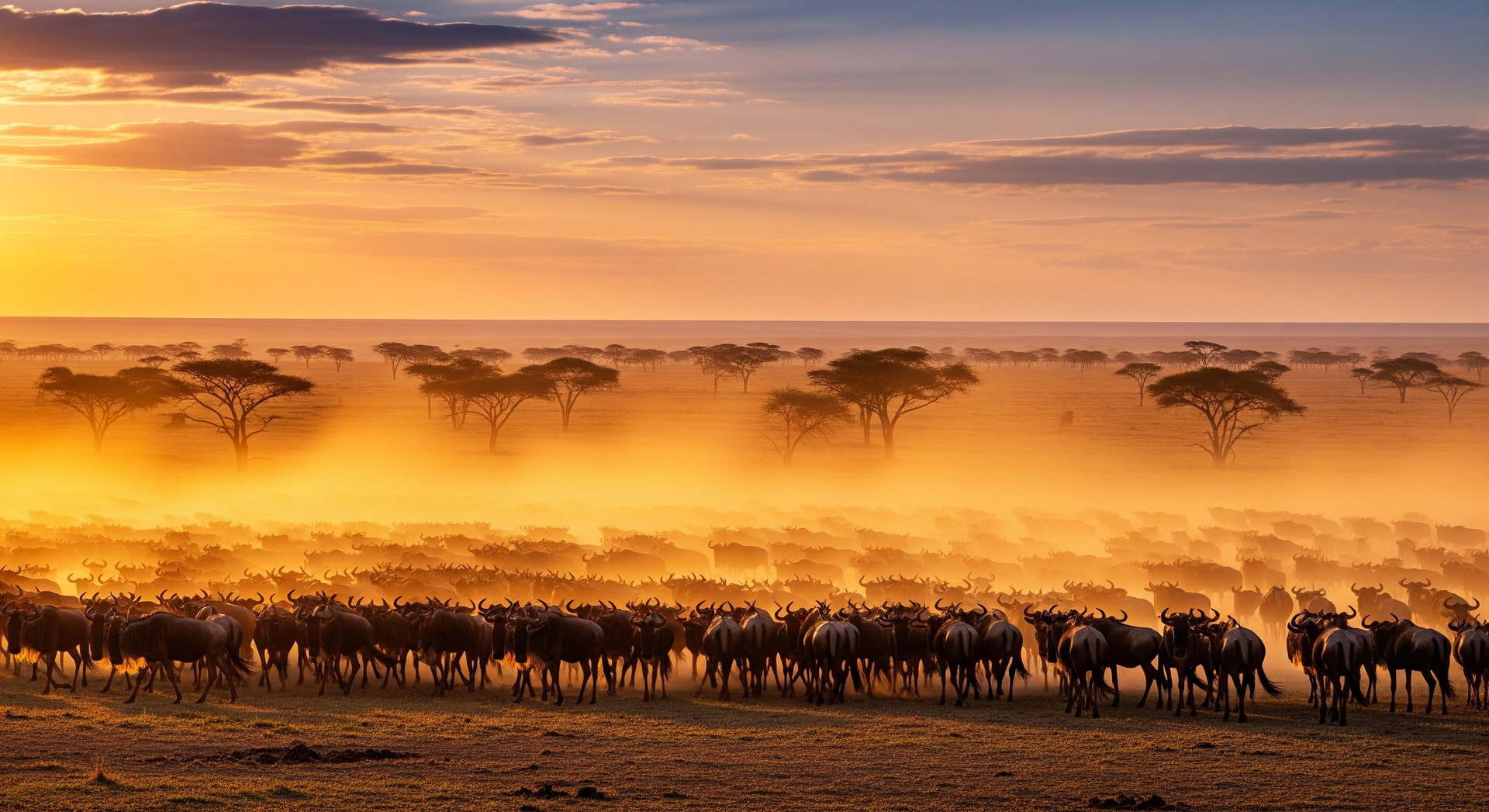
Tanzania stands as one of the most awe-inspiring destinations on Earth, home to the legendary Serengeti National Park, the snow-capped summit of Mount Kilimanjaro, the pristine beaches of Zanzibar, and the breathtaking Ngorongoro Crater. From witnessing millions of wildebeest thundering across endless plains during the Great Migration to tracking the Big Five in their natural habitat, Tanzania delivers wildlife experiences that define the very essence of African adventure. The country's remarkable biodiversity, ancient cultures, and stunning landscapes have captivated explorers, naturalists, and travelers for centuries.
To visit this extraordinary East African nation, most international travelers need a Tanzania e-Visa, an electronic travel authorization that can be obtained entirely online before departure. The Tanzania e-Visa system has revolutionized the visa process, eliminating the need to visit an embassy, mail your passport, or wait in lengthy queues. This digital system allows you to apply from anywhere in the world, track your application status, and receive your visa electronically, often within just a few business days.
This comprehensive guide covers everything you need to know about the Tanzania e-Visa in 2026, including eligibility requirements, the detailed step-by-step application process, required documents, fees, processing times, and essential travel tips for making the most of your Tanzanian adventure. Whether you're planning a classic Serengeti safari, summiting Africa's highest peak, exploring the spice-scented streets of Stone Town, or simply relaxing on Zanzibar's powder-white beaches, this guide will help you navigate the visa process smoothly and efficiently.
What is the Tanzania e-Visa?
The Tanzania e-Visa is an electronic travel authorization that allows eligible foreign nationals to enter the United Republic of Tanzania for tourism, business, or other approved purposes. Introduced to modernize Tanzania's immigration system and enhance the visitor experience, the e-Visa has made visiting this remarkable country more accessible than ever before. The entire application process is completed online through the official Tanzania Immigration Services portal, eliminating the need for embassy visits, passport mailing, or complex paperwork submissions.
Once approved, your Tanzania e-Visa is electronically linked to your passport and sent to you via email as a PDF document. You must print this document and present it along with your valid passport upon arrival at any Tanzanian port of entry, including Julius Nyerere International Airport in Dar es Salaam, Kilimanjaro International Airport, Abeid Amani Karume International Airport in Zanzibar, and various land border crossings. Immigration officers will verify your e-Visa, check your documents, and stamp your passport, granting you entry to explore Tanzania's incredible wonders.
The e-Visa system has significantly improved the travel experience for visitors to Tanzania. Before its introduction, travelers often faced uncertain processing times at embassies, the inconvenience of being separated from their passports, and sometimes lengthy wait times at arrival airports. Now, with the Tanzania e-Visa, you can apply from the comfort of your home, receive real-time updates on your application status, and arrive with confidence knowing your authorization is already confirmed. This efficiency has contributed to Tanzania's growing reputation as a world-class safari and adventure destination.
It's important to understand that while the e-Visa simplifies the application process, it doesn't guarantee entry to Tanzania. Immigration officers at the port of entry retain the authority to ask questions about your visit, verify your travel documents, and ensure you meet all entry requirements. Having your accommodation details, return flight information, proof of sufficient funds, and vaccination certificates readily available can help ensure a smooth and hassle-free entry process.
Tanzania e-Visa at a Glance
Validity: Up to 90 days from issue date
Duration of stay: Up to 90 days (single entry) or multiple entries
Entry type: Single entry or multiple entry available
Processing time: 3-10 business days
Application: 100% online process
Delivery: Sent via email as PDF
Covers: Mainland Tanzania and Zanzibar

Tanzania
Capital: Dodoma
Currency: Tanzanian Shilling (TZS)
Language: Swahili, English
Timezone: UTC+3 (East Africa Time)
Processing: 3-10 business days
Quick Facts
- Population: 65 million
- Home to Mount Kilimanjaro
- Best safari: June-October
- Power: 230V, Type D/G plugs
- Country code: +255
- Emergency: 112 or 114
Who Can Apply for a Tanzania e-Visa?
The Tanzania e-Visa is available to citizens of most countries around the world, reflecting Tanzania's commitment to welcoming international visitors and supporting its vital tourism industry. The country has established a straightforward online visa system that caters to the vast majority of travelers planning to experience its world-renowned safari destinations, stunning coastline, and rich cultural heritage. However, it's essential to verify your eligibility before applying, as specific requirements may vary based on your nationality.
Citizens of some East African Community (EAC) member states, including Kenya, Uganda, Rwanda, Burundi, and South Sudan, enjoy special visa arrangements with Tanzania, often including visa-free access or simplified entry procedures. Additionally, nationals of certain other countries may have specific bilateral agreements that affect their visa requirements. For most other nationalities, including citizens of the United States, Canada, United Kingdom, European Union countries, Australia, China, India, and many other nations, the e-Visa is the standard method for obtaining travel authorization to Tanzania.
Tanzania also offers different visa categories based on nationality, with some countries classified as "referral visa" nationalities requiring additional processing. These applications go through extra security screening and may take longer to process. If you're from a referral country, plan to apply well in advance of your travel date and be prepared for extended processing times. The online system will indicate your specific requirements based on the nationality you select during the application process.
- US citizens: e-Visa required for tourism, business, and transit - standard processing
- UK citizens: e-Visa required - eligible for single or multiple entry visas
- EU citizens: e-Visa required for most EU nationalities - straightforward process
- Canadian citizens: e-Visa required for all visit purposes
- Australian citizens: e-Visa required prior to travel
- Chinese citizens: e-Visa required - may require referral processing
- Indian citizens: e-Visa required - standard tourist visa available
- EAC citizens: Special arrangements apply (Kenya, Uganda, Rwanda, Burundi, South Sudan)
- Some African nations: Visa-free or visa-on-arrival may apply for specific nationalities
Check Your Eligibility Before Booking Flights
Before purchasing non-refundable flights or booking expensive safari packages, verify your nationality's specific visa requirements through the official Tanzania Immigration website or DoVisa. Requirements can change, and some nationalities face longer processing times. Knowing your requirements in advance helps you plan your trip with confidence.
I can get a Tanzania visa on arrival at Kilimanjaro Airport without applying online beforehand
While Tanzania historically offered visa-on-arrival, the government strongly encourages all travelers to apply for an e-Visa before departure to avoid potential delays and complications at the airport. During peak season, airport processing can be extremely slow with long queues. Pre-approved e-Visa holders enjoy significantly faster immigration clearance. Always apply online in advance for the smoothest experience.
Types of Tanzania e-Visas
Tanzania offers several types of e-Visas depending on your purpose of visit and travel needs. Understanding which visa type best suits your trip is crucial for a successful application, as applying for the incorrect category could lead to delays, rejection, or complications during your journey. Most safari travelers and tourists will apply for the Ordinary Single Entry Visa, which covers the vast majority of leisure travel to Tanzania including visits to the Serengeti, Kilimanjaro climbs, and Zanzibar beach holidays.
Each visa type has specific requirements, validity periods, and documentation needs. While the core application process is similar across categories, the supporting documents you'll need to submit may vary. For instance, business visa applicants typically need invitation letters from Tanzanian companies, while transit visa applicants must provide proof of onward travel. Carefully reviewing the requirements for your chosen visa type before beginning your application will help ensure a smooth process.
It's worth noting that your visa covers both mainland Tanzania and the semi-autonomous archipelago of Zanzibar. You don't need separate authorization to visit Zanzibar if you already have a valid Tanzania e-Visa. Many travelers combine a mainland safari with a Zanzibar beach extension, and the single visa covers your entire trip across both regions.
Tanzania e-Visa Types
| Visa Type | Purpose | Maximum Stay | Fee (USD) | Best For |
|---|---|---|---|---|
| Ordinary Single Entry | Tourism, safari, beach holiday | Up to 90 days | $50 | Most safari travelers |
| Ordinary Multiple Entry | Frequent visits, business/tourism | Up to 90 days per visit | $100 | Multiple trips within validity |
| Business Visa | Conferences, meetings, trade | Up to 90 days | $250 | Business visitors |
| Transit Visa | Passing through Tanzania | Up to 7 days | $30 | Connecting travelers |
| Gratis Visa | Diplomatic/official visits | Varies | Free | Government officials |
| Student Visa | Educational purposes | Duration of study | $50 | Students enrolled in Tanzanian institutions |
Consider the Multiple Entry Visa
If you're planning to combine Tanzania with visits to neighboring countries like Kenya, Rwanda, or Zambia and then return to Tanzania, the multiple entry visa offers flexibility and convenience. It allows you to exit and re-enter Tanzania without needing a new visa each time, making it ideal for regional East African adventures or safari circuits that cross borders.
Tanzania e-Visa Requirements
Before starting your Tanzania e-Visa application, it's essential to gather all required documents to ensure a smooth and efficient process. Having everything prepared before you begin will help you complete the application accurately and quickly. Missing, incorrect, or poor-quality documentation is one of the most common reasons for application delays or rejections, so investing time in proper preparation pays dividends in peace of mind.
All documents must be in English or accompanied by certified English translations. Digital copies should be clear, legible, and in the correct file format as specified by the application portal (typically PDF or JPEG). Pay particular attention to your passport photo requirements, as rejected photos are a frequent cause of application delays. The requirements are straightforward for most tourist applications, and with careful preparation, the process should be simple and stress-free.
Some nationalities may be required to provide additional documentation, including a detailed cover letter explaining the purpose of visit, proof of employment, or evidence of ties to their home country. The online application system will indicate any additional requirements specific to your nationality. If you're applying from a referral country, expect more thorough documentation requirements and longer processing times.
- Valid passport with at least 6 months validity beyond your planned entry date
- At least 2 blank pages in your passport for entry stamps
- Recent passport-style photo (white background, face clearly visible, no glasses)
- Clear scan of your passport bio data page (complete and unobstructed)
- Confirmed accommodation details (hotel booking, safari lodge, or host invitation)
- Return or onward flight ticket confirmation
- Valid email address for application updates and visa delivery
- Credit or debit card for visa fee payment (Visa or Mastercard)
- Detailed travel itinerary including planned destinations and activities
- Yellow fever vaccination certificate (required for all travelers)
- Proof of sufficient funds for your stay (bank statement or credit card)
- Business invitation letter (for business visa applicants)
- Cover letter explaining purpose of visit (recommended for longer stays)
Yellow Fever Vaccination is Mandatory
Tanzania requires a valid Yellow Fever vaccination certificate from ALL travelers aged 1 year and above, regardless of your country of origin. This is one of the strictest yellow fever requirements in Africa. Without a valid certificate, you WILL be denied entry. Get vaccinated at least 10 days before travel for the vaccine to be considered valid. The yellow fever vaccine provides lifetime protection and is documented in the International Certificate of Vaccination (yellow card).
Photo Requirements for Tanzania e-Visa
Your passport photo must meet specific requirements for the Tanzania e-Visa application. A compliant photo helps avoid delays and ensures your application processes smoothly. Many applications are delayed due to non-compliant photos, so pay careful attention to these specifications.
- Size: 2x2 inches (51x51 mm) - standard passport photo size
- Background: Plain white or off-white background only
- Expression: Neutral expression with mouth closed
- Face coverage: Face should occupy 70-80% of the frame
- Recency: Taken within the last 6 months
- Glasses: No glasses, even prescription eyewear
- Head coverings: Only permitted for religious reasons
- Quality: High resolution, well-lit, no shadows on face
How to Apply for a Tanzania e-Visa
The Tanzania e-Visa application process is entirely online and can typically be completed in 30-45 minutes if you have all your documents ready. The official Tanzania Immigration Services portal provides a step-by-step process, but careful attention to detail is essential to avoid errors that could delay your application. Follow these comprehensive steps for a successful application and a stress-free start to your Tanzanian adventure.
We strongly recommend applying at least 3-4 weeks before your intended travel date to allow sufficient time for processing and to address any potential issues that may arise. While many applications are approved within a few business days, others may take longer, particularly during peak safari season (June-October) or if additional verification is required. Applying early gives you peace of mind and flexibility to resolve any concerns before your departure date.
- Create an account: Visit the official Tanzania Immigration e-Visa portal and register with a valid email address. You'll receive a verification email to activate your account. Use an email you check regularly as all correspondence will be sent there.
- Start new application: Log into your account and select 'Apply for New Visa' to begin. Choose the appropriate visa category based on your travel purpose.
- Select visa type: Choose the appropriate visa category - most tourists select 'Ordinary Visa - Single Entry' for safari and tourism purposes. Ensure you select correctly as this affects fees and requirements.
- Complete personal details: Fill in your full name, date of birth, nationality, occupation, and passport information exactly as they appear in your passport. Even minor discrepancies can cause issues at immigration.
- Provide travel information: Enter your intended arrival date, port of entry (airport or border crossing), accommodation address in Tanzania, and expected duration of stay. Include your safari operator or tour company details if applicable.
- Enter contact details: Provide your current address, phone number, email, and emergency contact information. Include details of who to contact in Tanzania if you have a local host or tour operator.
- Upload required documents: Submit clear digital copies of your passport bio page, passport photo, and any additional documents required for your visa type. Ensure all files meet the specified size and format requirements.
- Complete health declaration: Answer mandatory health-related questions honestly and upload your yellow fever vaccination certificate. This is a critical requirement - do not proceed without it.
- Review entire application: Carefully verify all information before submission. Check spellings, dates, passport numbers, and uploaded documents. Any errors discovered after submission may require starting over.
- Pay the visa fee: Complete payment using an international credit or debit card (Visa or Mastercard). Keep your payment confirmation receipt as proof of transaction.
- Submit application: Confirm and submit your application. You'll receive a confirmation email with your application reference number for tracking purposes. Save this reference number securely.
- Track application status: Log into your account regularly to monitor the progress of your application. You'll also receive email notifications about any status changes or requests for additional information.
- Receive approved e-Visa: Once approved, download your e-Visa PDF from the portal. You'll also receive it via email. Print at least two color copies for your travel documents.
- Prepare for travel: Carry your printed e-Visa along with your passport, yellow fever certificate, and other entry documents when traveling to Tanzania.
Apply for Your Tanzania e-Visa Today

Tanzania e-Visa Fees & Processing Time
The Tanzania e-Visa fee varies depending on the type of visa you're applying for and, in some cases, your nationality. Fees are paid online during the application process using international credit or debit cards and are non-refundable, even if your application is denied. It's important to budget for this cost when planning your Tanzania trip. The fee covers the visa processing and administration - no additional embassy fees apply since the entire process is completed online.
Processing times can vary based on several factors including application volume, time of year, nationality, and the completeness of your submission. During peak tourist season (June-October for the Great Migration, December-March for calving season), processing may take longer due to higher application volumes. Submitting a complete application with clear, accurate documentation typically results in faster processing times. Referral nationalities should expect extended processing periods and plan accordingly.
Note that US citizens pay a higher visa fee ($100 for single entry) compared to most other nationalities ($50) due to reciprocity arrangements. This is standard practice based on what Tanzania nationals pay for US visas. The fee structure is clearly displayed during the application process based on your selected nationality.
Tanzania e-Visa Fees & Processing
| Visa Type | Standard Fee | US Citizens | Processing Time | Validity |
|---|---|---|---|---|
| Ordinary Single Entry | $50 | $100 | 3-10 business days | 90 days from issue |
| Ordinary Multiple Entry | $100 | $100 | 5-10 business days | 1 year from issue |
| Business Visa | $250 | $250 | 7-14 business days | 90 days from issue |
| Transit Visa | $30 | $30 | 3-7 business days | 7 days |
| Student Visa | $50 | $100 | 7-14 business days | Duration of study |
Apply with DoVisa for Expert Support
While you can apply directly through the official portal, DoVisa offers a guided application process with professional document verification, application review before submission, and dedicated support if any issues arise. Our visa experts ensure your application is complete and accurate, maximizing your approval chances and saving you time and stress.
Tanzania e-Visa applications are always processed within 24-48 hours
While some applications are approved quickly, standard processing officially takes 3-10 business days, and complex cases or referral nationalities may take longer. During peak travel season, processing times can extend further. Never rely on last-minute approval - always apply at least 3-4 weeks before your planned departure date to avoid travel disruptions.
After Your Tanzania e-Visa is Approved
Once your Tanzania e-Visa is approved, you'll receive an email notification with your approved visa attached as a PDF document. This important document contains your visa details including your full name, passport number, visa type, validity dates, permitted entries, and a QR code for verification at immigration. Take time to carefully review all information and ensure it matches your passport exactly - any discrepancies should be reported to immigration authorities immediately before traveling.
Print at least two color copies of your approved e-Visa to carry with you during travel. While the visa is electronically linked to your passport in Tanzania's immigration system, immigration officers at Tanzanian entry points will request to see a physical copy of your approval letter. Keep one copy in your carry-on luggage for easy access and another with your other important travel documents. Airlines may also verify your e-Visa during check-in, so have it readily accessible at the airport. It's also wise to save a digital copy on your phone and in your email for backup purposes.
Remember that your e-Visa has two important dates: the issue date and the expiry date. You must enter Tanzania before the expiry date on your visa. Once you enter, your permitted stay duration begins from the date of entry, not the visa issue date. The standard tourist visa allows a stay of up to 90 days from your arrival date. Plan your trip accordingly and ensure your return flights are within your permitted stay period.
- Verify all details carefully: Check that your name, passport number, nationality, and dates are correct on the approved e-Visa
- Print multiple color copies: Have at least two printed copies - one in carry-on, one with travel documents
- Save digital backups: Keep copies on your phone, in email, and in cloud storage for easy access
- Note both validity dates: Your e-Visa must be valid on entry; your stay counts from arrival
- Prepare all entry documents: Have yellow fever certificate, accommodation proof, return tickets, and sufficient funds ready
- Organize for arrival: Keep passport, e-Visa, and vaccination certificate together for smooth immigration processing
- Inform your airline: Some carriers require advance notification of visa status for African destinations
Tanzania Ports of Entry
Tanzania has several international airports and land border crossings where you can enter with your e-Visa. Knowing the main entry points helps you plan your arrival logistics and ensure you select the correct port of entry on your visa application. The port of entry you specify on your application should match your actual arrival point, though minor discrepancies are usually not problematic.
- Julius Nyerere International Airport (DAR): Dar es Salaam - Tanzania's largest international gateway, ideal for southern safari circuits and Zanzibar connections
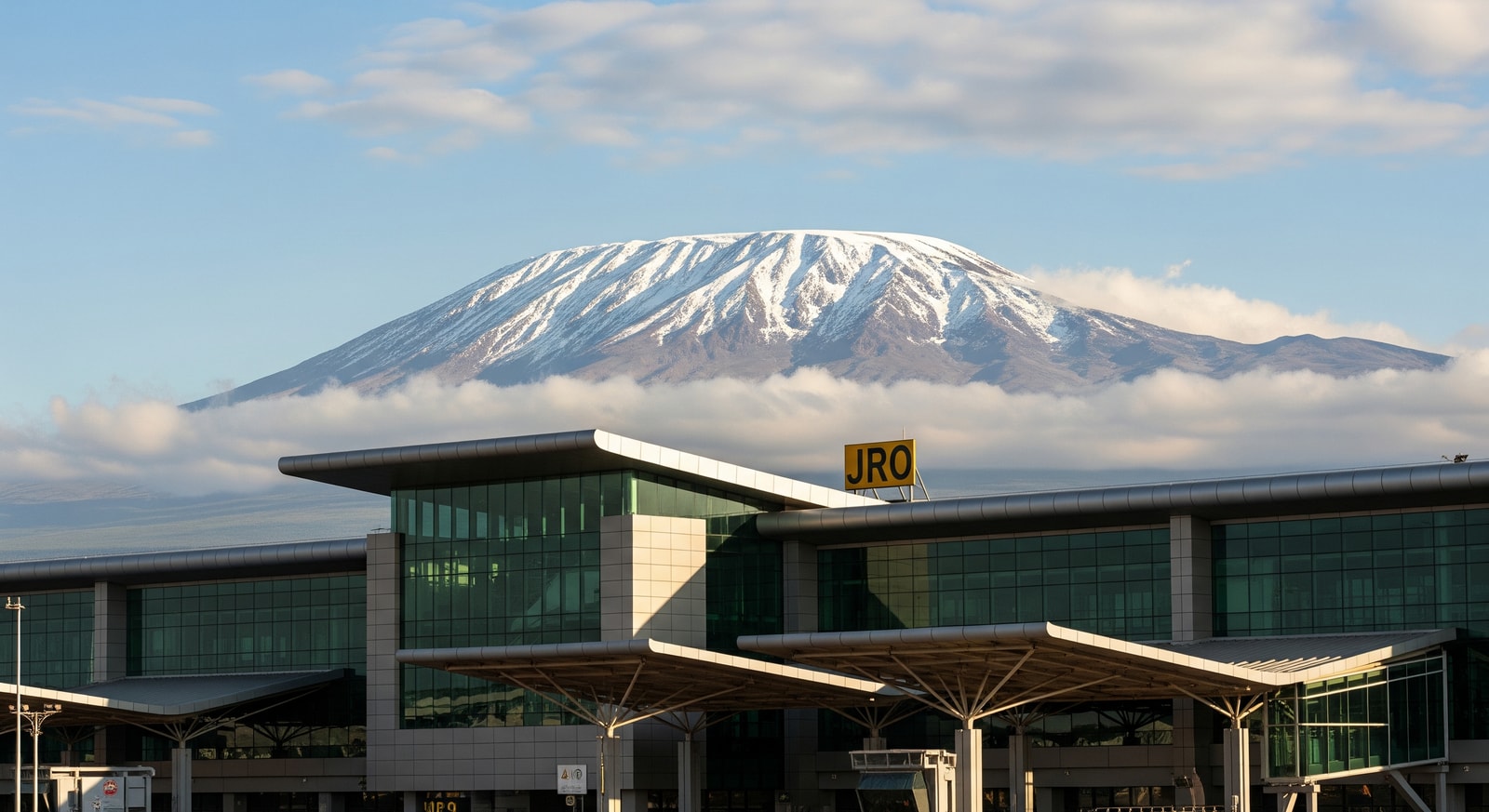
- Kilimanjaro International Airport (JRO): Located between Arusha and Moshi - perfect for Kilimanjaro climbs and northern safari circuit (Serengeti, Ngorongoro)
- Abeid Amani Karume International Airport (ZNZ): Zanzibar - direct access to the spice islands for beach holidays and Stone Town exploration
- Namanga Border: Kenya-Tanzania border - popular overland crossing for travelers combining Kenya and Tanzania safaris
- Tunduma Border: Zambia-Tanzania border - gateway from Southern Africa
- Horohoro Border: Kenya-Tanzania coastal border near Mombasa
- Various lake ports: Entry points on Lake Victoria and Lake Tanganyika for regional travelers
Top Safari Destinations in Tanzania
Tanzania boasts some of the finest wildlife viewing destinations on the planet, each offering unique experiences and unforgettable encounters with African wildlife. The country's national parks and conservation areas protect an extraordinary diversity of ecosystems, from the endless plains of the Serengeti to the lush forests of the Mahale Mountains. Understanding what each destination offers helps you plan a safari that matches your wildlife interests and travel style.
Most first-time visitors focus on the "Northern Circuit," which includes the Serengeti, Ngorongoro Crater, Lake Manyara, and Tarangire - easily accessible from Kilimanjaro International Airport and Arusha. However, Tanzania's lesser-known southern and western parks offer incredible wildlife experiences with fewer crowds for those seeking a more exclusive safari adventure.
Serengeti National Park
The legendary Serengeti National Park is Tanzania's most famous wildlife destination and arguably the greatest wildlife sanctuary on Earth. Spanning over 14,750 square kilometers of pristine savanna, woodland, and riverine forest, the Serengeti is home to the largest concentration of large mammals anywhere in the world. The park's name comes from the Maasai word "siringet," meaning "endless plains" - an apt description of its vast golden grasslands stretching to the horizon.
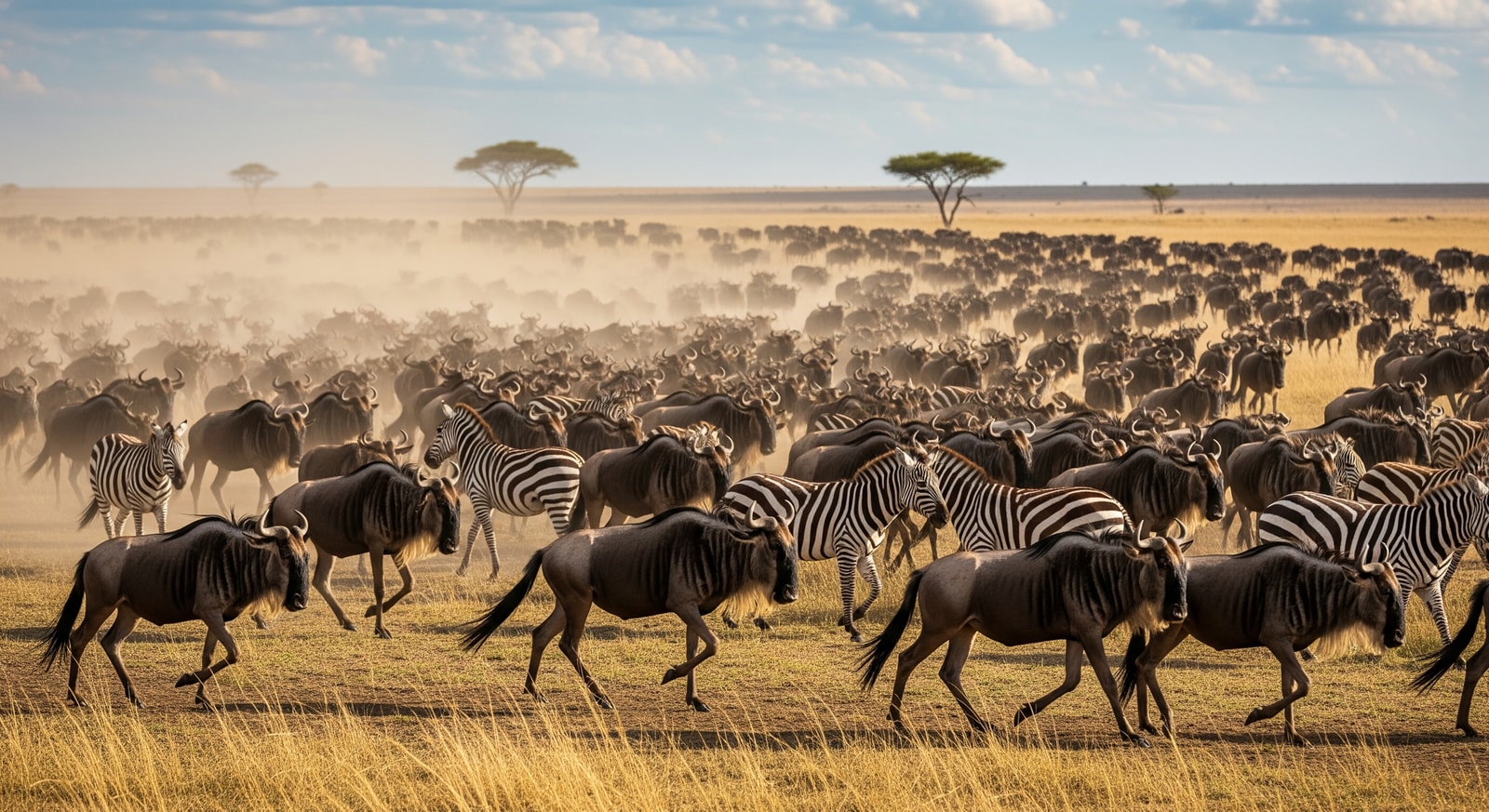
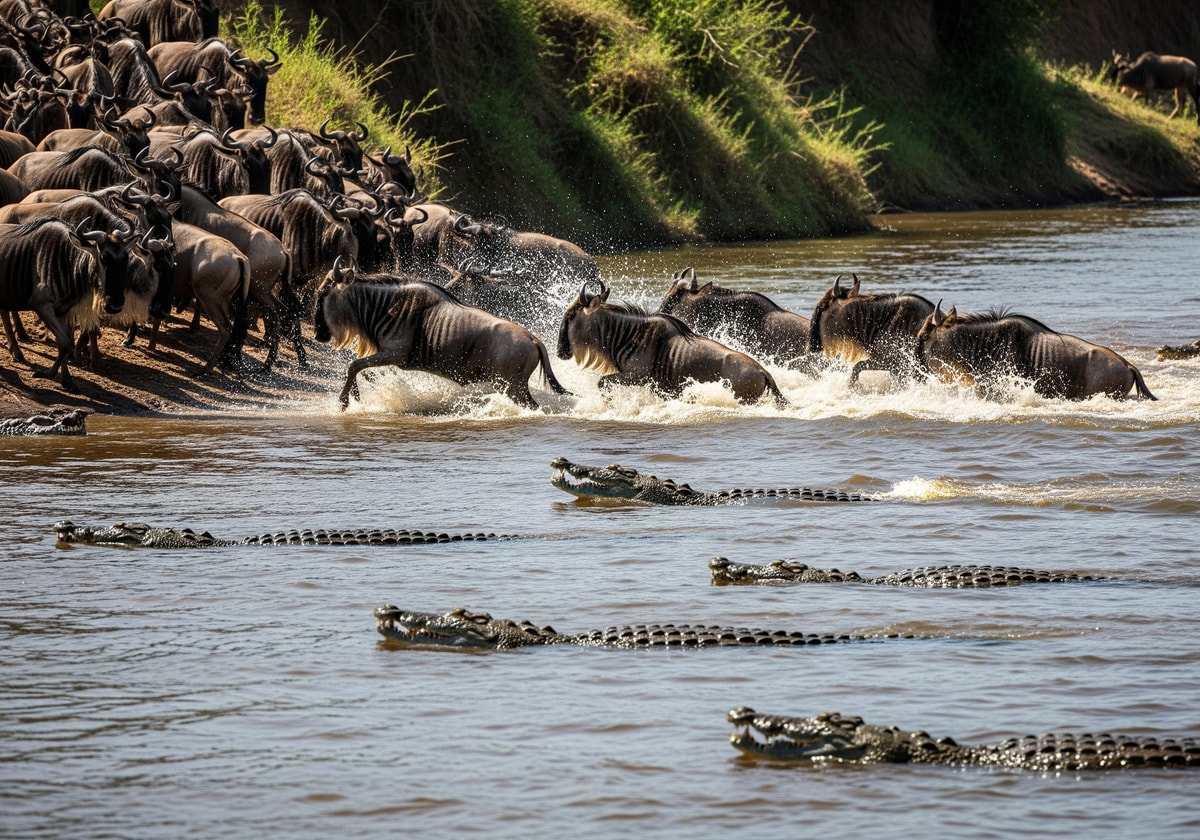
The Serengeti is most famous for hosting the Great Migration, one of nature's most spectacular events. Each year, over 1.5 million wildebeest, 400,000 zebras, and 200,000 gazelles undertake a circular journey through the Serengeti-Mara ecosystem in search of fresh grazing and water. The timing and location of the migration vary throughout the year, with dramatic river crossings typically occurring between July and October. However, the Serengeti offers exceptional wildlife viewing year-round, with resident populations of lions, leopards, elephants, buffalo, and countless other species.
Ngorongoro Crater
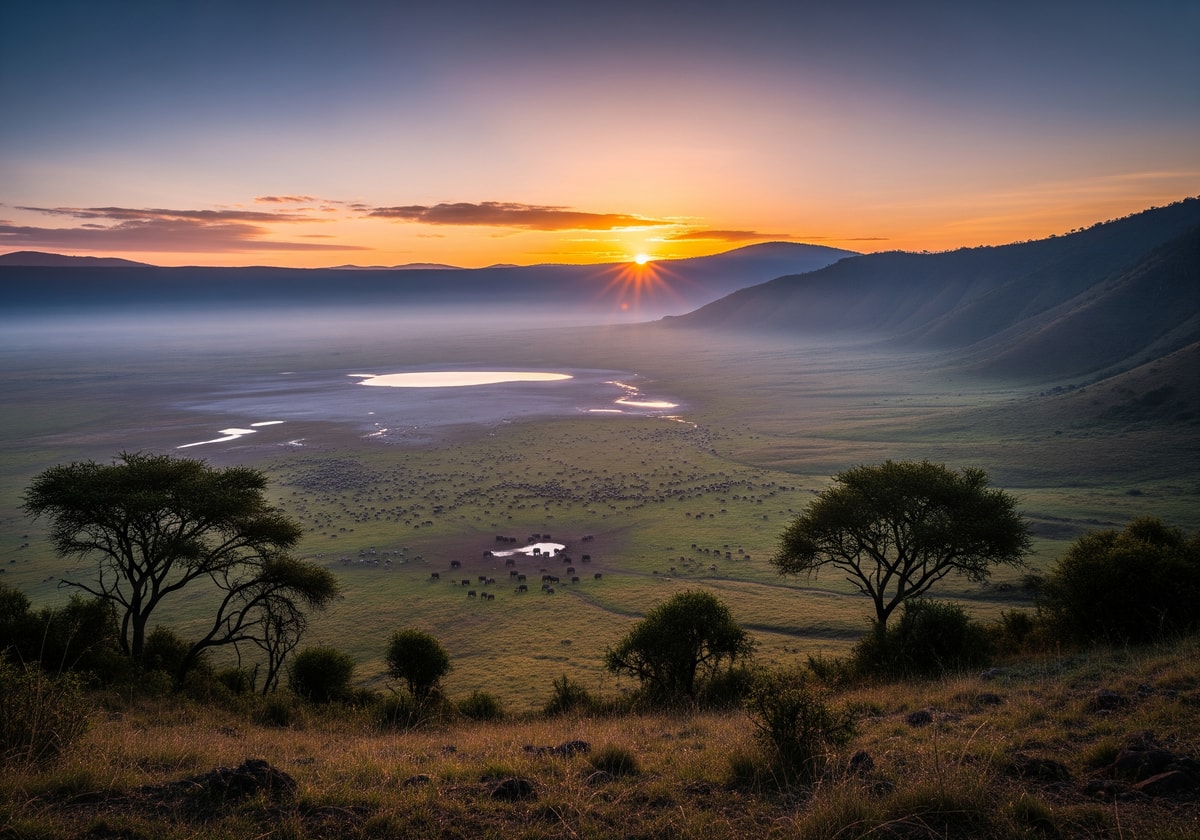
The Ngorongoro Crater is often described as Africa's Garden of Eden - a breathtaking volcanic caldera containing one of the densest concentrations of wildlife on the continent. This UNESCO World Heritage Site spans 260 square kilometers and drops 600 meters from rim to floor, creating a natural enclosure where approximately 25,000 large animals reside permanently. The crater is home to the famous Big Five (lion, leopard, elephant, buffalo, and rhinoceros), with one of Africa's best chances to spot the endangered black rhino.
Beyond its incredible wildlife, the Ngorongoro Conservation Area holds deep cultural significance as the homeland of the Maasai people, who continue their traditional pastoralist lifestyle within its boundaries. The crater's unique ecosystem, ancient human history (nearby Olduvai Gorge is one of the most important paleoanthropological sites in the world), and stunning landscapes make it an essential stop on any Tanzania safari itinerary.
Mount Kilimanjaro
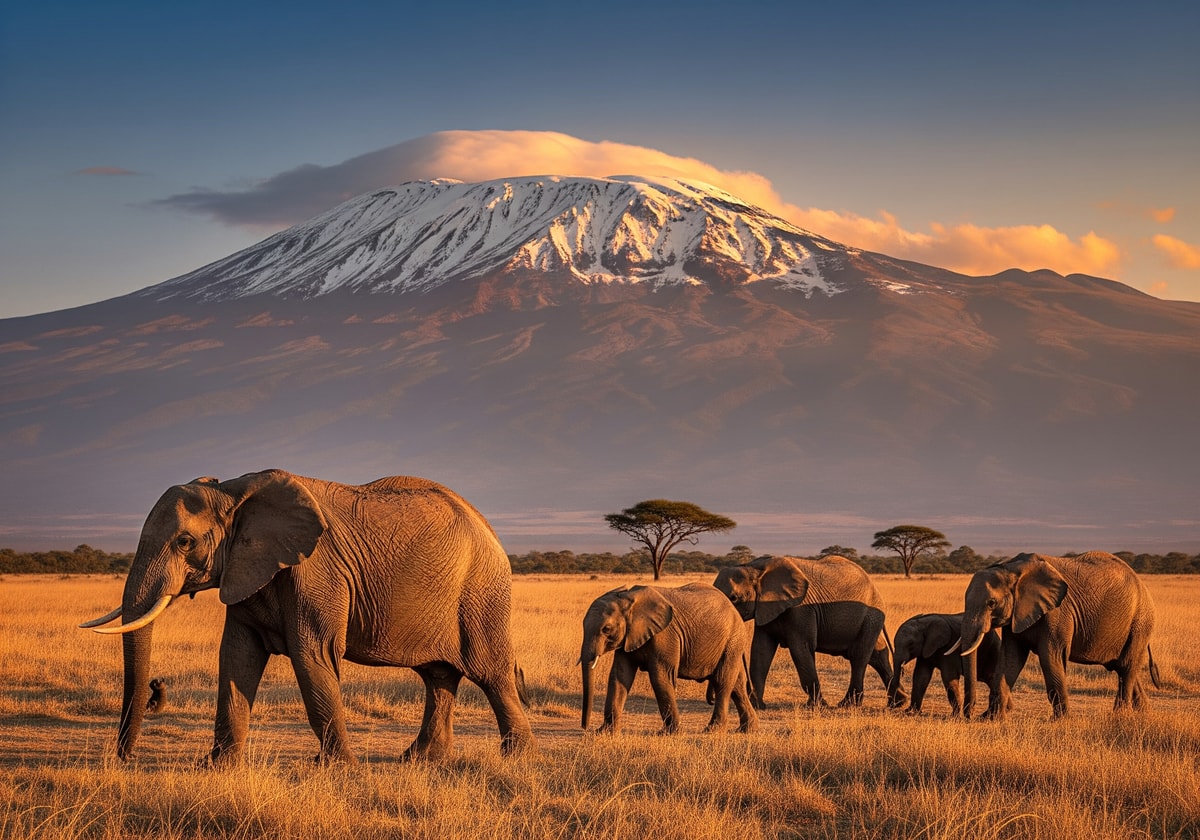
Mount Kilimanjaro stands as Africa's highest peak and the world's tallest free-standing mountain, rising 5,895 meters (19,341 feet) above sea level. This dormant volcano's snow-capped summit is one of the most iconic images in African travel, and summiting "Kili" is a bucket-list achievement for adventurers worldwide. Unlike most mountains of this height, Kilimanjaro requires no technical climbing experience - just determination, proper preparation, and adequate acclimatization time.
The mountain offers several climbing routes, each with different scenery, difficulty levels, and success rates. The Machame Route ("Whiskey Route") and Lemosho Route are popular for their scenic beauty and good acclimatization profiles, while the Marangu Route ("Coca-Cola Route") offers hut accommodation instead of camping. Climbs typically take 5-9 days depending on the route chosen. Many travelers combine a Kilimanjaro climb with a safari or Zanzibar beach stay for the ultimate Tanzanian adventure.

Zanzibar Archipelago
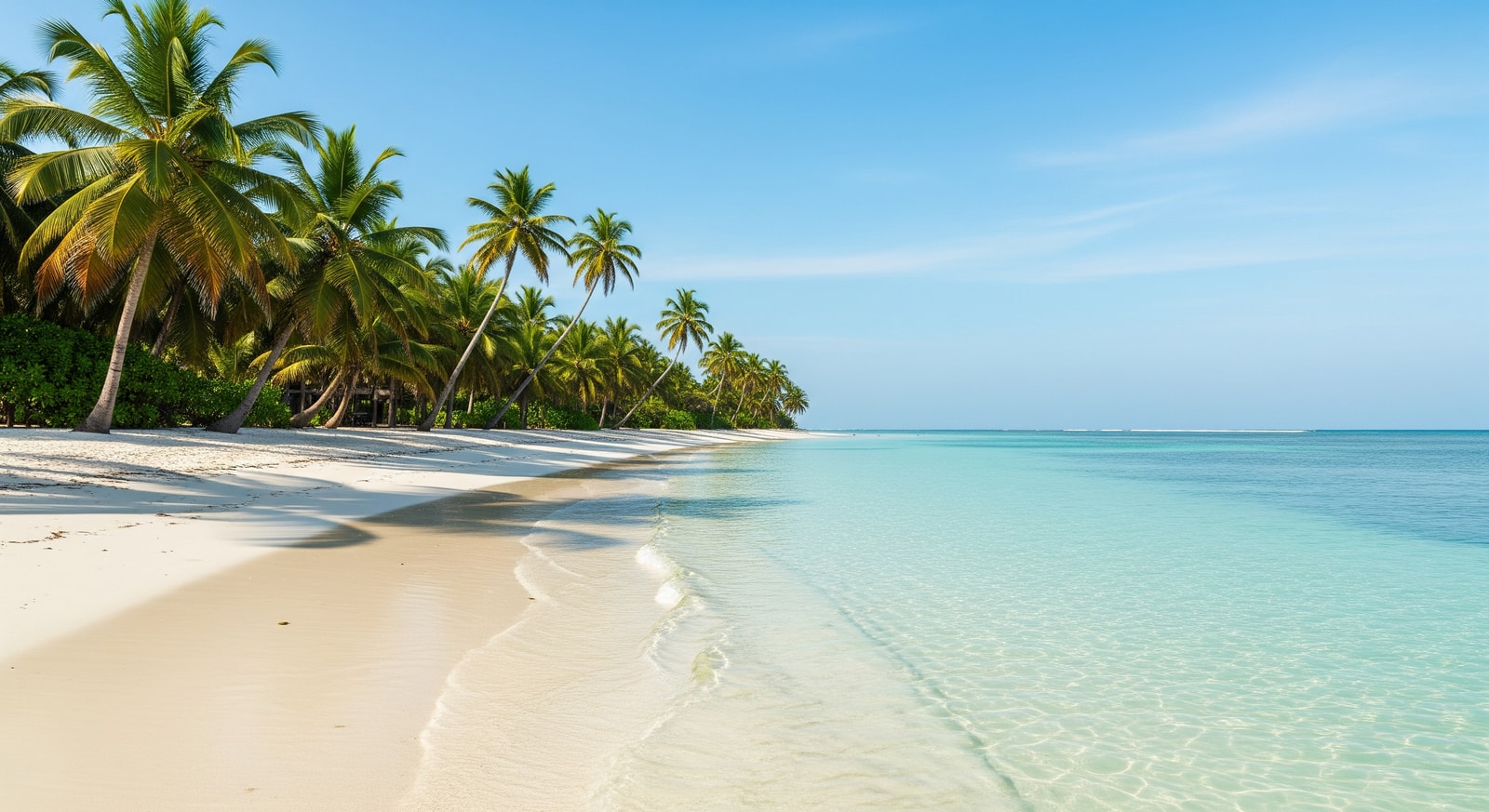
The Zanzibar Archipelago offers the perfect contrast to Tanzania's dusty safari trails - pristine white-sand beaches, crystal-clear turquoise waters, and a rich cultural tapestry woven from African, Arab, Indian, and European influences. Located just 35 kilometers off the mainland coast, Zanzibar (locally known as Unguja) and its smaller neighbor Pemba Island provide world-class beach relaxation, exceptional diving and snorkeling, and fascinating historical exploration.
Stone Town, Zanzibar's UNESCO-listed capital, is a labyrinthine wonder of narrow alleyways, carved wooden doors, bustling bazaars, and historic buildings reflecting centuries of trade and cultural exchange. The island's interior reveals spice plantations where you can discover why Zanzibar earned its title as the "Spice Island" - cinnamon, cloves, nutmeg, and vanilla fill the air with intoxicating aromas. Whether you're seeking pure beach relaxation, underwater adventures, cultural immersion, or romantic seclusion, Zanzibar delivers the perfect post-safari escape.
Other Notable Destinations
- Tarangire National Park: Famous for massive elephant herds (up to 300 in a single herd), ancient baobab trees, and excellent dry-season game viewing. Less crowded than Serengeti.
- Lake Manyara National Park: Compact but diverse, known for tree-climbing lions, flamingo-filled shores, and groundwater forests. Perfect half-day addition to northern circuit.
- Selous Game Reserve: Africa's largest protected area, offering boat safaris, walking safaris, and fly-camping. Southern circuit gem with minimal crowds.
- Ruaha National Park: Tanzania's largest national park with huge elephant populations, diverse predators, and authentic wilderness experience far from mass tourism.
- Mahale Mountains: Remote western Tanzania park famous for chimpanzee trekking on the shores of Lake Tanganyika.
- Katavi National Park: Off-the-beaten-path destination with massive buffalo herds, hippo pools, and pristine wilderness.
Common Mistakes to Avoid
Many Tanzania e-Visa applications encounter delays or complications due to preventable errors. Understanding the most common mistakes helps you avoid them and ensures a smooth application process. Taking your time when completing the application, double-checking all information, and paying careful attention to document upload requirements can save you significant stress and potential travel disruptions.
- Missing yellow fever certificate: This is mandatory for ALL travelers - applications without it will be denied and entry refused
- Incorrect passport details: Name, passport number, and dates must match your passport exactly - any typos can cause rejection or entry problems
- Poor quality document uploads: Blurry passport scans, cropped photos, or illegible documents will delay processing significantly
- Wrong photo specifications: Passport photo must meet requirements - white background, recent, no glasses, face clearly visible
- Applying too late: Last-minute applications risk serious travel disruption if processing takes longer than expected
- Insufficient passport validity: Ensure your passport is valid for at least 6 months beyond your planned entry date
- Mismatched information: All details across documents should be consistent - use the same name format throughout
- Wrong visa type selected: Selecting business visa for tourism or vice versa causes complications and potential rejection
- Missing blank pages: Your passport needs at least 2 blank pages for entry stamps
- Incomplete travel itinerary: Provide realistic accommodation and travel details - vague or incomplete information raises red flags
Beware of Unofficial Visa Websites
Only apply through the official Tanzania Immigration Services portal or trusted services like DoVisa. Many unofficial websites charge excessive fees (sometimes 3-5 times the official cost), may steal personal information, or provide fraudulent visas that won't be recognized at immigration. These scam sites often appear high in search results and look professional. Always verify the website URL carefully before submitting any personal information or payment details.
Travel Tips for Visiting Tanzania
Tanzania offers one of the world's greatest travel experiences, from the awe-inspiring Great Migration to the summit of Kilimanjaro, from the ancient streets of Stone Town to the underwater wonderland of coral reefs. The country's incredible biodiversity, welcoming culture, and well-established tourism infrastructure make it an ideal destination for first-time African travelers and seasoned safari enthusiasts alike. These essential tips will help you make the most of your Tanzanian adventure.
Whether you're watching a leopard stalk through the Serengeti at dawn, sharing stories with Maasai warriors around a campfire, pushing through the final steps to Uhuru Peak, or floating in the warm Indian Ocean off Zanzibar, Tanzania rewards travelers who come prepared and approach the experience with an open heart and curious mind.
- Best time for Great Migration: June-October for river crossings in northern Serengeti. January-March for calving season in southern Serengeti - equally spectacular with newborn wildebeest and increased predator activity.
- Best time for Kilimanjaro: January-March and June-October offer the best climbing conditions. Avoid heavy rain seasons (April-May, November).
- Best time for Zanzibar: June-October and December-February for dry, sunny beach weather. Avoid April-May heavy rains.
- Safari clothing: Neutral colors (khaki, olive, beige) are essential on safari. Avoid white (gets dirty), black (attracts tsetse flies), and bright colors. Layers for cool mornings and hot afternoons.
- Health precautions: Malaria prophylaxis is essential - Tanzania is high-risk. Consult a travel health clinic 6-8 weeks before departure for all recommended vaccinations and medications.
- Currency tips: Tanzanian Shilling (TZS) is local currency, but USD is widely accepted for tourism payments. Bring clean, recent US bills (no tears, post-2006). ATMs available in cities but unreliable in safari areas.
- Safari booking: Book well in advance, especially for peak migration season. Quality safari camps fill up 6-12 months ahead for July-October in the Serengeti.
- Tipping culture: Tipping is customary. Budget $15-25 USD per day for your safari guide, $10-15 for driver, plus camp staff tip box. Kilimanjaro porters typically $50-100 for the full climb.
- Photography ethics: Always ask permission before photographing local people - some may expect a small tip. Never use flash with wildlife.
- Cultural respect: Dress modestly outside beach areas, especially in Zanzibar's Stone Town. Learn basic Swahili - 'Jambo' (hello), 'Asante sana' (thank you very much), 'Hakuna matata' (no problem).
- Safety awareness: Major tourist areas are safe with normal precautions. Avoid walking alone at night in cities. Follow your guide's instructions in wildlife areas.
- Combine experiences: Don't try to see everything - quality over quantity. A Serengeti + Ngorongoro + Zanzibar combination is perfect for first-timers.
Standing on the rim of Ngorongoro Crater at sunrise, watching the mist lift to reveal thousands of animals below, I understood why they call this place the Eighth Wonder of the World. The Tanzania e-Visa process was straightforward, and within two weeks I was living my African dream. This country changes you.
Tanzania safari is only for luxury travelers with unlimited budgets
Tanzania offers safari experiences for every budget level. While exclusive luxury camps command premium prices, there are excellent mid-range lodges, budget camping safaris, and group tours that provide amazing wildlife experiences at more accessible price points. A 4-day budget camping safari can cost under $1,000 including park fees, while mid-range options offer comfortable tented camps with excellent guiding. The wildlife doesn't discriminate based on your accommodation choice.
Why Use DoVisa for Your Tanzania e-Visa?
Expert document review before submission
Step-by-step guided application process
Clear instructions for photo and document requirements
Application tracking and real-time status updates
Dedicated support team for questions and issues
Thousands of successful Tanzania visas processed
Money-back guarantee if visa is rejected due to our error
Frequently Asked Questions
How long does the Tanzania e-Visa take to process?
Is yellow fever vaccination really mandatory for Tanzania?
Can I extend my Tanzania e-Visa once I'm in the country?
Can I visit both mainland Tanzania and Zanzibar with one e-Visa?
What if my Tanzania e-Visa application is denied?
How much money do I need to show for my Tanzania trip?
Can I use my Tanzania e-Visa for multiple entries?
When is the best time to see the Great Migration in Tanzania?
Is it safe to climb Mount Kilimanjaro?
Do children need their own Tanzania e-Visa?
What vaccinations do I need for Tanzania besides yellow fever?
Can I work or volunteer in Tanzania with a tourist e-Visa?
What currency should I bring to Tanzania?
How far in advance should I book my Tanzania safari?
Is Zanzibar safe for tourists?
Can I transit through Tanzania without a visa?
Ready for Your Tanzanian Safari Adventure?
Tanzania awaits with some of the most extraordinary wildlife spectacles and natural wonders on Earth. From the thundering hooves of the Great Migration across the Serengeti's endless plains to the haunting calls of lions at dawn echoing across the crater floor, from the triumphant moment of reaching Kilimanjaro's summit to the gentle rhythm of dhow sails off Zanzibar's shores, Tanzania offers experiences that transcend ordinary travel and create memories that last a lifetime.
With your e-Visa approved and documents prepared, you're ready to embark on an adventure that will change how you see the natural world. Whether you're witnessing a cheetah chase across the savanna, locking eyes with a silverback-sized elephant in Ngorongoro, pushing through the final steps to Africa's rooftop, or floating in the warm turquoise waters of the Indian Ocean, Tanzania delivers moments of pure wonder that few destinations can match.
The warmth of Tanzanian hospitality, the expertise of world-class safari guides, the ancient wisdom of Maasai traditions, and the raw, untamed beauty of East African wilderness combine to create journeys that transform perspectives and inspire lifelong passion for Africa. The country's commitment to conservation, exemplified by its vast network of protected areas, ensures these incredible experiences will be available for generations to come.
Start your application today and take the first step toward your Tanzanian adventure. Karibu Tanzania - Welcome to Tanzania! A land where the wild still roams free, where ancient cultures thrive, and where the soul of Africa beats strongest. Your safari of a lifetime is waiting.
Check Your Tanzania e-Visa Requirements

Get the DoVisa App
Store your Tanzania e-Visa, track applications, and access travel info on the go.






Comments(14)
Leave a Comment
Just returned from an incredible 10-day Tanzania trip - Serengeti, Ngorongoro, and Zanzibar! The e-Visa process was straightforward, got approved in 5 days. One tip: definitely get the yellow fever vaccine sorted well in advance. They checked everyone's certificate at Kilimanjaro airport and turned away a couple who didn't have theirs. The migration crossing we witnessed at the Mara River was absolutely mind-blowing!
Planning to climb Kilimanjaro next summer! Does anyone have route recommendations? I'm reasonably fit but not a serious mountaineer. Also curious about combining the climb with a safari afterward.
Ngorongoro Crater was the highlight of my entire Africa trip. We saw all Big Five in a single game drive - including a black rhino which our guide said is quite rare these days. The crater floor is like a natural zoo but completely wild. Book a crater-rim lodge if budget allows - watching sunset over the crater with elephants below is unforgettable.
Is it worth doing the Serengeti if you've already done a Masai Mara safari in Kenya? We visited Kenya last year and loved it, but wondering if Tanzania would feel repetitive.
As a Nigerian passport holder, can anyone share their experience with the Tanzania e-Visa processing time? I've heard it takes longer for some African nationalities.
Zanzibar was pure magic! Stone Town is fascinating - spent hours getting lost in the narrow streets, visiting the spice markets, and learning about the island's history. The beaches on the east coast are absolutely pristine. Pro tip: stay in Stone Town for 2-3 nights for culture, then head to the beaches for relaxation. Don't skip the spice tour!
How strict are they about the yellow fever vaccination? I have a medical exemption from my doctor - will that be accepted at immigration?
We spent 5 days in the Serengeti during calving season (February) and it was INCREDIBLE. Literally saw a wildebeest being born, then watched a cheetah hunt just hours later. Yes, the river crossings in July-October are famous, but calving season is equally spectacular and way less crowded. Plus, all the baby animals are adorable!
Budget travelers take note - you CAN do Tanzania without spending $500+/day! We did a 7-day camping safari through a local operator for under $200/day including park fees. Yes, the camps are basic, but the wildlife doesn't care if you're in a luxury lodge or a tent. We saw everything - lions, leopards, elephants, countless wildebeest. Don't let cost keep you from experiencing this amazing country.
Quick question - is the e-Visa valid for both arrival at Kilimanjaro airport AND Zanzibar airport? We're flying into Zanzibar first, then heading to mainland for safari.
Just summited Kilimanjaro last week via the Lemosho route! The e-Visa process was smooth, and the climb was the most challenging and rewarding thing I've ever done. Tips: take the longest route you can afford, drink ridiculous amounts of water, and go 'pole pole' (slowly slowly) as the guides say. That sunrise from Uhuru Peak made all the struggle worth it.
The Selous Game Reserve (now called Nyerere National Park) is SO underrated! We did a walking safari and boat safari there - experiences you can't get in the northern parks. Saw hippos up close from the boat, wild dogs on the walking safari, and barely saw another tourist the whole time. If you've done Serengeti/Mara before, consider the southern circuit for something different.
Do I need to print the e-Visa in color or is black and white acceptable? My hotel only has a black and white printer.
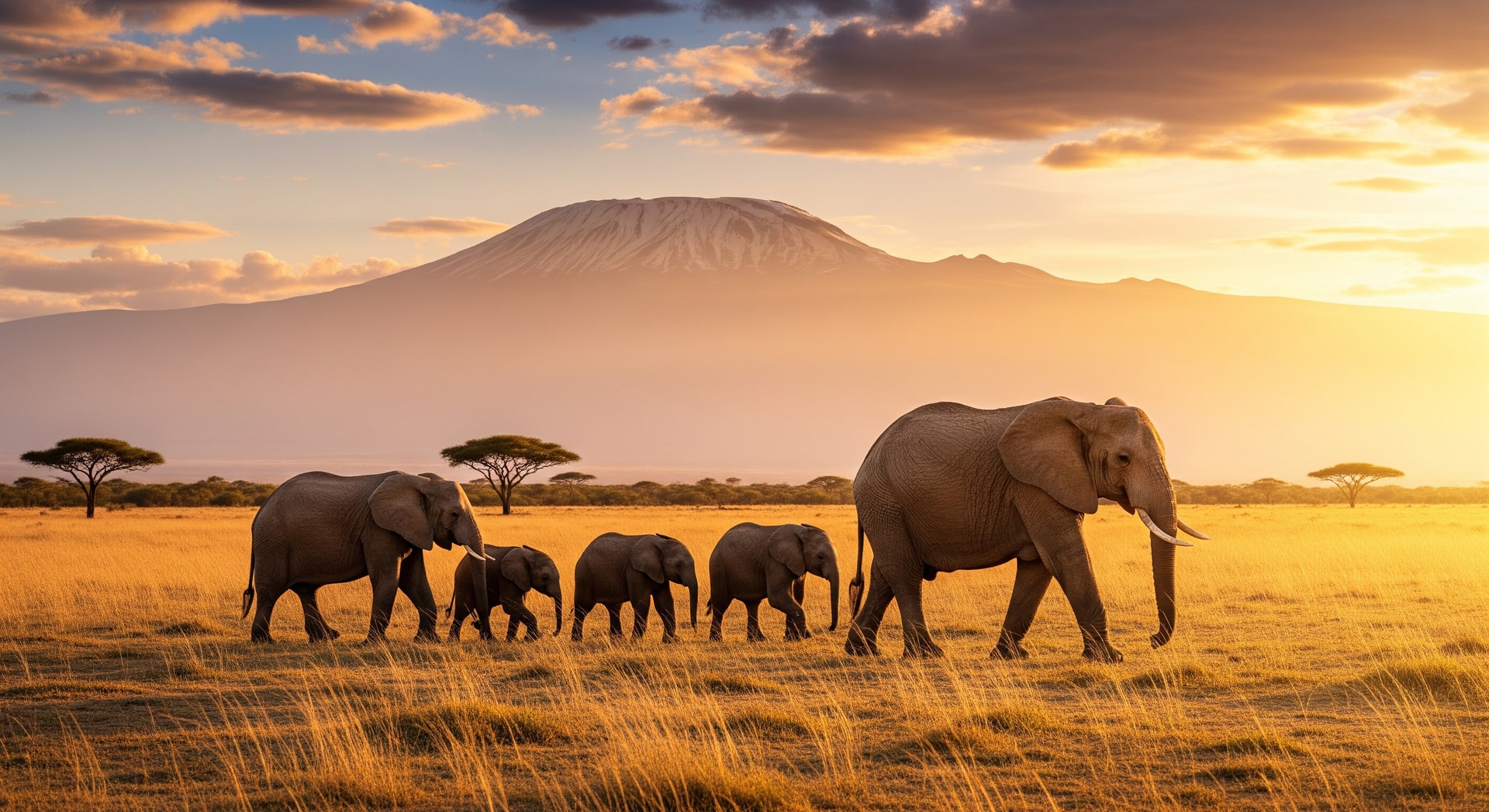
Tarangire National Park doesn't get enough love! The elephant herds there are MASSIVE - we saw over 200 elephants in one afternoon. The ancient baobab trees make for incredible photos, and it's much quieter than Serengeti. We combined 2 days Tarangire + 3 days Serengeti + 2 days Ngorongoro for the perfect northern circuit itinerary. E-Visa came through in 4 days, no issues at all!