

If you have seen headlines saying Thailand is cutting the “tourist visa” from 60 days to 30 days, pause before changing your plans. The change described in the official 2026 updates is about Thailand’s visa-exemption and Visa on Arrival schemes, not the standard pre-applied Tourist Visa category. Thailand’s Cabinet-approved revision revokes the blanket 60-day visa exemption for 93 countries and territories, while the Tourist Visa remains a separate embassy-issued option Thai Government PRD.
As of August 2026, the practical message is this: check your passport nationality, your arrival date and your trip length before booking. The new visa-free categories take effect only 15 days after the relevant Ministry of Interior announcements are published in the Royal Gazette Thailand.go.th.
What is actually changing in 2026?
The 2026 change is a rollback of the broad visa-free entry measure Thailand introduced in 2024. Under that earlier measure, nationals of 93 countries and territories could enter Thailand without a visa for up to 60 days for tourism and some other listed purposes from 15 July 2024 Thai MFA. The same 2024 announcement said this permission could be extended for another period not exceeding 30 days, subject to immigration discretion Thai MFA.
In 2026, Thailand moved to end that blanket 60-day visa-exemption approach. On 19 May 2026, the Cabinet approved revisions to the visa-exemption and Visa on Arrival schemes, including revocation of the 60-day exemption for all 93 countries and territories, a revised 30-day tourism exemption list, a new 15-day tourism exemption scheme and a revised Visa on Arrival list Thai Consular Department.
A further July update put countries and territories into specific buckets. Official reporting says the updated measures cover 65 countries and territories across 30-day visa exemption, 15-day visa exemption and Visa on Arrival categories Thailand.go.th.
2026 change in plain English
The affected scheme is visa exemption / visa-free entry , not the pre-applied Tourist Visa Thai Government PRD
Thailand expanded visa-free stays to 60 days for 93 countries and territories from 15 July 2024 Thai MFA
Cabinet approved ending that blanket 60-day exemption on 19 May 2026 Thai Consular Department
The July update assigns 65 countries and territories to updated entry categories Thailand.go.th
The new measures take effect 15 days after the relevant Ministry of Interior announcements are published in the Royal Gazette Thailand.go.th
Thailand is cutting every tourist stay from 60 days to 30 days.
The official 2026 change concerns visa exemption and Visa on Arrival schemes. The Tourist Visa remains a separate embassy-issued visa category, and the Royal Thai Embassy in Washington still describes the Tourist Visa as allowing up to 60 days per entry with a possible additional 30-day extension Royal Thai Embassy, Washington D.C. .
Not the same as Thailand’s standard Tourist Visa
This distinction matters because travellers often call any permission to holiday in Thailand a “tourist visa”. Thailand, however, uses different legal routes. A visa-exempt entry is a permission given at the border to eligible passport holders who arrive without a pre-approved visa. A Tourist Visa is applied for before travel and assessed by an embassy or through the e-Visa system.
The Tourist Visa guidance from the Royal Thai Embassy in Washington says the Tourist Visa is for tourism and leisure activities and allows a length of stay of up to 60 days from the date of entry Royal Thai Embassy, Washington D.C.. It also says an additional 30-day extension may be possible, making a maximum total stay of 90 days Royal Thai Embassy, Washington D.C..
If the 60-day visa-free scheme ends, there is no way to plan a 60-day Thailand holiday.
A pre-applied Tourist Visa is still described by official embassy guidance as allowing up to 60 days per entry for tourism purposes Royal Thai Embassy, Washington D.C. . You should check the Thai embassy that serves your residence because fees and document rules can vary by post.
Timeline: 60-day visa-free entry in 2024, rollback approved in 2026
The timeline explains why many articles sound contradictory. Thailand first expanded short-stay access, then later approved a more selective structure.
On 15 July 2024, Thailand’s updated visa measures took effect after Ministry of Interior notifications. The government said visa exemption was expanded to 93 countries and territories for up to 60 days, Visa on Arrival was expanded to 31 countries and territories for up to 15 days, and the Destination Thailand Visa was introduced Thai Government PRD.
On 19 May 2026, Cabinet approved a review that would revoke the 60-day exemption and create revised 30-day, 15-day and Visa on Arrival categories Thai Consular Department. On 14 July 2026, Cabinet approved updated details assigning each country or territory to one entry category Thailand.go.th.
Key timeline checkpoints
15 July 2024: visa exemption expanded to 93 countries and territories for up to 60 days Thai Government PRD
19 May 2026: Cabinet approved ending the 60-day blanket exemption Thai Government PRD
14 July 2026: Cabinet approved updated country-category details Thailand.go.th
15 July 2026: PRD reported 59 countries and territories in the revised 30-day visa-free category Thai Government PRD
Effective date: 15 days after Royal Gazette publication of the relevant Ministry of Interior announcements Thailand.go.th
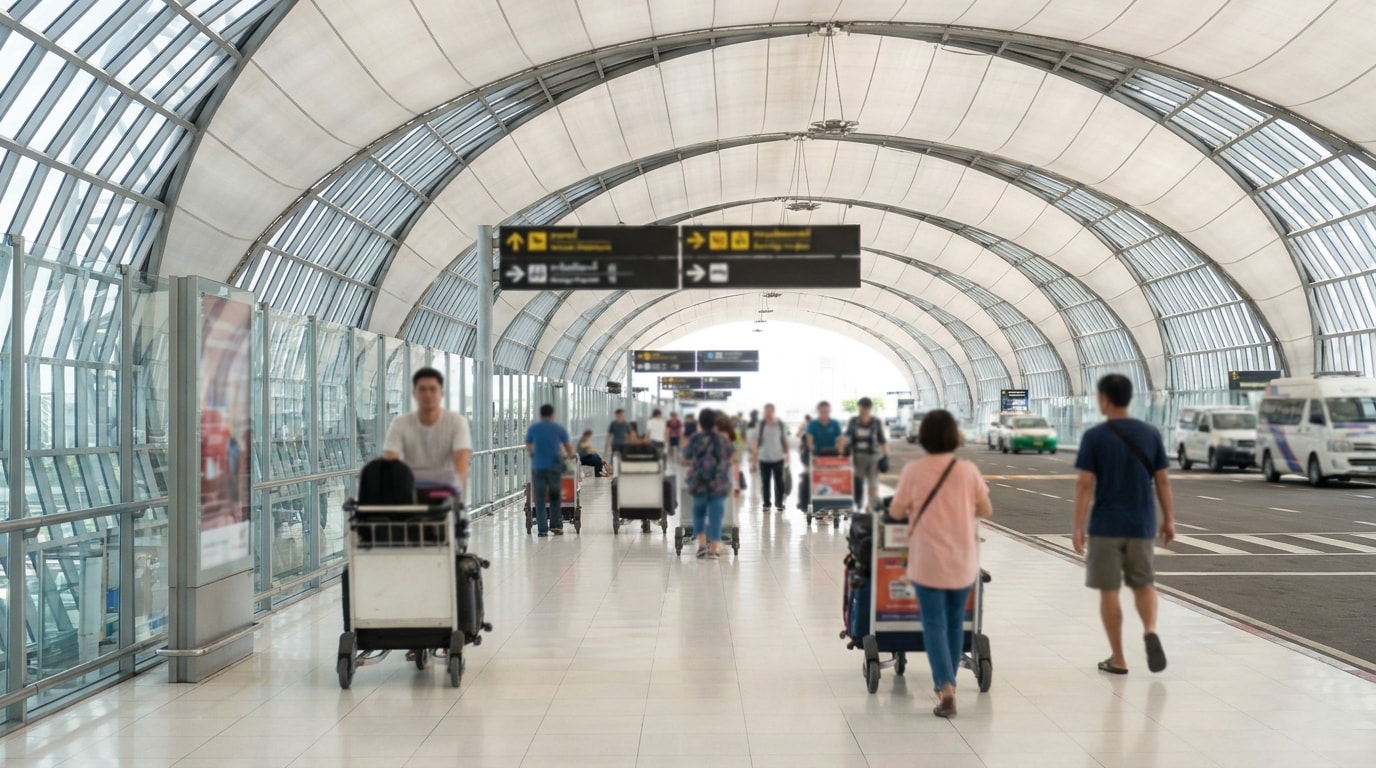
Who needs which Thailand entry option after the 2026 update?
After the updated measures take effect, your entry route depends on your passport and purpose of travel. The official July update says the revised categories cover 65 countries and territories and assign them to 30-day visa exemption, 15-day visa exemption or Visa on Arrival Thailand.go.th.
Do not assume your friend’s entry rule applies to you. Official PRD reporting gives examples, not a complete traveller-friendly list in the notes here. It says 59 countries and territories will receive up to 30 days visa-free tourism entry, including India, Croatia, Bulgaria, Cyprus, Malta and Maldives, and that all 27 European Union member states are covered in the same 30-day category Thai Government PRD.
Start by sorting yourself into one of these groups
- Short tourism trip and your passport is in the revised visa-free list: you may be able to use visa-free entry for the permitted period once the scheme is in force.
- Trip longer than your visa-free allowance: compare an in-country extension with applying for a Tourist Visa before departure.
- Passport moved to Visa on Arrival: check whether you need Visa on Arrival at the airport or eVOA before travel, and budget for the official fee.
- Remote-work, soft-power or family-linked longer stay: check whether the Destination Thailand Visa fits your purpose and evidence.
- Any nationality-specific edge case: confirm on the Royal Gazette notice or the Thai embassy page that serves your residence before buying non-refundable tickets.
Do not rely only on headline lists
The July update gives official totals and examples, but you should verify your own nationality against the final Royal Gazette text or your nearest Thai embassy. The new measures take effect only 15 days after publication of the relevant Ministry of Interior announcements Thailand.go.th .
30-day visa-free tourism entry for many nationalities
The main new bucket is the revised 30-day visa-free tourism category. Official reporting says 59 countries and territories will receive up to 30 days visa-free entry for tourism purposes Thai Government PRD.
India is a notable example because official embassy guidance confirms Indian passport holders will shift to 30-day visa exemption for tourism once the relevant Ministry of Interior announcement is published in the Royal Gazette and 15 days have passed Royal Thai Embassy, New Delhi. If you hold an Indian passport and your Thailand trip is longer than the revised visa-free period, the same embassy update says longer-than-30-day tourism travellers may apply for an e-Visa after the new scheme takes effect Royal Thai Embassy, New Delhi.
15-day visa-free and Visa on Arrival categories
The July update also creates a shorter visa-free bucket. Mauritius and Seychelles are assigned a 15-day visa-exemption category for tourism Thailand.go.th.
Visa on Arrival is also narrowed in the official July reporting. PRD says Visa on Arrival will apply to nationals of Azerbaijan, Belarus and Serbia, while India’s Visa on Arrival is removed because India shifts to the 30-day visa-exemption category Thai Government PRD. Under the 2024 PRD announcement, Visa on Arrival allowed a stay not exceeding 15 days with a 2,000 THB fee Thai Government PRD. Check current airport, eVOA and embassy instructions before you travel because post-update operational details may matter.

Requirements and documents to prepare
Your documents depend on whether you arrive visa-free, use Visa on Arrival, apply for a Tourist Visa or apply for DTV. The common thread is that Thailand expects you to match your entry category: tourism on tourist routes, no unauthorised work, and evidence that supports your declared stay.
For visa-free travel, Thailand.go.th describes Por.30 as a free arrival route for eligible visa-exempt travellers, but it is not the same as a pre-applied Tourist Visa Thailand.go.th. It also says visa-exempt travellers may need evidence that they will leave Thailand after the end of their stay, such as a plane ticket or other proof of return or onward travel Thailand.go.th.
TDAC is now a separate pre-arrival form to remember. The official FAQ says all non-Thai nationals entering by land, air or sea must submit TDAC before entry, and that it is compatible with all visa types including Visa on Arrival and visa-exempt entries Thailand Digital Arrival Card FAQ.
Document facts to keep handy
TDAC must be submitted within 3 days in advance of arrival, including the arrival date Thailand Digital Arrival Card FAQ
Each TDAC is one-time use for the expected arrival date Thailand Digital Arrival Card FAQ
TDAC asks for passport details, flight number and arrival date, address in Thailand, travel purpose, health declaration information and email Thailand Digital Arrival Card FAQ
A TDAC group or family submission can include a maximum of 10 travellers per application Thailand Digital Arrival Card FAQ
Tourist Visa applicants through Washington, D.C. need financial statements showing at least $700 per month per person or $2,000 per family Royal Thai Embassy, Washington D.C.
Prepare by entry route, not by headline
Build a small Thailand folder before departure: passport scan, onward ticket, accommodation proof, TDAC confirmation, visa approval email if applicable, bank statements if applying for a visa, and a screenshot of the current Thai embassy page for your nationality.
For visa-free entry: passport, onward travel and TDAC
If you are entering visa-free, focus on documents that show you are a genuine short-stay visitor. Thailand.go.th says eligible visa-exempt travellers present a passport and are assessed by immigration case by case Thailand.go.th. It also notes that you may need evidence that you will leave Thailand after your stay, such as a plane ticket or proof of onward travel Thailand.go.th.
For visa-free entry, prepare
- A passport valid for travel and accepted by your airline and Thai immigration.
- Proof of onward or return travel, especially if your return date is close to the end of your permitted stay.
- Accommodation details for your TDAC and for possible arrival questions.
- TDAC submitted within 3 days before arrival, including the arrival date Thailand Digital Arrival Card FAQ .
- Evidence that your purpose is tourism, not work.
For a Tourist Visa or DTV: extra proof before travel
A Tourist Visa requires more evidence because you are being assessed before travel. For Washington, D.C. e-Visa applicants, the embassy lists a passport or travel document valid within 6 months from the travel date, a photo taken within the past six months, a document showing current location, flight itinerary to and from Thailand, proof of accommodation, and recent savings or checking statements for the last three months showing at least $700 per month per person or $2,000 per family Royal Thai Embassy, Washington D.C..
DTV requires a different evidence package. For the workcation route through Washington, D.C., the embassy lists passport biodata page or travel document, photo, proof of current location and recent saving or checking bank statements for the last three months with ending balance no less than 500,000 THB or $16,000 USD for each month Royal Thai Embassy, Washington D.C.. The national 2024 announcement also described a DTV financial requirement of proof of funds or guarantee of not less than 500,000 baht for the duration of stay Thai Government PRD.
How to apply or enter step by step
The right process depends on whether you are relying on an entry stamp or applying before travel. The safest planning order is to decide your trip length first, then choose the entry route that covers it with the least uncertainty.
Remember that visa validity and permitted stay are not the same. Thailand’s MFA explains that visa validity is the window in which the visa can be used to enter Thailand, while the period of stay is granted by the immigration officer upon arrival according to visa type; its example says a Tourist Visa period of stay is not exceeding 60 days Thai MFA.
A simple decision flow
- Check whether the new measure is in force: it starts 15 days after Royal Gazette publication of the relevant Ministry of Interior announcements Thailand.go.th .
- Check your passport category on an official Thai government or embassy page.
- Count your full stay in Thailand, including arrival and departure days.
- If your stay fits the visa-free period, prepare TDAC and onward travel evidence.
- If your stay exceeds the visa-free period, compare extension risk with a pre-applied Tourist Visa.
- If your purpose is remote work, Thai soft-power activity or eligible family travel, check DTV rules before choosing a Tourist Visa.
Plan for the stay you actually want
For a trip longer than your visa-free allowance, avoid making your entire itinerary depend on an extension unless you are comfortable with changing plans. Extensions are applied for in Thailand and are not the same as having a longer visa approved before departure.
If you are using visa-free entry
For visa-free entry, you normally do not apply for a visa before travel. You confirm your passport is eligible, prepare your documents, submit TDAC and present yourself to immigration on arrival. Thailand.go.th describes Por.30 as a free arrival route for eligible visa-exempt travellers, with the traveller presenting a passport and being assessed by immigration case by case Thailand.go.th.
Before departure, complete TDAC within 3 days in advance of arriving in Thailand, including the arrival date Thailand Digital Arrival Card FAQ. On arrival, check the permitted-stay date carefully before leaving the counter.
If you apply for a 60-day Tourist Visa e-Visa
If you want a more straightforward plan for a longer tourism stay, apply before travel through the Thai e-Visa route or the Thai embassy that serves your residence. The Washington embassy says a single-entry Tourist Visa is valid for 3 months from issuance and allows up to 60 days from the date of entry Royal Thai Embassy, Washington D.C..
The same embassy recommends applying at least 30 days before departure and not submitting more than 90 days in advance because most visas have 90-day validity from issuance Royal Thai Embassy, Washington D.C.. After approval, the stickerless e-Visa confirmation is sent by email, and the embassy asks travellers to print a copy for airline and Thai immigration checks Royal Thai Embassy, Washington D.C..
If you use eVOA, Visa on Arrival or DTV
If your passport is in the Visa on Arrival category, confirm whether you will apply on arrival or through eVOA. The official eVOA site lists required uploads as a studio photo, passport cover page, passport front page, confirmed round-trip ticket and hotel confirmation voucher Thailand eVisa Application.
For DTV, apply before travel and match your purpose to the accepted categories. The Washington embassy lists DTV purposes including workcation, Thai soft-power activities such as Muay Thai, Thai culinary training and medical treatment, and spouse or children under 20 of DTV holders Royal Thai Embassy, Washington D.C..
Fees and processing times to budget for
Fees vary by route and, for embassy-issued visas, by the post handling your application. Treat the Washington, D.C. values below as official examples for applicants using that embassy, not as worldwide prices.
Visa exemption is the cheapest route because Thailand.go.th describes Por.30 as a free visa on arrival for eligible visa-exempt travellers, though it is not the same as a pre-applied Tourist Visa Thailand.go.th. The trade-off is that your initial stay may be shorter after the 2026 changes, and any extension requires time at immigration.
Budget snapshot
| Route | Official fee or timing from notes | Source |
|---|---|---|
| Visa exemption / Por.30 | No visa fee stated; described as a free arrival route for eligible visa-exempt travellers | Thailand.go.th |
| Single-entry Tourist Visa through Washington, D.C. | 40 USD ; fee non-refundable | Royal Thai Embassy, Washington D.C. |
| Multiple-entry Tourist Visa through Washington, D.C. | 200 USD ; fee non-refundable | Royal Thai Embassy, Washington D.C. |
| Tourism extension in Thailand | 1,900 THB application fee | Thailand.go.th |
| Visa on Arrival under 2024 PRD announcement | 2,000 THB for a stay not exceeding 15 days | Thai Government PRD |
| DTV national announcement | 10,000 THB ; up to 180 days per visit on a multiple-entry basis within five years | Thai Government PRD |
Cheap is not always simplest
When comparing costs, include indirect costs: time spent at immigration, a possible hotel change if your extension is refused or delayed, and the risk of buying flights that do not match your entry permission.
Typical official fees from the notes
Official fee examples
| Item | Fee |
|---|---|
| Tourist Visa, single-entry, Washington D.C. | 40 USD , non-refundable Royal Thai Embassy, Washington D.C. |
| Tourist Visa, multiple-entry, Washington D.C. | 200 USD , non-refundable Royal Thai Embassy, Washington D.C. |
| Tourism extension application | 1,900 THB Thailand.go.th |
| eVOA regular | Normal visa fee 2,000 THB plus regular service/process fee 1,500 THB ; fees non-refundable Thailand eVisa Application |
| eVOA Fast Track | Fast Track visa fee 2,000 THB plus Fast Track service/process fee 3,500 THB Thailand eVisa Application |
| DTV through Washington D.C. | 400 USD ; visa validity 5 years Royal Thai Embassy, Washington D.C. |
How long applications and pre-arrival forms can take
Tourist Visa processing through the Royal Thai Embassy in Washington is typically approximately 21 business days; if additional documents are requested, an updated status may be available within 3 to 5 business days after upload Royal Thai Embassy, Washington D.C.. The embassy recommends applying at least 30 days before departure and not more than 90 days in advance Royal Thai Embassy, Washington D.C..
For eVOA, the official site says processing is generally 24–72 working hours, and travellers should contact support if processing exceeds more than 5 days Thailand eVisa Application. Fast Track Express states processing within 24 hours Thailand eVisa Application. TDAC should be submitted within 3 days before arrival, including the arrival date Thailand Digital Arrival Card FAQ.
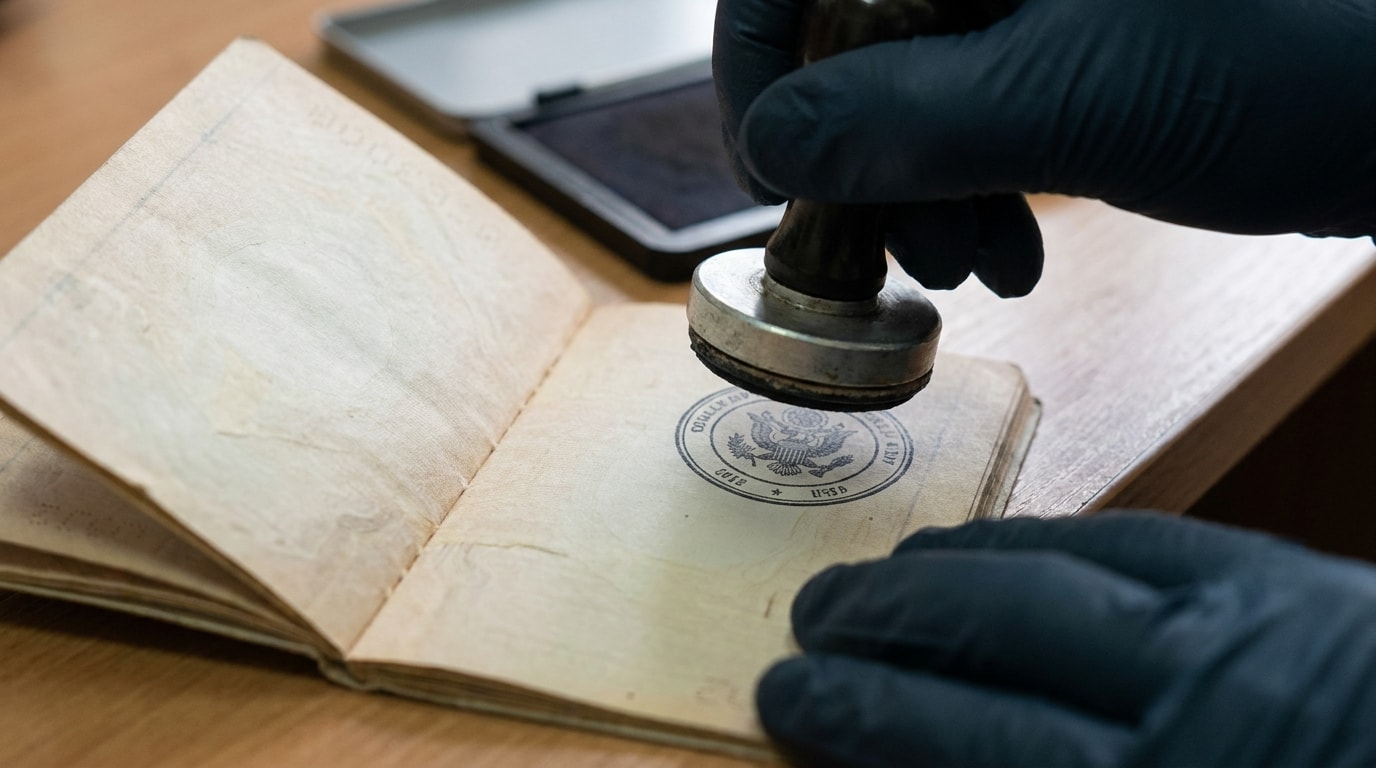
Validity, extensions and rules during your stay
Your legal stay is controlled by the permission you receive on entry, not by a headline or a screenshot. This is especially important during a rule change, because travellers entering before the effective date may receive a different permission from travellers entering after it.
Official Thai guidance says travellers admitted to Thailand before the new 2026 measures take effect may remain until the end of the permitted stay already granted Thai Consular Department. The July update repeats that foreign nationals who enter before the new measures take effect will be permitted to remain for the duration of their existing permitted stay Thailand.go.th.
The stamp wins
Always check the date stamped or printed by the immigration officer before leaving the counter. If the stamp does not match what you expected, ask politely at the airport before you proceed.
Your entry stamp controls your permitted stay
Visa validity is only the period during which you can use a visa to enter. Thailand’s MFA states that the immigration officer grants the period of stay upon arrival according to visa type, and gives a Tourist Visa example where the period of stay is not exceeding 60 days Thai MFA.
That means a traveller with a visa approval, a visa-free entitlement or a past experience at the border should still check the actual permitted-stay date on arrival. This is the date you must use for hotel bookings, onward flights and any extension planning.
Is a 30-day extension still possible? Use cautious planning
The 2024 visa-exemption measure allowed an extension for another period not exceeding 30 days at immigration discretion Thai MFA. For tourism extensions, Thailand.go.th lists an in-person TM.7 application, copy of passport, visa and latest permit stamp, a 4x6 cm photo taken within 6 months, and a 1,900 baht fee Thailand.go.th.
However, the official July 2026 category summaries in the notes do not clearly confirm that every post-update 30-day visa-exempt entry remains extendable for another 30 days. If your trip depends on an extension, verify with the Immigration Bureau or your Thai embassy before booking.
Extension risk is itinerary risk
Do not treat an extension as automatic. It is applied for in Thailand, requires documents and fee payment, and is subject to immigration handling. For a fixed 35–60 day holiday, a Tourist Visa may be the lower-stress route.
Overstay fines and no-work rules
Visa-exempt Por.30 entry is for tourism only. Thailand.go.th says travellers should not work and should not overstay, and states an overstay fine of 500 baht per day, with a maximum of 20,000 baht, plus potential consequences for return travel Thailand.go.th.
Tourist Visa holders also need to respect their category. The Washington embassy says Tourist Visa holders must comply with entry conditions and cannot use the visa for work-related activities; if they breach conditions, including work-related activities, the stay permit may be revoked and future entry may be prohibited Royal Thai Embassy, Washington D.C..
Do not confuse these: visa exemption vs VOA vs Tourist Visa vs DTV
This is the table to use when a headline says “tourist visa” but you need to know what will actually happen at the airport or before travel.
Thailand entry options compared
| Option | What it is | Stay / validity facts from notes | Best for | Key caution |
|---|---|---|---|---|
| Visa exemption / visa-free entry | No pre-applied visa for eligible passports; assessed at entry | 2024 scheme allowed up to 60 days for 93 countries and territories ; 2026 update creates a revised 30-day category for 59 countries and territories Thai MFA Thai Government PRD | Short tourism trips where your passport is eligible | Not the same as a Tourist Visa; verify effective date and nationality list |
| Visa on Arrival / eVOA | Arrival visa route for specific nationalities, with optional electronic pre-processing where available | 2024 PRD listed VoA stay not exceeding 15 days with 2,000 THB fee; July 2026 update assigns Azerbaijan, Belarus and Serbia to VoA Thai Government PRD Thai Government PRD | Very short trips by passports in the VoA category | Check current eVOA uploads, fees and airport process before travel |
| Single-entry Tourist Visa | Pre-applied visa for tourism and leisure activities | Washington guidance: up to 60 days from entry; possible additional 30-day extension; single-entry fee 40 USD and validity 3 months from issuance Royal Thai Embassy, Washington D.C. | Tourism trips that exceed visa-free allowance or need more certainty | Document and processing requirements apply; embassy rules vary |
| Destination Thailand Visa | Separate longer-stay option for eligible remote workers, soft-power participants and eligible family members | National announcement: 10,000 THB , up to 180 days per visit, multiple-entry within five years Thai Government PRD | Eligible long-stay, workcation or soft-power trips | Not a generic holiday visa; financial and purpose evidence apply |
A visa exemption, a Visa on Arrival and a Tourist Visa are just different names for the same thing.
They are different routes with different eligibility, fees, documents and permitted stays. The 2026 rollback targets visa exemption and Visa on Arrival schemes, while the Tourist Visa remains a separate pre-applied visa category Thai Government PRD .
Planning example: a 35–60 day Thailand trip in late 2026
Suppose you want a Thailand trip of 35–60 days after the new rules are in force, and your passport is in the revised 30-day visa-free category. You have two obvious planning routes.
The first is visa-free entry plus an in-country tourism extension. This may be cheaper upfront because visa-free entry is described as a free route for eligible travellers Thailand.go.th, and the tourism extension application fee is 1,900 THB Thailand.go.th. The risk is that you must spend time applying in Thailand, and the July 2026 summaries in the notes do not clearly confirm extension practice for every new visa-exempt category.
The second route is applying for a Tourist Visa before travel. Washington guidance describes a Tourist Visa stay of up to 60 days per entry Royal Thai Embassy, Washington D.C.. For a fixed long holiday, that may be simpler than building your whole itinerary around an extension.
For fixed long holidays, certainty has value
If your return flight is beyond your initial visa-free permission, airlines or immigration may ask how you will remain lawfully. A pre-applied Tourist Visa can make a 35–60 day tourism itinerary easier to explain.
When the DTV may be better than a Tourist Visa
DTV may be worth checking if your purpose is not just a normal holiday. Official embassy guidance lists DTV purposes including workcation, Thai soft-power activities such as Muay Thai, Thai culinary training and medical treatment, plus spouse and children under 20 of DTV holders Royal Thai Embassy, Washington D.C..
The national announcement described DTV as allowing a period of stay up to 180 days per visit on a multiple-entry basis within five years, with a 10,000 THB fee Thai Government PRD. That makes it a different tool from a Tourist Visa. Check eligibility and documents with the issuing post before relying on it.
Practical travel tips for late-2026 Thailand trips
For late-2026 travel, the biggest risk is not misunderstanding the difference between 30 and 60 days. It is booking around an assumption before the final rule, your nationality category and your arrival date are confirmed.
Before you book, do this
- Check whether the Royal Gazette publication has happened and add the 15-day effective-date rule Thailand.go.th .
- Check your nationality on an official Thai embassy or government page, not only on a travel forum.
- If you need more than your visa-free allowance, compare a Tourist Visa with an in-country extension before buying flights.
- Submit TDAC within 3 days before arrival, including your arrival date Thailand Digital Arrival Card FAQ .
- Keep proof of onward travel because visa-exempt travellers may need evidence they will leave after their stay Thailand.go.th .
- Print your e-Visa approval if you have one, because the Washington embassy asks travellers to print the approval confirmation for airline and Thai immigration checks Royal Thai Embassy, Washington D.C. .
Carry evidence of the rule you are relying on
If your travel dates sit close to the effective date, take screenshots or print official pages on the day you fly. Airline staff may not be working from the same update you read online.
Recent changes and what to verify before booking
Thailand’s visa rules have moved quickly since 2024. The official sequence is clear, but the final traveller-facing answer for your trip still depends on the Royal Gazette and the embassy page for your passport or residence.
The July 2026 PRD report says the revised measures withdraw the 60-day exemption and cover 65 countries and territories: 59 countries and territories receive up to 30 days visa-free tourism entry, Mauritius and Seychelles receive up to 15 days, and Azerbaijan, Belarus and Serbia receive Visa on Arrival Thai Government PRD.
Recent official updates to check
The 2024 measures took effect on 15 July 2024 and included the DTV Thai Government PRD
Cabinet approved ending the 60-day visa-exemption scheme for all 93 countries and territories on 19 May 2026 Thai Government PRD
Cabinet approved updated details on 14 July 2026 , using a one country or territory, one entry category approach Thailand.go.th
The New Delhi Thai Embassy posted an India-specific update on 27 July 2026 confirming 30-day visa exemption after the Royal Gazette and effective-date process Royal Thai Embassy, New Delhi
The TDAC FAQ version log shows Release Version 2026.08.00 on 13 August 2026 Thailand Digital Arrival Card FAQ
The final effective date matters
Before booking, verify the Royal Gazette notice and the Thai embassy page for your nationality or residence. Official pages state that the revised measures take effect 15 days after the relevant Ministry of Interior announcements are published in the Royal Gazette Thailand.go.th .
The effective date depends on Royal Gazette publication
Cabinet approval is not the same as the rule being active at the border. The May 2026 PRD release says the approved measures are not self-executing and take effect 15 days after the relevant Ministry of Interior announcements are published in the Royal Gazette Thai Government PRD. The July 2026 Thailand.go.th update repeats the same 15-day Royal Gazette timing rule Thailand.go.th.
For travellers, that means an arrival just before and just after the effective date may be treated differently. Do not assume “Cabinet approved” equals “already in force”.
If you enter before the effective date, keep your stamped permission
If you enter Thailand before the new measures take effect and are granted a permission to stay, official guidance says you may remain until the end of the permitted stay already granted Thai Consular Department. The July update says the same for foreign nationals who enter before the new measures take effect Thailand.go.th.
Keep your passport safe, photograph the entry stamp and plan your departure or extension around the date printed there.
Conclusion: next steps before you book
- Treat the “tourist visa cut” headline as shorthand for a visa-exemption change, not a change to every Tourist Visa.
- Verify whether the Royal Gazette publication has happened and count the 15-day effective-date period Thailand.go.th .
- Check your passport category: revised 30-day visa exemption, 15-day visa exemption, Visa on Arrival or pre-applied visa route.
- For a fixed 35–60 day holiday, compare visa-free entry plus extension against a Tourist Visa before paying for flights.
- Complete TDAC within 3 days before arrival, including the arrival date Thailand Digital Arrival Card FAQ .
- If you are already admitted, follow the permitted-stay date on your entry stamp.


Frequently Asked Questions
Is Thailand cutting the Tourist Visa from 60 days to 30 days in 2026?
What is the difference between Thailand’s visa exemption and a Tourist Visa?
When do the new 30-day visa-free rules take effect?
If I enter Thailand before the new rules take effect, can I keep my 60-day stamp?
Can I still apply for a 30-day extension after entering visa-free?
Which nationalities will get 30-day visa-free entry after the 2026 update?
What happens to Indian passport holders under the July 2026 update?
Do Mauritius and Seychelles passport holders still get visa-free entry?
Which countries are moved to Visa on Arrival in the July 2026 update?
How much does a Thailand Tourist Visa cost and how long does it take?
Do I need TDAC if I have a visa or enter visa-free?
For a 35–60 day holiday, should I use visa-free entry plus extension or apply for a Tourist Visa?
When is the Destination Thailand Visa better than a Tourist Visa?
What are the risks of overstaying in Thailand?
Sources and further reading
- Cabinet Approves Revision of Thailand’s Visa Exemption and Visa on Arrival Schemes — official source, published 2026-05-19
- การทบทวนมาตรการยกเว้นการตรวจลงตรา และการให้สิทธิการตรวจลงตราต่าง ๆ ของไทย — official source, published 2026-05-19
- Thai Cabinet approves updated visa measures pending Royal Gazette publication — official source, published 2026-07-19
- Thailand Revises Visa Policy for 65 Countries & Territories — official source, published 2026-07-15
- Latest update on Revision to Thailand’s Visa Exemption Scheme for Indian Passport Holders Entering Thailand for Tourism — official source, published 2026-07-27
- Updates on the Visa Exemption and Visa on Arrival (VoA) — official source, published 2024-07-15
- New Visa Measures Now in Effective to Promote Thailand’s Tourism — official source, published 2024-07-17
- Tourist Visa (Tourism and Leisure Activities) — official source, published 2026-06-30
- Regulation to enter Thailand and visa arrangement — official source
- Destination Thailand Visa (DTV) — official source, published 2026-03-19
- Information - Thailand eVisa Application — official source
- Application to stay in Thailand for tourism purposes — official source, published 2023-03-12
- The 30-day tourist visa, Por.30: How to get one, and how to extend it — official source, published 2023-01-18
- Thailand Digital Arrival Card FAQ — official source, published 2026-08-13
- General Information — official source, published 2022-11-30
- Overview - Thailand Film Office — official source
- ข้อมูลวิชาการ - Airport codes under Airports of Thailand — official source
Thailand
Capital: Bangkok
Currency: Thai Baht (THB)
Language: Thai (national and official language)
Timezone: GMT+7 / ICT (UTC+7)
Quick Facts
- Main airports: Suvarnabhumi Airport (BKK), Don Mueang Airport (DMK), Phuket International Airport (HKT)
- Thailand’s July 2024 visa measures took effect on 15 July 2024 after Ministry of Interior notifications.
- On 19 May 2026, Cabinet approved ending the 60-day visa exemption scheme for all 93 countries/territories.
- On 14 July 2026, Cabinet approved updated details assigning countries/territories to one entry category.
Applying for Thailand?
Get the DoVisa app
Your visa, entry forms and travel documents in one place — also offline.








Comments(0)
Leave a Comment
No comments yet. Be the first to share your thoughts!