Simple 4-step process — most applications approved within 3-5 business days
1
Complete the online application
Fill out our streamlined application form with your personal details, travel plans, and intended activities in Malawi. Our intelligent validation system guides you through each section, checking for common errors and ensuring your application meets Malawi Immigration requirements.
2
Upload your documents
Submit your passport scan (bio page clearly visible), a recent passport-sized photograph, and proof of accommodation. Our visa specialists review every document against Malawi Immigration standards before submission, significantly reducing the risk of rejection or delays.
3
We submit to Malawi Immigration
Your verified application is transmitted to Malawi's immigration authorities. We monitor processing status and proactively communicate any updates, requests for additional documentation, or status changes via email and SMS throughout the process.
4
Receive your visa electronically
Your approved Malawi visa arrives as a PDF document. Print it clearly on A4 paper and present it at Malawi immigration along with your passport. Takulandirani — welcome to the Warm Heart of Africa!
Visa types needed for Malawi
Available visa products
Malawi eVisa - 90 days, Single entry Most Popular
Malawi eVisa - 180 days, Multiple entry
Malawi eVisa - 90 days, Single entry
The Malawi eVisa provides access to Lake Malawi, wildlife reserves, and legendary hospitality. Valid for 90 Days with single entry, this visa allows stays up to 30 days. Perfect for tourism and business.
Applicants must submit the following documents:
🛂 Passport: Valid for at least 6 months with blank pages
The Malawi eVisa provides access to Lake Malawi, wildlife reserves, and legendary hospitality. Valid for 6 Months with multiple entry, this visa allows stays up to 90 days. Perfect for tourism and business.
Applicants must submit the following documents:
🛂 Passport: Valid for at least 6 months with blank pages
Malawi welcomes visitors from around the world to experience one of Africa's most unspoiled destinations. Known as the Warm Heart of Africa for its exceptionally friendly people, Malawi offers a visa system that accommodates tourists, business travelers, and transit passengers.
Tourist Visa — Single Entry
The standard Malawi tourist visa allows a single entry with stays up to 30 days — perfect for exploring Lake Malawi's pristine beaches, diving and snorkeling in the world's first freshwater national park, visiting Liwonde National Park for wildlife safaris, and experiencing the genuine warmth of Malawian hospitality. This visa type suits most leisure travelers. The initial 30-day period can be extended at the Immigration Department in Lilongwe for an additional 60 days.
Transit Visa
For travelers passing through Malawi en route to other destinations in Southern or East Africa, Malawi offers a transit visa allowing stays up to 7 days. This is useful for overland travelers crossing between Tanzania, Mozambique, or Zambia who want to briefly explore Malawi's attractions along the way. If you're simply changing flights at Kamuzu International Airport and remaining airside, a transit visa typically isn't required.
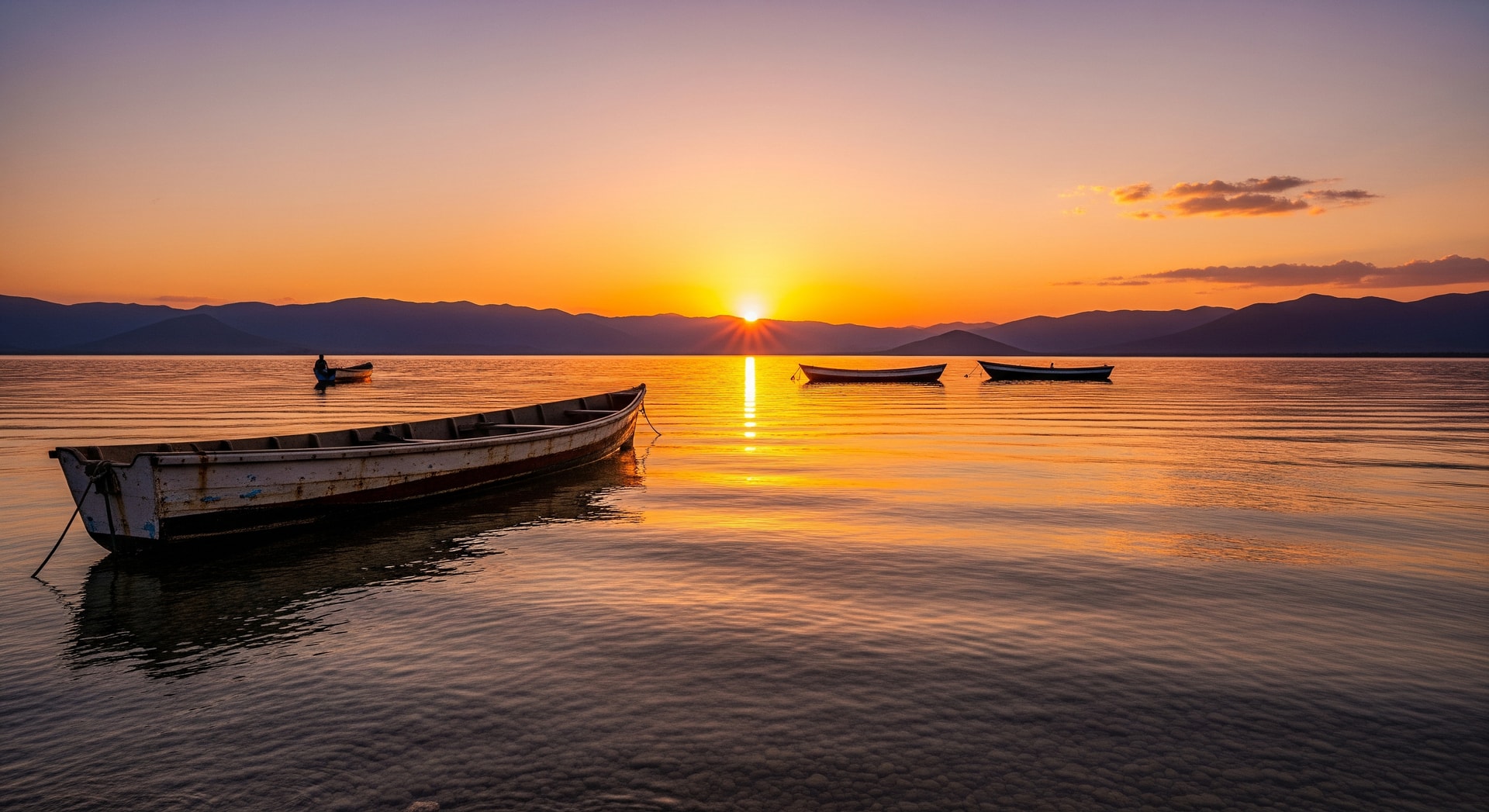
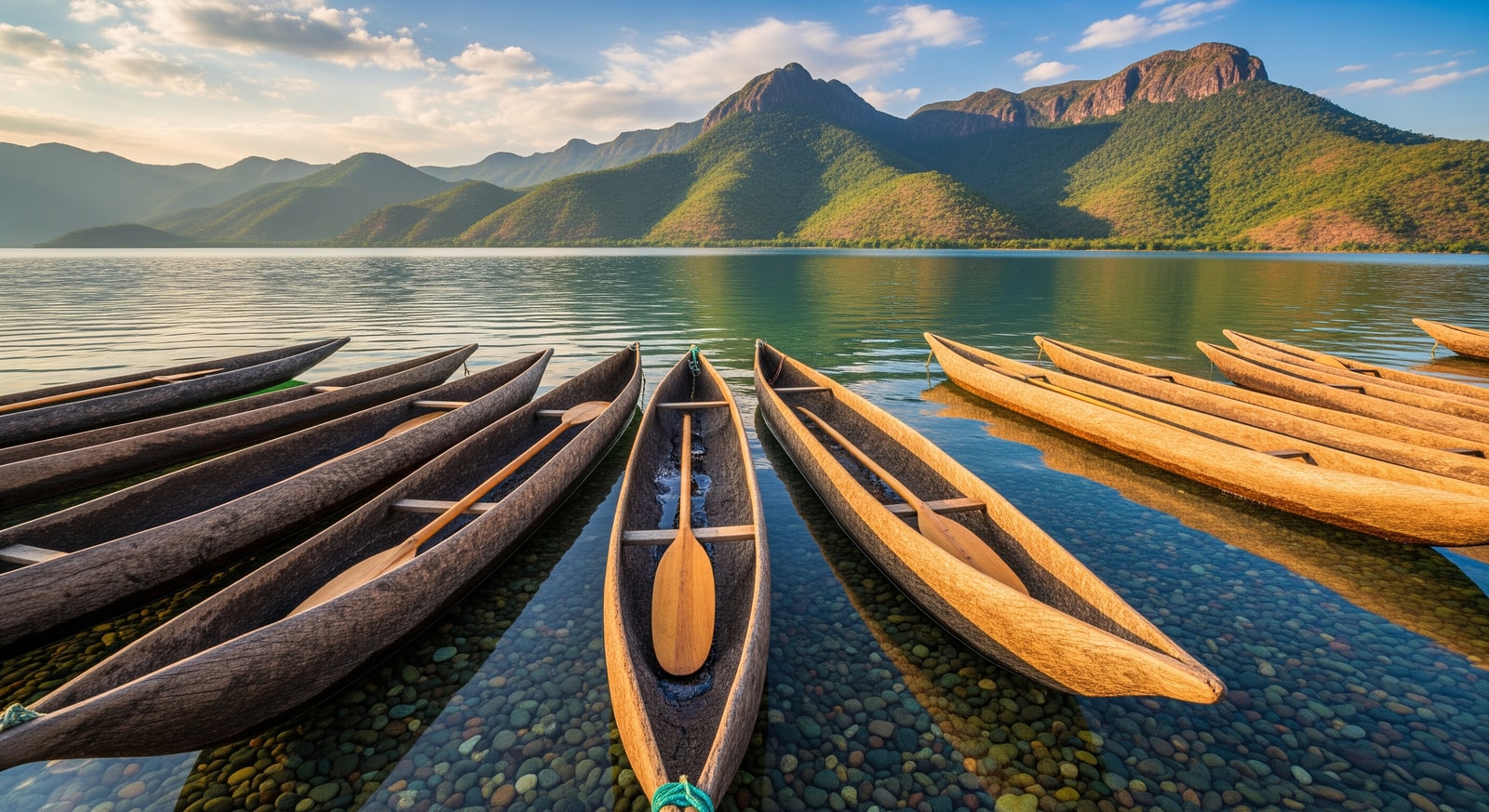
Lake Malawi — Africa's third largest lake and a UNESCO World Heritage Site
Business & Special Visas
Business Visa
The Malawi business visa caters to professionals conducting commercial activities within the country. This includes attending business meetings and conferences, exploring investment opportunities in agriculture, tourism, or mining sectors, establishing trade contacts, and negotiating contracts. Business visas allow stays up to 30 days and can be extended. Required documentation includes an invitation letter from a Malawian company or organization, your company's registration documents, and a detailed business itinerary.
Multiple Entry Visa
For frequent visitors to Malawi, multiple-entry visas are available allowing repeated entries over 6 or 12 months. These are particularly useful for business professionals, researchers, NGO workers, and those with ongoing connections to Malawi. Each stay is typically limited to 30-90 days, but you can exit and re-enter multiple times during the visa validity period.
Visa on Arrival
Malawi offers visa on arrival facilities at Kamuzu International Airport (LLW) and major land border crossings for citizens of many countries. While convenient, we recommend applying in advance to avoid potential queues and ensure guaranteed entry. Visa on arrival costs approximately $75-100 USD depending on nationality.
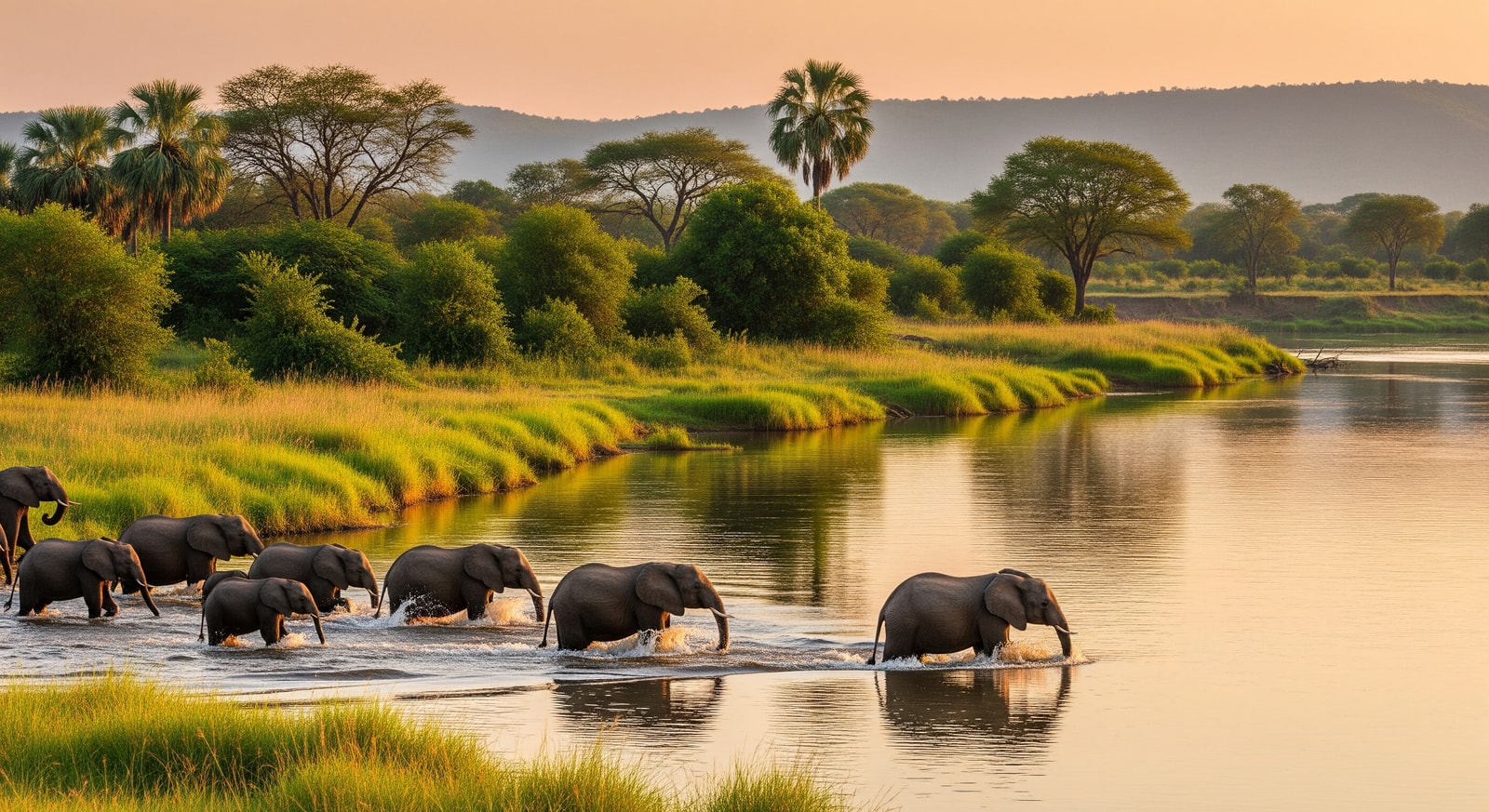
Liwonde National Park — Malawi's premier wildlife destination along the Shire River
Entry Requirements
Essential Requirements
All Malawi visa applicants must meet these fundamental requirements:
• Passport validity: Minimum 6 months beyond your intended arrival date with at least two blank pages for entry and exit stamps
• Yellow fever vaccination: Required if arriving from or transiting through a yellow fever endemic country. The vaccination must be administered at least 10 days before arrival.
• Photograph: Recent passport-sized photo (35x45mm) with white background, taken within the last 6 months
• Accommodation proof: Hotel booking confirmation, lodge reservations, or invitation letter if staying with friends/family
• Travel itinerary: Flight bookings showing entry and exit from Malawi
• Sufficient funds: Evidence of financial means to support your stay (approximately $50-100 USD per day recommended)
Visa-Free Entry
Citizens of several countries enjoy visa-free access to Malawi for short stays. This includes most Commonwealth countries, SADC member states, and select others. Citizens of Zimbabwe, Zambia, Tanzania, Mozambique, South Africa, Botswana, and several other African nations can enter without a visa for stays up to 30-90 days depending on bilateral agreements.
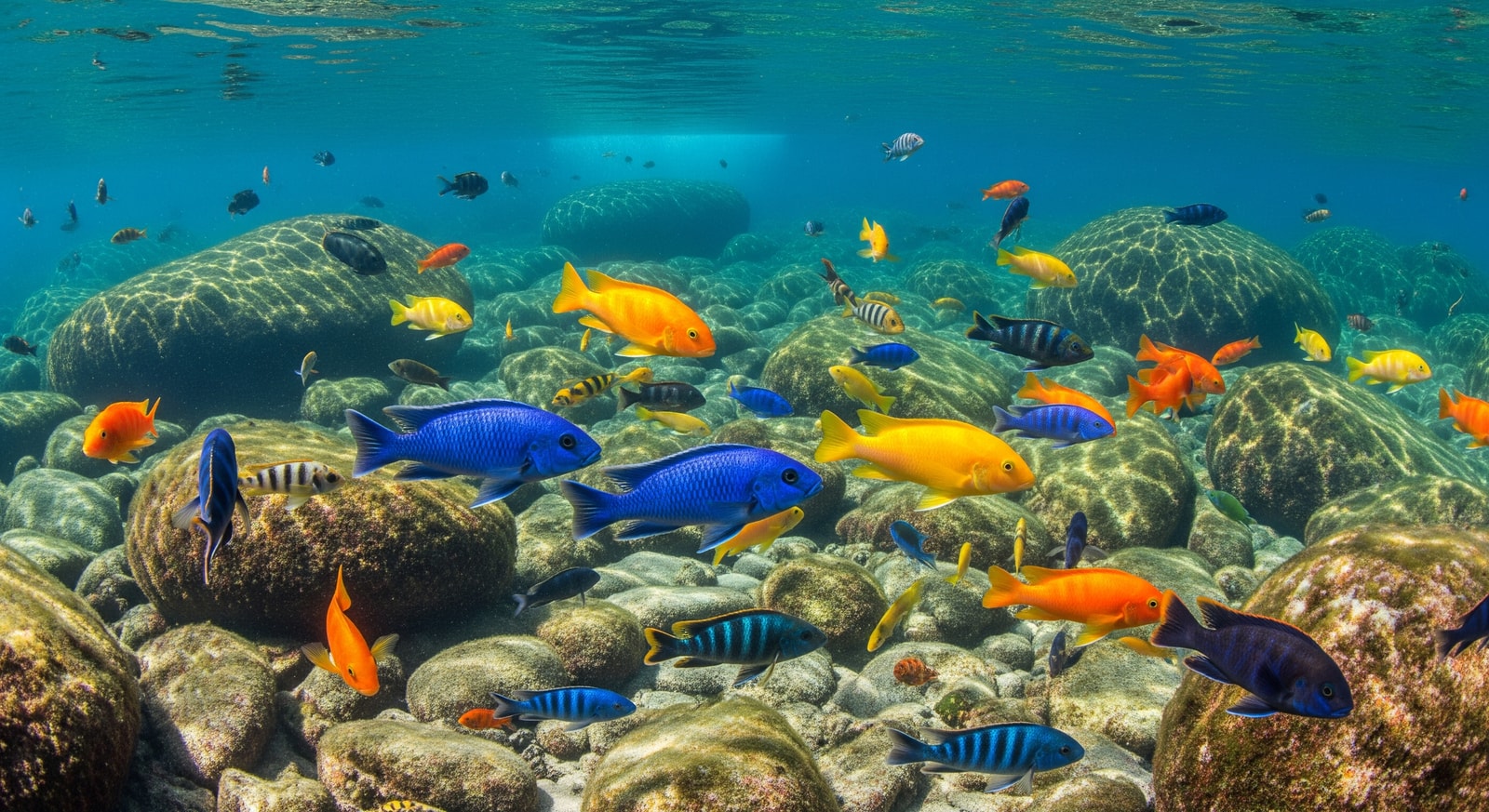
Lake Malawi National Park — Home to over 1000 species of colorful cichlid fish
Entry Points & Processing
Entry Points & Immigration
Malawi visas are valid at all official entry points including:
• Airports: Kamuzu International Airport (LLW) in Lilongwe, Chileka International Airport (BLZ) in Blantyre
• Land borders: Mwanza (Tanzania), Songwe (Tanzania), Chiponde (Mozambique), Muloza (Mozambique), Mchinji (Zambia), Chipata/Mchinji (Zambia), and several other crossing points
• Lake crossings: Chipoka and other ferry terminals for the MV Ilala ferry from Tanzania and Mozambique
Processing Times & Application Timing
Standard visa processing takes 3-7 business days, though most applications receive decisions within 3-5 business days. During peak tourist season (May-October dry season) and around holidays, processing may take slightly longer. We recommend applying at least 2-3 weeks before your intended travel date to allow buffer time for any additional documentation requests.
Visa on Arrival Tips
If obtaining visa on arrival, ensure you have: cash in USD for the fee (exact amount preferred), completed arrival card, proof of accommodation, return ticket, and sufficient funds evidence. Queues can be lengthy during busy periods, so patience may be required.
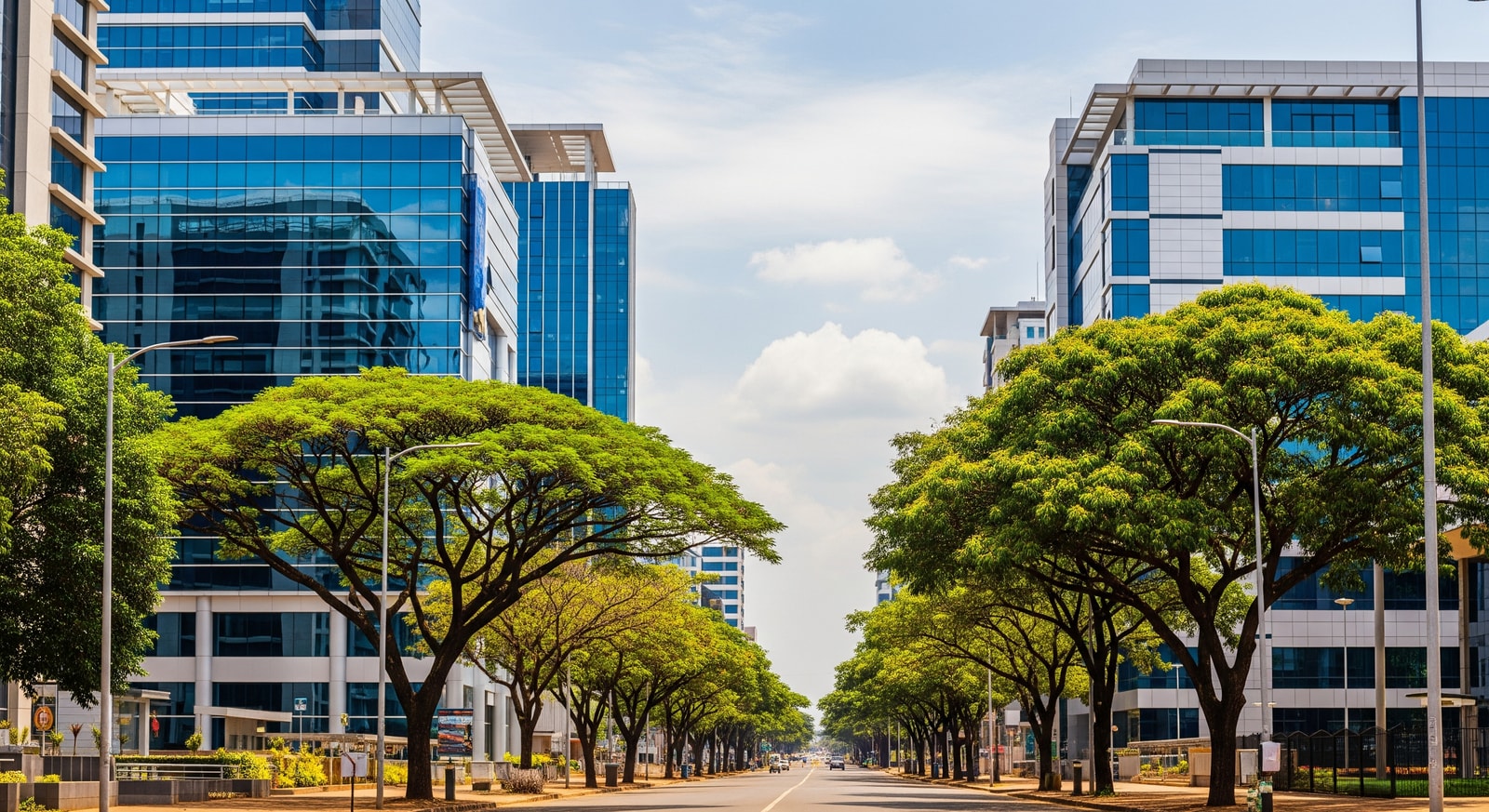
Lilongwe — Malawi's capital city and main international gateway
Why Choose DoVisa?
See the difference between applying yourself vs using our expert service
Travelers to Malawi rated this product 4.7 out of 5 based on 10 reviews.
4.7/ 5
Based on 10 verified reviews
Filter by rating
David M.Jan 18, 2026
"Got my Malawi visa in 4 days! The process was straightforward and the support team was incredibly helpful. Lake Malawi was absolutely worth it!"
Jennifer K.Jan 12, 2026
"First time visiting the Warm Heart of Africa and DoVisa made the visa process so easy. The document checklist was clear and my visa arrived faster than expected."
Michael R.Jan 5, 2026
"Smooth application process. Took 5 days for approval which was within the stated timeframe. Immigration at Lilongwe airport was quick with my printed visa."
Emma S.Dec 28, 2025
"Applied for business visa to attend a conference in Blantyre. DoVisa guided me through the invitation letter requirements and everything went smoothly."
Peter N.Dec 20, 2025
"The diving in Lake Malawi was incredible! And getting there was stress-free thanks to DoVisa handling my visa. Highly recommend their service."
Caroline T.Dec 14, 2025
"Good service overall. Had a question about yellow fever requirements and the support team responded within hours with clear guidance. Visa approved in 4 days."
Andrew B.Dec 8, 2025
"Traveling overland from Tanzania to Zambia via Malawi. DoVisa sorted my transit visa quickly and I had no issues at any border crossing. Professional service!"
Rachel W.Nov 30, 2025
"Family trip to Malawi for safari and lake beaches. Applied for 4 visas together and all were approved within a week. The kids loved Liwonde National Park!"
James H.Nov 22, 2025
"Reliable visa service. The application form was easy to complete and document upload worked perfectly. Would use DoVisa again for future trips."
Sophie L.Nov 15, 2025
"Malawi truly is the Warm Heart of Africa! The people were so welcoming and my visa from DoVisa made entry seamless. Already planning my return trip."
David M.Jan 18, 2026
"Got my Malawi visa in 4 days! The process was straightforward and the support team was incredibly helpful. Lake Malawi was absolutely worth it!"
Jennifer K.Jan 12, 2026
"First time visiting the Warm Heart of Africa and DoVisa made the visa process so easy. The document checklist was clear and my visa arrived faster than expected."
Michael R.Jan 5, 2026
"Smooth application process. Took 5 days for approval which was within the stated timeframe. Immigration at Lilongwe airport was quick with my printed visa."
Malawi Visa FAQs
What types of visas are available for Malawi?
Malawi offers several visa categories to accommodate different travel purposes. Single-entry tourist visa allows stays up to 30 days for holidays, Lake Malawi visits, safaris, and general tourism. Transit visa permits stays up to 7 days for travelers passing through Malawi to another destination. Business visa caters to commercial activities including meetings, conferences, and trade exploration. Multiple-entry visas are available for frequent visitors requiring regular access to Malawi over 6-12 months. Visa on arrival is available at major entry points for many nationalities. The right visa depends on your travel purpose, duration, and nationality.
What is a Malawi eVisa and how does it work?
Malawi has been developing its electronic visa system to streamline the application process. The Malawi eVisa allows eligible travelers to apply online before departure, receive approval electronically, and present a printed copy at immigration. Benefits: No need to visit an embassy; apply from anywhere; receive confirmation via email; faster processing at immigration. Process: Complete the online application with personal and travel details; upload required documents (passport, photo, itinerary); pay the visa fee; receive approval notification; print and carry your eVisa. Processing typically takes 3-5 business days. Not all nationalities are eligible for eVisa — some may need to apply through an embassy or obtain visa on arrival.
How long does Malawi visa processing take?
Malawi visa processing typically takes 3-7 business days, with most applications receiving decisions within 3-5 business days. Processing times can vary based on several factors: Peak seasons (May-October dry season and around December holidays) may experience slightly longer processing. Application completeness significantly impacts speed — applications with clear documents and accurate information process faster. Visa type affects timing — tourist visas typically process fastest while business visas may require additional verification. Recommendations: Apply at least 2-3 weeks before travel; ensure all documents meet requirements; respond promptly to any additional information requests. DoVisa's pre-submission review helps ensure applications are complete.
Do I need a yellow fever vaccination for Malawi?
Yellow fever vaccination requirements depend on your travel history. Mandatory vaccination: Required if arriving from or transiting through a yellow fever endemic country — this includes most of sub-Saharan Africa and South America. You must show your International Certificate of Vaccination (yellow card) at immigration. The vaccination must be administered at least 10 days before arrival. Not required: Travelers arriving directly from non-endemic countries (Europe, North America, Asia, Australia) don't require yellow fever vaccination for Malawi entry. Recommendation: Yellow fever is not present in Malawi itself, but if you're combining your trip with visits to neighboring Tanzania or other endemic countries, vaccination is advisable. Consult a travel health clinic 4-6 weeks before departure.
Can I extend my Malawi visa once I arrive?
Yes, Malawi visas can be extended at the Immigration Department in Lilongwe or regional immigration offices. Extension duration: Tourist visas can typically be extended for an additional 60 days beyond the initial 30-day period, allowing stays up to 90 days total. Requirements: Valid passport with remaining pages, completed extension application form, passport photographs, proof of sufficient funds for extended stay, accommodation confirmation for the extension period, and the extension fee (approximately $50-100 USD). Process: Visit the immigration office in person; processing usually takes 1-3 days. Important: Apply before your current visa expires — overstaying carries penalties including fines and potential future visa difficulties. Plan your extension application at least a week before your visa expires to allow processing time.
What documents do I need for a Malawi visa application?
Essential documents for all applications: Passport valid for at least 6 months beyond arrival with minimum two blank pages; recent passport-sized photograph (35x45mm, white background, taken within 6 months); completed application form with accurate travel details. Additional requirements by visa type: Tourist visa: Proof of accommodation (hotel bookings, lodge reservations, or invitation letter), round-trip flight itinerary, travel insurance recommended. Business visa: Invitation letter from Malawian company or organization on official letterhead, employer support letter, company registration documents, detailed business itinerary. All applicants: May be asked for proof of sufficient funds (bank statements), yellow fever certificate if arriving from endemic region. Documents should be clear, legible scans in PDF or JPEG format.
When is the best time to visit Malawi?
Malawi offers distinct seasons that suit different travel preferences. Dry Season (May-October): The most popular time to visit. Cool and dry with minimal rainfall. Ideal for wildlife viewing in Liwonde and Majete as animals gather around water sources. Lake Malawi diving visibility is excellent. July-August can be cool, especially at altitude. Hot Season (September-November): Temperatures rise before the rains. Good wildlife viewing continues. Jacaranda trees bloom beautifully in October. Wet Season (November-April): Green landscapes, dramatic skies, fewer tourists, lower prices. Rain typically falls in afternoon thunderstorms — mornings often clear. Bird watching excellent with migratory species present. Some roads may be difficult. Lake Malawi remains swimmable year-round. Best overall: May-October for wildlife and lake activities; avoid peak December-January for quieter experience.
Is Malawi safe for tourists?
Malawi is generally considered one of Africa's safest countries for tourists, living up to its reputation as the Warm Heart of Africa. Safe areas: Lake Malawi lakeshore, Lilongwe, Blantyre, Liwonde National Park, Majete Wildlife Reserve, and major tourist routes. The Malawian people are renowned for their friendliness and hospitality. Practical advice: Use normal travel precautions; avoid walking alone at night in cities; keep valuables secure; use registered tour operators and guides; ensure comprehensive travel insurance. Health considerations: Malaria prophylaxis essential for most areas; Lake Malawi has bilharzia risk in some parts (ask locally about safe swimming spots); drink bottled or treated water; ensure routine vaccinations are current. Road safety: Drive defensively; road conditions vary; night driving not recommended outside cities.
Can I work in Malawi with a tourist visa?
No, Malawi tourist visas do not permit employment. Tourist visas are strictly for leisure activities, sightseeing, visiting Lake Malawi, safaris, visiting friends and family, and attending non-commercial events. Business visas allow commercial activities like meetings and conferences but not paid employment or receiving salary from a Malawian entity. Legal employment requires a Malawi Work Permit (Temporary Employment Permit), which involves: employer sponsorship by a registered Malawian organization; proof the position cannot be filled locally; extensive documentation; and immigration approval. The process must be initiated before starting work. Volunteer work: Genuine volunteer activities with registered NGOs may be accommodated, but confirm proper authorization with the organization and immigration. Penalties: Working illegally risks fines, deportation, and future visa bans.
What currency should I bring to Malawi and can I use cards?
Malawi's official currency is the Malawian Kwacha (MWK). Cash recommendations: Bring US Dollars or British Pounds for exchange — ensure bills are in good condition as damaged notes may be rejected. Exchange at banks or forex bureaus in Lilongwe and Blantyre for best rates. Card acceptance: Major credit/debit cards (Visa, Mastercard) accepted at larger hotels, lodges, and some restaurants in cities. Most smaller establishments and rural areas are cash-only. Safari lodges may accept USD or card payment. ATMs: Available in Lilongwe, Blantyre, and larger towns. International cards generally work at Standard Bank and National Bank ATMs. Notify your bank of travel plans. Daily withdrawal limits apply. ATMs may run out of cash, especially in smaller towns. Recommendations: Carry sufficient USD cash as backup; change money at official outlets (not street changers); budget in Kwacha for local purchases.
Do children need their own Malawi visa?
Yes, every traveler including children and infants requires their own Malawi visa. There are no family visas or provisions for children traveling on parents' documents. Requirements for children: Valid passport in child's own name with 6+ months validity; passport-sized photograph meeting same specifications as adults; completed application with child's details; parental/guardian consent documentation if traveling with only one parent or without parents. Single parent travel: If a child travels with one parent, carry a notarized consent letter from the absent parent, or documentation explaining sole custody if applicable. Application process: Parents typically apply for children's visas together with their own through the same application process. Fees: Children generally pay the same visa fees as adults.
What happens if my Malawi visa application is rejected?
Malawi visa rejections are uncommon but can occur. Common rejection reasons: Incomplete or unclear documentation; passport validity issues; photos not meeting specifications; previous immigration violations; concerns about purpose of visit; missing proof of accommodation or return travel; insufficient financial evidence. If rejected: You'll receive notification that the application was unsuccessful. You can reapply with improved documentation addressing potential issues. There's no formal appeals process, but fresh applications are considered on their own merit. Prevention: Ensure documents are complete and clear; verify passport validity requirements; provide comprehensive travel plans; include proof of funds. DoVisa guarantee: If rejection results from our processing error, we provide a full refund of service fees and complimentary reapplication assistance.
What is Lake Malawi and why should I visit?
Lake Malawi (also known as Lake Nyasa) is Africa's third-largest lake and one of the world's great lakes. Stretching 580km along Malawi's eastern border, it's the country's main tourist attraction. Why visit: Crystal-clear freshwater perfect for swimming, snorkeling, and diving; home to over 1000 species of colorful cichlid fish found nowhere else on Earth; Lake Malawi National Park is a UNESCO World Heritage Site; beautiful beaches with golden sand; water sports including kayaking, sailing, and paddleboarding; relaxed atmosphere with friendly fishing villages. Key destinations: Cape Maclear (backpacker hub with excellent diving), Nkhata Bay (relaxed beach town), Likoma Island (remote paradise with historic cathedral), Senga Bay (family-friendly resort area). Activities: Scuba diving among tropical fish, snorkeling, dhow sailing trips, village visits, kayaking, bird watching along the shore.
Can I visit neighboring countries with my Malawi visa?
A standard Malawi visa is only valid for Malawi — you cannot use it to enter neighboring countries. Neighboring countries requiring separate visas: Tanzania (to the north), Mozambique (to the east and south), and Zambia (to the west) each have their own visa requirements. Multi-country planning: If combining Malawi with neighboring countries, research and apply for each visa separately. Many nationalities can obtain Tanzania eVisa online, Mozambique visa on arrival, and Zambia eVisa or visa on arrival. KAZA UniVisa: If continuing to Zambia and Zimbabwe, the KAZA UniVisa covers both countries but doesn't include Malawi. Border crossings: Popular routes include Mwanza/Songwe border to Tanzania, Chiponde/Muloza to Mozambique, and Mchinji to Zambia. Each requires appropriate documentation for the destination country.
Do I need to print my Malawi visa?
Yes, you should print your Malawi eVisa or visa approval letter and carry it with you. Printing requirements: Print on A4 paper, preferably in color though black and white is accepted; ensure the document is legible with clear text and any QR codes visible; keep it with your passport throughout your journey. At immigration: Present your printed visa along with your passport at the immigration counter; the officer will verify the visa details and stamp your passport. Digital backup: While a printed copy is required, also save a digital copy on your phone and email as backup. Multiple copies: Consider printing 2-3 copies in case one is retained or damaged. Keep copies in different bags as a precaution. Airlines: Some airlines may request to see your visa before boarding, so have it accessible during check-in.


 With DoVisa