The EU will elevate boating and active tourism within its Sustainable Tourism Strategy, as a coalition seeks funding for marinas, waterways and connectivity in the 2028–2034 budget.
Summary: The European Boating Industry has joined the Active Tourism Coalition to push for dedicated EU funding for boating, marinas and waterway connectivity in the 2028–2034 budget as part of the EU’s Sustainable Tourism Strategy.
The European Boating Industry has been incorporated into the EU Active Tourism Coalition to ensure boating and related waterway infrastructure are recognised and funded within the EU’s Sustainable Tourism Strategy. Active tourism, including boating, cycling, walking and hiking, is being positioned as a priority for future investment.
Active Tourism's Role in Sustainable Travel
Active tourism—activities such as cycling, walking and boating—is highlighted as a cornerstone of sustainable travel in Europe. As travellers increasingly seek low-impact, immersive experiences, these activities offer ways to explore landscapes while reducing environmental harm. Boating, specifically, connects visitors to coastal and inland waterways that are growing in appeal for both recreation and tourism.
The European Boating Industry stresses the sector’s scale and potential: more than 48 million Europeans take part in boating annually. The industry generates an estimated €45 billion in revenue, supports around 32,000 businesses and provides approximately 280,000 jobs across the continent.
Investment Priorities: Waterways and Marinas
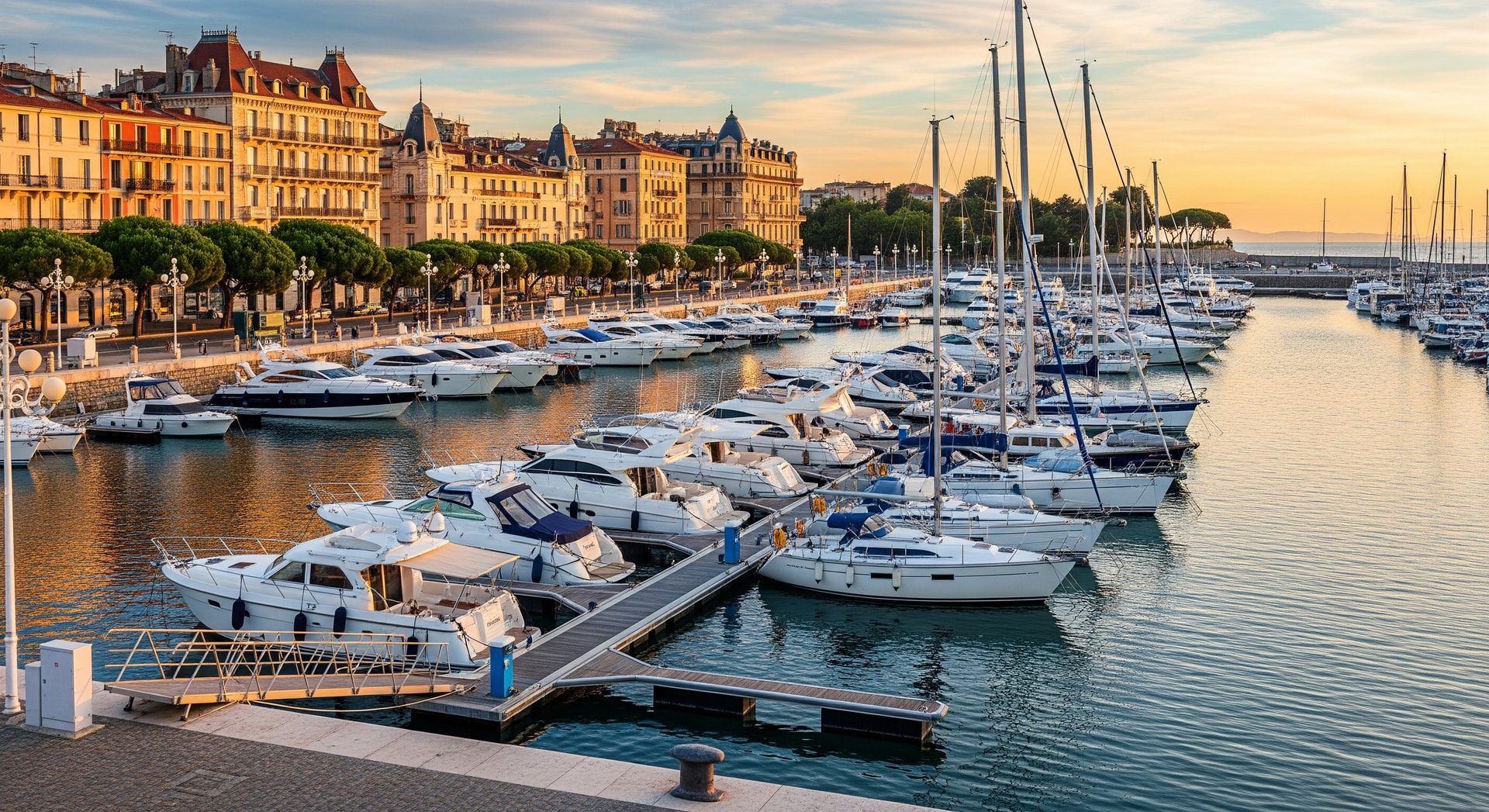
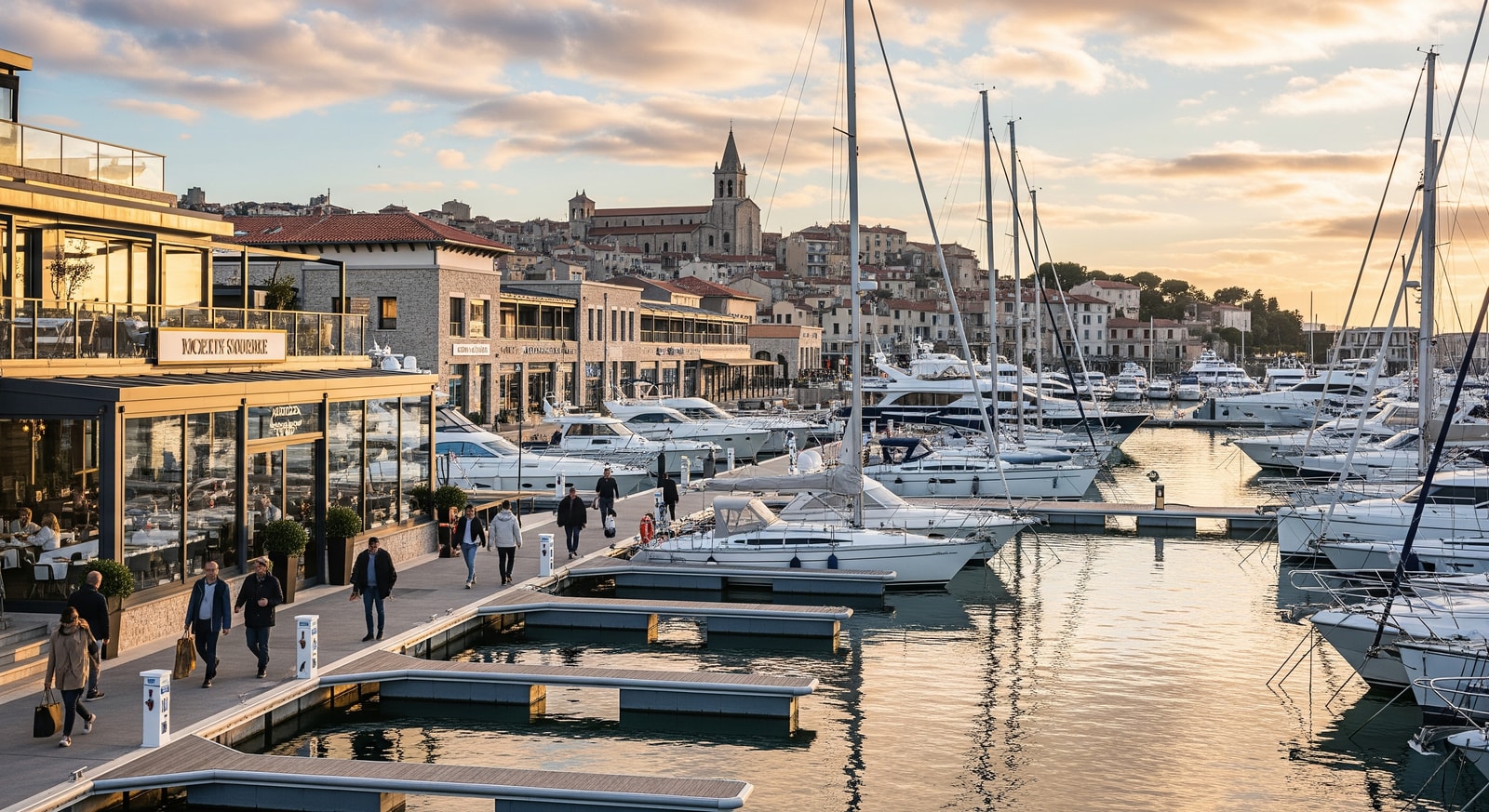
A central aim of the coalition is to secure targeted funding for waterway infrastructure in the EU’s 2028–2034 budget. The request covers marina development, waterway services and improved links between coastal and inland waterways to enhance accessibility and tourism appeal.
- Construction of modern, eco-friendly marinas and upgraded docking facilities
- Investment in waterway services and connectivity between coastal and inland routes
- Measures to support multi-destination boat travel and better access for tourists
Fostering Regional Development and Sustainability
Integrating boating into the EU’s Sustainable Tourism Strategy supports broader regional development goals. Investments in waterway infrastructure are expected to unlock underdeveloped coastal and inland areas, offer new revenue streams for local businesses and create durable employment opportunities in tourism-dependent communities.
Well-planned waterways and marinas can promote multi-destination itineraries, linking cities, towns and cultural sites by an environmentally friendlier transport mode than car or air travel. This aligns with the EU’s aim to reduce carbon footprints while expanding tourism beyond traditional hotspots.
A Collective Push to Influence Policy
The Active Tourism Coalition comprises 20 associations representing activities such as cycling, walking and boating. Together, they plan to advise EU policymakers and lobby for the prioritisation of active tourism in legislation and funding decisions to ensure long-term growth and sustainability.
What This Means for Travellers and the Industry
If the coalition succeeds, travellers can expect improved marina facilities, more accessible waterways and expanded opportunities for sustainable boat-based itineraries across Europe. For the tourism industry, the proposed funding would support jobs, stimulate local economies and encourage investment in eco-friendly infrastructure.
So what? Prioritising boating and active tourism signals a strategic shift in EU planning: travellers gain more low-impact options to explore Europe, and regions outside major tourist centres could benefit from new income and employment as waterways become integrated into wider sustainable tourism networks.
Sources