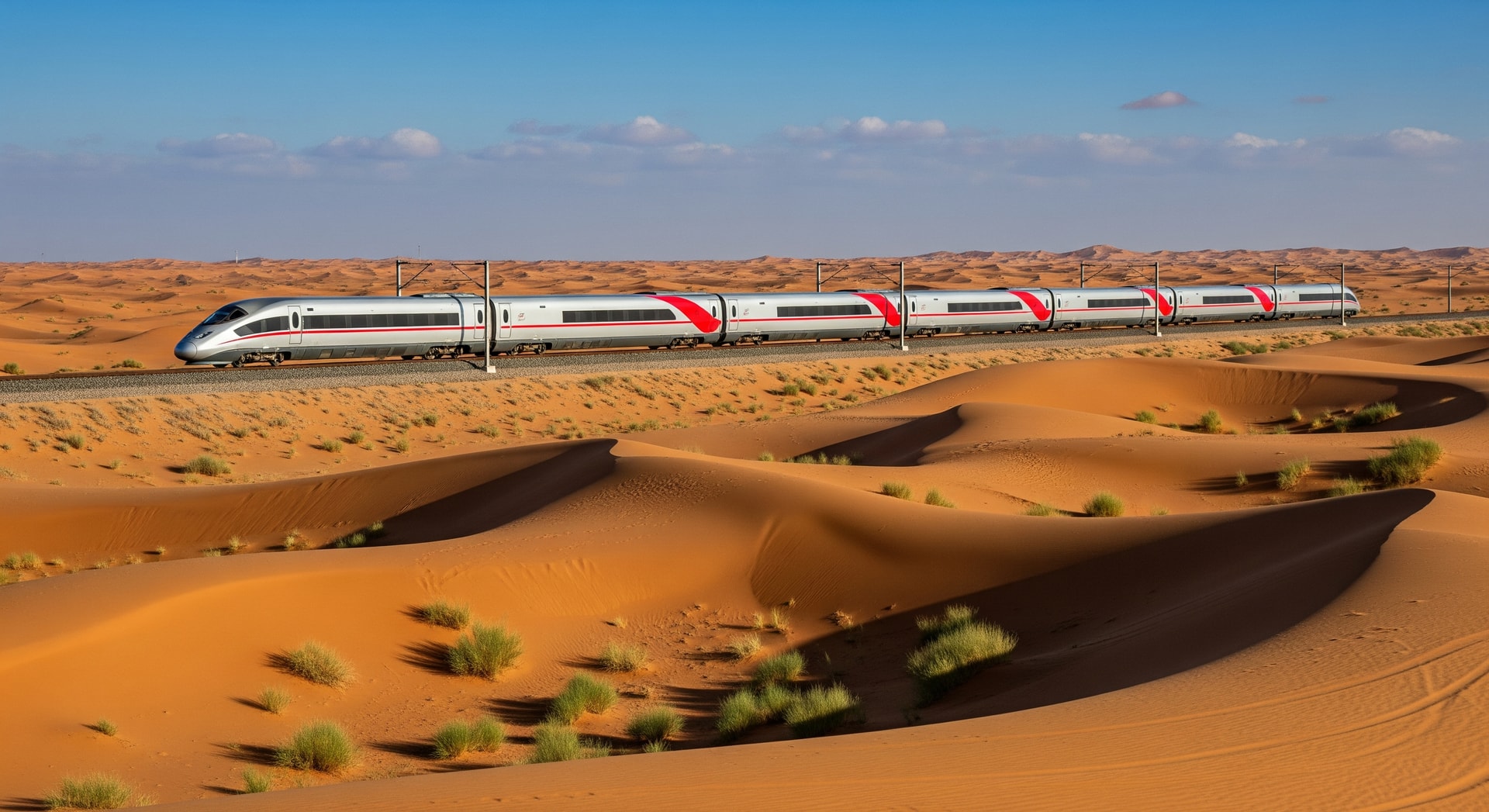
UAE high-speed rail plans advanced as Etihad Rail awards over $8 billion in design and construction contracts to deliver a high-speed line linking Abu Dhabi and Dubai, due in 2030.
Summary: UAE high-speed rail takes a major step forward as Etihad Rail awards more than $8 billion in design and construction contracts for the first high-speed line connecting Abu Dhabi and Dubai, scheduled to open in 2030.
Etihad Rail has issued contracts exceeding $8 billion to design and build a high-speed railway that will link Abu Dhabi and Dubai, part of a wider effort to establish a modern, high-capacity rail network across the United Arab Emirates. The service is planned to begin operations in 2030 and is positioned as a faster, more sustainable alternative to current road and air travel.
A transformative investment in UAE transport
Officials say the high-speed line will be a landmark project for the UAE, delivering rapid, high-volume rail capacity between the country’s two largest cities. The initiative reflects rising demand as the UAE’s economy and population expand, and intends to create a reliable alternative to congested roads.
Faster travel between Abu Dhabi and Dubai
The new route will directly connect Abu Dhabi and Dubai, substantially shortening current journey times. At present, driving between the two cities typically takes about 90 minutes to two hours depending on traffic; the high-speed service will reduce that duration to a fraction of current road travel times, improving convenience for commuters, business travelers and tourists.
Contracts cover design, tracks, stations and advanced systems
The awarded agreements span the full scope of delivery: infrastructure design, construction of the high-speed track, development of modern stations and the integration of advanced operational technologies. Etihad Rail has engaged both international and local construction firms to execute the programme.
- Total contract value: over $8 billion
- Scope: design, track construction, stations, and systems
- Target operations start: 2030
- Participants: international and local construction firms
Sustainability and emissions reductions
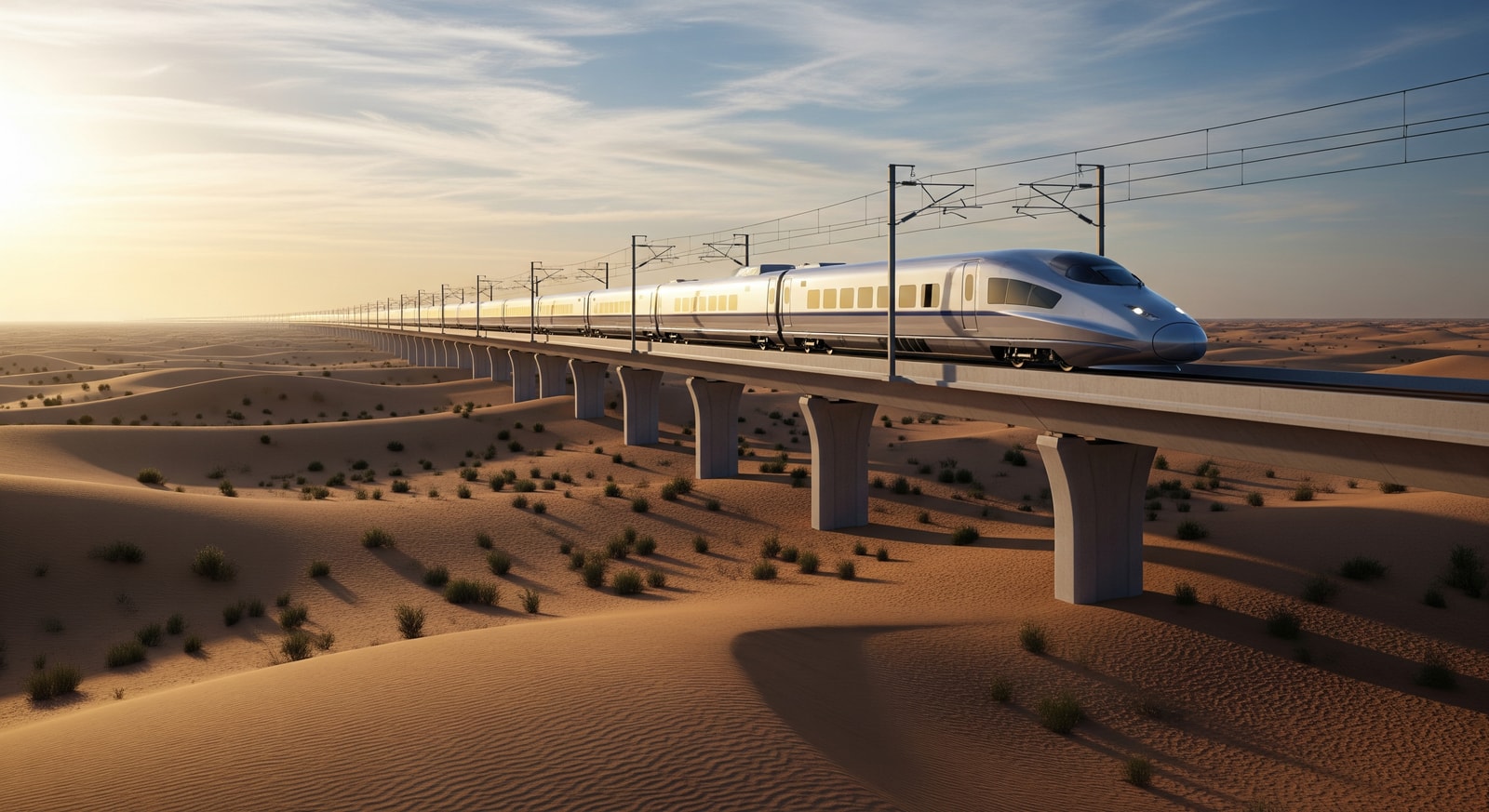
Etihad Rail has emphasised sustainable design throughout the project. The system will include energy-saving technologies and aims to shift journeys away from private cars and short-haul flights, helping to cut congestion and lower carbon emissions in line with national environmental goals.
Economic and tourism impacts
Beyond environmental benefits, the line is expected to stimulate economic activity in both Abu Dhabi and Dubai by improving access for business and leisure travellers. Faster intercity travel should encourage meetings, events, and sightseeing across the two hubs, while also creating opportunities for investment in related sectors such as hospitality and retail.
A prototype for regional rail development
Etihad Rail’s project could set a template for future high-speed routes in the Middle East as countries explore expanded rail links, electric trains and smart mobility solutions. Observers say the UAE’s initiative demonstrates how large-scale rail investment can support broader goals of regional connectivity and sustainable transport.
With construction now underway under the newly awarded contracts, work will continue over the coming years to meet the 2030 operational target. Authorities and contractors will be focused on delivering a safe, reliable and efficient service that meets technical and environmental standards.
What this means for travellers and the industry
The arrival of a high-speed rail option between Abu Dhabi and Dubai will give travellers a fast, predictable and low-carbon choice for intercity journeys. For businesses, it promises greater flexibility for same-day travel and regional collaboration; for the transport sector, it signals growing investment in rail infrastructure and green mobility.
So what? The Etihad Rail contracts mark a pivotal step toward a 2030 high-speed connection that will shorten journeys, reduce emissions and boost economic ties between Abu Dhabi and Dubai—changing how residents, visitors and companies move across the UAE.
Sources