Aer Lingus Washington Dulles: Aer Lingus will replace one daily A321LR/XLR rotation with an A330 widebody on Dublin–Washington Dulles from May 25 to October 24, 2026, increasing summer seat capacity.
Summary: Aer Lingus will reduce A321LR/A321XLR frequency on Dublin–Washington Dulles from two daily narrowbody rotations to one, and operate the second daily service with an A330-200 or A330-300 from May 25 to October 24, 2026, boosting overall summer seat capacity.
Aer Lingus Washington Dulles schedules will change for summer 2026 as the Irish carrier swaps one of its two daily A321LR/A321XLR services for a larger Airbus A330 variant during the peak season. The adjustment runs from May 25 until October 24, 2026, and is intended to increase total seat availability on the Dublin–Washington Dulles corridor at the busiest time of year.
What Aer Lingus is changing
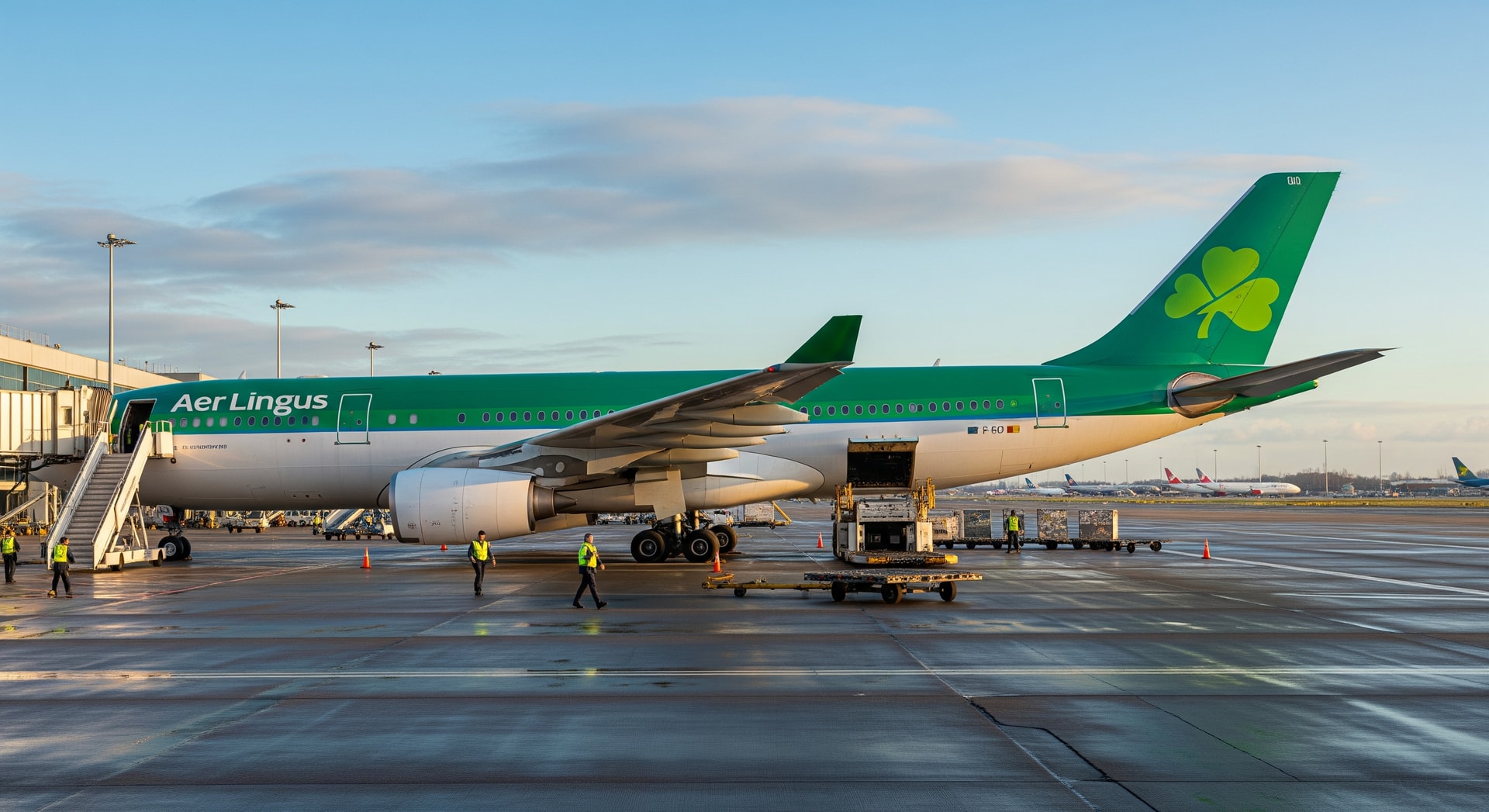
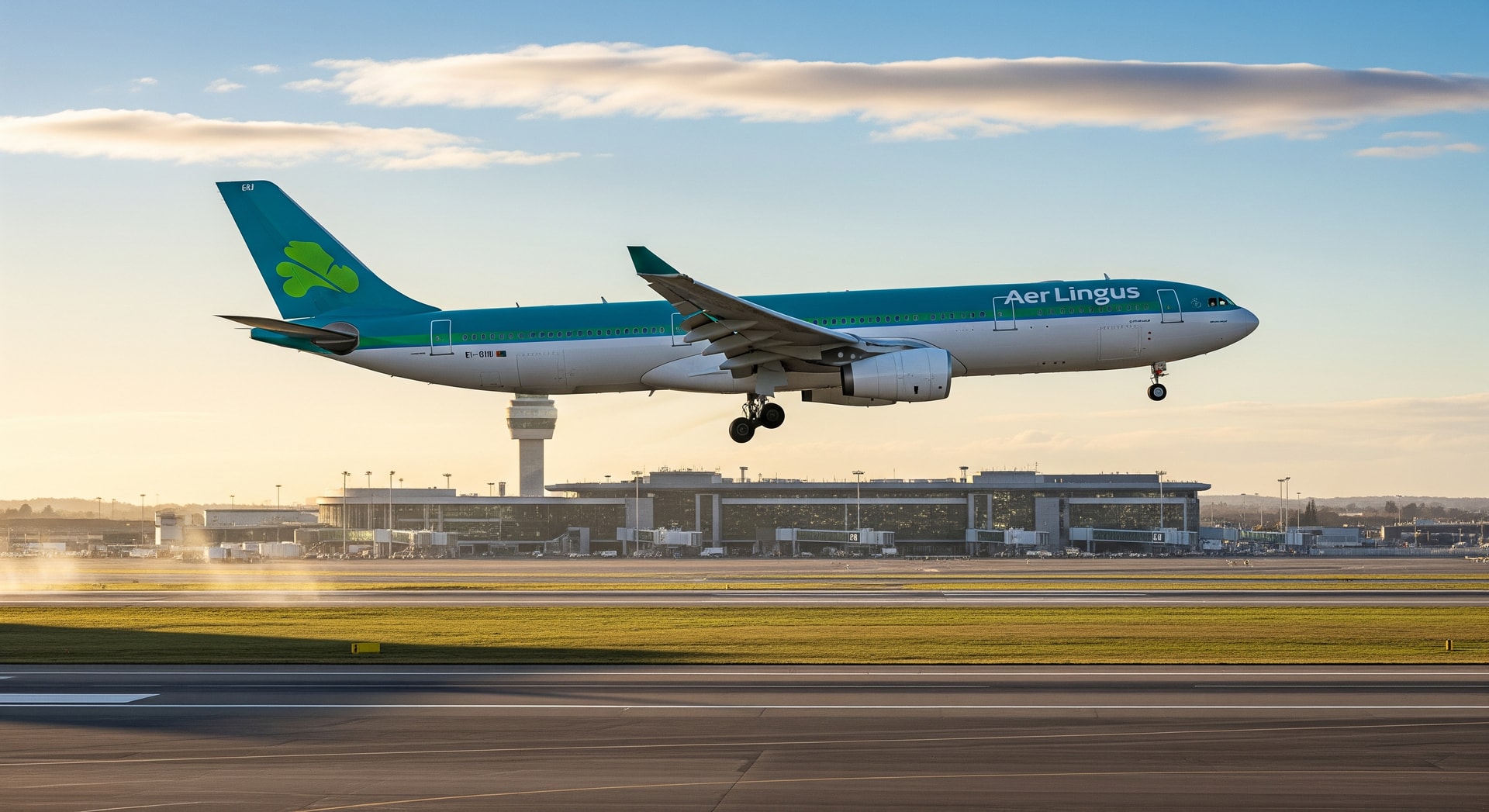
From May 25 to October 24, 2026, one of the two daily Dublin–Washington Dulles rotations currently flown by the 184-seat A321LR or A321XLR will be operated instead by an Airbus A330-200 or A330-300. The remaining daily departure will continue on the A321LR or A321XLR.
The move does not represent a net capacity cut: when the A330-300 is used for the second daily service, seats per flight increase by more than 70 percent compared with the narrowbody configuration, and premium (business class) seats on that frequency nearly double.
Why the airline can add widebody capacity
A330 availability has risen after Aer Lingus closed its Manchester base, allowing wider deployment of widebody aircraft back into Dublin long-haul services. The change therefore reflects fleet flexibility as much as seasonal demand planning.
The schedule change also frees one narrowbody airframe. While there has been speculation that the aircraft could be redeployed to routes such as Barbados, that Caribbean service is scheduled only through May, leaving its longer-term use unconfirmed.
How the A321LR and A321XLR are treated
Published schedules list the A321LR and A321XLR interchangeably because Aer Lingus fits both with the same seating layout: 184 seats in total, including 16 in business class and 168 in economy. Both variants operate under the same IATA code, 32Q, so passengers see no distinction at booking.
Route performance and seasonal context
The Dublin–Washington Dulles service carried 178,608 passengers between November 2024 and October 2025, making Dulles the fourth busiest US destination from Dublin after New York JFK, Boston, and Chicago O’Hare. When the route was operated entirely with 184-seat narrowbodies over that 12-month period, it recorded a load factor of 74.8 percent.
By comparison, United recorded a 72.5 percent load factor on the same route in that window, while Aer Lingus’ overall US network averaged a 76.4 percent load factor. Month-to-month seasonality is evident: February 2025 logged a 60.9 percent load factor and November 2024 reached 63.1 percent.
- Change period: May 25 to October 24, 2026
- Narrowbody capacity: A321LR/A321XLR — 184 seats (16 business, 168 economy)
- Widebody types: A330-200 or A330-300 (substantial capacity increase)
- IATA code for A321LR/XLR configuration: 32Q
- Route passengers Nov 2024–Oct 2025: 178,608
Network implications and broader summer planning
Q3 is critical for transatlantic profitability, and for summer 2026 Aer Lingus plans an average of nearly 13 daily narrowbody departures from Dublin and Shannon to the United States across 14 US routes. From Dublin these include Boston, Cleveland, Hartford, Indianapolis, Minneapolis, Nashville, Newark, New York JFK, Philadelphia, Pittsburgh, Raleigh/Durham, and Washington Dulles; Shannon will continue to serve Boston and New York JFK.
Although the Dulles switch equates to a 7 percent week-over-week reduction in LR/XLR frequency on that specific pairing, overall the carrier expects growth: Aer Lingus plans 19 percent more US flights on the A321LR/XLR fleet in Q3 2026 than in Q3 2025, indicating this adjustment is part of a broader network optimisation.
Why this matters to travellers and the industry
Passengers will still have two daily departures between Dublin and Washington Dulles during summer, preserving schedule options and connections through Dublin, while the introduction of larger A330 equipment increases total seats and premium cabin availability when demand peaks. For the industry, the change highlights how airlines balance frequency and aircraft size to maximise yield in seasonal markets.
So what? The adjustment means more seats and better premium availability for busy summer months without removing a daily connection. Travelers planning peak-season trips can expect expanded options, while industry observers will watch where the freed narrowbody frames are redeployed as Aer Lingus continues to refine its transatlantic footprint.
Sources