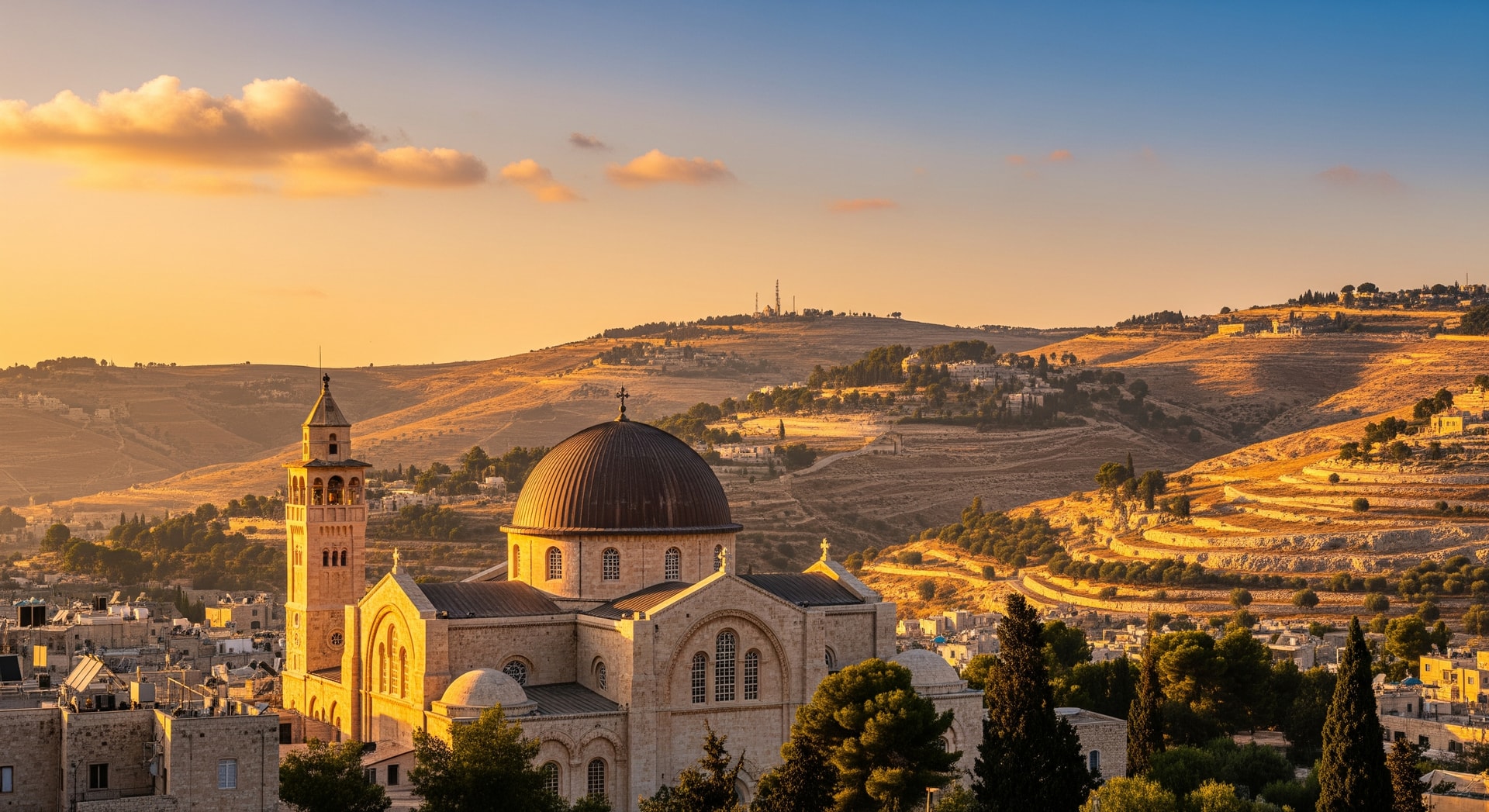
Palestine, State of flag

Get Your Palestine Visa Online

Fast visa processing for tourism, pilgrimage, and business — discover ancient cities and sacred sites

4.6Trustpilot

Check Visa Requirements

See if you need a visa for Palestine, State of

Please select your passport
Where are you going?

How to Get Your Palestine Visa

Simple 4-step process — most applications processed within 5-7 business days

1

Complete the online application

Fill out our comprehensive application form with your personal details, travel dates, and purpose of visit. Our intelligent validation system guides you through each section, ensuring your application meets all requirements for entry to the Palestinian Territories through Israeli-controlled border crossings.

2

Upload your documents

Submit your passport scan (bio page clearly visible), a recent passport-sized photograph, proof of accommodation in the Palestinian Territories, and any invitation letters if applicable. Our visa specialists review every document before submission to maximize your chances of approval.

3

We process your application

Your verified application is carefully processed through the appropriate coordination channels. We monitor your application status in real-time and proactively communicate any updates, requests for additional documentation, or status changes via email and SMS throughout the process.

4

Receive your travel authorization

Upon approval, you'll receive your travel documentation by email. Print all documents clearly and carry them with your passport. Marhaba — welcome to Palestine, land of ancient history, sacred sites, and warm hospitality!
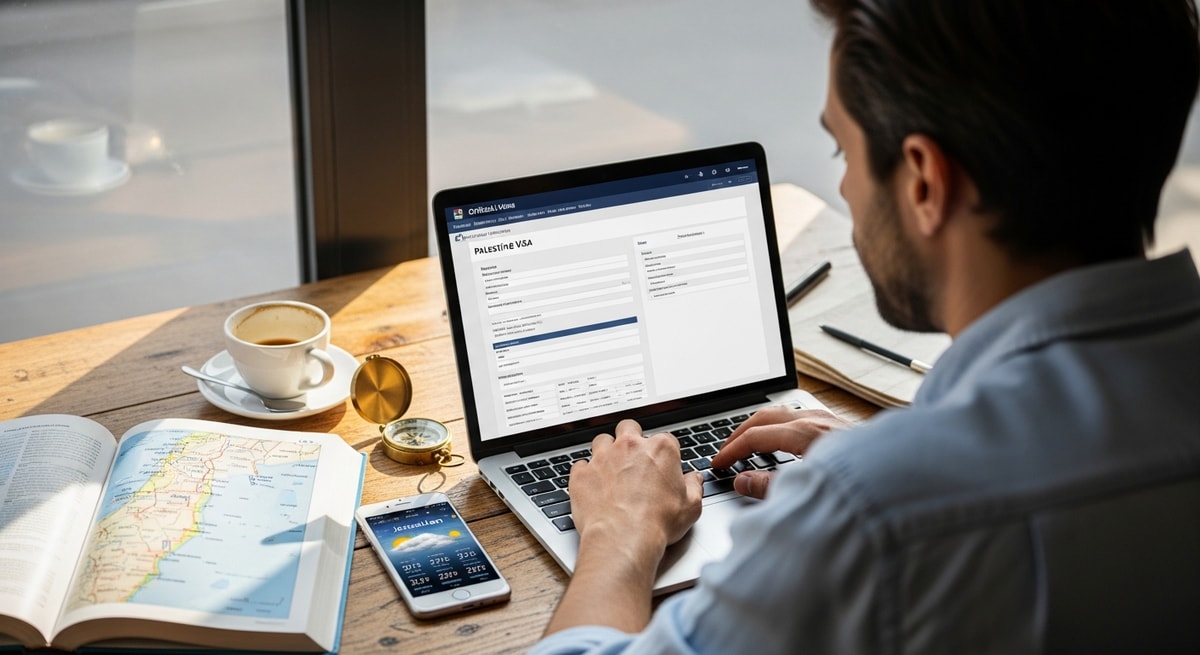
Traveler using laptop to apply for Palestine visa while planning pilgrimage to Holy Land
0+Happy Travelers
0/7Expert Support
0%+Approval Rate
0Customer Rating

Palestine Visa Requirements & Entry Information

Tourist Visa

Up to 90 days

For tourism, sightseeing, and visiting historic sites

Pilgrimage Visa

Up to 30 days

For religious pilgrimage to holy sites in Palestine

Business Visa

Up to 90 days

For business meetings, conferences, and trade activities

Transit Entry

Up to 72 hours

For travelers passing through to other destinations

Essential Requirements

  • 📘Passport valid 6+ months with 2 blank pages
  • 📷Passport photo 35x45mm, white background
  • 🏨Hotel booking or invitation from Palestinian host
  • ✈️Confirmed travel itinerary and return ticket
  • 💰Proof of sufficient funds for your stay
  • 🏥Travel insurance covering the Palestinian Territories

Tourist & Pilgrimage Entry
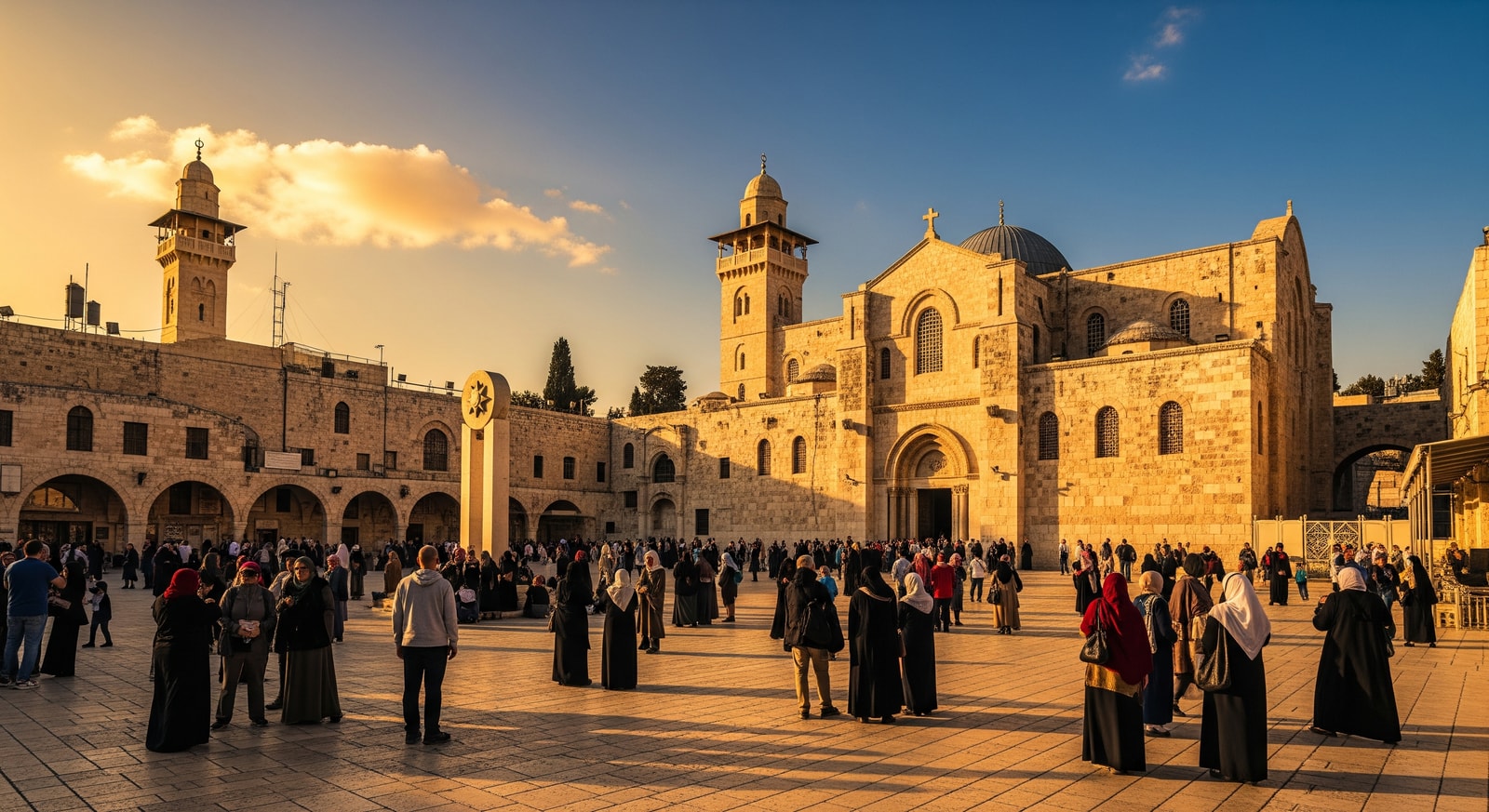
Visiting the Palestinian Territories requires understanding the unique entry situation in this historically significant region. Access to the West Bank and Gaza Strip is managed through coordination with Israeli authorities, as all international entry points are Israeli-controlled. Tourist Entry to the West Bank Most international visitors can enter the West Bank through Israel using their Israeli tourist visa or visa-free entry. Upon arrival at Ben Gurion Airport or land borders, you receive an Israeli entry permit that allows travel to Palestinian cities including Bethlehem, Ramallah, Jericho, Nablus, and Hebron. Tourism activities include visiting ancient churches, mosques, archaeological sites, and experiencing Palestinian culture and hospitality. Pilgrimage Visits Palestine holds profound significance for Christians, Muslims, and Jews worldwide. The Church of the Nativity in Bethlehem, the Ibrahimi Mosque in Hebron, and numerous other sacred sites draw millions of pilgrims annually. Religious tour groups often coordinate through Palestinian tourism agencies who arrange permits and logistics for smooth pilgrimage experiences. Entry Considerations Travel to the Palestinian Territories requires flexibility and awareness of current conditions. Checkpoints between Israeli and Palestinian areas are common, and travel times can vary. Most visitors find the experience rewarding, with warm Palestinian hospitality and access to sites of immense historical and spiritual importance.
The Church of the Nativity in Bethlehem with Manger Square and pilgrims gathering at sunset
Church of the Nativity — Birthplace of Jesus Christ in Bethlehem

Business & Special Purpose Entry

Business Entry Business travelers visiting the Palestinian Territories for commercial activities can enter through Israel with appropriate documentation. This includes attending business meetings with Palestinian companies, trade fairs, investment exploration, and professional conferences. Many international organizations, NGOs, and businesses operate in Ramallah, the administrative center of the Palestinian Authority. NGO & Humanitarian Workers International staff working with NGOs, UN agencies, and humanitarian organizations often require coordination permits beyond standard tourist entry. Organizations typically handle permit applications through established channels with Israeli and Palestinian authorities. Processing times vary and advance planning is essential. Academic & Research Visits Scholars, researchers, and students visiting Palestinian universities such as Birzeit University, An-Najah National University, or conducting research in the territories may need additional coordination. Academic institutions often assist with necessary documentation and travel logistics. Journalist & Media Entry Media professionals require press credentials and should coordinate with relevant authorities before travel. The Palestinian Ministry of Information in Ramallah can provide guidance on media access and accreditation requirements.
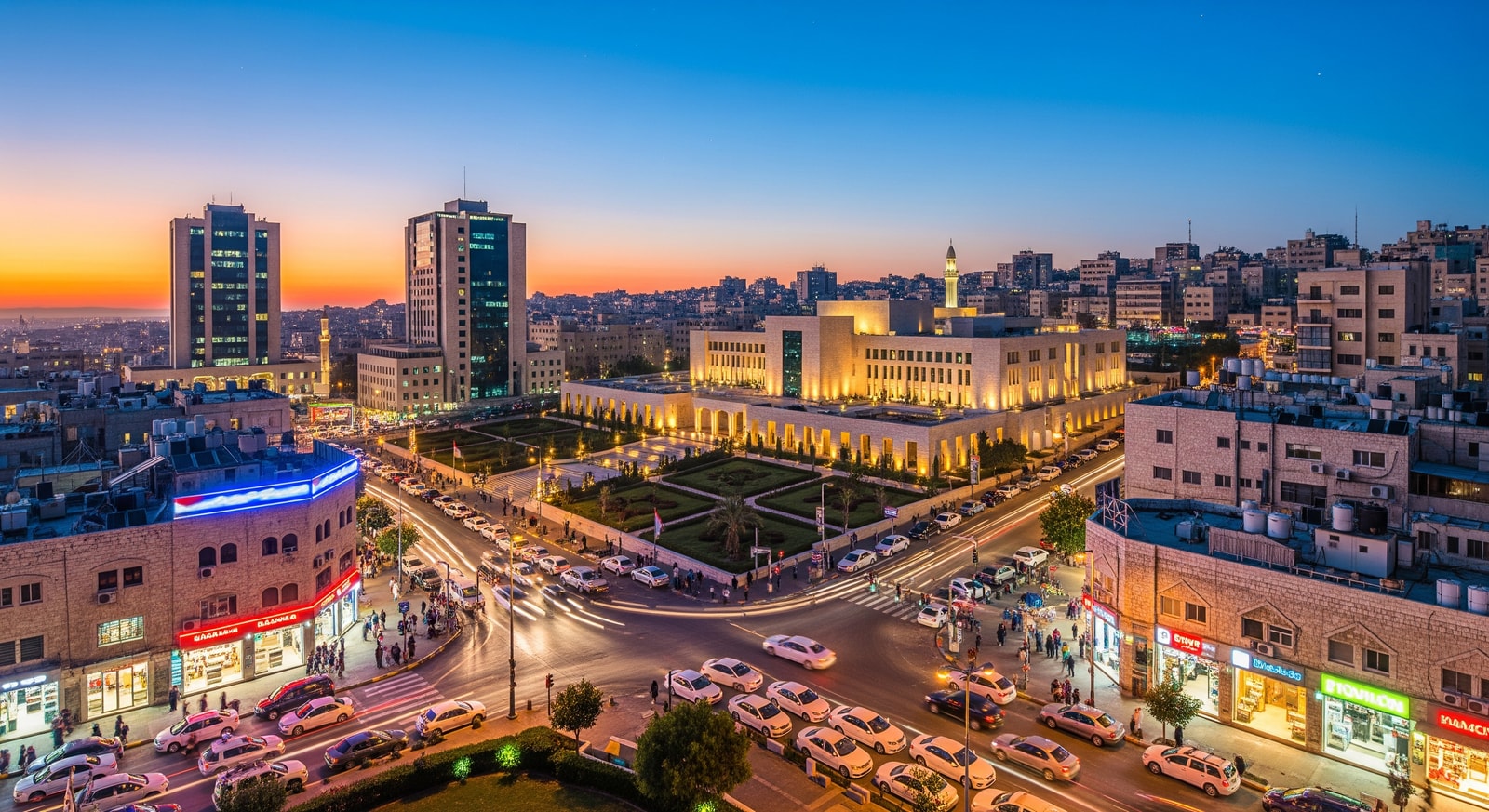
Modern downtown Ramallah cityscape with the Muqataa presidential compound and bustling streets
Ramallah — Administrative capital and cultural hub of Palestine

Entry Requirements & Documentation

Essential Requirements All visitors to the Palestinian Territories must meet these fundamental requirements: • Passport validity: Minimum 6 months beyond your intended stay with at least two blank pages for stamps • Israeli entry requirements: Since entry is through Israel, you must meet Israeli visa requirements for your nationality • Accommodation proof: Hotel reservations or invitation letter from a Palestinian host • Travel itinerary: Details of your planned activities and destinations within Palestine • Sufficient funds: Evidence of financial means to support your stay • Travel insurance: Comprehensive coverage including the Palestinian Territories Important Considerations Immigration officers at Israeli entry points may ask detailed questions about your travel plans, particularly if visiting Palestinian areas. Be prepared to explain your itinerary, accommodations, and purpose of visit. Having documented reservations and clear travel plans facilitates smoother entry. Visa-Free Access Citizens of many countries including USA, UK, EU nations, Australia, and Canada can enter Israel visa-free for tourism, which permits travel to most West Bank areas. Check current Israeli visa requirements for your specific nationality before travel.
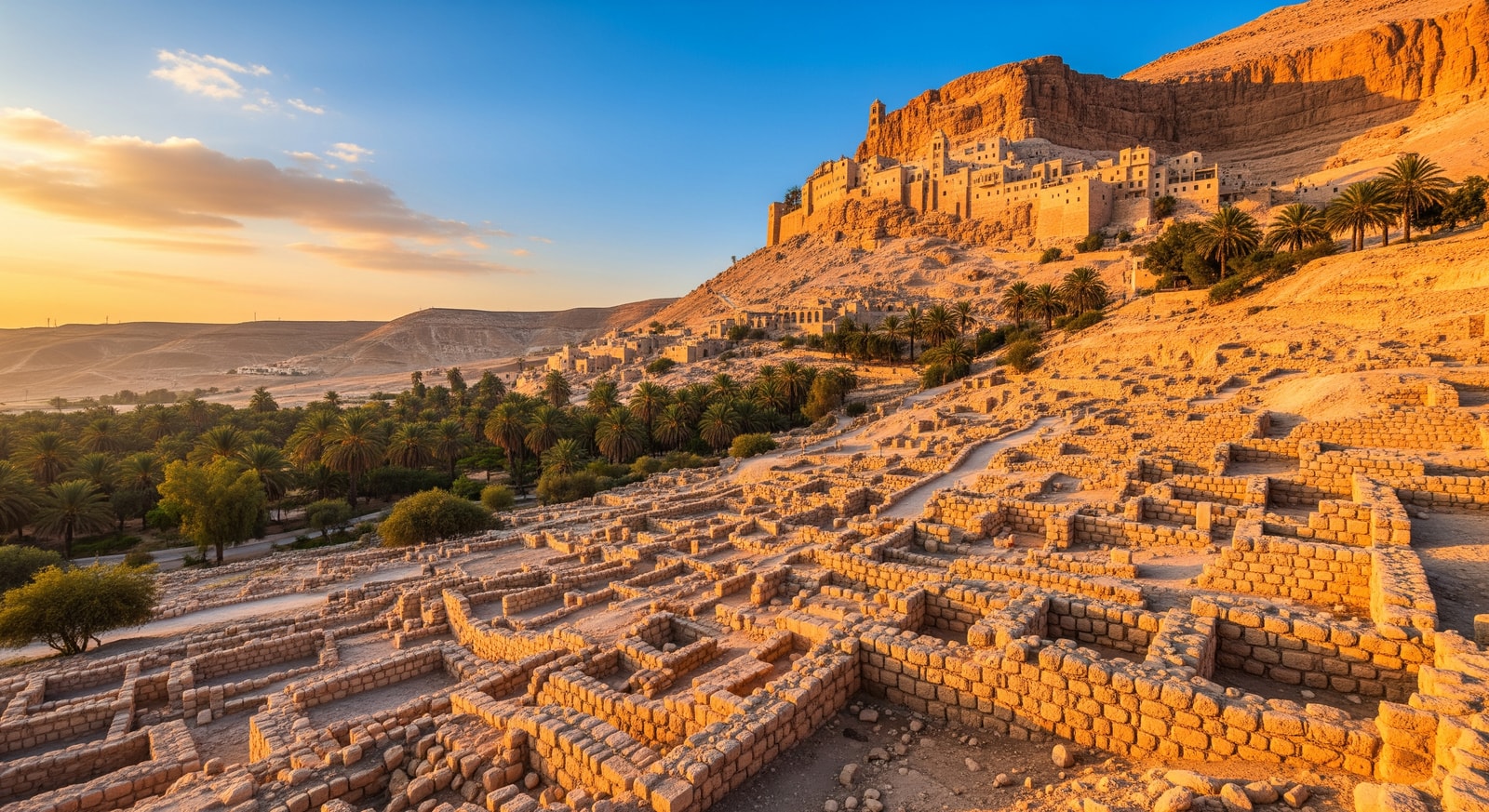
Ancient ruins of Jericho with the Mount of Temptation monastery visible on the cliffside
Jericho — One of the oldest continuously inhabited cities on Earth

Entry Points & Travel Tips

Entry Points International visitors access the Palestinian Territories through Israeli-controlled entry points: • Ben Gurion Airport (TLV): The primary international gateway near Tel Aviv. From here, travelers can reach Bethlehem in approximately 1 hour and Ramallah in about 45 minutes • Allenby/King Hussein Bridge: Land crossing from Jordan, the most common entry for visitors coming from Amman. This crossing provides access to Jericho and the Jordan Valley • Other land crossings: Taba (Egypt) and other northern crossings provide alternative routes Getting Around Palestine Within the West Bank, shared taxis (service) and buses connect major cities. Private taxis and rental cars are available, though driving requires awareness of checkpoint locations and restricted roads. Many visitors hire local guides or join organized tours for convenience and local insights. Travel TipsPlan ahead: Book accommodations in advance and have printed confirmations • Allow extra time: Checkpoint crossings can cause delays, especially on Jewish holidays and Fridays • Respect local customs: Dress modestly when visiting religious sites • Stay informed: Check travel advisories and local conditions before and during your trip • Currency: The Israeli New Shekel (ILS) is the primary currency used in Palestinian areas
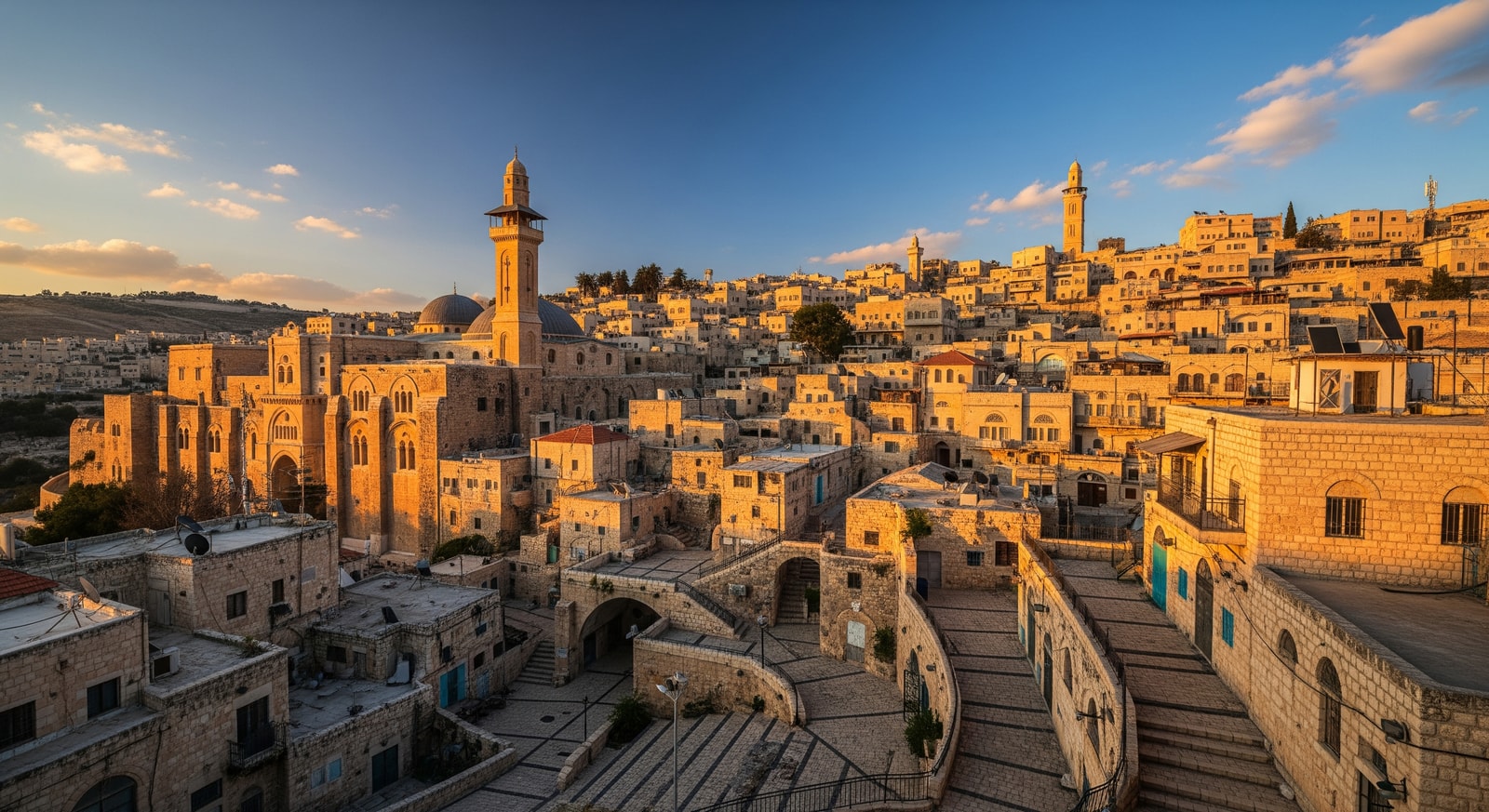
The historic old city of Hebron with the Ibrahimi Mosque and traditional stone architecture
Hebron — Ancient city sacred to three faiths

Why Choose DoVisa?

See the difference between applying yourself vs using our expert service

Feature
📋Applying Yourself
With DoVisa
Application reviewExpert review before submissionNo expert check100% reviewed by experts
Document validationCheck documents meet requirementsRisk of rejectionPre-checked for errors
Customer supportHelp when you have questionsGovernment offices only24/7 dedicated support
Form guidanceAssistance filling out formsComplex forms aloneStep-by-step guidance
Status trackingKnow where your application isManual checkingReal-time updates
Refund if deniedProtection if visa is rejectedNo refund possibleMoney-back guarantee

Check Your Requirements

See what you need for Palestinian Territories

Please select your passport
Where are you going?
1,000+Travelers assisted
24/7Expert support
4.7Customer rating
97%Success rate

Certified Customer Reviews

Travelers to Palestinian Territories rated this product 4.7 out of 5 based on 9 reviews.

4.7/ 5
Based on 9 verified reviews

Filter by rating

Maria S.Jan 15, 2026

"DoVisa helped us plan our pilgrimage to Bethlehem perfectly. The guidance on entry requirements was invaluable. Visiting the Church of the Nativity was a life-changing experience!"

Ahmad K.Jan 8, 2026

"Excellent service for my business trip to Ramallah. The team provided clear instructions and all the documentation I needed."

Catherine L.Dec 28, 2025

"Good support throughout the process. The checkpoint information was helpful for planning our travel between cities."

David M.Dec 15, 2025

"Our church group visited Palestine thanks to DoVisa's expert coordination. Bethlehem, Jericho, and Hebron — unforgettable spiritual journey!"

Sarah T.Nov 30, 2025

"Great experience! The 24/7 support was reassuring during our Holy Land tour. Staff answered all my questions promptly."

Michael R.Nov 12, 2025

"Professional service with detailed travel guidance. The entry process was smooth with all the documentation DoVisa provided."

Elena P.Oct 25, 2025

"Visiting Palestine to see my family was made much easier. DoVisa understood the unique requirements perfectly."

James B.Sep 18, 2025

"Helpful team with good knowledge of the region. They provided realistic expectations about travel conditions."

Fatima A.Aug 5, 2025

"Wonderful service for arranging my research visit to Birzeit University. The team handled everything professionally."

Palestine Visa FAQs

What types of visas are available for visiting Palestine?
Entry to the Palestinian Territories is primarily through Israel, so you'll need to meet Israeli entry requirements. Tourist entry allows visits to Palestinian cities including Bethlehem, Ramallah, Jericho, Nablus, and Hebron for sightseeing, cultural experiences, and pilgrimage. Business entry permits commercial activities, meetings, and professional conferences. Humanitarian and NGO coordination requires additional permits arranged through organizations. Academic visits for research or study at Palestinian institutions may need special coordination. The appropriate entry type depends on your nationality, purpose of visit, and duration of stay.
Do I need a separate visa for Palestine?
The Palestinian Territories do not issue independent visas as entry points are controlled by Israel. For most visitors, you enter through Israel using either your Israeli visa or visa-free entry privileges, which allows travel to most West Bank areas. The Israeli entry permit typically allows stays of up to 90 days and permits visits to Palestinian cities. Important note: Gaza has different and more restricted entry requirements due to ongoing political situations. For West Bank visits, focus on meeting Israeli entry requirements while having clear documentation of your Palestinian itinerary.
Who needs special coordination to visit Palestine?
While many tourists can visit Palestinian areas using their Israeli tourist entry, certain visitors need additional coordination: Humanitarian workers with NGOs and international organizations often require coordination permits. Journalists and media professionals need press credentials and should coordinate with relevant authorities. People of Palestinian origin may face different entry procedures and should research requirements specific to their situation. Visitors planning extended stays or those with certain passport stamps may need additional documentation. DoVisa can help assess your specific situation and provide guidance on necessary preparations.
What documents do I need to visit Palestinian cities?
Essential documents for all visitors: Valid passport with at least 6 months validity and 2 blank pages; documents meeting Israeli entry requirements for your nationality; proof of accommodation in Palestine (hotel booking or invitation letter); detailed travel itinerary; evidence of sufficient funds for your stay; comprehensive travel insurance. Recommended additional documents: Return flight confirmation; business invitation letter if applicable; tour agency confirmation if joining an organized group; printed copies of all reservations. Having organized, clear documentation facilitates smoother entry at Israeli border controls.
How long can I stay in Palestine as a tourist?
Tourist stays in the Palestinian Territories are governed by your Israeli entry permit, which typically allows up to 90 days. This period covers your entire stay in Israel and the Palestinian areas combined. Extensions can sometimes be arranged through Israeli immigration authorities, though this requires valid justification and is not guaranteed. For longer stays, you may need to exit and re-enter or obtain specific visa arrangements. Most pilgrimage and tourism visits are comfortably completed within the 90-day period. Plan your itinerary to ensure you depart before your authorized stay expires.
Can I extend my stay in Palestine?
Extensions to your stay depend on Israeli immigration policies since they control entry and exit. Standard tourist extensions can be requested at Israeli Ministry of Interior offices, typically for 60-90 additional days. You'll need to provide justification, proof of funds, accommodation arrangements, and possibly updated travel insurance. Success is not guaranteed and processing can take time. Alternative option: Many travelers exit to a neighboring country (Jordan is most common) and re-enter to receive a fresh entry period. Plan your trip to avoid last-minute extension needs whenever possible.
Can I work in Palestine with a tourist visa?
No, tourist entry does not permit employment in the Palestinian Territories. Tourist visas are strictly for sightseeing, pilgrimage, visiting friends and family, and short-term leisure activities. Working legally in Palestine requires appropriate work authorization coordinated through your employer and relevant authorities. NGO and humanitarian work requires specific organizational coordination and permits. Volunteer work also typically requires coordination rather than tourist entry. Penalties for unauthorized work can include deportation and future entry restrictions. If you plan to work, ensure proper arrangements are made before travel.
Do I need to print my travel documents?
Yes, always carry printed copies of all travel documents when visiting Palestine. This includes your flight itinerary, hotel reservations, invitation letters, travel insurance, and any correspondence about your visit. At checkpoints between Israeli and Palestinian areas, security personnel may request documentation. Having clear printed copies facilitates smoother passage. Digital backups are recommended but not sufficient on their own — always have paper copies available. Keep copies in multiple locations: your carry-on bag, a secure pocket, and with a travel companion if applicable.
How long does entry processing take?
Entry to Palestine through Israeli border controls varies by entry point and circumstances. Ben Gurion Airport: Immigration processing typically takes 30 minutes to 2 hours depending on queue length and individual circumstances. Some travelers may be directed to secondary questioning. Allenby/King Hussein Bridge: This land crossing from Jordan can take 2-4 hours during busy periods. Factors affecting time: Holidays (Jewish and Muslim), weekends (Friday-Saturday), your nationality, previous travel history, and your stated purpose of visit all affect processing time. Allow generous buffer time in your travel plans.
What happens if I'm denied entry?
Entry denial at Israeli border controls, while uncommon for standard tourists, can occur. Common reasons: Incomplete documentation, previous immigration violations, concerns about stated travel purpose, or security-related issues. If denied: You'll typically be provided information about the denial reason if security permits. You may be able to reapply with improved documentation. Some nationalities have specific appeal processes. Prevention: Ensure documentation is complete and consistent; be truthful and clear about your travel plans; have detailed itinerary and accommodation proof; consider traveling with an organized tour group for smoother entry.
What is the best time to visit Palestine?
Palestine offers meaningful travel experiences year-round, with the best conditions depending on your priorities. Spring (March-May): Ideal weather with comfortable temperatures (15-25C), wildflowers blooming, and Easter pilgrimage season in Bethlehem — book well in advance for Holy Week. Autumn (September-November): Pleasant temperatures, olive harvest season, and fewer crowds than spring. Summer (June-August): Hot (30-35C) but manageable with proper planning; fewer tourists and lower prices. Winter (December-February): Mild but occasional rain; Christmas in Bethlehem is extraordinary but extremely busy. Ramadan: A unique cultural experience, though some services have reduced hours during daylight fasting.
Is it safe to travel in Palestine?
Many thousands of tourists visit Palestinian cities safely each year, particularly organized pilgrimage groups and independent travelers. Generally safe areas: Bethlehem, Ramallah, Jericho, and major tourist sites have active tourism industries and welcome visitors warmly. Important considerations: The security situation can change; always check current travel advisories before and during your trip. Checkpoints are part of travel between areas — carry documents, allow extra time, and follow instructions from security personnel. Gaza has significantly different and more restricted conditions — most tourism is in the West Bank. Practical advice: Register with your embassy, have travel insurance, stay informed about local conditions, and consider guided tours for easier navigation.
Friendly DoVisa customer support team member helping traveler with visa application

Still have questions?

Our team is here to help 24/7

Ready to Explore Palestine?

Discover ancient history, sacred sites, and warm hospitality with DoVisa

Apply Now

Or apply via our mobile app

Download on App StoreGet it on Google Play

Explore Nearby Destinations