Simple 4-step process — most applications approved within 5-7 business days
1
Complete the online application
Fill out our streamlined application form with your personal details, travel plans, and safari itinerary. Our intelligent validation system guides you through each section, checking for common errors and ensuring your application meets Botswana Immigration requirements.
2
Upload your documents
Submit your passport scan (bio page clearly visible), a recent passport-sized photograph, proof of accommodation, and financial documentation. Our visa specialists review every document against Botswana Immigration standards before submission, significantly reducing the risk of rejection or delays.
3
We submit to Botswana Immigration
Your verified application is transmitted to Botswana's immigration authorities. We monitor processing status in real-time and proactively communicate any updates, requests for additional documentation, or status changes via email and SMS.
4
Receive your visa approval
Your approved Botswana visa arrives as confirmation documentation. Print it clearly and present it at Botswana immigration along with your passport. Dumela — welcome to one of Africa's last great wilderness destinations!
0+Happy Travelers
0/7Expert Support
0%+Approval Rate
0Customer Rating
Botswana Visa Requirements & Entry Information
Tourist Visa
Up to 90 days
Single entry for safari and leisure travel
Business Visa
Up to 90 days
For commercial activities and meetings
Transit Visa
Up to 72 hours
For passing through Botswana to another destination
Botswana welcomes visitors from around the world to experience its pristine wilderness, exceptional wildlife, and the magnificent Okavango Delta. The country maintains a straightforward visa system with many nationalities enjoying visa-free access for short stays.
Tourist Visa
The standard Botswana tourist visa allows stays up to 90 days within a 12-month period — perfect for safari holidays, exploring the Okavango Delta, visiting Chobe National Park, and experiencing the Kalahari Desert. This visa type suits most leisure travelers visiting Botswana. You can engage in tourism activities, visit friends and family, and attend non-commercial events. Extensions may be possible through the Immigration Department in Gaborone.
Visa-Free Access
Citizens of many countries including the United States, United Kingdom, European Union member states, Canada, Australia, and most Commonwealth nations do not require a visa for stays up to 90 days. A visa exemption stamp is issued on arrival.
Transit Visa
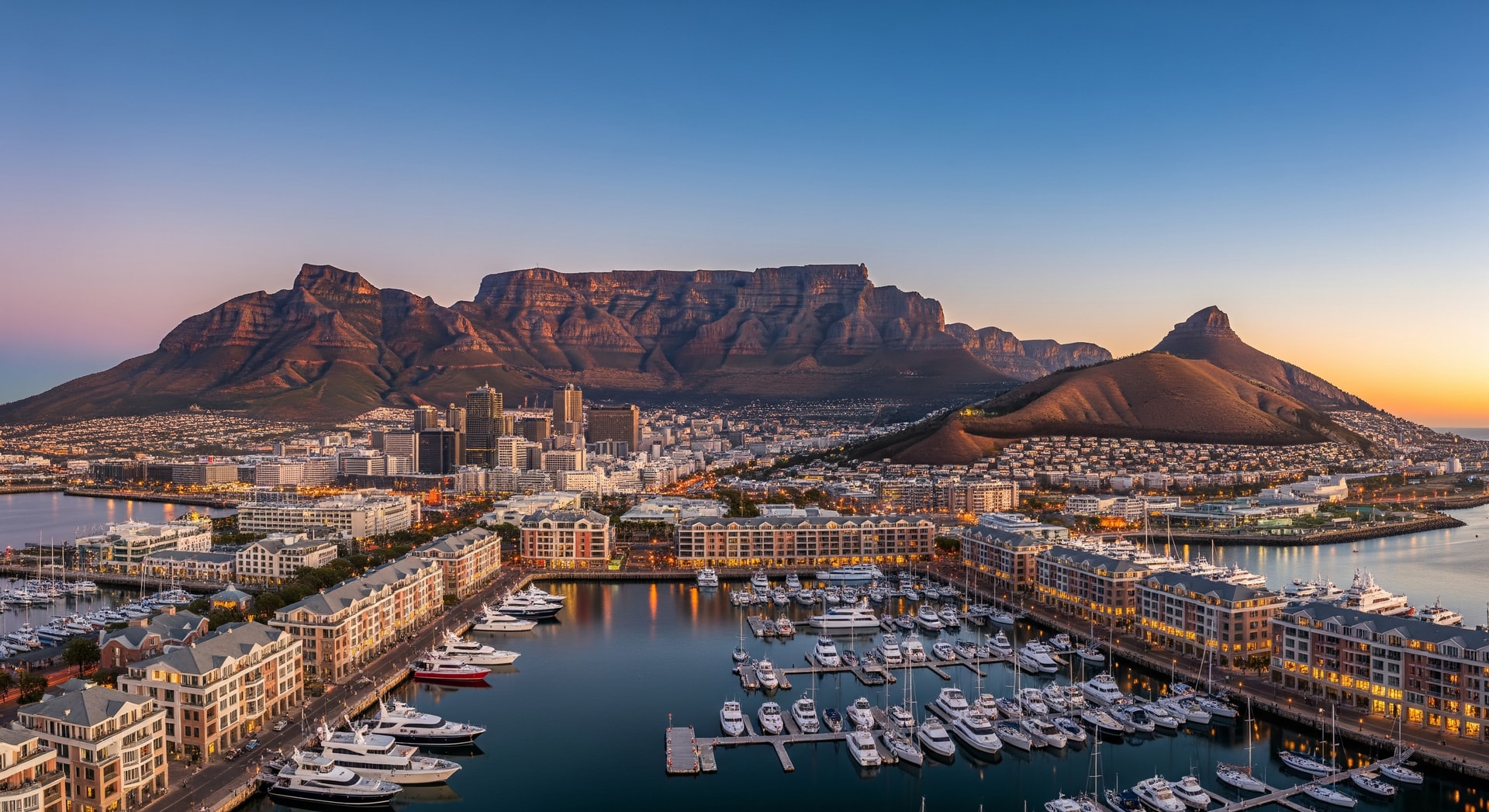
For travelers passing through Botswana en route to other destinations, a transit visa allows stays up to 72 hours. This is ideal for overland travelers crossing between South Africa, Namibia, Zimbabwe, and Zambia who wish to briefly explore Botswana during their journey.
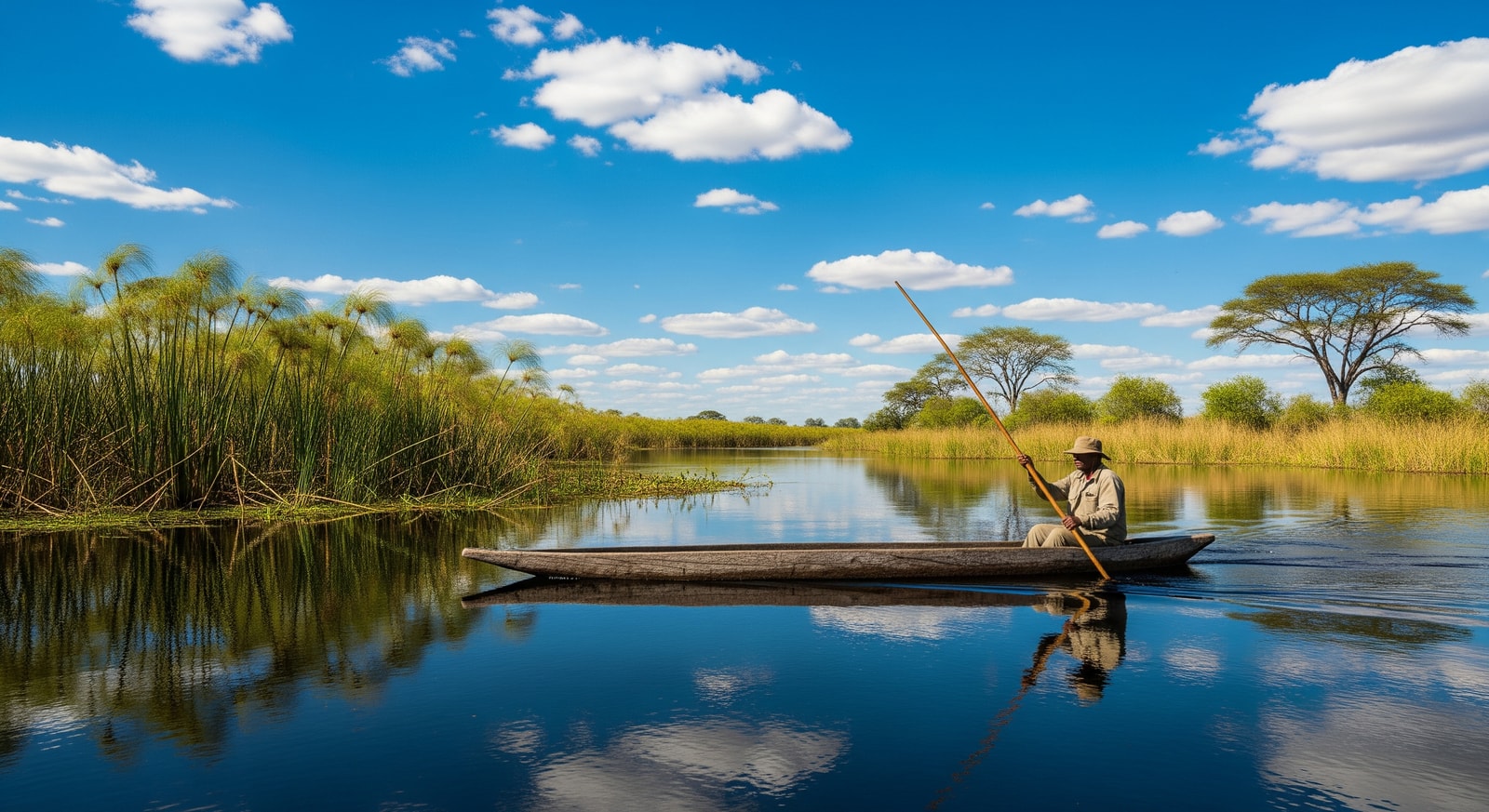
Okavango Delta — The world's largest inland delta and UNESCO World Heritage Site
Business & Conference Visas
Business Visa
The Botswana business visa caters to professionals conducting commercial activities within the country. This includes attending business meetings and trade fairs; exploring investment opportunities in Botswana's diamond, tourism, and agricultural sectors; establishing trade contacts; conducting market research; and negotiating contracts. Business visas allow stays up to 90 days and require documentation including an invitation letter from a Botswana-based company or organization.
Conference Visa
Botswana hosts numerous international conferences and events, particularly in Gaborone and Kasane. The conference visa is designed for delegates, speakers, and attendees of official conferences, seminars, workshops, and symposiums. This visa type typically allows stays up to 30 days and requires official conference registration documentation.
Diamond Industry Visitors
Botswana is the world's leading producer of gem-quality diamonds. Business visitors to the diamond sector, including those visiting Debswana operations or diamond trading facilities in Gaborone, should ensure they have appropriate business visa documentation and may require additional clearances depending on site access requirements.
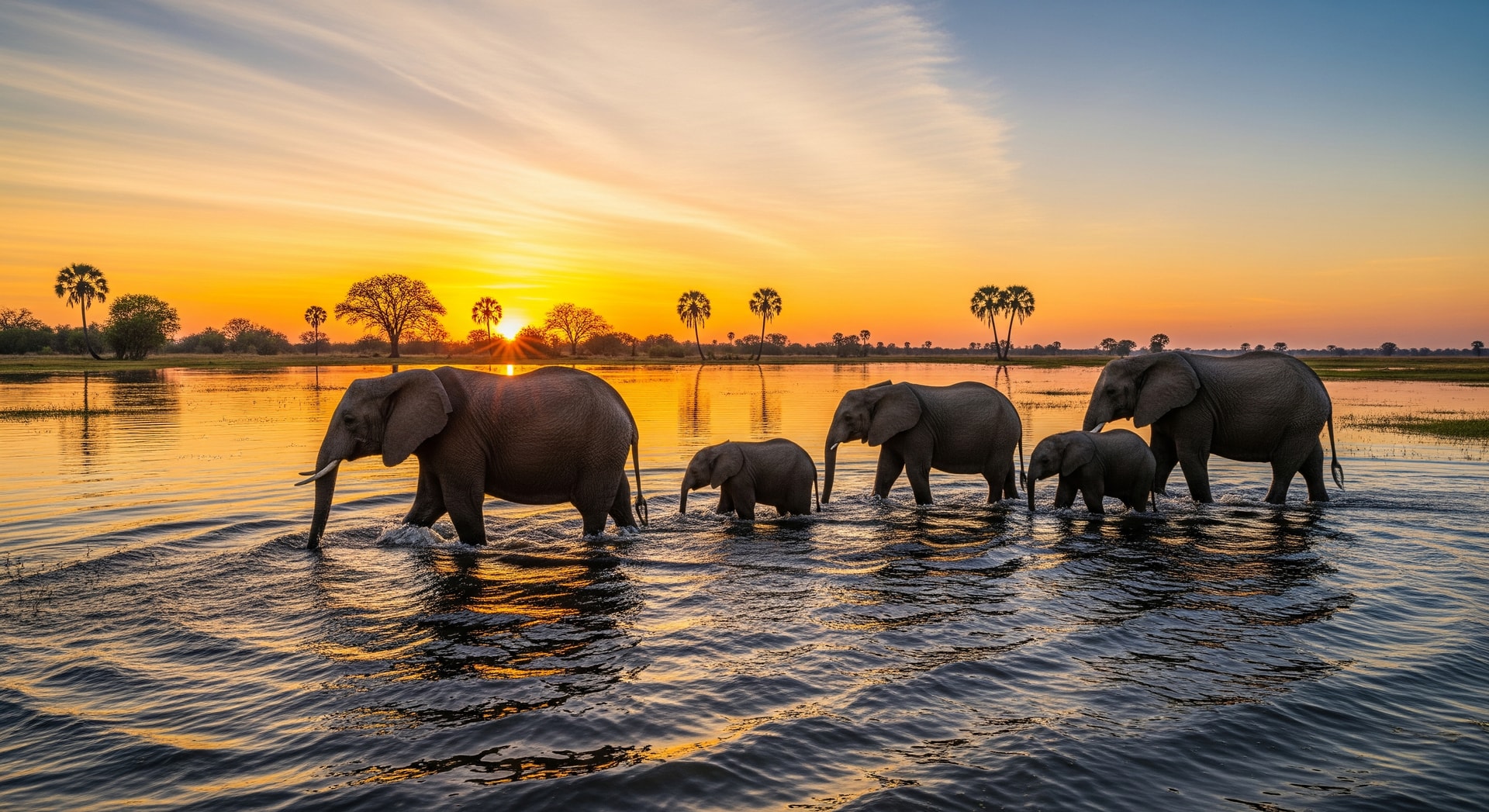
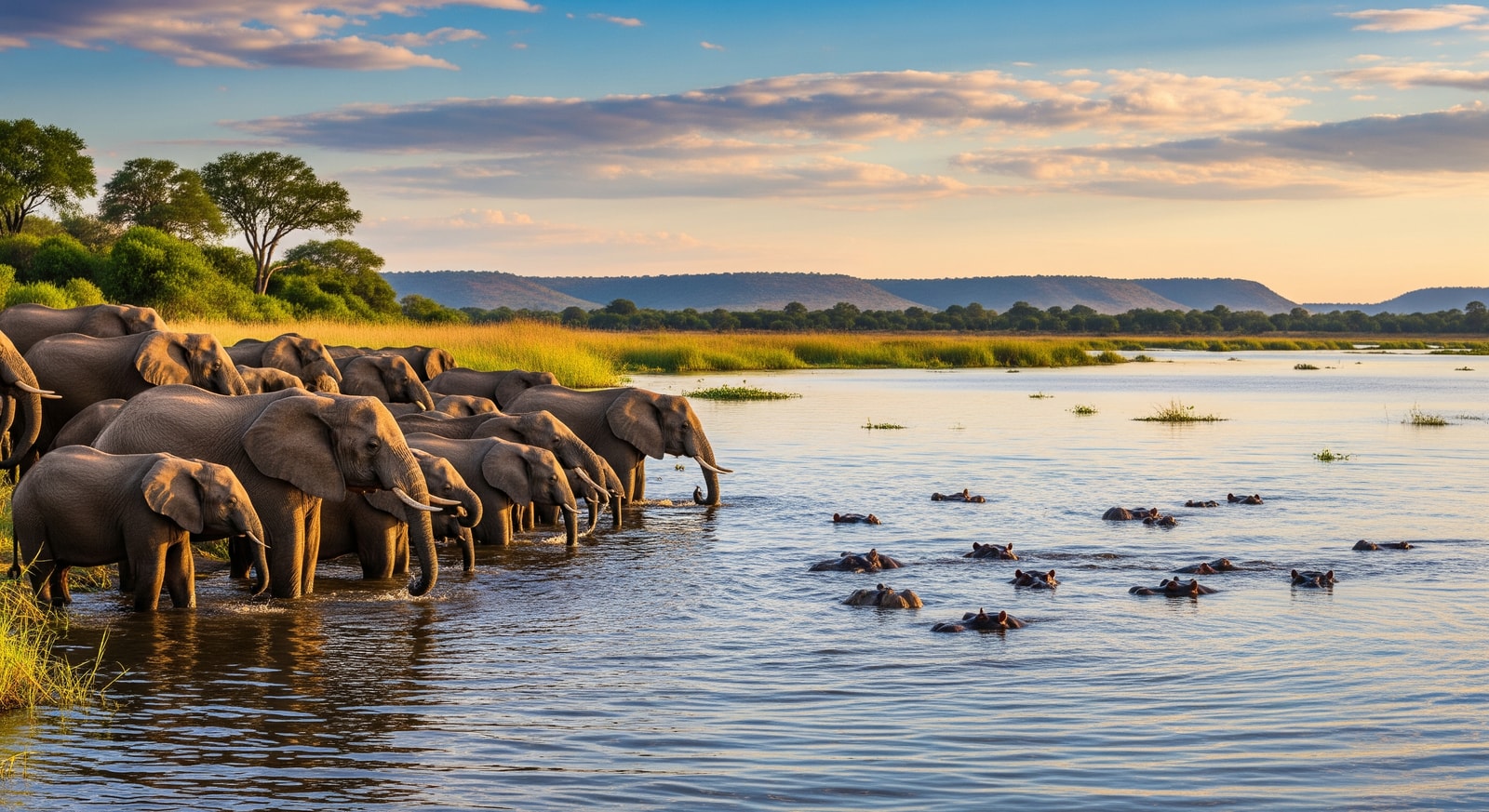
Chobe National Park — Home to Africa's largest elephant population
Entry Requirements
Essential Requirements
All Botswana visa applicants and visa-exempt travelers must meet these fundamental requirements:
• Passport validity: Minimum 6 months beyond your intended departure date with at least two blank pages for entry and exit stamps
• Yellow fever vaccination: Required if arriving from or transiting through a yellow fever endemic country. The vaccination must be administered at least 10 days before arrival.
• Photograph: Recent passport-sized photo (35x45mm) with white background, taken within the last 6 months
• Accommodation proof: Hotel booking confirmation, safari lodge reservations, or invitation letter if staying with friends/family
• Travel itinerary: Flight bookings or evidence of overland travel showing entry and exit from Botswana
• Sufficient funds: Evidence of financial means to support your stay (approximately $100-150 USD per day recommended)
Health Considerations
Malaria is present in northern Botswana including the Okavango Delta, Chobe, and Kasane areas. Prophylaxis is strongly recommended for visits to these regions. The south, including Gaborone and the Kalahari, is generally malaria-free. Travel health insurance covering medical evacuation is highly recommended given the remote nature of safari destinations.
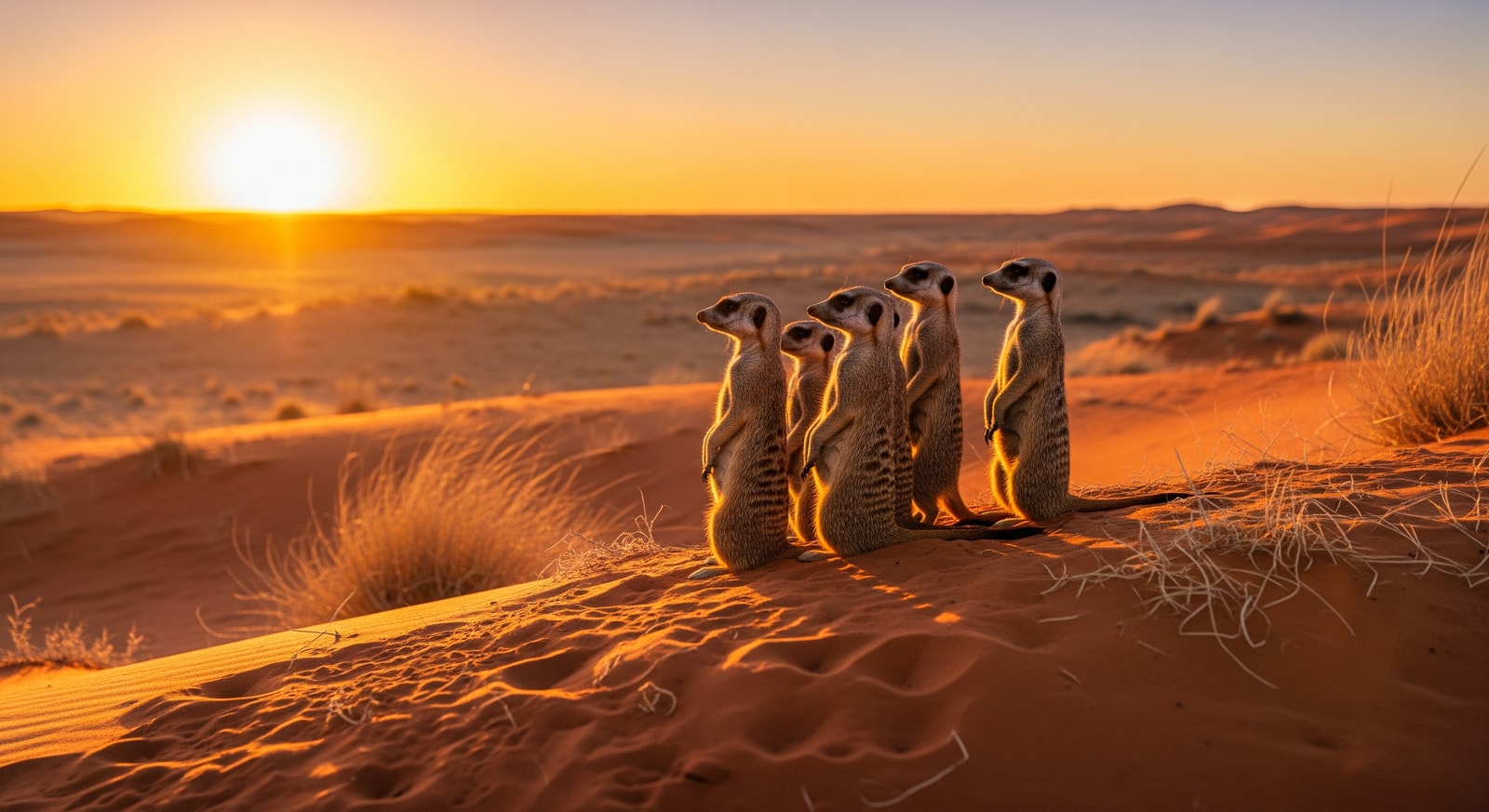
Kalahari Desert — Ancient landscapes and unique desert-adapted wildlife
Entry Points & Processing
Entry Points & Immigration
Botswana visas and visa-exempt entry stamps are available at all official entry points including:
• Airports: Sir Seretse Khama International Airport (GBE) in Gaborone, Maun Airport (MUB) gateway to the Okavango Delta, Kasane Airport (BBK) for Chobe National Park, and Francistown Airport
• Land borders: Kazungula (Zambia/Zimbabwe), Kasane (Zimbabwe via ferry), Nata, Martins Drift, Pioneer Gate/Tlokweng (South Africa), Ramatlabama (South Africa), Mamuno (Namibia), and Mohembo (Namibia)
• Key crossings: The Kazungula Bridge connecting Botswana and Zambia opened in 2021, facilitating easier regional travel
Processing Times & Application Timing
For nationalities requiring visas, processing typically takes 5-10 business days when applying through Botswana embassies or consulates. During peak safari season (May-October) and around holidays, processing may take longer. We recommend applying at least 3-4 weeks before your intended travel date. Visa-exempt travelers receive entry stamps immediately upon arrival with stays granted up to 30-90 days depending on nationality.
Safari Season Considerations
The dry season (May-October) offers the best wildlife viewing as animals congregate around water sources. This is peak season with higher demand for safari camps and lodges. Book accommodations well in advance and ensure visa requirements are sorted early.
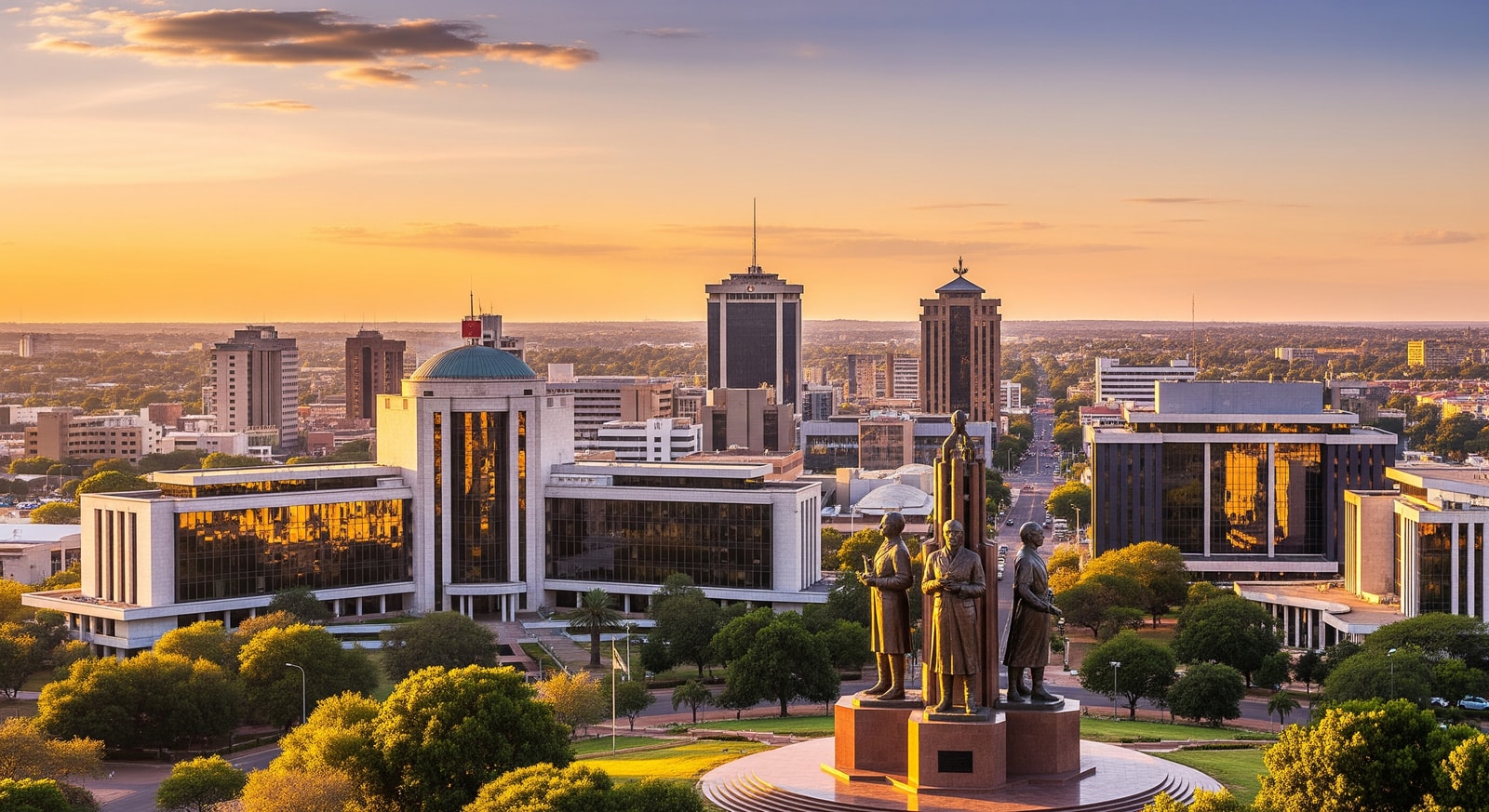
Gaborone — Botswana's capital city and gateway to southern safari circuits
Why Choose DoVisa?
See the difference between applying yourself vs using our expert service
Travelers to Botswana rated this product 4.7 out of 5 based on 10 reviews.
4.7/ 5
Based on 10 verified reviews
Filter by rating
Michael K.Jan 18, 2026
"The Okavango Delta was absolutely incredible and getting my visa sorted through DoVisa made the planning so much easier. Approved in just 5 days!"
Jennifer W.Jan 12, 2026
"Fantastic service! Applied for my Botswana visa and received excellent guidance on all the documentation needed. Chobe elephants were worth the trip!"
David R.Jan 5, 2026
"Business trip to Gaborone went smoothly thanks to DoVisa handling my visa application. Professional team and clear communication throughout."
Emma S.Dec 28, 2025
"Good experience overall. The document checklist was helpful and support answered my questions about safari lodge bookings quickly. Would recommend."
Christopher M.Dec 20, 2025
"Dream safari to Botswana became reality! DoVisa handled my visa perfectly. The mokoro rides through the Okavango were magical. Thank you!"
Sarah L.Dec 14, 2025
"Family of four needed visas for our Botswana adventure. DoVisa processed all applications together and we were approved within a week. Amazing service!"
Andrew T.Dec 8, 2025
"Conference visa for an event in Kasane was handled professionally. Slightly longer processing than expected but communication was excellent throughout."
Rachel H.Nov 30, 2025
"Best wildlife experience of my life in Botswana! The visa process with DoVisa was straightforward and their safari timing advice was spot on."
James P.Nov 22, 2025
"Honeymoon in the Okavango Delta was perfect. DoVisa took all the stress out of visa applications. Highly recommend for any Botswana travel!"
Lisa N.Nov 15, 2025
"Reliable service for my Botswana tourist visa. The team was helpful when I had questions about photo requirements. Got approved without issues."
Michael K.Jan 18, 2026
"The Okavango Delta was absolutely incredible and getting my visa sorted through DoVisa made the planning so much easier. Approved in just 5 days!"
Jennifer W.Jan 12, 2026
"Fantastic service! Applied for my Botswana visa and received excellent guidance on all the documentation needed. Chobe elephants were worth the trip!"
David R.Jan 5, 2026
"Business trip to Gaborone went smoothly thanks to DoVisa handling my visa application. Professional team and clear communication throughout."
Botswana Visa FAQs
What types of visas are available for Botswana?
Botswana offers several visa categories to accommodate different travel purposes. Tourist visa allows stays up to 90 days for holidays, safaris, visiting the Okavango Delta, Chobe National Park, and general tourism. Business visa caters to commercial activities including meetings, trade exploration, and investment opportunities in sectors like diamonds and tourism. Transit visa permits stays up to 72 hours for travelers passing through Botswana to another destination. Conference visa is available for delegates attending official conferences and seminars. Multiple-entry visas may be available for frequent travelers requiring regular access to Botswana. The right visa depends on your nationality, travel purpose, and intended duration of stay.
Do I need a visa to visit Botswana?
Whether you need a visa depends on your nationality. Visa-exempt countries include the United States, United Kingdom, European Union member states, Canada, Australia, New Zealand, Japan, and most Commonwealth nations — citizens can enter Botswana visa-free for stays up to 90 days within a 12-month period. Visa-required countries include many Asian, Middle Eastern, and some African nations which must obtain a visa before travel. SADC nationals from Southern African Development Community member states generally enjoy visa-free access. Check your specific nationality requirements before travel. Even visa-exempt travelers must meet entry requirements including passport validity, return tickets, and proof of accommodation.
How long does Botswana visa processing take?
Botswana visa processing typically takes 5-10 business days when applying through embassies or consulates. Processing times can vary based on several factors: Peak safari season (May-October) may experience higher application volumes and slightly longer processing. Application completeness significantly impacts speed — applications with clear documents, correct photos, and accurate information process faster. Embassy location affects timing as some consulates process more applications than others. Recommendations: Apply at least 3-4 weeks before travel to allow buffer time; ensure all documents meet requirements; respond promptly to any additional information requests. Visa-exempt travelers receive stamps immediately upon arrival at Botswana entry points.
What documents do I need for a Botswana visa application?
Essential documents for all applications: Passport valid for at least 6 months beyond departure date with minimum two blank pages; recent passport-sized photograph (35x45mm, white background, taken within 6 months); completed visa application form. Additional requirements: Proof of accommodation (hotel bookings, safari lodge confirmations, or invitation letter); round-trip flight or travel itinerary; proof of sufficient funds (bank statements showing approximately $100-150/day); travel insurance documentation recommended. Business visa additions: Invitation letter from Botswana company on letterhead; employer letter explaining business purpose; company registration documents. Conference visa: Official conference registration and invitation. Yellow fever certificate: Required if arriving from endemic regions. All documents should be clear, legible copies.
How long can I stay in Botswana with a tourist visa?
The standard Botswana tourist visa allows stays up to 90 days within a 12-month period. This applies to both visa-required travelers (upon visa approval) and visa-exempt nationals (stamped on arrival). Important limitations: The 90 days is cumulative within any 12-month rolling period, not per entry. If you stay 90 days, you cannot return until a new 12-month period begins. Extensions: May be possible through the Immigration Department in Gaborone before your authorized stay expires. Extensions are discretionary and not guaranteed. Long-term stays: If you need to stay longer than 90 days, you may need to apply for a residence permit or special category visa. Overstaying: Is a serious offense that can result in fines, detention, deportation, and future entry bans. Always monitor your authorized stay period carefully.
Can I extend my Botswana visa?
Yes, visa extensions may be possible in certain circumstances. Where to apply: Immigration Department headquarters in Gaborone or regional immigration offices. Requirements: Apply before your current authorized stay expires; valid passport with remaining pages; completed extension application form; proof of continued accommodation and funds; valid reason for extension; applicable fee. Process: Extensions are granted at the discretion of immigration authorities and are not guaranteed. Important considerations: The 90-day annual limit still applies — extensions typically cannot exceed this cumulative maximum. For longer stays, consider applying for appropriate residence permits. Safari trip extensions: If your safari is extended, ensure documentation reflects the new dates and reapply well before expiry.
Can I work in Botswana with a tourist visa?
No, Botswana tourist visas do not permit any form of employment. Tourist visas are strictly for leisure activities, safaris, visiting the Okavango Delta and national parks, visiting friends and family, and attending non-commercial events. Business visas allow commercial activities like meetings and negotiations but not paid employment or receiving salary from a Botswana entity. Legal employment requires a Botswana Work Permit, which involves: employer sponsorship by a registered Botswana company; proof the position cannot be filled by a Botswana citizen; Ministry of Labour approval; and residence permit application. The process can take several months. Volunteer work: May require special authorization depending on the nature and duration of activities. Penalties: Working illegally risks fines, deportation, and future entry bans.
Do I need a yellow fever vaccination for Botswana?
Yellow fever vaccination requirements depend on your travel history. Mandatory vaccination: Required if arriving from or transiting through (even briefly) a yellow fever endemic country — this includes most of sub-Saharan Africa, South America, Panama, and Trinidad and Tobago. You must show your International Certificate of Vaccination (yellow card) at immigration. The vaccination must be administered at least 10 days before arrival. Not required: Travelers arriving directly from non-endemic countries (Europe, North America, Asia, Australia, Middle East) don't require yellow fever vaccination. Note: Yellow fever does not occur in Botswana itself, so the vaccination is purely an entry requirement based on travel history. Regional travel: If combining Botswana with visits to countries like Kenya, Tanzania, or Zambia, check their requirements as many require yellow fever vaccination.
What is the best time to visit Botswana for safari?
Botswana offers excellent wildlife experiences year-round, but timing significantly impacts your experience. Dry Season (May-October): Best wildlife viewing as animals concentrate around permanent water sources in the Okavango Delta and Chobe River. Peak season with best game drives, clear skies, and lower malaria risk. July-September offers the highest animal density but also peak prices and crowds. Green Season (November-April): Summer rains transform the landscape with lush vegetation and newborn animals. Excellent birding with migratory species. Fewer tourists, lower prices, but some areas may be inaccessible due to flooding. The Okavango Delta peaks in June-August as floodwaters from Angola arrive. Shoulder months: April-May and November offer balance between wildlife viewing and smaller crowds. Recommendations: For classic safari experience, visit May-October. For photography of green landscapes and baby animals, consider January-March.
Do children need their own Botswana visa?
Yes, every traveler including infants requires their own visa (if applicable) or receives their own entry stamp. There are no family visas or provisions for children traveling on parents' documents. Requirements for children: Valid passport in child's own name with 6+ months validity; passport-sized photograph meeting same specifications as adults; completed application with child's details. Additional documentation: If child is traveling with only one parent, an affidavit of consent from the absent parent may be requested. Children traveling without parents need consent letters from both parents plus certified copies of parents' IDs and the child's birth certificate. Fees: Children typically pay the same visa fees as adults where applicable. Visa-exempt children: If parents are from visa-exempt countries, children receive stamps on arrival like adults.
What happens if my Botswana visa application is rejected?
Botswana visa rejections are relatively uncommon but can occur. Common rejection reasons: Incomplete documentation; passport validity issues; photos not meeting specifications; insufficient proof of funds; unclear travel purpose; missing accommodation confirmation; previous immigration violations. If rejected: You typically receive notification without detailed reasons. You can reapply with improved documentation addressing potential issues. There's no formal appeals process, but fresh applications are considered independently. Prevention strategies: Ensure documents are complete and clear; verify passport validity requirements; provide comprehensive travel plans including safari bookings; include bank statements showing adequate funds; respond promptly to any embassy queries. DoVisa support: Our pre-submission review helps identify and address potential issues before your application is submitted, significantly improving approval chances.
Can I enter Botswana by land from neighboring countries?
Yes, Botswana has numerous land border crossings and this is a popular way to enter, especially for overland safaris. From South Africa: Pioneer Gate/Tlokweng (near Gaborone), Ramatlabama, Martins Drift, Groblersbrug, and Pont Drift. From Namibia: Mamuno (Trans-Kalahari Highway), Mohembo (Okavango Panhandle), Ngoma Bridge. From Zimbabwe: Kazungula (ferry and new bridge), Kasane/Kazungula. From Zambia: Kazungula Bridge (opened 2021) — the first direct Botswana-Zambia road link. Entry requirements: Same as air entry — valid passport, visa if required, proof of accommodation and funds, yellow fever certificate if applicable. Vehicle considerations: Rental cars may require permission letters to cross borders. Road conditions vary — 4x4 recommended for northern regions. Border hours: Most crossings open 06:00-22:00; some 24 hours. Verify current hours before travel.
Is Botswana safe for tourists?
Botswana is generally considered one of Africa's safest tourist destinations, with stable democracy, low crime rates, and well-managed tourism infrastructure. Safari safety: Reputable operators maintain excellent standards. Wildlife areas are safe when following guide instructions — never exit vehicles during game drives unless instructed. Cities: Gaborone and other urban areas are generally safe but standard precautions apply — avoid walking alone at night, keep valuables secure. Wildlife awareness: The Okavango Delta and Chobe have genuine wilderness conditions. Follow all camp and guide instructions regarding wildlife. Never approach animals on foot. Health considerations: Malaria prophylaxis essential for northern regions; drink bottled water; comprehensive travel insurance with medical evacuation cover highly recommended given remote safari locations. Road safety: Wildlife and livestock on roads are hazards — avoid night driving. 4x4 vehicle and experienced driving needed for many safari routes.
What currency should I bring to Botswana?
Botswana's official currency is the Botswana Pula (BWP). Cash recommendations: US Dollars are widely accepted at safari camps and lodges, often preferred for payment. Bring clean, undamaged bills printed after 2006. South African Rand is accepted in border areas. Carry Pula for small purchases, tips, and local transactions. Exchange at banks or forex bureaus in Gaborone, Maun, or Kasane. Card acceptance: Major credit/debit cards (Visa, Mastercard) accepted at hotels, lodges, and urban establishments. Remote safari camps may require cash or advance payment. ATMs available in towns but unreliable in rural areas. Safari tipping: Usually expected in cash (USD preferred) — $10-20/day for guides, $5-10/day for camp staff is customary. Planning: Many premium safari camps require full prepayment, so carry enough cash only for incidentals, tips, and curios.
Do I need to print my visa confirmation?
Yes, you should print your visa approval documentation and carry it with your passport when traveling to Botswana. At immigration: Present your printed visa approval letter, passport, and supporting documents. Immigration officers may verify your visa details against their system. Print quality: Use clear A4 printing with all text and any stamps/signatures clearly visible. Color printing preferred but black and white acceptable if legible. Multiple copies: Carry at least two printed copies — one for immigration submission and one as backup. Digital backup: Also keep electronic copies on your phone/email in case of printing issues. Visa-exempt travelers: No advance printing needed — stamps are issued on arrival. However, carry printed confirmation of accommodation, return flights, and travel insurance for potential immigration queries.
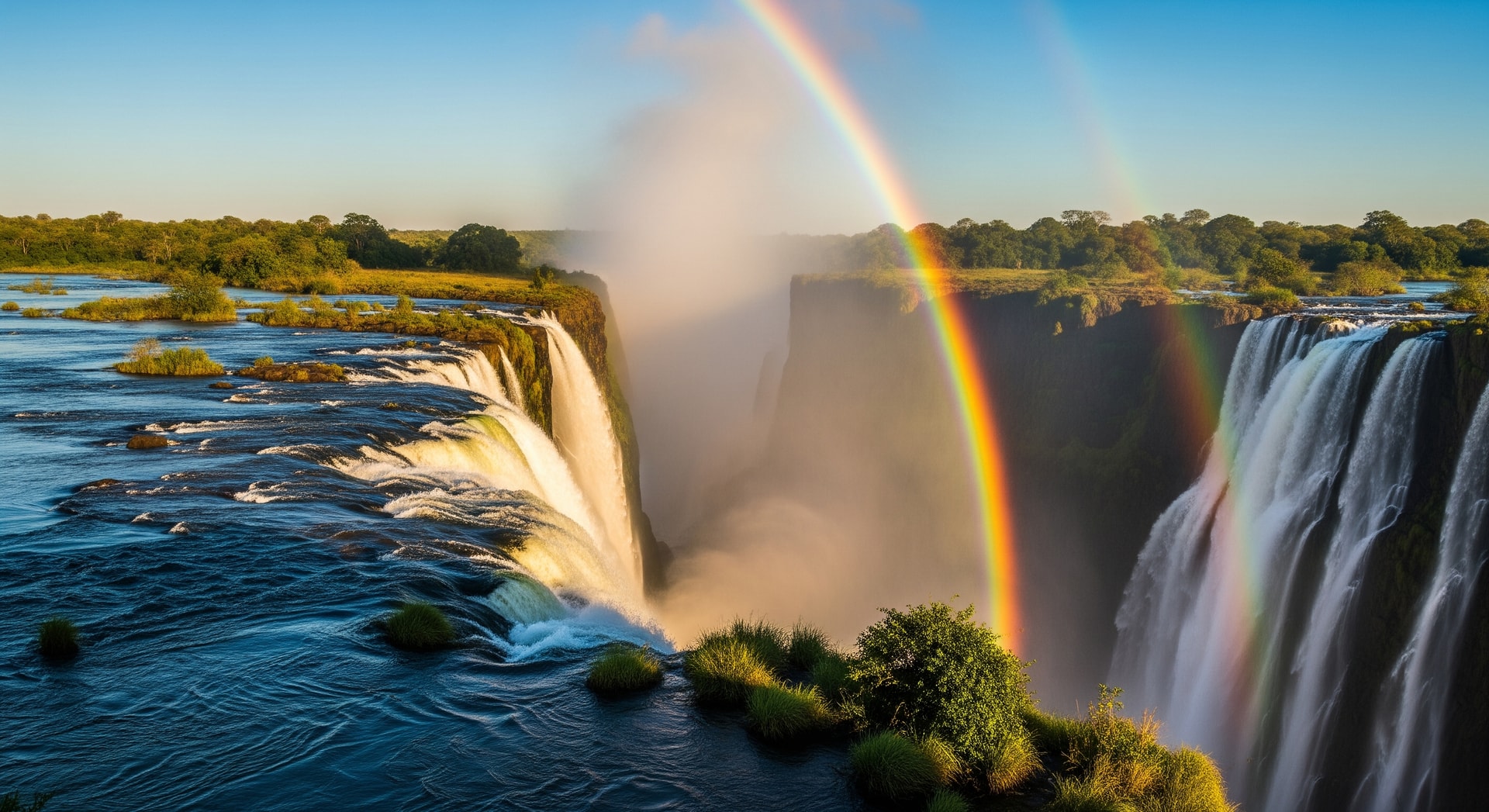
Can I combine Botswana with visits to Victoria Falls?
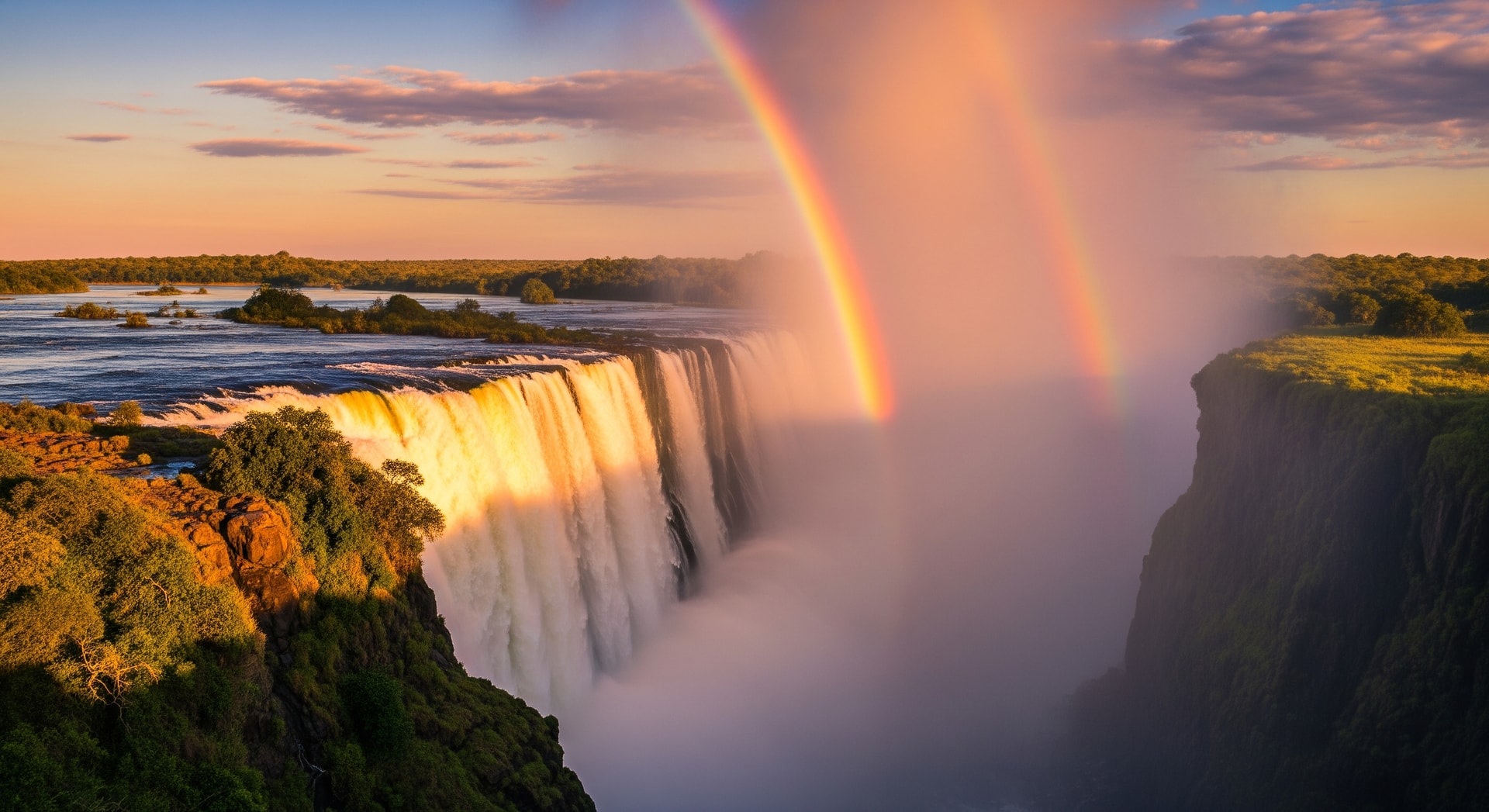
Yes, this is one of the most popular safari combinations. Victoria Falls is located at the junction of Botswana, Zimbabwe, Zambia, and Namibia. Access options: Kasane in Botswana is just 1 hour from Victoria Falls town (Zimbabwe) via the Kazungula border. The Kazungula Bridge provides direct access to Zambia's Livingstone (also near the falls). Visa considerations: Each country requires separate entry permission. Zimbabwe and Zambia offer the KAZA UniVisa allowing access to both sides of Victoria Falls. Botswana is not part of this scheme, so you need separate Botswana entry permission. Typical itinerary: Fly into Kasane, safari in Chobe, cross to Zimbabwe for Victoria Falls, continue to Livingstone, Zambia, or return through Botswana. Combination safari: Many tours combine Chobe National Park wildlife with Victoria Falls — the areas are close enough for day trips.
Still have questions?
Our team is here to help 24/7
Get Visa Tips & Exclusive Deals
Join 1,000+ travelers. No spam, unsubscribe anytime.

 With DoVisa