Emirates Tokyo Narita flight schedule will double with a second daily service from Dubai starting May 1, 2026, boosting tourism to the Greater Tokyo area.
Summary: Emirates will introduce a second daily flight between Dubai and Tokyo Narita from May 1, 2026, using a retrofitted Boeing 777-300ER and doubling seat capacity on the route to support rising tourism.
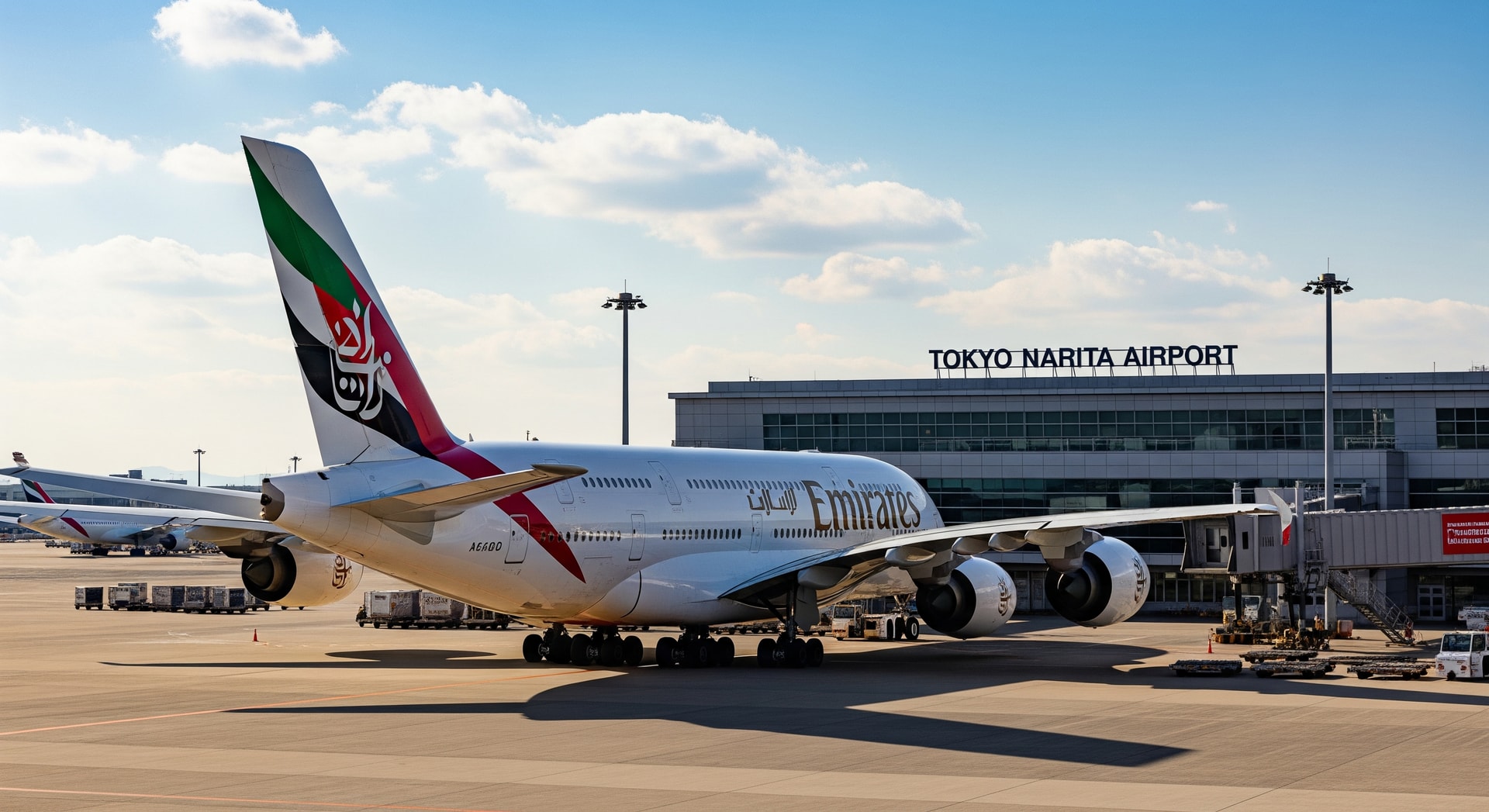
Emirates Tokyo Narita flight frequency will increase with the launch of a second daily service from Dubai starting May 1, 2026. The carrier says the move is designed to meet rising demand for travel between the UAE and Tokyo Narita, a key gateway to Japan’s cultural landmarks and modern cityscapes.
Flight schedule details
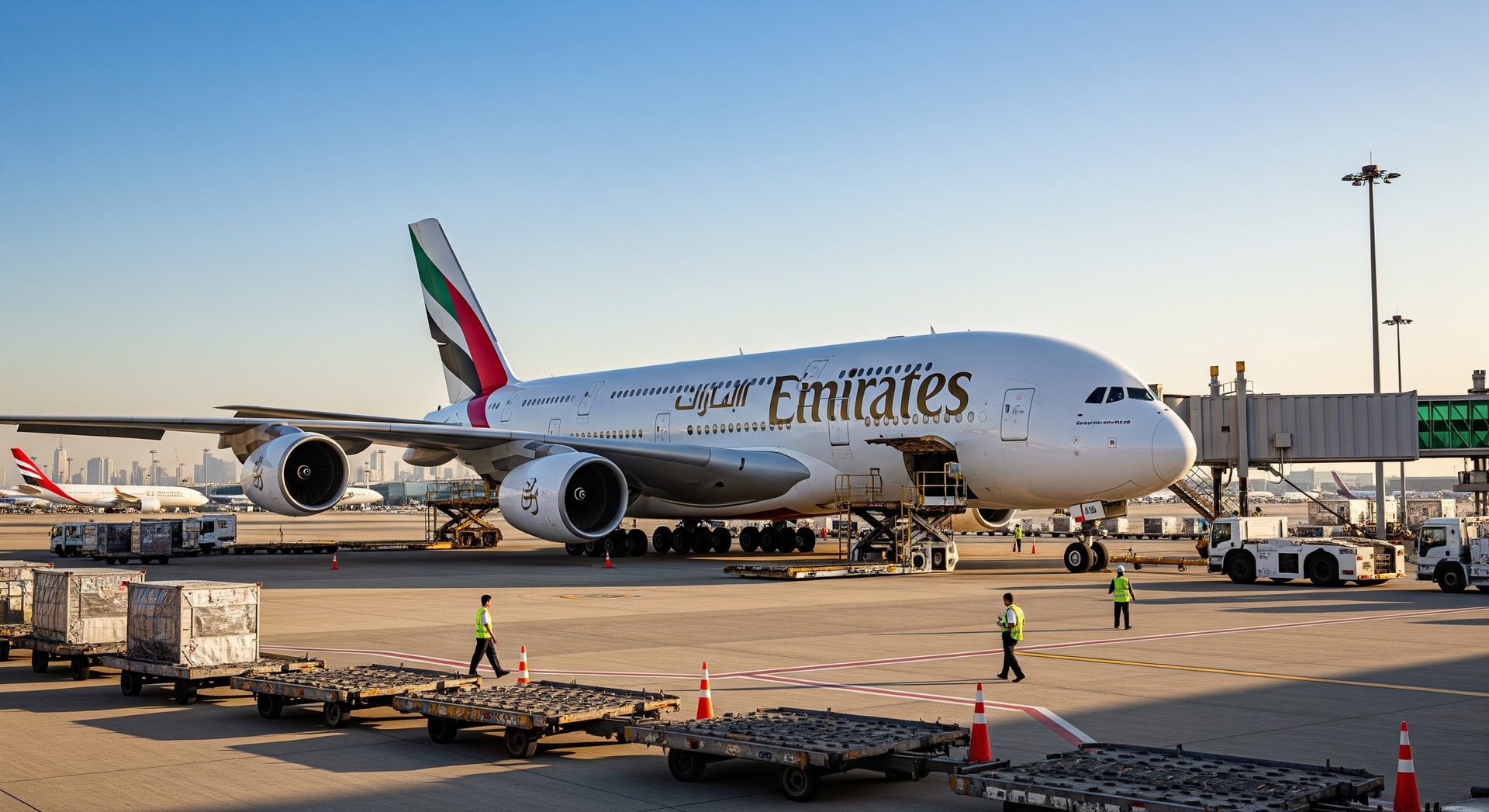
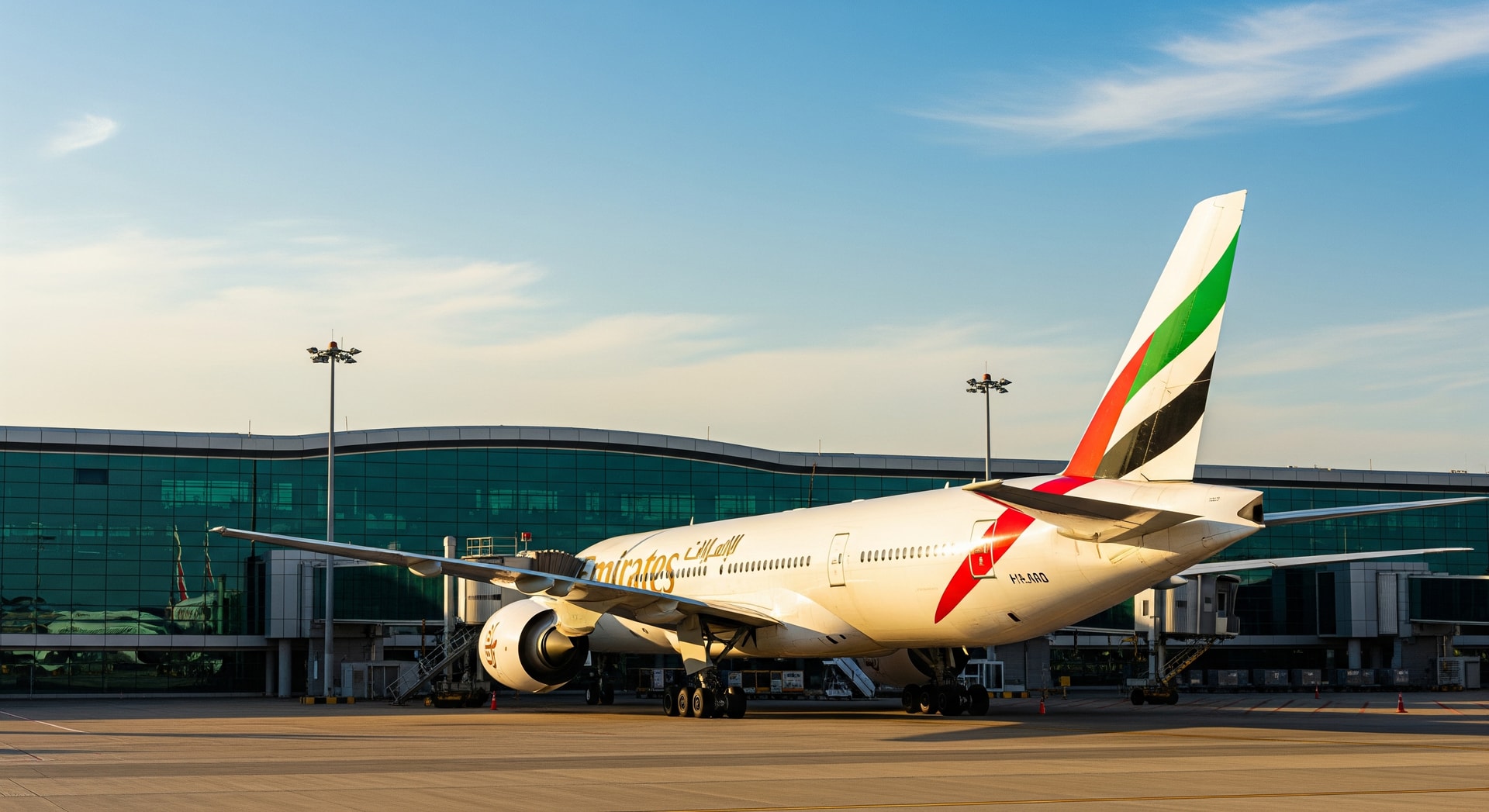
The new service will operate as EK320/ EK321. EK320 departs Dubai International Airport at 22:30 local time and arrives at Tokyo Narita at 13:30 the following day. The return flight, EK321, leaves Tokyo Narita at 21:30 and lands in Dubai at 03:50 the next morning. Emirates will operate the additional frequency with a retrofitted Boeing 777-300ER, complementing its existing daily rotation and effectively doubling capacity on this route.
- Service start date: May 1, 2026
- Flight numbers: EK320 (Dubai → Narita) and EK321 (Narita → Dubai)
- Aircraft: Retrofitted Boeing 777-300ER
- Effect: Doubles daily capacity on the Dubai–Narita route
Strengthening Japan connectivity
With the added service, Emirates’ Japan network will reach twenty-eight weekly flights across three gateways: Tokyo Narita, Haneda and Osaka. The airline estimates more than twenty-two thousand five hundred weekly seats will be available, positioning Emirates to handle growing travel demand from the GCC, Europe and Africa into Tokyo Narita.
What this means for Tokyo Narita tourism
Tokyo Narita, which handles nearly sixty percent of Japan’s inbound international traffic, is expected to see a boost in visitor numbers and longer stays in the Greater Tokyo area. The extra frequency should make it easier for travellers to plan trips that mix cultural visits and modern urban experiences.
- Easier access to Senso-ji Temple and historic Asakusa
- Faster trips to Shibuya Crossing and central Tokyo districts
- More convenient day trips to Mount Fuji
- Improved access to culinary hotspots such as Tsukiji markets
Aircraft, onboard experience and premium services
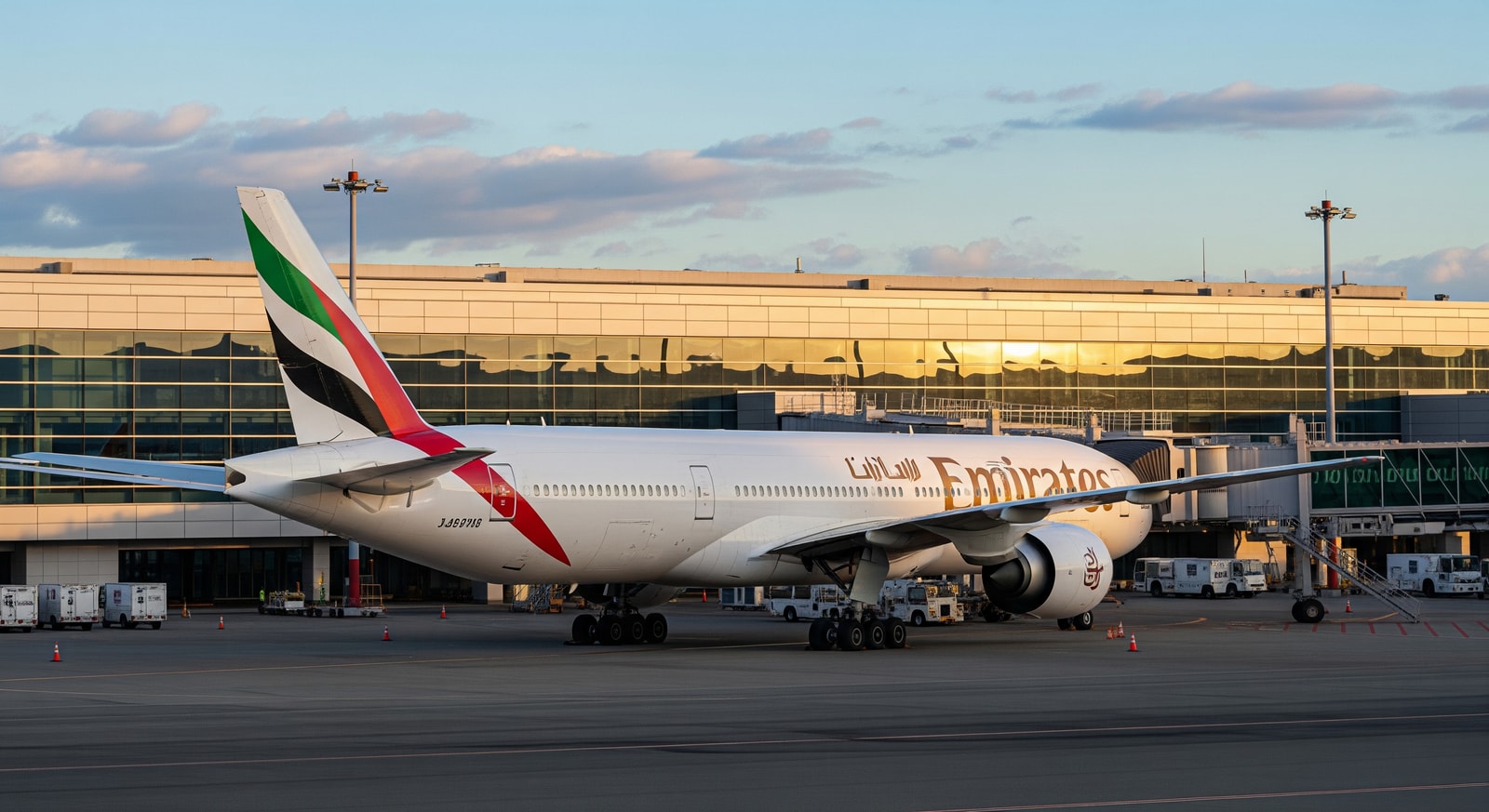
The retrofitted Boeing 777-300ER on the new rotation offers cabins across First, Business, Premium Economy and Economy classes. Emirates continues to provide premium touches such as chauffeur-driven transfers at Tokyo Narita, catering to luxury travellers and supporting demand for high-end tourism experiences to and from Japan.
Cargo, sustainability and tourism supply chains
Emirates also links cargo capacity to tourism growth, reporting weekly freight volumes of 1,240 tonnes that help transport fresh produce and other goods supporting Japan’s culinary sector. The airline highlights that retrofitted aircraft improve fuel efficiency per passenger, aligning the route with sustainable tourism objectives.
Economic ripple effects for local tourism businesses
The additional seats to Tokyo Narita are expected to increase spending on hotels, retail and tours, diversify visitor demographics and support events and festivals. Narita International Airport Corporation’s backing of aviation growth underscores the strategic role the route plays in bolstering regional tourism economies.
Booking and traveller advice
Seats on the new daily Narita service are available now via Emirates’ website and travel agents. The doubled frequency provides greater schedule flexibility for leisure and business travellers and reduces the risk of disruptions as demand continues to rebound post-pandemic.
Why this matters: For travellers, the extra daily Emirates Tokyo Narita flight means more options, better connections and improved access to Japan’s Greater Tokyo attractions. For the tourism industry, it translates into increased capacity, stronger linkages with key source markets and opportunities for economic growth across hospitality, retail and cultural sectors.
Sources