

Thailand’s Destination Thailand Visa, usually called the DTV, is one of the most discussed long-stay options for remote workers because it gives a 5-year multiple-entry visa with 180 days per entry under Thailand’s official new visa measures Ministry of Foreign Affairs DTV document. It was introduced with Thailand’s new visa measures that took effect on 15 July 2024 Ministry of Foreign Affairs.
As of August 2026, the DTV is best understood as a multiple-entry tourist-class, workcation-friendly visa for people whose income or purpose is outside ordinary Thai employment. It can suit digital nomads, remote employees, freelancers, soft-power activity participants, and eligible family members. It is not a Thai work permit, and it should not be treated as a guaranteed right to live in Thailand continuously for five years.
Table of contents
- What the DTV is and who it is for
- Documents, funds, remote-work evidence, and local embassy differences
- How to apply from outside Thailand through Thai e-Visa or an embassy
- Fees, timing, extensions, re-entry, tax, and alternatives
Thailand DTV visa checker: should you look at the DTV first?
Start with the DTV if your main reason for staying in Thailand is remote work for a foreign employer, freelance work for non-Thai clients, a professional portfolio-based workcation, Thai soft-power activities, or joining a DTV holder as a spouse or dependent child. Those categories are the official DTV categories listed by Thailand’s Ministry of Foreign Affairs MFA DTV document.
Do not start with the DTV if your real goal is to take a job with a Thai company, perform freelance work for Thai clients, enrol children in school as their primary purpose, retire, or relocate without the DTV’s stated purpose. The Royal Thai Embassy in Budapest describes the DTV as a special kind of tourist visa and says holders are prohibited from obtaining a Thai work permit and working for companies in Thailand or doing freelance work for Thai clients Royal Thai Embassy, Budapest.
DTV quick eligibility check
You have a workcation, Thai soft-power, or spouse/dependent-child purpose listed by the MFA DTV document .
You can show financial evidence of at least 500,000 THB or equivalent MFA DTV document .
You are applying through Thai e-Visa or a Thai embassy/consulate while you are not in Thailand Thai e-Visa Official Website .
You understand the visa gives 180 days per entry , not unlimited residence MFA DTV document .
What is the Thailand DTV visa?
The Destination Thailand Visa is Thailand’s long-stay visitor option for specific purposes: workcation, Thai soft-power activities, and eligible family members of DTV holders. The official Thai e-Visa site lists it as “Destination Thailand Visa (DTV) — Workcation and Thai soft power related activities” Thai e-Visa DTV page.
The core structure is simple. The DTV has 5 years of validity and allows multiple entries. Each entry gives a period of stay of 180 days MFA DTV document. Official materials also state that after a maximum stay of 180 days plus a one-time extension of up to 180 days, the holder must depart and may re-enter Thailand on the same DTV within the visa validity date MFA DTV document.
The important practical point is that DTV approval is not automatic. Thai e-Visa guidance says applications are subject to approval, embassies or consulates may request an interview or additional documents, submission does not guarantee approval, and visa fees are non-refundable Thai e-Visa Official Website. Your experience can therefore depend on the embassy or consulate reviewing your file.
Official DTV basics
Introduced with new visa measures effective 15 July 2024 Ministry of Foreign Affairs .
Validity: 5 years MFA DTV document .
Entry type: multiple entries MFA DTV document .
Stay permission: 180 days per entry MFA DTV document .
Headline visa fee: 10,000 THB MFA DTV document .
Financial evidence: at least 500,000 THB or equivalent MFA DTV document .
The DTV is a work permit for Thailand.
The Royal Thai Embassy in Budapest says the DTV is a special kind of tourist visa and that holders are prohibited from obtaining a Thai work permit and working for companies in Thailand or doing freelance work for Thai clients Royal Thai Embassy, Budapest .
Workcation, Thai soft-power activities, and dependents
- Workcation: digital nomads, remote workers, freelancers, foreign talent, or similar applicants with employment proof or a professional portfolio MFA DTV document .
- Thai soft-power activities: applicants with confirmation to attend an activity or a hospital/medical appointment letter MFA DTV document .
- Family members: spouse or dependent children of DTV holders with relationship proof such as marriage, birth, or adoption certificate MFA DTV document .
Why “5 years” does not mean unlimited residence
A DTV lets you live in Thailand continuously for the whole 5-year validity.
The official structure is 5 years validity with 180 days per entry . Official materials describe departure and re-entry after the 180 days plus a one-time extension of up to 180 days , not unrestricted continuous residence MFA DTV document .
Who is eligible — and who should choose the DTV?
The DTV works best when your documents tell a clear story. You are not asking Thailand to let you enter the local labour market. You are asking for a long-stay visitor visa because you can support yourself, work remotely for foreign income, attend an approved soft-power activity, or accompany a qualified DTV holder.
For remote workers, your strongest file usually combines proof of identity, proof of current location, a stable bank balance, and evidence that your work is genuinely remote. For freelancers, the professional portfolio matters because you may not have a conventional employment contract. Budapest’s local guidance gives examples including invoices and platform or profile screenshots for freelancers, and employer letters confirming remote-work status and salary for employees Royal Thai Embassy, Budapest.
- Choose DTV if you want repeated Thailand stays and can document foreign remote work or freelance activity.
- Choose DTV if tourist-exempt entries feel too uncertain for your travel pattern, especially while visa-exemption rules are under review.
- Choose DTV if you are joining a DTV holder as a spouse or dependent child and can prove the relationship.
- Do not choose DTV if you need permission to work for a Thai company, seek Thai clients, or explore business activity that should use a Non-Immigrant B visa Royal Thai Embassy, Seoul .
- Do not choose DTV for a child whose primary purpose is studying in Thailand; Budapest says that child should apply for a Non-ED visa Royal Thai Embassy, Budapest .
If I can show savings, I do not need to prove the DTV purpose.
Official requirements include financial evidence and purpose-of-visit evidence. For workcation applicants, the purpose evidence is an employment contract or certificate, or a professional portfolio showing digital nomad, remote worker, foreign talent, or freelancer status MFA DTV document .
Good-fit applicants: remote employees, freelancers, founders, and frequent Thailand visitors
You are a good-fit applicant if you can show a foreign work base and a Thailand purpose that matches the DTV. Employees can use a contract or certificate; freelancers can use a professional portfolio; business owners may need incorporation and tax documents depending on the local embassy. Budapest gives separate examples for employees, business owners, and freelancers Royal Thai Embassy, Budapest.
Make the reviewer’s job easy
Build your file as if the officer has never heard of your job. Include a short cover note, contract or client evidence, links or screenshots that prove your work exists, and bank statements that match the embassy’s local rule.
Who should not use the DTV: Thai employment, schooling children, retirement, or relocation plans
The DTV is a poor fit if your real plan conflicts with its stated purpose. Seoul warns that business activities, employment, or exploratory visits related to business opportunities in Thailand should use a Non-Immigrant B visa, and children of DTV holders intending to study in Thailand should apply for a Non-Immigrant ED visa Royal Thai Embassy, Seoul.
Choose the visa that matches the real purpose
Do not describe Thai employment, Thai clients, school enrolment, or relocation as a DTV workcation plan. Budapest states the DTV is not intended for long-term relocation or purposes outside the visa’s stated categories Royal Thai Embassy, Budapest .
Thailand DTV visa requirements and documents
The official document list is short, but the details are where applications differ. Thailand’s MFA lists a passport or travel document, photograph, document indicating current location, financial evidence of at least 500,000 THB, and purpose-of-visit evidence MFA DTV document.
Local embassies can then define what those words mean in practice. Washington, D.C. requires a passport biodata page or travel document valid within 6 months from the travel date, a photo taken within the past six months, and a current-location document such as a driving licence, bank statement, or proof of stay Royal Thai Embassy, Washington, D.C..
If your documents were issued outside the reviewing country, check translation rules. Washington, D.C. says supporting materials issued outside Thailand and the United States must be accompanied by certified English translations and notarised by an Embassy or Ministry of Foreign Affairs only Royal Thai Embassy, Washington, D.C..
Core DTV document set
Passport or travel document MFA DTV document .
Photograph MFA DTV document .
Proof of current location MFA DTV document .
Financial evidence of at least 500,000 THB MFA DTV document .
Workcation, soft-power, or family-purpose evidence MFA DTV document .
Relationship proof for spouse or dependent child applicants MFA DTV document .
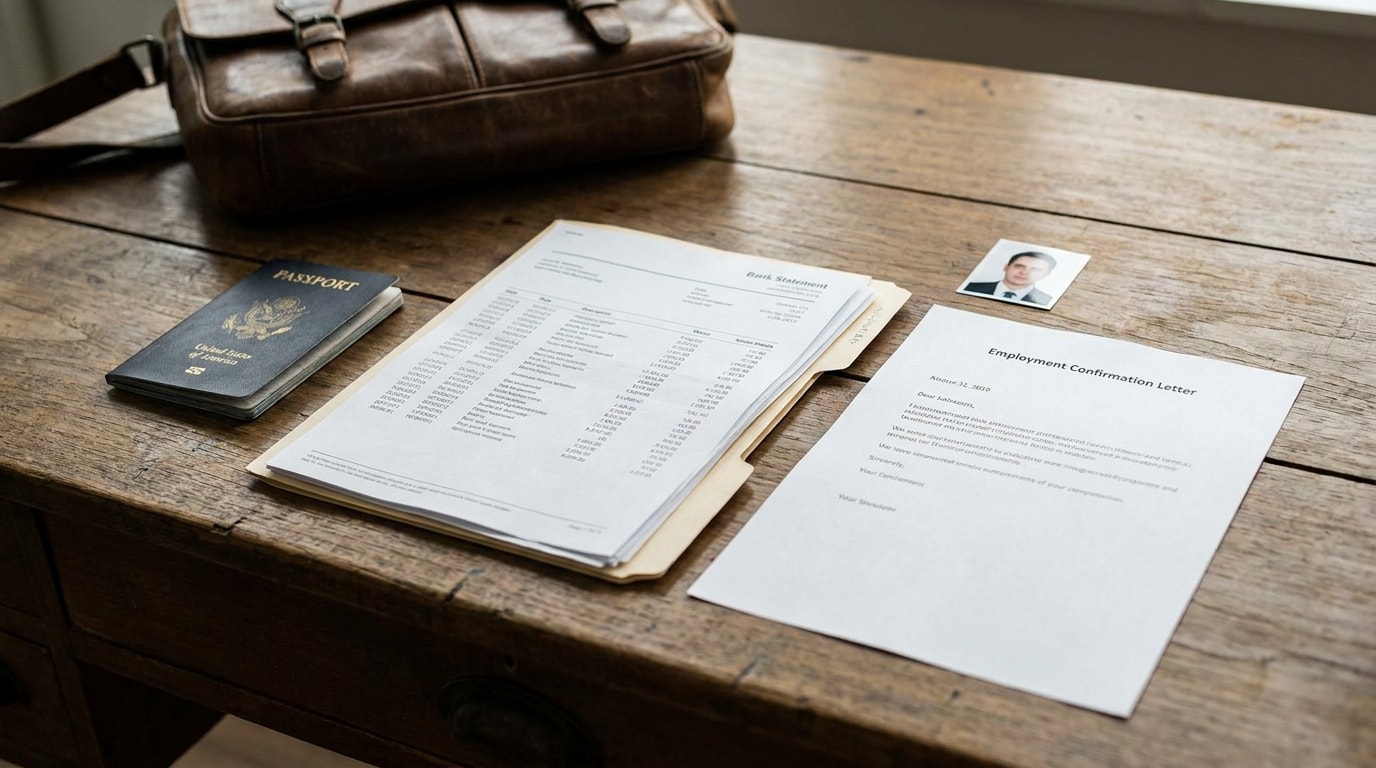
The 500,000 THB proof-of-funds rule and local embassy interpretations
The headline rule is financial evidence of at least 500,000 THB or equivalent MFA DTV document. The practical rule depends on the post. Washington, D.C. asks for recent saving or checking bank statements for the last three months with an ending balance of no less than 500,000 THB or 16,000 USD for each month, showing the applicant’s name and date Royal Thai Embassy, Washington, D.C.. Budapest says financial evidence of at least 500,000 THB may include a 6-month official bank statement, payslips, or sponsorship letters, and says crypto or other investment statements are not accepted Royal Thai Embassy, Budapest.
Funds rules are local in practice
Do not assume one bank screenshot is enough. The worldwide minimum is at least 500,000 THB , but local posts may ask for three months , 6-month statements, translations, or sponsor evidence Royal Thai Embassy, Washington, D.C. Royal Thai Embassy, Budapest .
Remote-work evidence: contracts, employer letters, invoices, client proof, and portfolios
For workcation applicants, the official MFA examples are an employment contract or employment certificate in your country, or a professional portfolio showing digital nomad, remote worker, foreign talent, or freelancer status MFA DTV document. Budapest gives more granular examples: employees may provide a certificate of employment or employment contract, an employer letter confirming remote-work status and salary, and optional tax return or payslips; business owners may provide a cover letter, incorporation certificate, and corporate tax return; freelancers may provide a portfolio or evidence such as invoices and platform or profile screenshots Royal Thai Embassy, Budapest.
Portfolio means proof, not just a personal website
Freelancers should make the portfolio practical: client invoices, profile screenshots, contracts, work samples, and a short explanation of how you earn foreign income remotely. Avoid evidence that suggests Thai employment or Thai client work.
How to apply for the Thailand DTV step by step
The Thai e-Visa website says applicants are no longer required to submit passports and supporting documents in person at the embassy or consulate, but applicants can apply only if they are currently not in Thailand Thai e-Visa Official Website. That last point is crucial: if you are already in Thailand, do not assume you can simply switch into DTV online from inside the country.
- Create an account on the Thai e-Visa platform Thai e-Visa Official Website .
- Fill in the application form Thai e-Visa Official Website .
- Upload supporting documents, including identity, current-location, financial, and purpose evidence Thai e-Visa Official Website .
- Pay the visa fee; remember that Thai e-Visa says fees are non-refundable and approval is not guaranteed Thai e-Visa Official Website .
- Wait for processing and respond if the embassy or consulate requests more documents or an interview Thai e-Visa Official Website .
- Receive the e-Visa confirmation by email when approved Thai e-Visa Official Website .
Prepare before you start the form
Name, passport number, current location, and document dates should match across the form and uploads. Small inconsistencies can lead to document requests, and document requests can slow the file.
Approval is discretionary
Thai e-Visa guidance says a Royal Thai Embassy or Consulate-General may request an interview or additional documents, submission does not guarantee approval, and fees are non-refundable Thai e-Visa Official Website . Do not pay until you have checked the local post’s DTV page.

Applying through Thai e-Visa or an embassy/consulate from outside Thailand
Thai e-Visa is the main route for many applicants, but your reviewing post matters. Some embassies focus on nationality, some on residence, and some require proof of current location in their jurisdiction. Frankfurt, for example, says German nationals may use a German ID or registration certificate, while other nationals may use a German residence permit and registration certificate Royal Thai Consulate-General, Frankfurt. Check your actual embassy page before assuming you can apply from a nearby country or while travelling.
What to verify on your specific embassy page before paying
- Whether you must be physically in that consular jurisdiction or simply outside Thailand.
- Exact financial evidence: one statement, three months , or 6-month history Royal Thai Embassy, Washington, D.C. Royal Thai Embassy, Budapest .
- Local fee currency, because posts list different amounts.
- Translation, notarisation, and non-citizen residence-status rules.
- Whether your remote-work or soft-power evidence matches the post’s examples.
Verify locally, then pay
Take screenshots or save PDFs of the embassy’s DTV requirements on the day you apply. If rules change while your application is pending, you will at least know which version you followed.
Thailand DTV visa fees and processing times
The headline DTV fee in the MFA document is 10,000 THB MFA DTV document. In practice, embassies and consulates list local-currency fees. Washington, D.C. lists 400 USD Royal Thai Embassy, Washington, D.C., Budapest lists 350 EUR and says it is non-refundable Royal Thai Embassy, Budapest, Seoul lists 500,000 KRW as of 17 November 2025 Royal Thai Embassy, Seoul, and Vancouver announced 650 CAD for a 5-year multiple-entry DTV effective 15 July 2024 Royal Thai Consulate-General, Vancouver.
There is no single worldwide processing-time guarantee. Frankfurt says that if required DTV documents are complete, applicants receive the result within 15 consular days and applications are processed in order of receipt Royal Thai Consulate-General, Frankfurt. Washington, D.C. says applicants should see e-Visa dashboard updates within 15 business days, but recommends applying around one month before travel because processing depends on document completeness and application volume Royal Thai Embassy, Washington, D.C. FAQ.
DTV fees and processing examples by location
| Post or source | Fee or timing stated | What it means for you |
|---|---|---|
| MFA DTV document | 10,000 THB MFA DTV document | Use as the headline reference, not a guarantee of local currency pricing. |
| Washington, D.C. | 400 USD Royal Thai Embassy, Washington, D.C. | Check local fee before paying. |
| Budapest | 350 EUR , non-refundable Royal Thai Embassy, Budapest | Fee currency and refund wording can differ. |
| Seoul | 500,000 KRW as of 17 November 2025 Royal Thai Embassy, Seoul | Local fee tables may update separately. |
| Vancouver | 650 CAD effective 15 July 2024 Royal Thai Consulate-General, Vancouver | Consulates may publish separate fee notices. |
| Frankfurt processing | Within 15 consular days if complete Royal Thai Consulate-General, Frankfurt | Completeness matters. |
| Washington, D.C. timing | Dashboard updates within 15 business days ; apply around one month before travel Royal Thai Embassy, Washington, D.C. FAQ | Do not leave DTV submission to the last week. |
Processing reminders
Thai e-Visa does not publish one universal DTV processing time Thai e-Visa Official Website .
Embassies may request interviews or extra documents Thai e-Visa Official Website .
Washington, D.C. warns e-Visa processing may take longer than usual during high volume Royal Thai Embassy, Washington, D.C. .
If Washington, D.C. requests more documents, status updates may take 3 to 5 business days after upload Royal Thai Embassy, Washington, D.C. .
Seoul says actual processing time may vary depending on embassy circumstances Royal Thai Embassy, Seoul .
Validity, 180-day stays, re-entry, extensions, and rules in Thailand
The DTV gives you a long validity window and repeated entries, but your permission to stay is counted per entry. The official period of stay is 180 days per entry MFA DTV document. The same official document says that after a maximum stay of 180 days plus a one-time extension of up to 180 days, the holder must depart and may re-enter with the same DTV within the visa validity date MFA DTV document.
Phnom Penh describes the extension in similar terms: a one-time extension for a period not exceeding 180 days per entry, followed by departure and re-entry on the same DTV within validity Royal Thai Embassy, Phnom Penh.
Two practical limits matter. First, DTV is not work authorisation for Thailand. Second, long physical presence can trigger tax questions. The Thai Revenue Department says a person residing in Thailand for periods aggregating more than 180 days in a tax/calendar year is a resident for personal income tax and is liable on Thai-source income and on foreign-source income brought into Thailand Thai Revenue Department. The Revenue Code text presented by the Revenue Department also states that a person staying in Thailand for periods aggregating 180 days or more in any tax year is deemed a resident of Thailand Thai Revenue Department Revenue Code text.
If I am on a DTV, Thai tax residence cannot apply because it is only a visa.
Tax residence is based on time and income rules, not just visa label. The Revenue Department refers to more than 180 days in a tax/calendar year, and the Revenue Code text refers to 180 days or more in any tax year Thai Revenue Department Revenue Code text .
Count days for immigration and tax separately
Track every Thailand entry and exit date in a spreadsheet. If your total presence approaches the Revenue Department’s 180-day thresholds, ask a Thai tax adviser how your income, remittances, and treaty position should be handled Thai Revenue Department .
A valid visa is not a promise of friction-free entry
Repeated near-continuous stays can attract questions even when your visa is valid. Official DTV materials support multiple entries and re-entry within validity, but all entries remain subject to immigration processing at the border.
Does re-entry reset 180 days, and should you extend in-country?
Official wording describes the DTV as a multiple-entry visa with 180 days per entry MFA DTV document. It also says that after the maximum stay of 180 days plus a one-time extension of up to 180 days, the holder must depart and may re-enter on the same DTV within the visa validity date MFA DTV document. That is why many travellers read re-entry as giving a fresh permission of stay, provided the DTV is still valid and the officer admits them.
Whether to extend in Thailand or depart and re-enter is a risk-management question. In-country extension is officially described, but local immigration offices can have document demands and discretion. If you plan to rely on the extension, verify with the relevant Thai Immigration office before your stay is close to expiry.
Plan before your stay expires
Do not wait until the last days of your 180-day permission of stay to test an extension. If the office asks for extra documents or refuses to process the file, you need enough time to depart legally Royal Thai Embassy, Phnom Penh .
DTV vs visa-exempt entry and other Thailand long-stay options
The DTV is not automatically better than every alternative. It is better when your travel pattern, documents, and purpose match it. It may be unnecessary if you only want a short holiday. It may be the wrong tool if you need Thai employment, formal schooling for children, retirement status, or business activity.
Be especially careful when comparing DTV with visa-exempt entry. Thailand’s Department of Consular Affairs said on 19 May 2026 that Cabinet-approved revisions would revoke the 60-day visa exemption scheme for 93 countries/territories, but that criteria would be in Ministry of Interior announcements published in the Royal Gazette and effective 15 days after publication Department of Consular Affairs. Thailand’s Government Public Relations Department later reported on 15 July 2026 that under updated draft measures, citizens of 59 countries/territories would receive visa-free entry for tourism for up to 30 days, with drafts taking effect 15 days after Royal Gazette publication Government Public Relations Department.
Thailand stay options: practical comparison
| Option | Best for | Key caution |
|---|---|---|
| DTV | Remote workers, freelancers, soft-power participants, spouse/dependent children; 5-year multiple entry and 180 days per entry MFA DTV document | Not a Thai work permit; not intended for long-term relocation Royal Thai Embassy, Budapest . |
| Visa-exempt entry | Short tourism if your nationality qualifies | Rules were under revision in 2026 , including possible changes from 60-day exemptions for 93 countries/territories to draft 30-day tourism entry for 59 countries/territories Department of Consular Affairs Government Public Relations Department . |
| Non-Immigrant B | Thai business activities, employment, or exploratory visits related to business opportunities | Seoul says these purposes should use Non-Immigrant B rather than DTV Royal Thai Embassy, Seoul . |
| Non-Immigrant ED | Children whose primary purpose is studying in Thailand | Budapest says a DTV application for a child whose stated purpose is studying will not be accepted Royal Thai Embassy, Budapest . |
Visa-exempt entry is always simpler than applying for the DTV.
It can be simpler for short tourism, but Thailand’s 2026 visa-exemption revisions were tied to Royal Gazette publication and an effective date mechanism. If you are planning repeated or long stays, verify the current exemption rule for your nationality before relying on it Department of Consular Affairs .
Practical travel tips for DTV holders arriving in Thailand
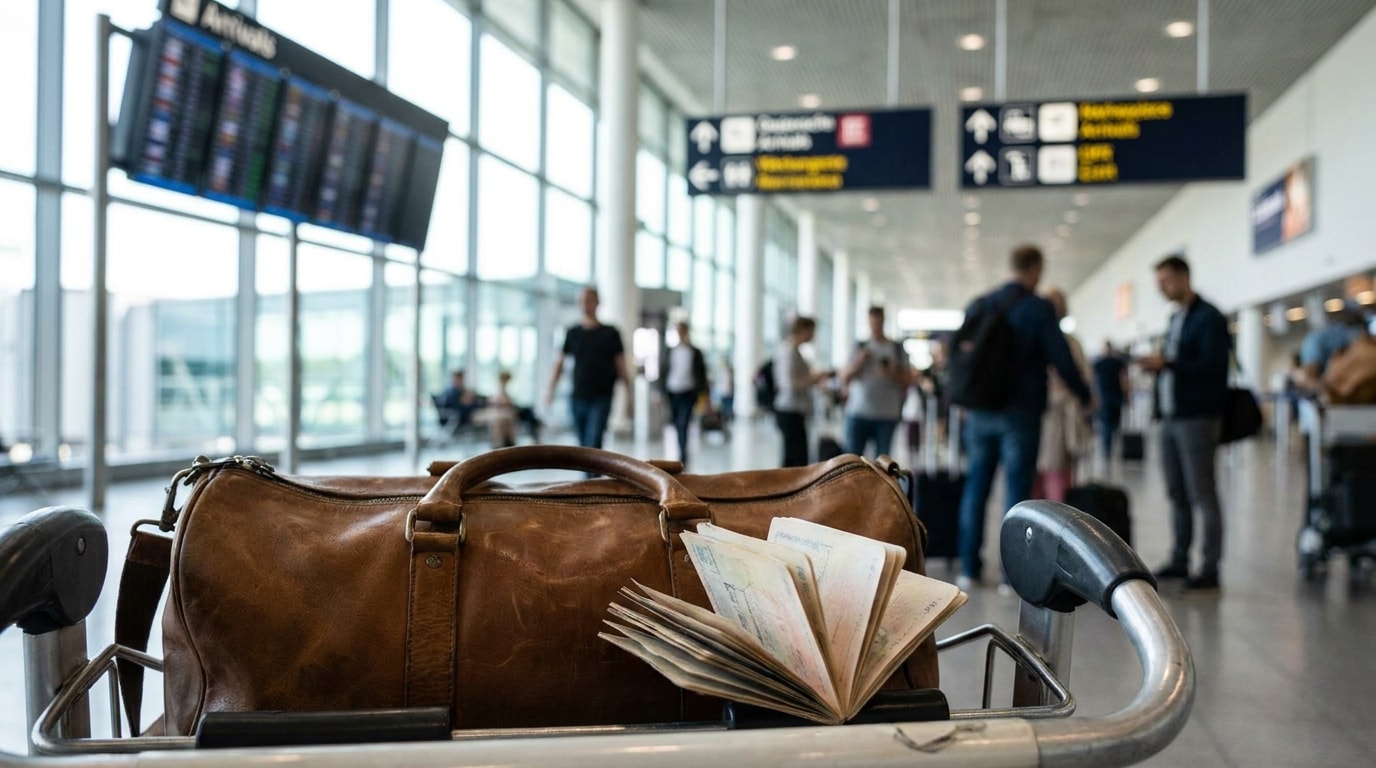
After approval, treat the DTV as one important document in a wider entry file. Keep your e-Visa confirmation accessible offline. Carry the passport used for the application. Have evidence of onward travel, accommodation, and funds ready if asked, even if the DTV itself is already approved.
You must also remember the Thailand Digital Arrival Card. The TDAC FAQ says the current requirement applies to foreign travellers entering Thailand, with submission no more than 3 days before arrival Thailand Digital Arrival Card FAQ. Washington, D.C. says that starting 1 May 2025, all non-Thai nationals entering Thailand by air, land, or sea must complete TDAC online within 3 days before arrival, and that it is an immigration requirement, not a visa Royal Thai Embassy, Washington, D.C..
Keep a border folder
Before flying, save your DTV approval, TDAC confirmation, passport biodata page, bank evidence, and remote-work evidence in a cloud folder and on your device. Border questioning is easier to handle when documents are organised.
- Submit TDAC no more than 3 days before arrival Thailand Digital Arrival Card FAQ .
- Check that your DTV is still within its 5-year validity window MFA DTV document .
- Confirm the entry stamp gives the expected 180 days before leaving the immigration area MFA DTV document .
- Do not describe Thai employment or Thai client work at the border.
- Track your days in Thailand for tax and extension planning.
Recent changes to watch in 2026
Three changes matter most for DTV planning. First, the DTV itself is still a relatively new visa, introduced with measures effective 15 July 2024 Ministry of Foreign Affairs. Local interpretations continue to develop.
Second, TDAC became an arrival requirement from 1 May 2025 for non-Thai nationals entering by air, land, or sea, according to Washington, D.C. guidance updated 1 July 2026 Royal Thai Embassy, Washington, D.C..
Third, visa-exempt entry rules were under revision in 2026. The Department of Consular Affairs announcement on 19 May 2026 tied the changes to Royal Gazette publication and an effective date 15 days after publication Department of Consular Affairs. Always check current exemption rules before comparing them with DTV.
Rules can change locally and nationally
Do not rely on old blog posts or social media screenshots for Thailand entry rules. DTV evidence, fee currencies, processing times, TDAC, and visa-exempt rules can all depend on the current embassy, consulate, immigration, or Royal Gazette position.
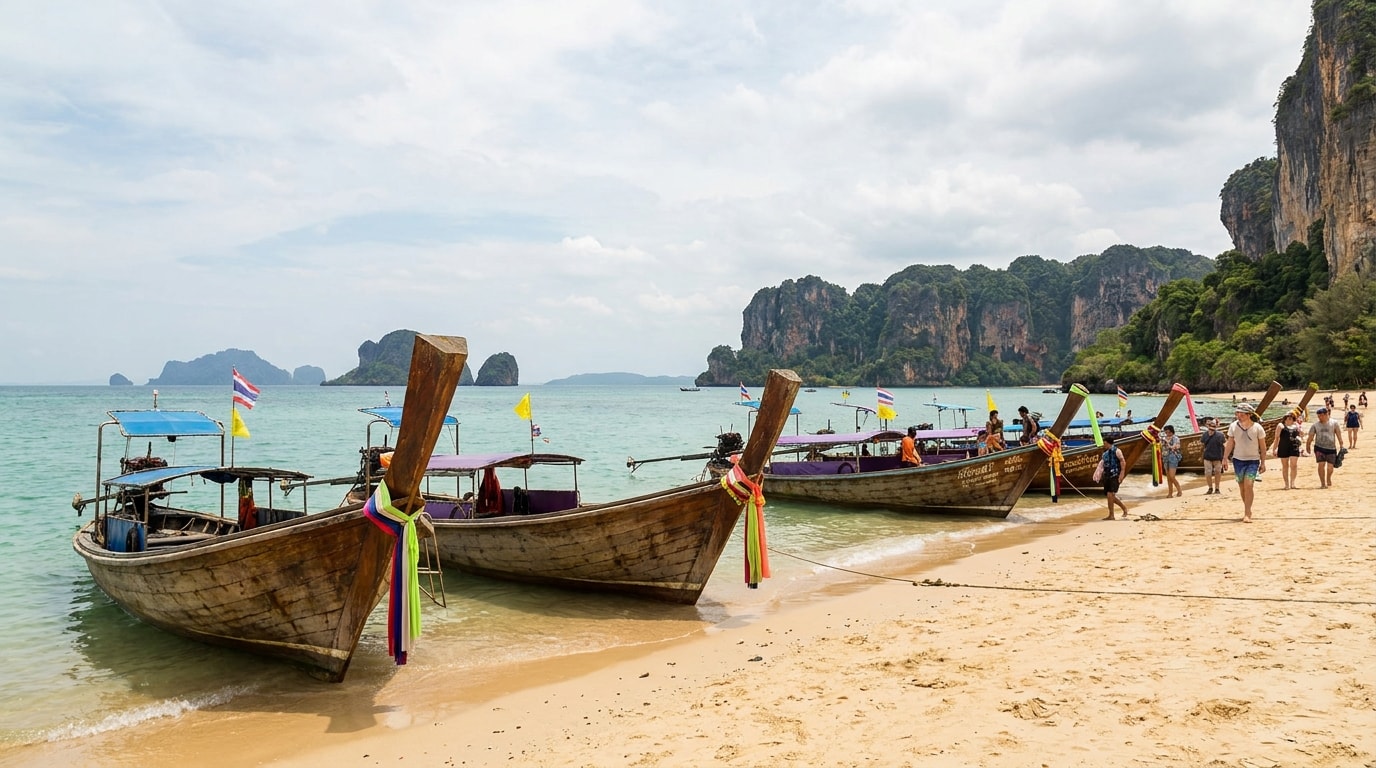
Gallery: Thailand for remote workers and long-stay visitors
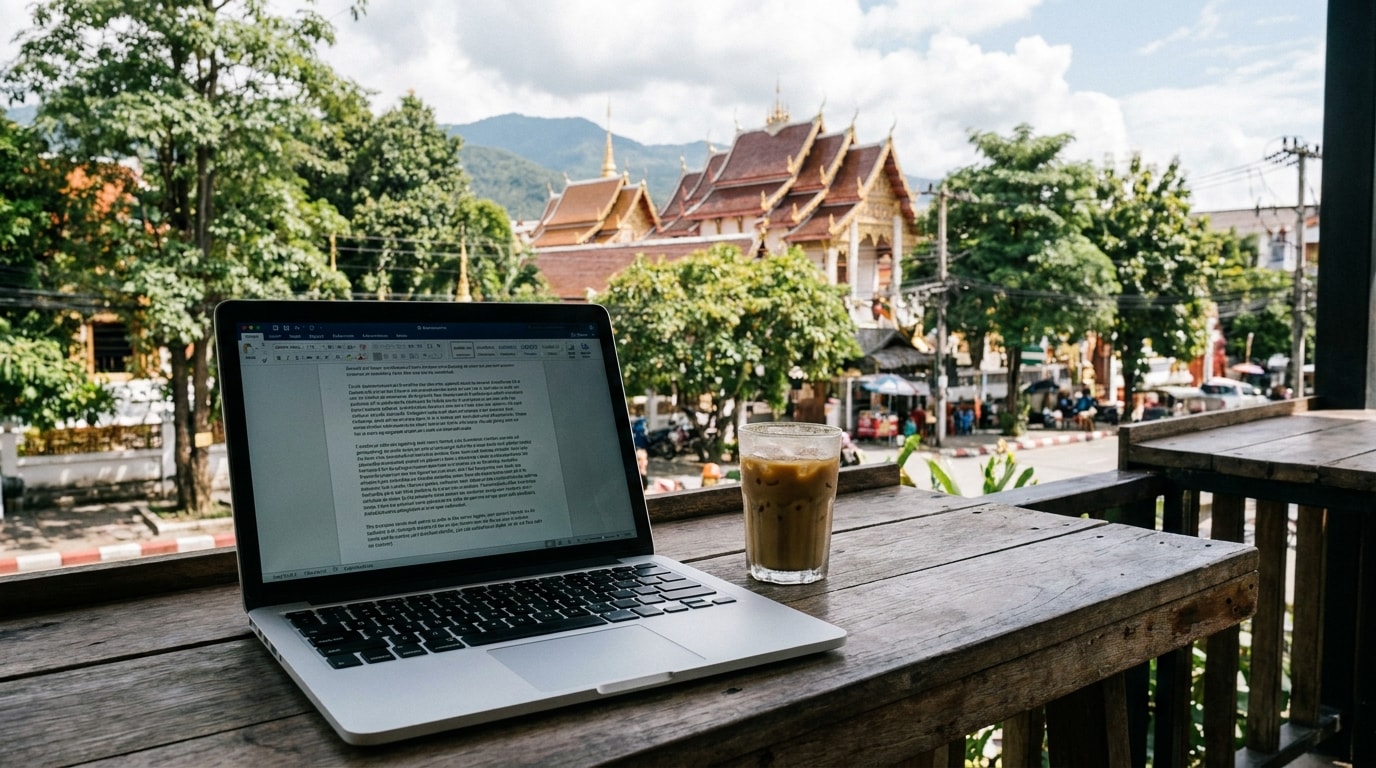
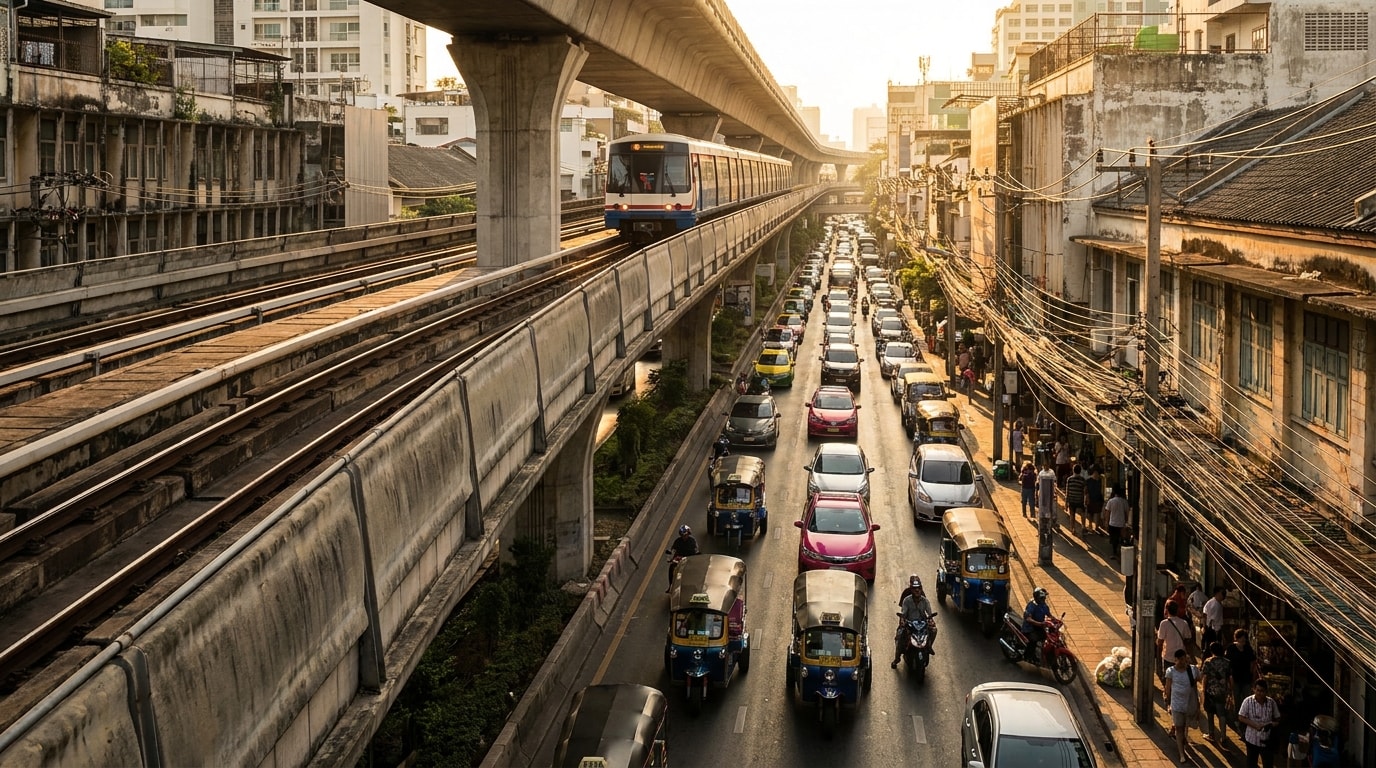
Thailand can work well for remote routines, regional travel, and slower stays, but your visa planning should be as organised as your laptop setup. Match your city, budget, and entry pattern to the DTV’s 180 days per entry structure MFA DTV document.
Thailand country information
Thailand essentials for DTV planning
Country code: TH.
Capital: Bangkok.
Currency: Thai baht (THB).
National and official language: Thai.
Timezone: GMT+7 / UTC+7.
Major airports include Suvarnabhumi Airport (BKK), Don Mueang International Airport (DMK), Phuket International Airport (HKT), Chiang Mai International Airport (CNX), Hat Yai International Airport (HDY), Mae Fah Luang-Chiang Rai International Airport (CEI), and U-Tapao International Airport (UTP).
Conclusion: next steps before you apply for the Thailand DTV
- Confirm you fit a DTV category: workcation, Thai soft-power activity, or spouse/dependent child MFA DTV document .
- Prepare passport, photo, current-location proof, financial evidence of at least 500,000 THB , and purpose evidence MFA DTV document .
- Check your embassy’s exact bank-statement, fee, translation, and processing rules before paying.
- Apply only when you are outside Thailand, as Thai e-Visa says applicants can apply only if they are currently not in Thailand Thai e-Visa Official Website .
- Plan entries, extensions, tax-day counts, and TDAC before travel.
Your best next step
The strongest DTV applications are boring in a good way: clean bank history, clear foreign work evidence, correct local fee, no Thai employment purpose, and enough time for the embassy to ask follow-up questions.
Frequently Asked Questions
What is the Thailand Destination Thailand Visa in 2026?
Who can apply for the Thailand DTV visa as a digital nomad or remote worker?
Can freelancers apply for the Thailand DTV without an employment contract?
How much money do I need to show for the Thailand DTV 500,000 THB requirement?
Do embassies require one bank statement, three months, or six months of statements?
Can I use crypto, stocks, PayPal, a business account, or investment statements as proof of funds?
Can I apply for the DTV while I am already in Thailand?
Does every DTV re-entry give a fresh 180-day permission of stay?
Can I extend a DTV stay inside Thailand for another 180 days?
Does the DTV let me work for Thai employers or Thai clients?
Can my spouse or children apply as DTV dependents?
Is the DTV better than using Thailand visa-exempt entries?
How much does the Thailand DTV visa cost in different countries?
How long does DTV processing take?
Will spending 180 days or more in Thailand on a DTV make me a Thai tax resident?
Sources and further reading
- Thailand's New Visa Measures are Now Effective - Ministry of Foreign Affairs — official source, published 2024-07-16
- New Visa Measures July 2024 - Destination Thailand Visa (DTV) — official source, published 2024-07
- Thai e-Visa Official Website — official source
- Thai e-Visa Official Website - Destination Thailand Visa (DTV) — official source
- Destination Thailand Visa (DTV) - Royal Thai Embassy, Phnom Penh — official source, published 2024-07-23
- Destination Thailand Visa (DTV) - Royal Thai Embassy, Washington D.C. — official source, published 2024-07-13; updated 2026-03-19
- Destination Thailand Visa (DTV) - Royal Thai Embassy, Budapest — official source, published 2026-02-06; updated 2026-08-18
- Destination Thailand Visa (DTV) - Workation - Royal Thai Consulate-General, Frankfurt — official source
- Required Documents for Visa Application and Importance Notices - Royal Thai Embassy, Seoul — official source, published 2026-03
- Announcement of the Royal Thai Consulate-General in Vancouver - 2024 Visa Fees — official source, published 2024-07-15
- Revision of Thailand’s visa exemption and VoA schemes - Department of Consular Affairs — official source, published 2026-05-19
- Thailand Revises Visa Policy for 65 Countries & Territories - Government Public Relations Department — official source, published 2026-07-15
- Thailand Digital Arrival Card FAQ — official source
- Visa Information - Royal Thai Embassy, Washington D.C. — official source, published 2023-03-24; updated 2026-07-01
- Frequently Asked Questions (FAQs) for VISA - Royal Thai Embassy, Washington D.C. — official source, published 2023-08-15
- Personal Income Tax - The Revenue Department (English Site) — official source
- Section 38_64 - The Revenue Department (English Site) — official source
- Overview - Thailand Film Office, Department of Tourism — official source
- Airports - Board of Investment of Thailand — official source, published 2025-10
- DTV - immigration denied to extend my stay for another 180 days — secondary source, published 2025-12-20
Thailand
Capital: Bangkok
Currency: Thai baht (THB)
Language: Thai is the national and official language
Timezone: GMT+7 / UTC+7
Processing: The Thai e-Visa website does not state one universal DTV processing time; it says applicants pay the fee and wait for the visa to be processed, and embassies/consulates may request interviews or additional documents.
Quick Facts
- Main airports: Suvarnabhumi Airport (BKK), Don Mueang International Airport (DMK), Phuket International Airport (HKT)
- DTV was introduced as part of Thailand’s July 2024 new visa measures, effective 15 July 2024.
- Thailand’s TDAC online arrival-card requirement began on 1 May 2025 for non-Thai nationals entering by air, land, or sea, according to Washington D.C. embassy visa information updated 1 July 2026.
- Seoul’s visa fee table lists DTV at 500,000 KRW as of 17 November 2025, showing that DTV fee currencies/amounts vary locally rather than simply using the headline 10,000 THB in every country.
Applying for Thailand?
Get the DoVisa app
Your visa, entry forms and travel documents in one place — also offline.






Comments(0)
Leave a Comment
No comments yet. Be the first to share your thoughts!