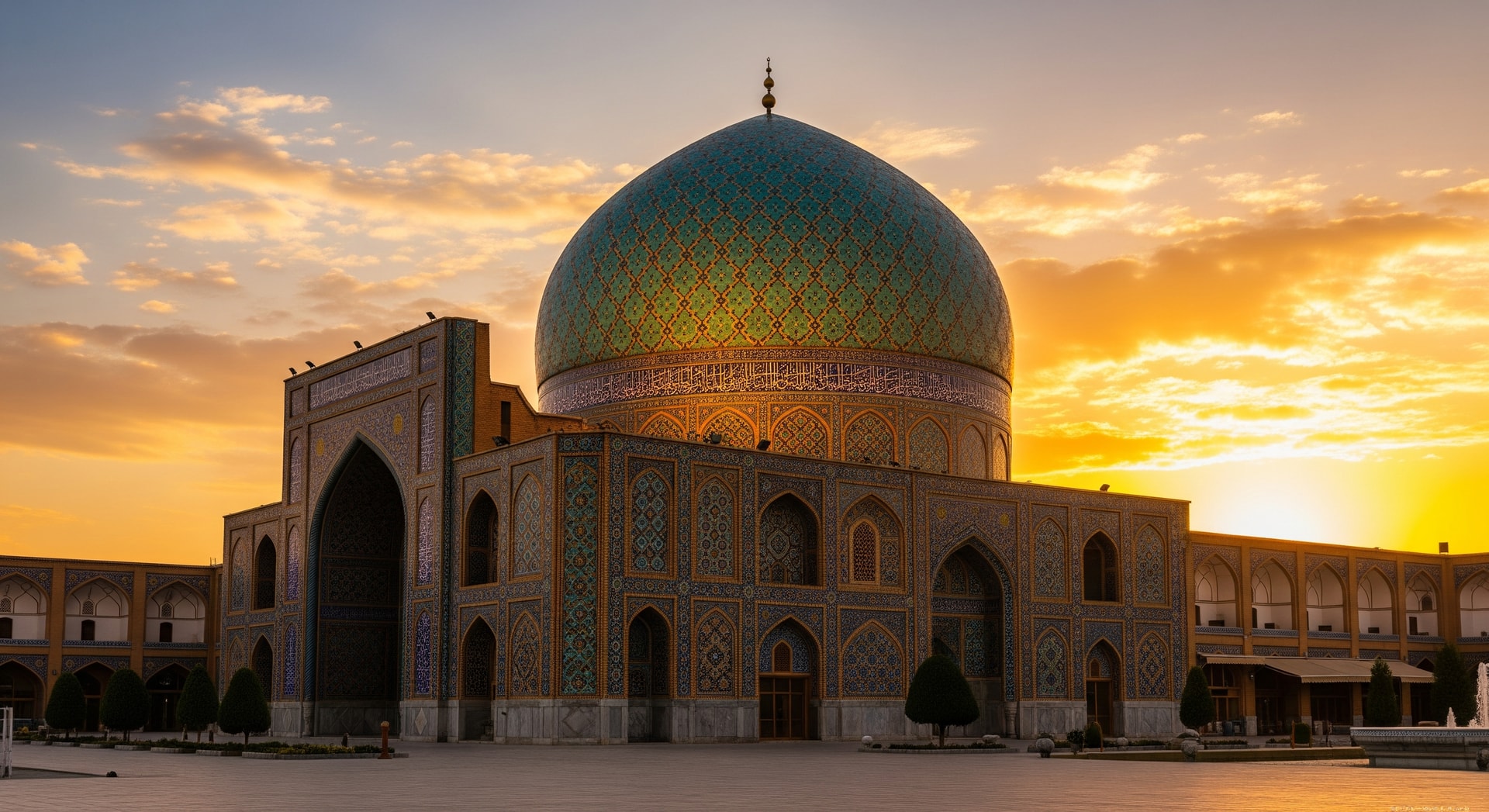

Certified Pakistani Document Translation
Notarized and MOFA-attested translations of Urdu, Punjabi, Sindhi, Pashto, and English documents for immigration, education, employment, and legal proceedings worldwide. Accepted by HEC, IBCC, NADRA, Pakistani courts, and foreign embassies.
TrustpilotSelect Languages
Drag & drop your documents here
or
PDF, JPEG, PNG, WebP — Max 10MB per file. Word documents: please save as PDF first.
Certified translators · Accepted by governments, courts & universities worldwide · View sample
Select a destination country to view pricing
How Pakistani Certified Translation Works
Submit Your Documents Securely
Upload clear scans or photographs of your Pakistani or foreign-language documents through our encrypted portal. We accept all standard formats including PDF, JPEG, and PNG. Our intake specialists review each upload for legibility and completeness, verifying that all pages of multi-page documents such as Nikah Nama (marriage contract), academic transcripts, or NADRA-issued certificates are included before translation begins.
Professional Translator Assignment
Your documents are matched with a certified translator who holds expertise in the relevant language pair and subject matter. For Urdu, Punjabi, Sindhi, Pashto, and Balochi documents, our translators are native speakers with formal training in legal, academic, and administrative terminology. Each translator's credentials are verified before assignment, ensuring they meet the standards required by Pakistani authorities, foreign embassies, and international institutions.
Translation, Review, and Certification
Your certified translator produces an accurate translation preserving the structure, terminology, and legal meaning of the original document. A second qualified linguist performs a thorough review for accuracy, formatting, and completeness. The translation is then certified with a declaration of accuracy, and where required, notarized by a Notary Public appointed under the Notaries Ordinance 1961. For documents requiring MOFA attestation or apostille, we coordinate the complete authentication chain.
Delivery with Full Authentication
Receive your certified translation as a high-resolution PDF for immediate use, with the original notarized hard copy shipped to your address via tracked courier. For documents requiring apostille certification from the Ministry of Foreign Affairs, we handle the complete submission through MOFA Islamabad or its liaison offices in Lahore, Karachi, Peshawar, Quetta, or Gujrat. International shipping is available to all major Pakistani diaspora destinations including the UK, US, Canada, Australia, and Gulf states.
Pakistani Translation Service Specifications
Popular Language Pairs
We support all languages — 100+ language pairs available for Pakistani documents.
Common Documents
- Pakistani birth certificates (Paidaish ka Certificate / NADRA Birth Certificate)
- Nikah Nama (Marriage Contract) and NADRA Marriage Registration Certificate (MRC)
- Talaq Nama (Divorce Deed) and court divorce decrees
- Academic degrees, diplomas, and transcripts (Sanad / Asnaad)
- CNIC / NICOP / Pakistan Origin Card (POC) identity documents
- Police Character Certificate (Kirdar Certificate)
- Domicile Certificate (Ikaamat Sanad)
- HEC-attested degree certificates
- IBCC Equivalence Certificates
- Power of Attorney (Mukhtaar Nama) and affidavits
Turnaround Time
Certification Details
Pakistani Translation Requirements and Regulatory Framework
Embassy Acceptance
Notarization Process
Apostille Information
Legal Framework
Common Scenarios for Pakistani Document Translation
UK Immigration and Settlement Visa Applications
Pakistani nationals applying for UK visas — including Spouse Visas, Family Visas, Skilled Worker Visas, and Indefinite Leave to Remain (ILR) — must submit certified English translations of all Urdu-language supporting documents. The UK Home Office requires translations of Nikah Nama (marriage contracts), NADRA birth certificates, police character certificates, bank statements, and educational qualifications. DoVisa provides translations formatted to Home Office specifications, including the translator's certification statement confirming qualifications, that the translation is accurate, and the date of translation. Our translations have a strong acceptance record with UK Visas and Immigration (UKVI) caseworkers.
Gulf State Employment and Attestation
Hundreds of thousands of Pakistani workers travel to the UAE, Saudi Arabia, Qatar, Kuwait, Oman, and Bahrain annually for employment. These countries require MOFA-attested translations of educational degrees, professional certificates, police clearances, and medical fitness reports. The attestation chain typically requires HEC attestation for academic documents, followed by MOFA apostille or attestation, and finally embassy attestation from the destination country. DoVisa manages this entire multi-step process, ensuring documents meet the specific requirements of each Gulf state's Ministry of Foreign Affairs and labour authorities.
Canadian Immigration and Express Entry
Pakistani applicants to Canadian immigration programs including Express Entry, Provincial Nominee Programs (PNP), and family sponsorship must provide certified English translations of all non-English documents. Immigration, Refugees and Citizenship Canada (IRCC) requires translations accompanied by an affidavit from the translator. Common documents include academic transcripts for Educational Credential Assessment (ECA) through WES or IQAS, Nikah Nama for spousal sponsorship, NADRA birth certificates, and Pakistani police clearance certificates. DoVisa ensures every translation meets IRCC requirements to avoid Requests for Additional Documents (RADs).
Academic Credential Evaluation and University Admission
Pakistani students applying to universities in the UK, US, Canada, Australia, Germany, and other countries need certified translations of their academic records. These include HSC and SSC certificates, university degrees, HEC-attested transcripts, and IBCC equivalence certificates. Credential evaluation agencies such as WES, NACES members, UK ENIC, and anabin require accurate translations that preserve Pakistani academic terminology including grade designations, division classifications, and degree nomenclature. DoVisa's academic translators are experienced with the Pakistani education system from matric and intermediate levels through professional and postgraduate degrees.
Nikah Nama Translation for Marriage Registration Abroad
The Nikah Nama (Islamic marriage contract) is a legally binding document in Pakistan, typically written in Urdu with specific religious and legal terminology. Foreign civil registration offices, immigration authorities, and courts frequently require certified translations of the Nikah Nama, along with the NADRA Marriage Registration Certificate (MRC). DoVisa translators are experienced with the standard Nikah Nama format including the Mehr (dower) clauses, Haq Talaq provisions, witness details, and Qazi (marriage registrar) certification. Our translations preserve the legal precision of these terms while providing clear English equivalents understood by foreign authorities.
Business Registration and Commercial Documents
Foreign companies establishing operations in Pakistan and Pakistani businesses expanding internationally require certified translations of incorporation documents, SECP registration certificates, partnership deeds (Sharaakat Nama), board resolutions, financial statements, and FBR tax registration certificates. Pakistani law firms and corporate entities also require translations of contracts, memoranda of understanding, and regulatory filings for cross-border transactions. DoVisa's commercial translators handle Pakistani corporate and tax terminology with precision, facilitating smooth regulatory filings in both Pakistan and abroad.
Understanding Pakistan's Document Authentication System
Pakistan operates a multi-layered document authentication system involving several government agencies, each responsible for verifying different categories of documents before they can be used domestically or internationally. Understanding this system is essential for anyone needing certified translations of Pakistani documents.
For academic documents, the Higher Education Commission (HEC) serves as the primary attestation authority. The HEC Degree Attestation System (DAS) verifies the authenticity of degrees, diplomas, and transcripts issued by recognized Pakistani universities and affiliated colleges. HEC attestation is a prerequisite before documents can proceed to MOFA for apostille certification. The process involves online application through the HEC e-Services portal, submission of original documents (degree, transcript, and CNIC), and verification against the issuing institution's records. Standard processing takes 8-10 business days, with walk-in attestation available at HEC offices in Islamabad, Lahore, Karachi, and Peshawar.
For secondary and higher secondary education certificates, the Inter Boards Coordination Commission (IBCC) handles attestation and equivalence. IBCC was reconstituted under the IBCC Act 2023 as a national body under the Ministry of Federal Education and Professional Training. IBCC issues equivalence certificates that convert foreign secondary qualifications to Pakistani standards and vice versa. The IBCC equivalence certificate (Muaadla Sanad) is frequently required alongside translated transcripts when Pakistani students apply to foreign institutions or when foreign-educated individuals seek recognition in Pakistan.
For civil and personal documents, the National Database and Registration Authority (NADRA) issues computerized certificates that have largely replaced the older handwritten records. NADRA's computerized birth certificates, death certificates, and Marriage Registration Certificates (MRC) are bilingual (Urdu and English), which simplifies translation requirements. However, older documents such as hand-written Nikah Nama, Union Council-issued birth certificates, and legacy identity records still require full certified translation. DoVisa handles both modern NADRA documents and legacy Pakistani records with equal expertise.
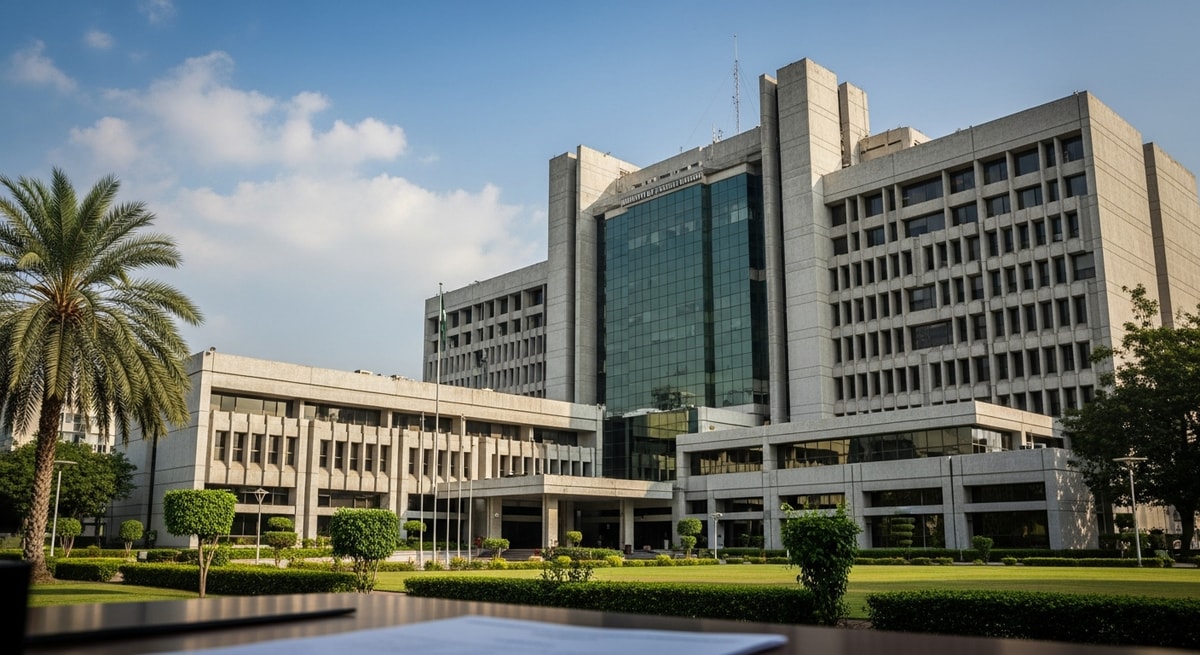
Pakistan's document authentication system involves HEC, IBCC, NADRA, and MOFA working in coordination
The Apostille Process in Pakistan
Pakistan's accession to the Hague Apostille Convention in March 2023 marked a significant milestone in simplifying the international use of Pakistani documents. Before the Convention entered into force, Pakistani documents required a time-consuming and costly multi-step legalization process involving MOFA attestation followed by embassy attestation from the destination country. The apostille system replaces this with a single standardized certificate recognized across all 125+ Convention member states.
The Ministry of Foreign Affairs (MOFA) is Pakistan's designated competent authority for issuing apostilles. MOFA processes apostille applications at its headquarters in Islamabad and through liaison offices in Lahore, Karachi, Peshawar, Quetta, and Gujrat. Since September 2024, MOFA has offered online apostille services through its dedicated portal at apostille.mofa.gov.pk, enabling applicants to submit requests digitally using their CNIC. Walk-in services are available for legal documents, and five authorized courier companies (TCS, Leopards Courier, M&P Express, Gerry's International, and Excellent Courier Services) provide door-to-door apostille processing services.
Before a document can receive an apostille, it must have been authenticated by the relevant issuing or attesting authority. Educational documents require prior attestation from HEC or IBCC. Personal documents such as birth certificates and marriage certificates must be issued or verified by NADRA or the relevant Union Council. Legal documents including court orders and powers of attorney must bear the stamp of the relevant court or notary. Only after these prerequisite attestations are complete will MOFA issue the apostille. The revised fee structure (effective July 2024) sets the cost at PKR 3,000 for personal and educational documents, PKR 4,500 for legal documents, and PKR 12,000 for commercial documents. DoVisa manages this entire authentication chain, from initial document verification through HEC or IBCC attestation to final MOFA apostille issuance, ensuring your translated documents are fully authenticated for international recognition.

MOFA Islamabad serves as Pakistan's competent authority for apostille certification since March 2023
Translating Pakistani Documents for the Global Diaspora
Pakistan has one of the world's largest diaspora communities, with an estimated 9 million overseas Pakistanis living and working across the globe. The largest communities are concentrated in the United Kingdom (approximately 1.5 million), the United States (nearly 1 million), Canada (over 300,000), Australia (approximately 100,000), and the Gulf states (over 4 million across the UAE, Saudi Arabia, Qatar, Kuwait, Oman, and Bahrain). Each destination country has distinct requirements for translated Pakistani documents, and DoVisa's translators are familiar with the specific formatting and certification standards expected by the major receiving authorities.
For the United Kingdom, the Home Office requires that translations include a certification statement from the translator confirming their qualifications, that the translation is a true and accurate rendering of the original, and the date of the translation. UK Visas and Immigration (UKVI) caseworkers review translated Nikah Nama, birth certificates, bank statements, and educational qualifications as part of spouse visa, family visa, and settlement applications. For the United States, USCIS accepts certified translations accompanied by the translator's signed statement under penalty of perjury. Common documents include birth certificates for citizenship applications, marriage certificates for spousal petitions (Form I-130), and police clearance certificates for adjustment of status applications.
For Canada, Immigration, Refugees and Citizenship Canada (IRCC) requires translations to be certified by a sworn or accredited translator, and academic documents must be translated for Educational Credential Assessment (ECA) by designated organizations such as WES, IQAS, or CES. For Australia, the Department of Home Affairs accepts translations by NAATI-accredited translators. In the Gulf states, the attestation chain typically requires MOFA apostille followed by the destination country's embassy attestation, with translations meeting the specific language and formatting requirements of each country's labour ministry. DoVisa maintains dedicated translation workflows for each of these major destination countries, ensuring your Pakistani documents meet the exact requirements of the receiving authority without delays or rejections.
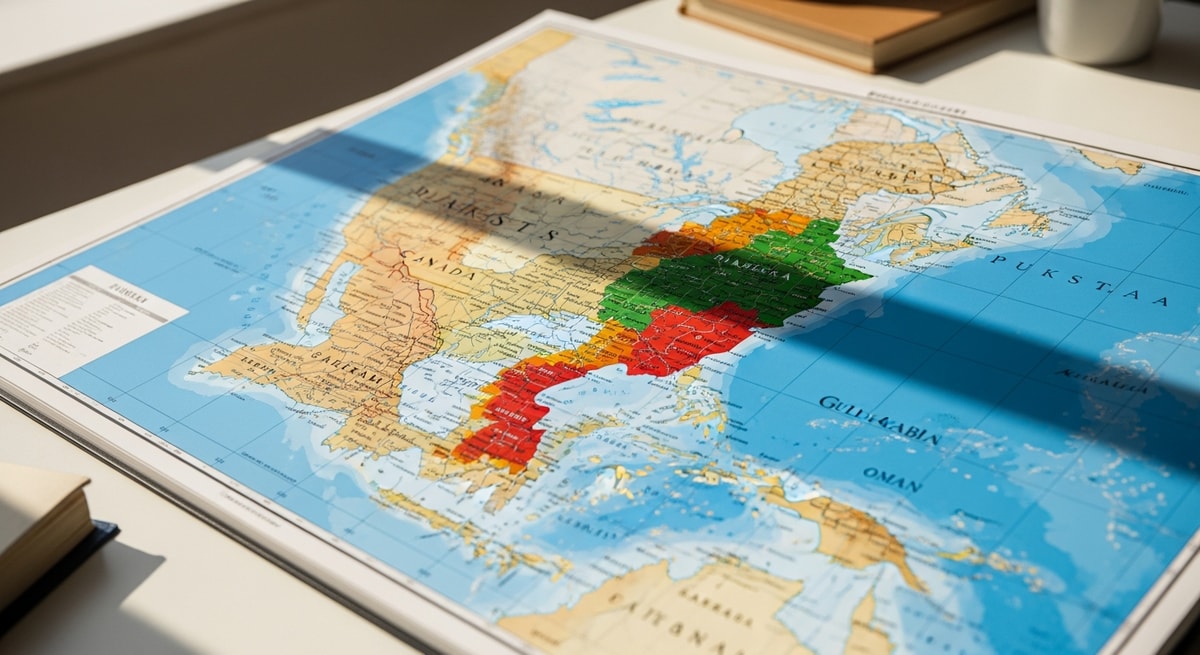
Over 9 million overseas Pakistanis rely on certified translations for immigration and legal proceedings worldwide
"Needed my Nikah Nama translated to English for a UK Spouse Visa. DoVisa handled all the specific terms perfectly and the Home Office accepted the translation without any issues. Fast turnaround too."
"Translated my HEC-attested degree and transcripts for Canadian Express Entry. WES processed my ECA without requesting corrections. DoVisa understood the Pakistani grading system and academic terminology perfectly."
"Good translation of my NADRA birth certificate and police character certificate for an Australian skilled visa. Department of Home Affairs accepted everything. Giving 4 stars only because the standard 5-day turnaround felt a bit long."
"DoVisa translated and apostilled my entire document set for UAE employment including degree, police clearance, and medical fitness certificate. The MOFA apostille process was handled smoothly. Highly recommend."
"My parents' old handwritten Nikah Nama from 1985 was translated beautifully. The translator handled the older Urdu script and legal terminology expertly. Used it for my Canadian family sponsorship and IRCC approved without questions."
"Translated my Pakistani law degree and bar council registration for equivalence evaluation in the UK. The legal terminology was spot-on and SRA accepted the translated documents. Professional service throughout."
"Used DoVisa for translating my children's NADRA birth certificates and our Nikah Nama for a US immigration petition. USCIS accepted everything with form I-130. Good quality translations, though I wish express service was cheaper."
"Needed Urdu to Arabic translation of my academic documents for a job in Saudi Arabia. The Arabic translation was reviewed by my Saudi employer's HR department and cleared without issues. DoVisa also coordinated the MOFA apostille."
"Translation of my Pakistani medical degree was accurate overall, but there was a minor formatting error in the transcript layout that needed correction. They fixed it quickly. Final version was accepted by the GMC in the UK."
"Our company needed SECP registration documents and a partnership deed translated from Urdu to English for an international joint venture. The corporate terminology was handled professionally. No queries from our foreign partners."
"Translated my Pakistani intermediate and matric certificates with IBCC equivalence for a German university application. The translator understood the Pakistani board examination system perfectly. Uni-assist processed my application smoothly."
"Good service for translating my domicile certificate and police clearance for a Qatar work visa. The attestation chain from MOFA through the Qatar embassy was handled end-to-end. Would have been 5 stars if courier delivery was faster."
"Needed my Nikah Nama translated to English for a UK Spouse Visa. DoVisa handled all the specific terms perfectly and the Home Office accepted the translation without any issues. Fast turnaround too."
"Translated my HEC-attested degree and transcripts for Canadian Express Entry. WES processed my ECA without requesting corrections. DoVisa understood the Pakistani grading system and academic terminology perfectly."
"Good translation of my NADRA birth certificate and police character certificate for an Australian skilled visa. Department of Home Affairs accepted everything. Giving 4 stars only because the standard 5-day turnaround felt a bit long."
Pakistani Document Translation FAQs
What is a certified translation and why do I need one for Pakistani documents?
A certified translation is a translation accompanied by a signed declaration from the translator (or translation company) attesting that the translation is a true, accurate, and complete rendering of the original document. For Pakistani documents used internationally, certification is required by foreign immigration authorities, courts, universities, and employers. Many countries also require the translation to be notarized by a Notary Public appointed under Pakistan's Notaries Ordinance 1961, which adds the notary's official seal and signature. For documents destined for Hague Convention member countries, a MOFA apostille provides international authentication. DoVisa provides the appropriate level of certification for your specific destination country.
Does Pakistan accept apostille certifications from other countries?
Yes. Since Pakistan acceded to the Hague Apostille Convention on 9 March 2023, Pakistani authorities accept foreign apostille certificates issued by other Contracting States without requiring further attestation from the Ministry of Foreign Affairs or Pakistani missions abroad. This means a document apostilled in, for example, the UK, US, Germany, or Australia is recognized directly by Pakistani courts, government agencies, and institutions. However, Pakistan has declared that the Convention does not apply to documents from India or states it does not recognize. For documents from non-Convention countries, the traditional legalization process through the Pakistani embassy in that country remains required.
How does the MOFA apostille process work for translated Pakistani documents?
The apostille process involves several steps. First, the original document must be authenticated by the relevant issuing authority — HEC for university degrees, IBCC for secondary certificates, NADRA for civil documents, or a court for legal documents. The certified translation is then notarized by a Notary Public. Both the original authenticated document and the notarized translation are submitted to MOFA through one of three channels: the online portal at apostille.mofa.gov.pk, a walk-in appointment at MOFA Islamabad or its liaison offices (Lahore, Karachi, Peshawar, Quetta, Gujrat), or through an authorized courier company (TCS, Leopards, M&P Express, Gerry's International, or ECS). Processing typically takes 3-7 business days. The apostille fee is PKR 3,000 for personal and educational documents.
What documents do I need translated for a UK Spouse Visa from Pakistan?
A UK Spouse Visa (Family Visa) application from Pakistan typically requires certified English translations of: your Nikah Nama (marriage contract) or NADRA Marriage Registration Certificate; NADRA birth certificates for both applicant and any dependent children; police character certificate (Kirdar Certificate) from the relevant Pakistani police authority; bank statements or financial documents if in Urdu; educational certificates if being submitted as supporting evidence; and any previous visa refusal letters if applicable. The Home Office requires each translation to include a translator's certification statement confirming their credentials, that the translation is accurate, and the date of completion. DoVisa formats all translations to meet UK Home Office standards.
How much does certified Pakistani translation cost?
Our Pakistani certified translation pricing follows a transparent per-page structure with volume discounts that apply automatically for larger document sets. Pricing varies based on the language pair, document complexity, and processing speed selected. Urdu-to-English translations for standard documents such as birth certificates and Nikah Nama are among our most competitive rates. Express 48-hour and same-day rush options are available for time-sensitive projects. MOFA apostille fees (PKR 3,000-12,000 per document) and notarization fees are quoted separately. Upload your documents on our order page to receive an instant, detailed quote before work begins — no hidden fees.
Can DoVisa translate old handwritten Pakistani documents?
Yes. Many Pakistani documents from before the computerization era — including handwritten Nikah Nama, Union Council-issued birth and death certificates, old Fard (revenue records), and pre-NADRA identity documents — use older Urdu calligraphic styles, Nastaliq script, and archaic legal terminology that require specialized translation expertise. Our translators are experienced with historical Pakistani document formats dating back several decades. For documents that are partially illegible due to age or damage, we provide a translator's note identifying any text that could not be fully deciphered, ensuring transparency with the receiving authority. We recommend providing the highest quality scan possible of older documents.
What is the difference between HEC attestation and IBCC equivalence?
The Higher Education Commission (HEC) handles attestation of university-level degrees, diplomas, and postgraduate qualifications. HEC verifies that the degree was issued by a recognized Pakistani institution and attests its authenticity. The Inter Boards Coordination Commission (IBCC) handles secondary and higher secondary education certificates — specifically Matriculation (Matric/SSC), Intermediate (HSSC), and their equivalents from foreign education systems. IBCC issues an equivalence certificate (Muaadla Sanad) that converts foreign qualifications to Pakistani standards. If you are translating a university degree for international use, you need HEC attestation first. If you are translating matric or intermediate certificates, you may need IBCC attestation. Both attestations are prerequisites before MOFA can issue an apostille for the respective documents.
Do I need original documents or are scans sufficient for translation?
For the translation itself, clear digital scans or photographs are sufficient. Our translators work from the digital copies uploaded through our secure portal. However, for notarization, the Notary Public may require sight of the original or a certified copy. For MOFA apostille processing, original documents or HEC/IBCC-attested originals must be submitted. We recommend keeping your original documents safe and accessible. For customers outside Pakistan, we can coordinate with local representatives to handle the physical document submission for apostille processing. Our certified PDF translations are suitable for preliminary submissions and digital applications while the notarized hard copies are in transit.
Can DoVisa translate Pakistani documents into Arabic for Gulf state use?
Yes. We offer Urdu-to-Arabic, English-to-Arabic, and Punjabi-to-Arabic translation services specifically designed for Pakistani workers and professionals relocating to Gulf states. The UAE, Saudi Arabia, Qatar, Kuwait, Oman, and Bahrain each have specific requirements for document formatting and attestation. Our Arabic translators are familiar with the official terminology used by Gulf labour ministries, professional licensing authorities, and educational credential evaluation bodies. For Gulf state employment, we typically translate and authenticate degree certificates, police clearances, medical fitness reports, and employment contracts. The complete process includes MOFA apostille followed by embassy attestation from the destination country where required.
How do you handle the specific terminology in a Nikah Nama translation?
The Nikah Nama (Islamic marriage contract) contains specific religious, legal, and cultural terminology that requires expert handling. Our translators accurately render terms including Mehr (dower — both Mehr-e-Muajjal/prompt and Mehr-e-Muwajjal/deferred), Haq Talaq (delegated right of divorce), Wali (guardian), Wakeel (representative), Qazi or Nikah Registrar, and the Ijab-o-Qubool (offer and acceptance) clauses. We preserve the legal meaning of each clause while providing clear English equivalents that foreign authorities can understand. Where a term has no direct English equivalent, we provide the transliterated Urdu term alongside an explanatory translation. This approach has been accepted consistently by UK, US, Canadian, and Australian immigration authorities.
What if my Pakistani translation is rejected by a foreign authority?
DoVisa offers an acceptance guarantee for all Pakistani certified translations. If an immigration authority, court, embassy, university, or other official institution rejects our translation due to a formatting, terminology, or certification issue, we revise and reissue the translation at no additional cost within 24 hours. Rejections are extremely rare (under 1% of submissions) and typically involve institution-specific formatting preferences rather than translation errors. When a revision is needed, our translators promptly adjust the document to meet the particular authority's expectations. If a revision does not resolve the issue, we provide a full refund. This guarantee does not cover rejections based on the content of the original document itself or missing source documentation.
Can I use a single translation for multiple countries?
In most cases, yes. A certified English translation of a Pakistani document is generally accepted across English-speaking countries including the UK, US, Canada, Australia, and New Zealand, provided it meets the certification standards of each receiving authority. However, some countries require country-specific certification formats. For example, IRCC (Canada) requires an affidavit from the translator, while the UK Home Office requires a specific certification statement format. For non-English-speaking countries such as Germany, France, or the Gulf states, a translation into the target country's language is typically required. DoVisa can provide translations in multiple target languages from a single source document submission, and we advise on the specific certification format needed for each destination.
How are NADRA documents different from older Pakistani civil records?
NADRA (National Database and Registration Authority) issues modern, computerized documents that are typically bilingual in Urdu and English. These include the Computerized National Identity Card (CNIC), National Identity Card for Overseas Pakistanis (NICOP), Pakistan Origin Card (POC), computerized birth certificates, death certificates, and Marriage Registration Certificates (MRC). Because NADRA documents already contain English text, translation requirements may be reduced — some authorities accept NADRA documents without additional translation. However, older Pakistani civil records issued by Union Councils, municipal committees, or cantonment boards are typically in Urdu only and require full certified translation. Additionally, the Nikah Nama is usually in Urdu regardless of when it was issued, as it follows a standard religious and legal format.
What Pakistani documents need HEC attestation before apostille?
All higher education degrees, diplomas, and transcripts issued by Pakistani universities and degree-awarding institutions require HEC attestation before they can receive a MOFA apostille. This includes Bachelor's degrees (BA, BSc, BBA, LLB, MBBS, BDS), Master's degrees (MA, MSc, MBA, LLM), doctoral degrees (PhD), and postgraduate diplomas. The HEC Degree Attestation System (DAS) verifies the document against the issuing institution's records. You can apply through the HEC e-Services portal at eservices.hec.gov.pk, choosing either walk-in or courier mode. Walk-in attestation is typically completed same-day, while courier processing takes 7-10 working days. The fee is PKR 800 for original documents and PKR 500 for copies. Once HEC attested, the document can proceed to MOFA for apostille certification.
Does DoVisa handle translations for Pakistani court proceedings?
Yes. We provide certified translations for Pakistani court proceedings including family courts (Khula petitions, custody orders, maintenance decrees), civil courts (property disputes, contract litigation, succession certificates), and criminal courts (FIR translations, court orders, bail documents). For international legal proceedings involving Pakistani parties, we translate court judgments, legal notices, powers of attorney (Mukhtaar Nama), and affidavits. Under the Qanun-e-Shahadat Order 1984 (Law of Evidence), translated documents submitted to Pakistani courts must be certified for accuracy. Our legal translators handle both English-to-Urdu translations for documents being filed in Pakistani courts and Urdu-to-English translations for Pakistani court documents being used in foreign jurisdictions.
Get Your Pakistani Certified Translation Today
Notarized and MOFA-apostilled translations of Pakistani documents, accepted by immigration authorities, courts, and institutions worldwide