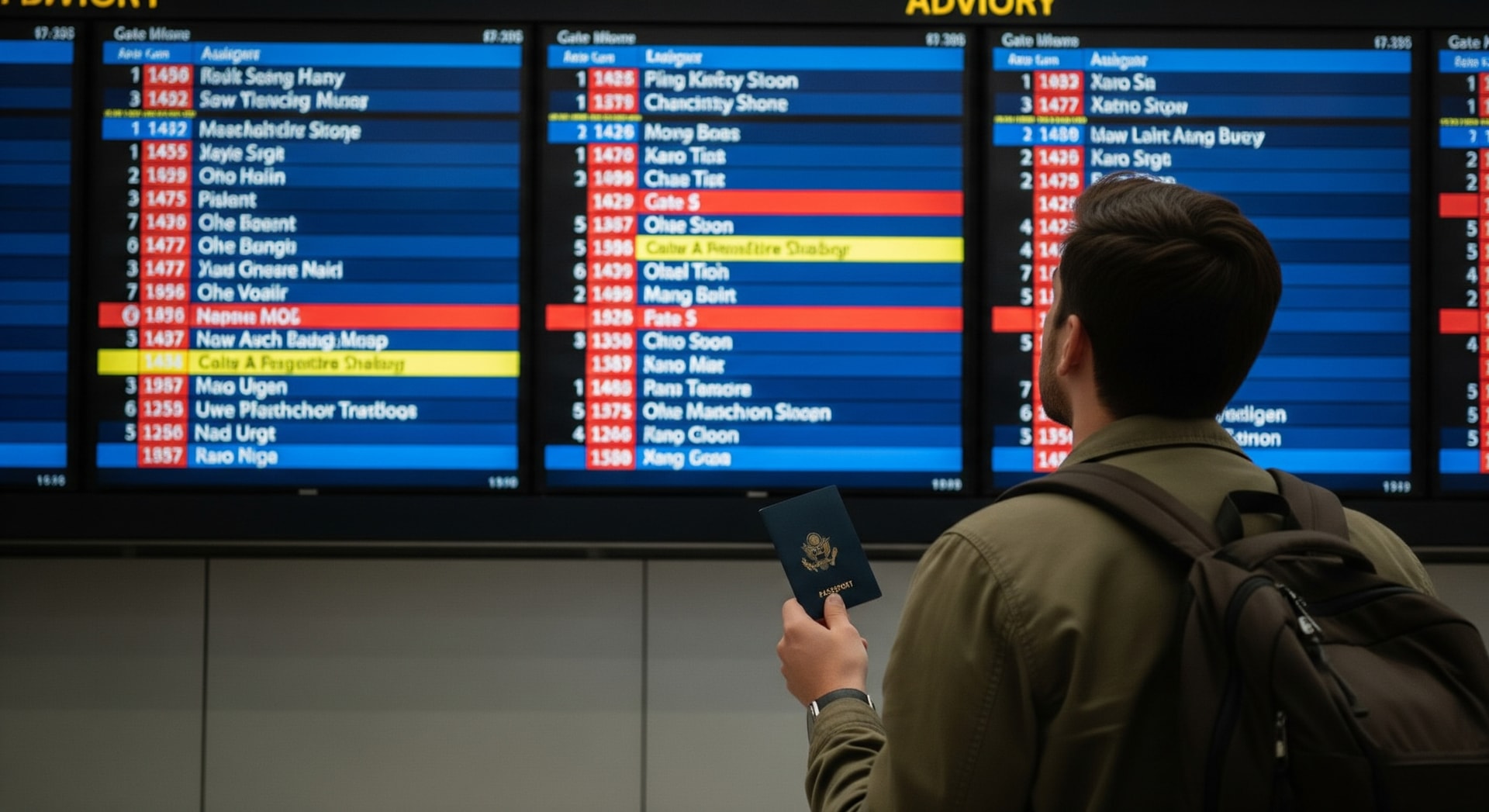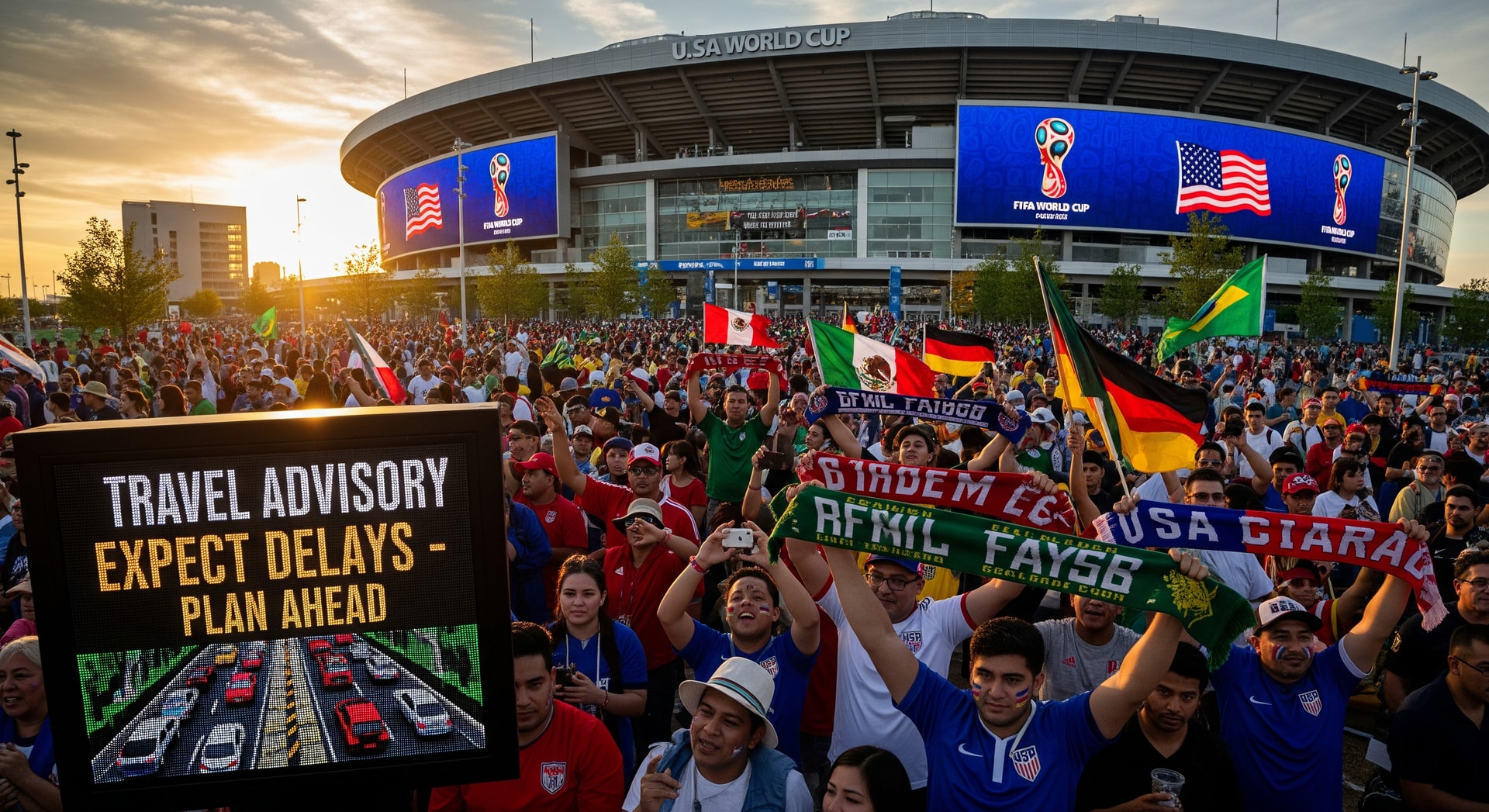
France, Germany, Ireland and Canada have updated U.S. travel advisories ahead of the 2026 FIFA World Cup, offering guidance for fans and visitors to host cities.
Summary: France, Germany, Ireland and Canada have updated U.S. travel advisories ahead of the 2026 FIFA World Cup. Updates focus on awareness in host cities—particularly Minneapolis—and remind travellers to carry documentation and monitor local conditions.
Several governments have refreshed their guidance for citizens travelling to the United States as the 2026 FIFA World Cup approaches. These U.S. travel advisories aim to help international fans and visitors prepare for matches and stay informed about local conditions in host cities.
Which countries updated guidance and why
France, Germany, Ireland and Canada have all issued revisions or reminders aimed at travellers planning trips to U.S. host cities for the 2026 tournament. The World Cup will be co-hosted by the United States, Canada and Mexico, and U.S. host cities preparing for large international crowds include New York, Los Angeles, Miami, Dallas, Atlanta, Houston, Boston, Seattle, Philadelphia, Kansas City and Minneapolis.
Minneapolis draws particular advisory attention
Minneapolis has been singled out in the recent updates. France altered its travel guidance in January after protests in the city that led to fatalities. Germany updated its advisory around the same time, noting demonstrations in Minneapolis and elsewhere and advising travellers to avoid large gatherings and keep up with local news. Ireland issued guidance urging greater caution for visitors to the Minneapolis–Saint Paul metropolitan area. None of these notices explicitly discourage travel, but they stress preparedness and situational awareness for those attending matches or sightseeing.
Minneapolis will host World Cup matches at U.S. Bank Stadium. Beyond the tournament, the region offers lakes, museums, live music and dining that make it an attractive Midwest destination.
Canada issues event-specific entry guidance
While Canada did not issue a city-specific warning for Minneapolis, it updated travel information for Canadians attending the World Cup in the United States. The guidance highlights the need to carry proof of match tickets and accommodation bookings, as border officials may request to see these on entry. Canadian authorities also advised that air travel can be smoother than land crossings during peak event times.
- Carry match tickets and accommodation confirmations
- Be prepared to show return flight details or onward travel
- Consider flying rather than driving across the border during busy periods
Broader tourism backdrop and travel patterns
The advisory updates come amid changing international travel trends. Preliminary airline booking data for the coming summer shows that advance international air travel from Europe to the United States is running below levels seen in prior years. International arrivals to the United States fell through much of 2025, with some exceptions such as Mexico. Tourism stakeholders are therefore pinning hopes on major events like the World Cup and America250 to boost inbound demand.
To accommodate the influx, host cities are investing in airport capacity, transportation, hospitality training and event readiness. Hotels and short-term rentals are preparing for high occupancy, while rail and air operators plan to support multi-city itineraries that fans are likely to build.
U.S. government resources and entry information
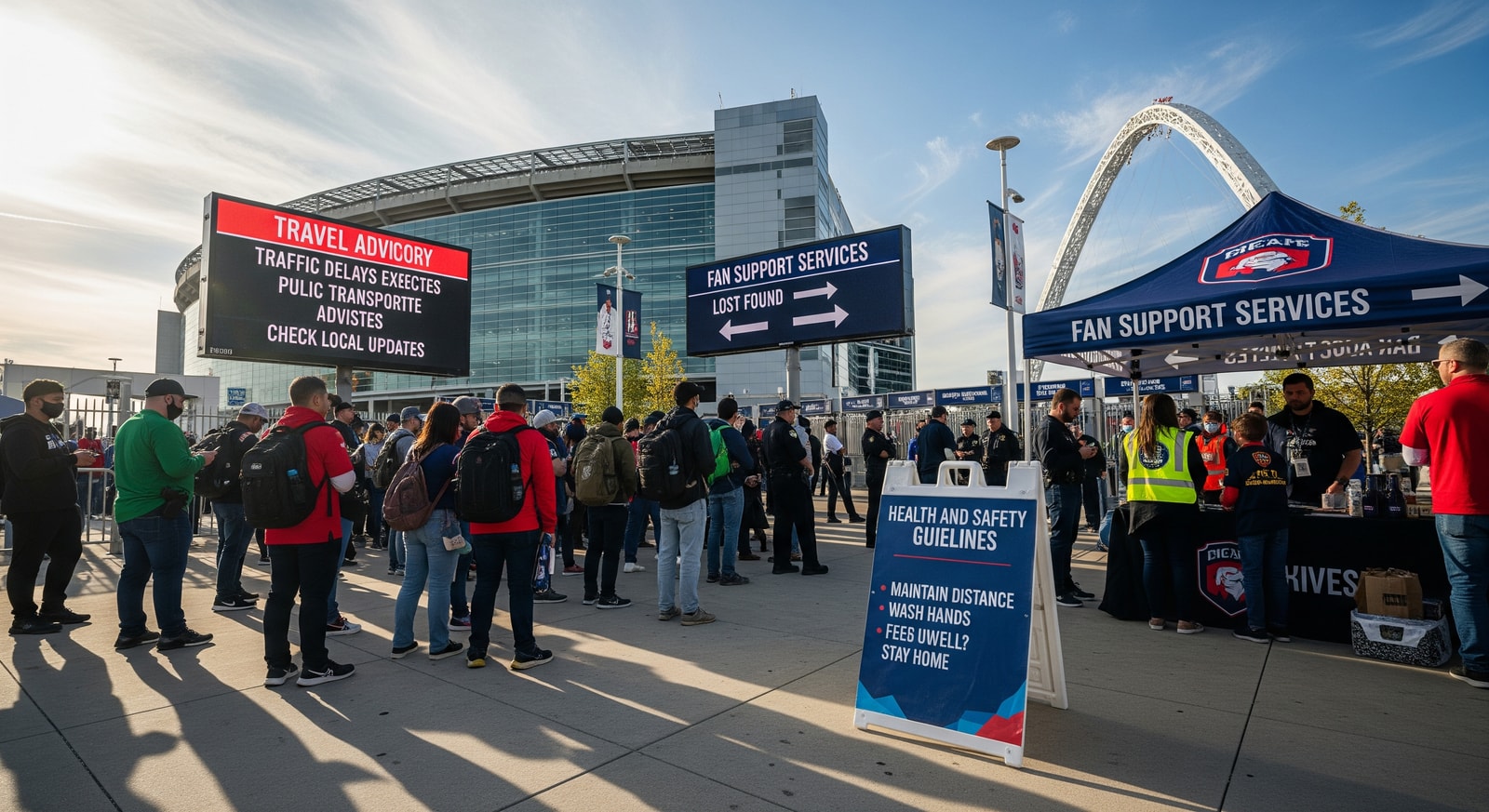
The U.S. Department of State has launched a dedicated World Cup website with visa guidance, travel resources and entry requirement updates for international visitors. Authorities are urging early planning, including booking accommodation, checking visa rules and tracking local guidance in host cities.
- Monitor official government travel advisories and local news
- Secure accommodation and transportation well in advance
- Understand visa and entry requirements before travel
What this means for travellers and the industry
So what? The advisory updates are a signal to international visitors to plan carefully and stay informed, but they are not blanket travel bans. For travellers, the practical implications are straightforward: carry documentation such as tickets and bookings, choose travel routes that minimise delays, and avoid large gatherings when advisories recommend doing so. For the travel industry, these notices underscore the need for clear communication, flexible booking policies and readiness to support guests during congested periods.
Planning a World Cup trip? Review official government travel pages, keep digital and printed copies of bookings, and favour air travel for cross-border movements during peak windows.
Sources