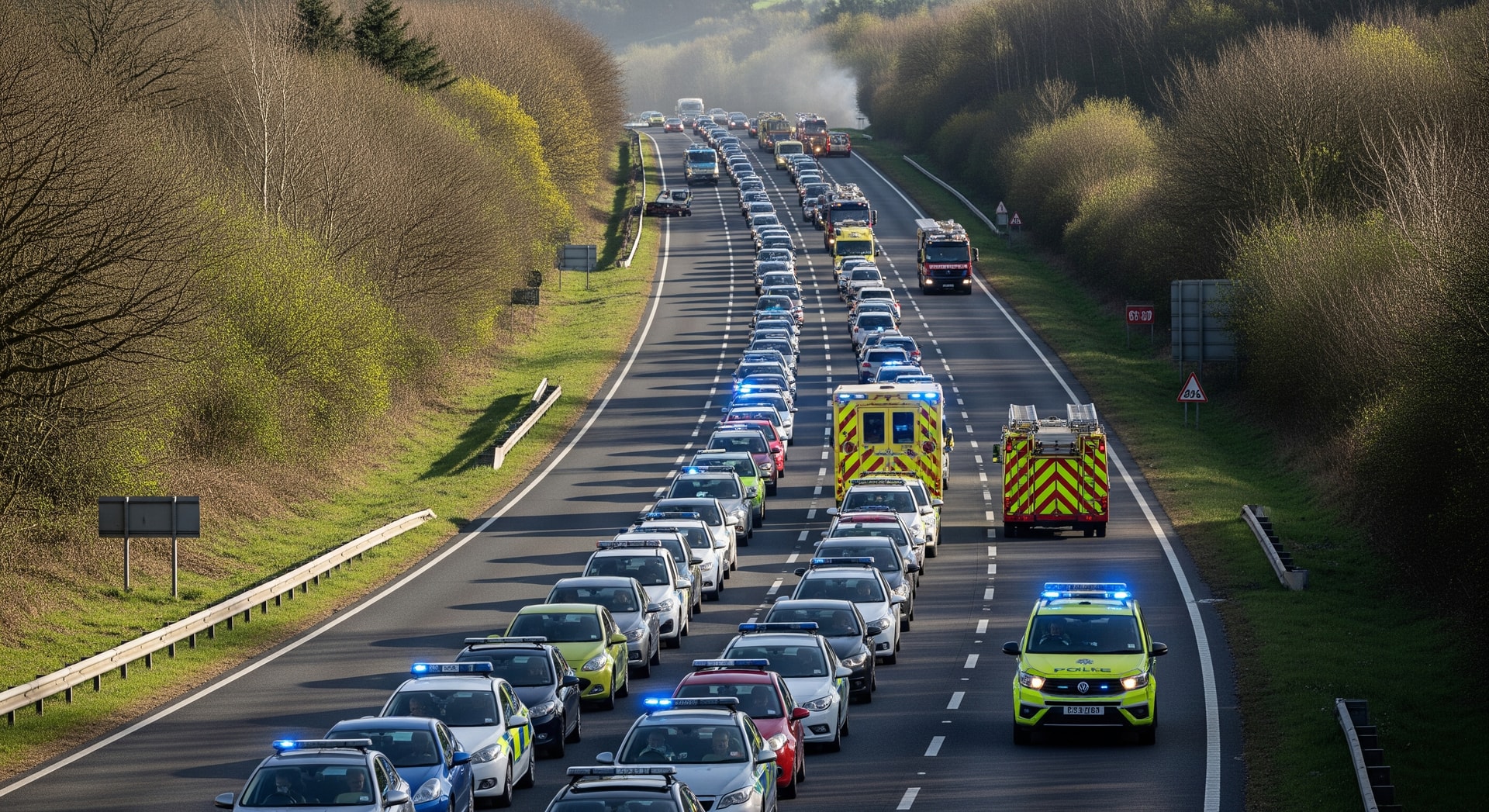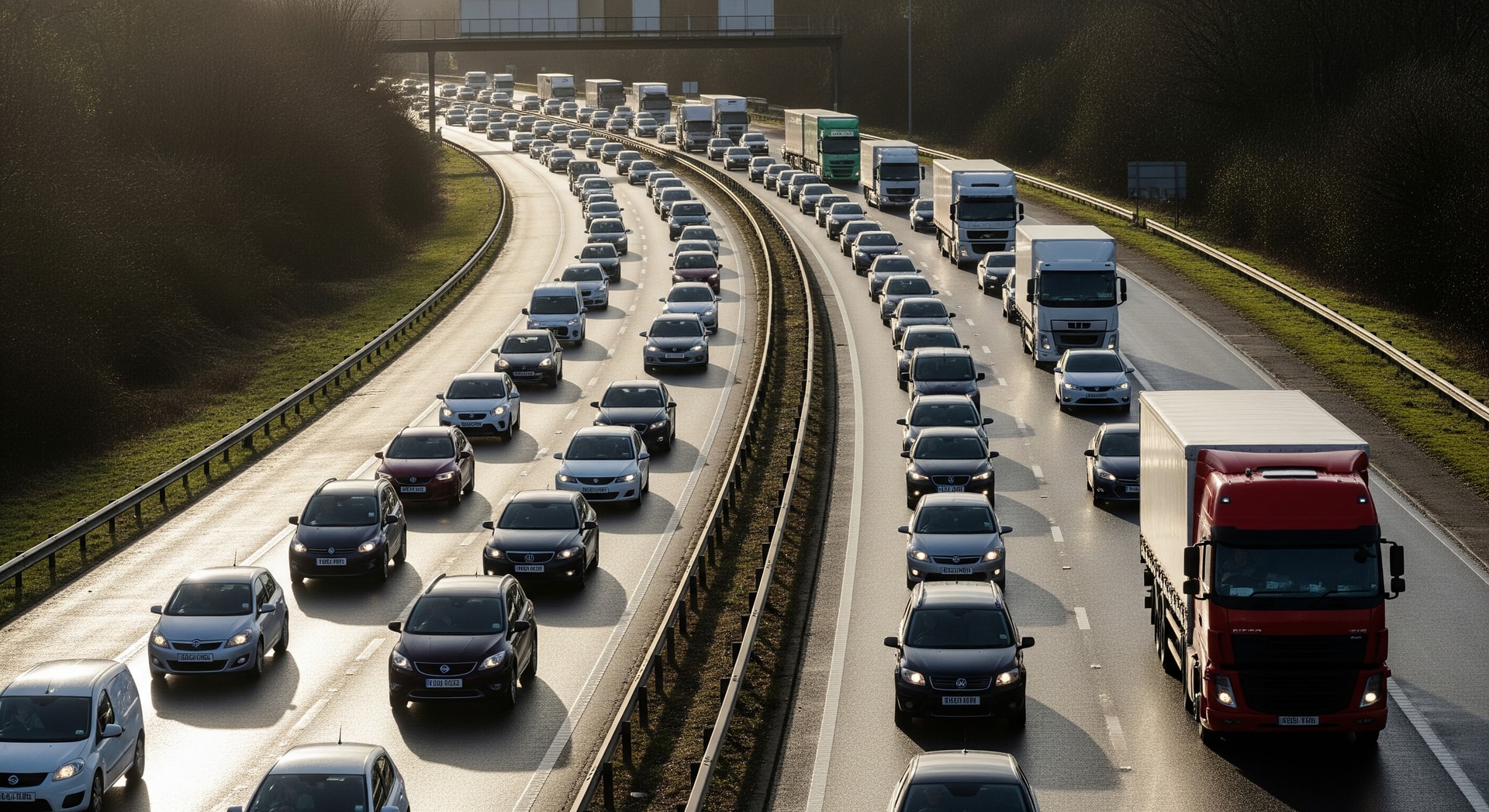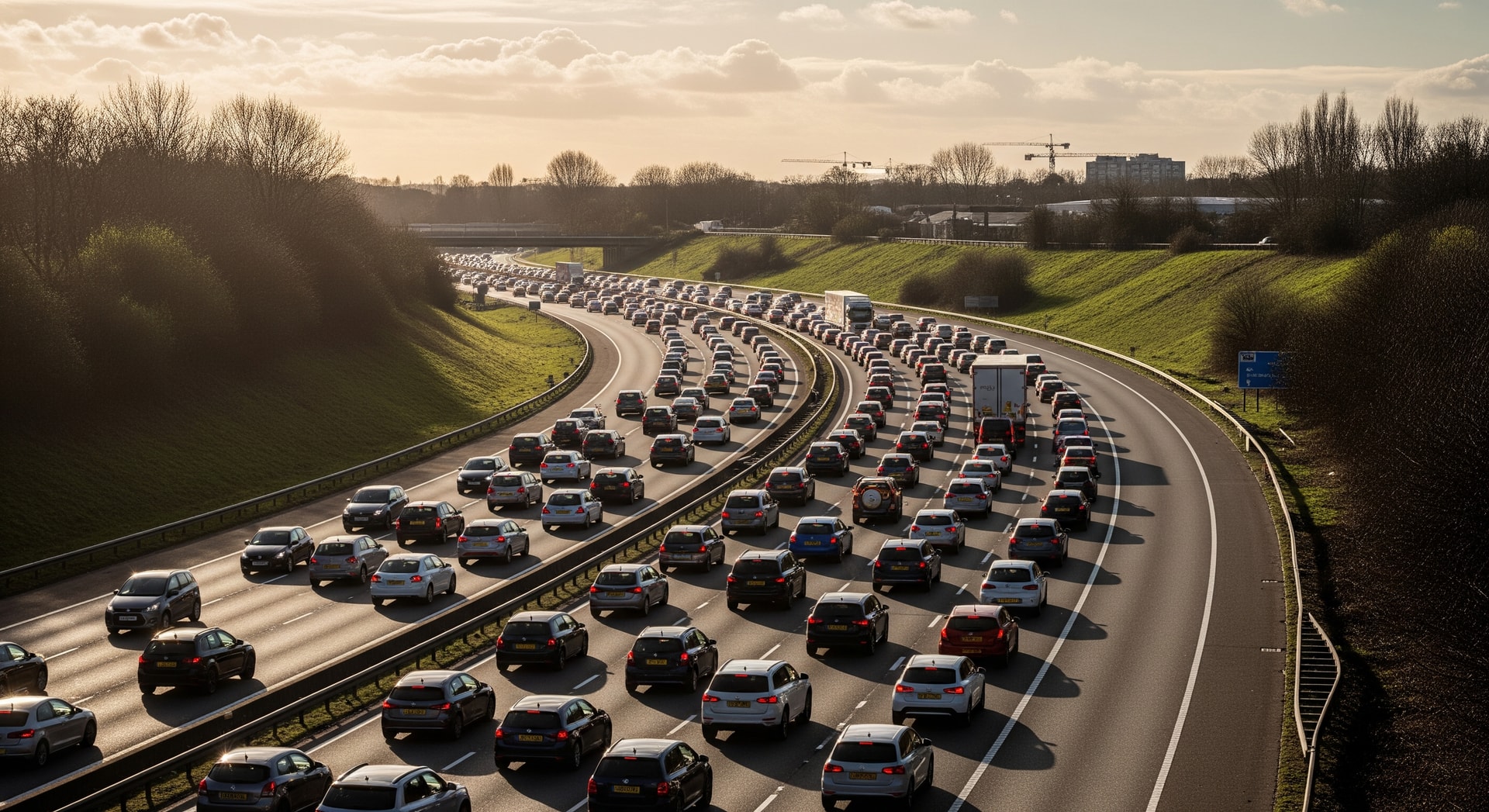
M25 traffic was severely affected after a broken‑down vehicle forced two-lane closures between Junctions 17 and 16, causing delays up to 50 minutes for motorists and freight.
Summary: M25 traffic was disrupted on the morning of 12 February 2026 after a broken vehicle led to two-lane closures on the anticlockwise carriageway between Junction 17 (Rickmansworth) and Junction 16 (M40 link), producing delays of up to 50 minutes during the peak period.
M25 traffic on the anticlockwise carriageway was slowed significantly on the morning of 12 February 2026 when a broken down vehicle prompted traffic managers to close two of the four lanes between Junction 17 (Rickmansworth) and Junction 16 (M40 link). The partial closure, on one of the UK's busiest orbital routes around London, caused heavy congestion and delays reaching about 50 minutes for commuters and freight during the morning peak.
Incident and traffic response
National Highways reported that teams moved to manage the scene and keep the site safe, closing two lanes to reduce the risk of secondary incidents while recovery work took place. Traffic officers were on site before 09:30 GMT and issued warnings for motorists to expect substantial delays and congestion as a result of the lane restrictions.
Impact on commuters and freight
The M25 forms a vital part of the UK's strategic road network, linking major routes and providing access to airports and freight hubs. Disruption on this corridor quickly creates knock‑on effects: drivers heading for business districts, traffic bound for Heathrow, and freight vehicles travelling to ports and logistics centres all experienced delays during the morning peak.
- Lane closures: Two of four lanes shut on the anticlockwise carriageway between J17 and J16
- Delays: Drivers and freight faced waits of up to 50 minutes
- Response: National Highways and traffic officers managed the scene and recovery
Location and wider network effects
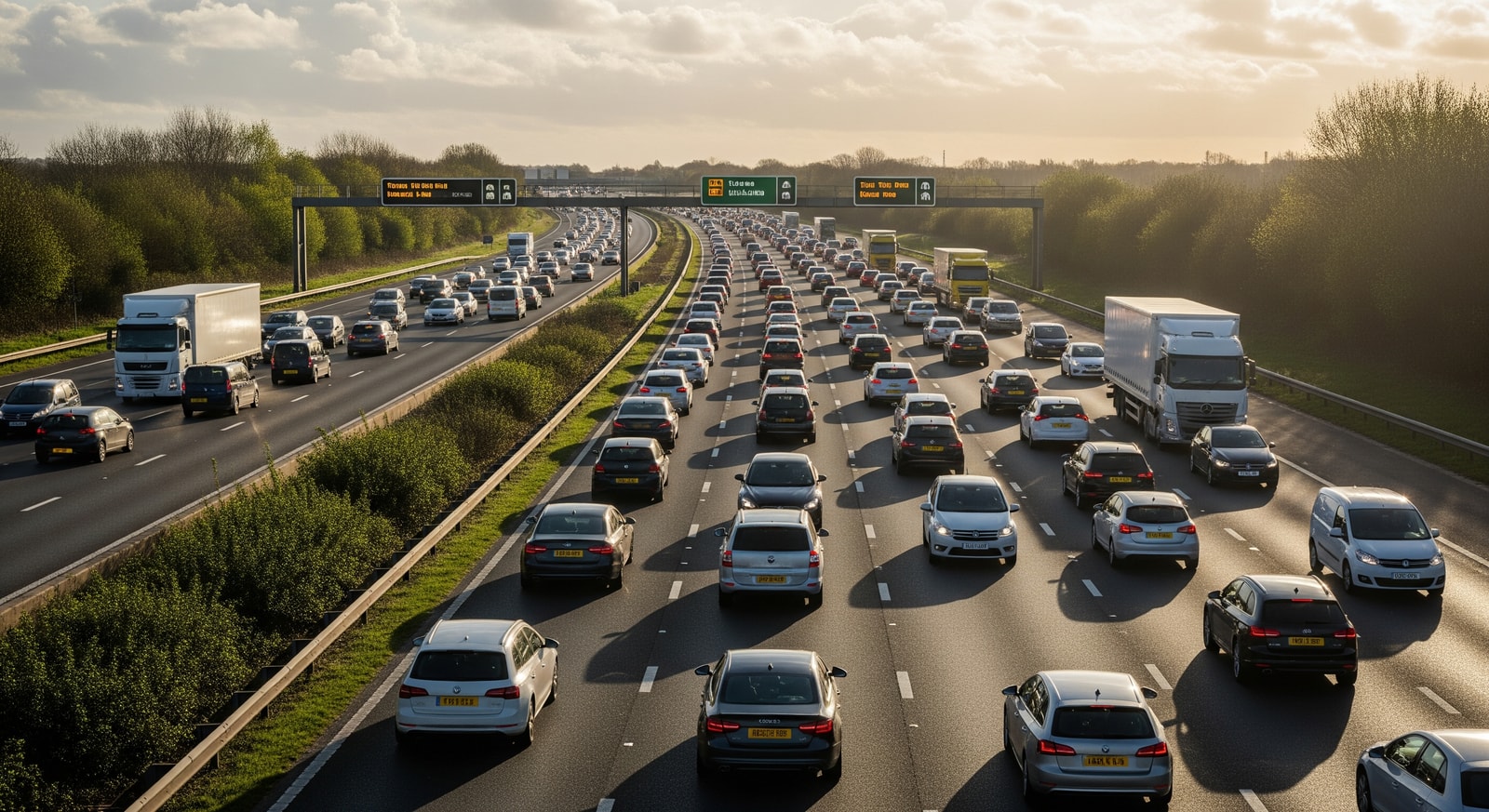
The affected stretch sits in Buckinghamshire on the western edge of Greater London. Because the M25 connects with routes such as the M1, M3, M4 and M40, disruptions here can propagate across a broad area and add pressure to adjacent routes, increasing journey times well beyond the immediate incident zone.
Role of National Highways and Traffic England
National Highways oversees incidents on England's motorways and major A roads and uses platforms such as Traffic England to publish live updates on congestion, lane closures and estimated clear‑up times. While vehicle breakdowns cannot always be anticipated, authorities coordinate with recovery teams to reopen lanes safely and as swiftly as possible.
Safety, management and best practice
Closing lanes around a broken vehicle is a standard safety measure designed to protect road users and response crews. National Highways deploys traffic officers, signage and lane control systems to slow traffic and guide drivers, minimising the risk of further collisions while recovery is underway.
- Check Traffic England or local travel alerts before setting out
- Allow additional journey time during peak periods
- Consider alternative routes if travelling near J17–J16
- Follow on-road signage and instructions from traffic officers
What this means for travellers and freight operators
Incidents like this underline how a single breakdown on a busy orbital motorway can ripple through regional traffic flows, affecting scheduled journeys and freight timetables. Drivers planning travel through the western M25 during peak hours should factor in potential delays and consult live traffic services to choose the best route.
Sources