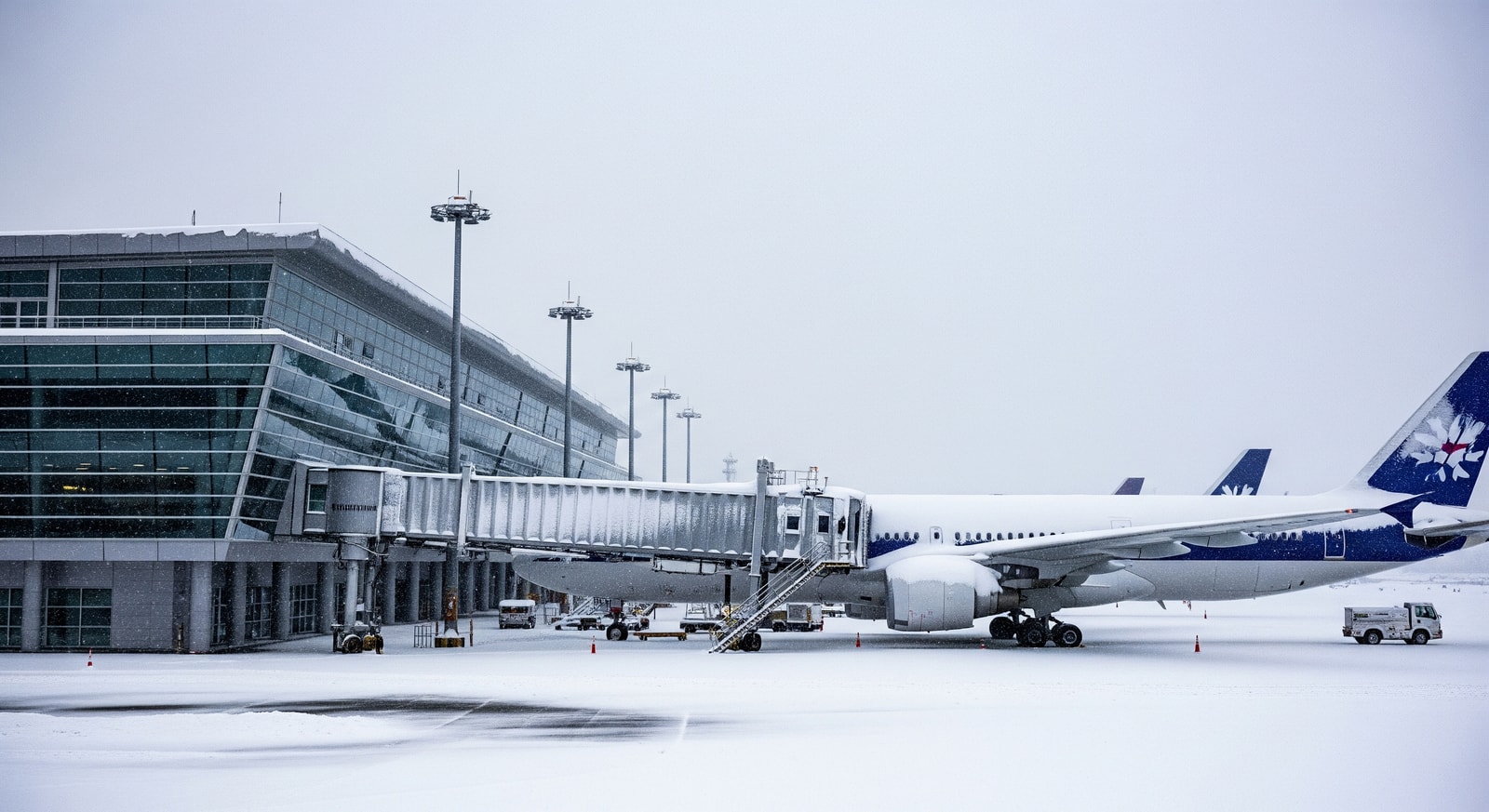
A powerful Jeju snowstorm grounded 163 flights at Jeju International Airport and left more than 11,000 passengers stranded, underscoring winter travel risks in South Korea.
Summary: A severe Jeju snowstorm forced Jeju International Airport to suspend operations, cancelling 163 flights and leaving over 11,000 passengers stranded. Travellers are urged to expect continued delay risks and to follow weather and airline updates.
A powerful Jeju snowstorm over the weekend caused major travel disruption on South Korea’s Jeju Island, halting operations at Jeju International Airport and affecting thousands of passengers. With heavy snowfall and hazardous conditions around areas including Mount Halla, the storm highlighted the vulnerability of winter travel to the island.
Snowfall and airport shutdown
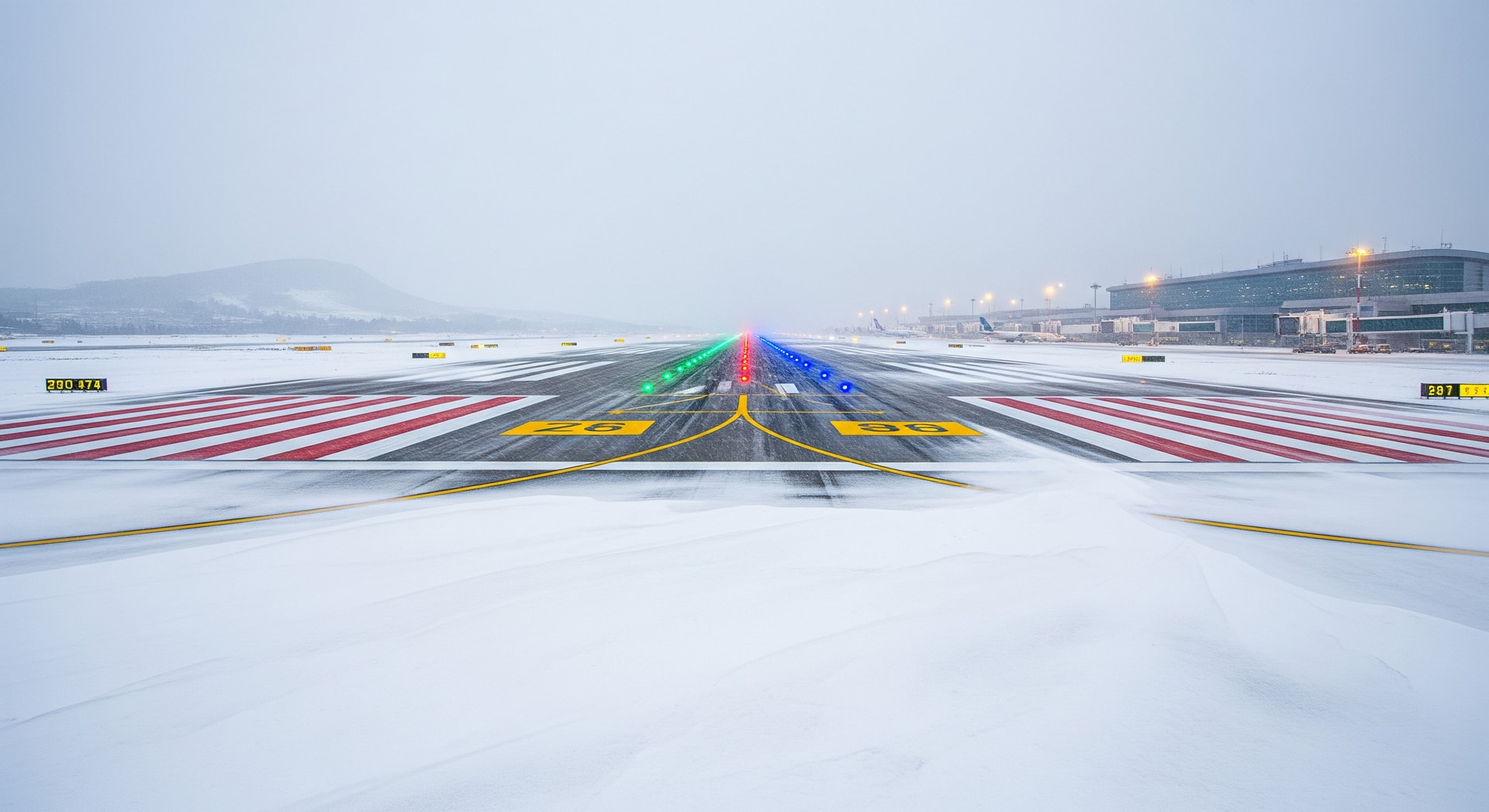
Meteorological reports said some parts of Jeju received as much as 21.5 centimetres of snow within 24 hours. The rapid accumulation made runway and road conditions dangerous, prompting airport authorities to suspend normal operations to protect passengers and crew.
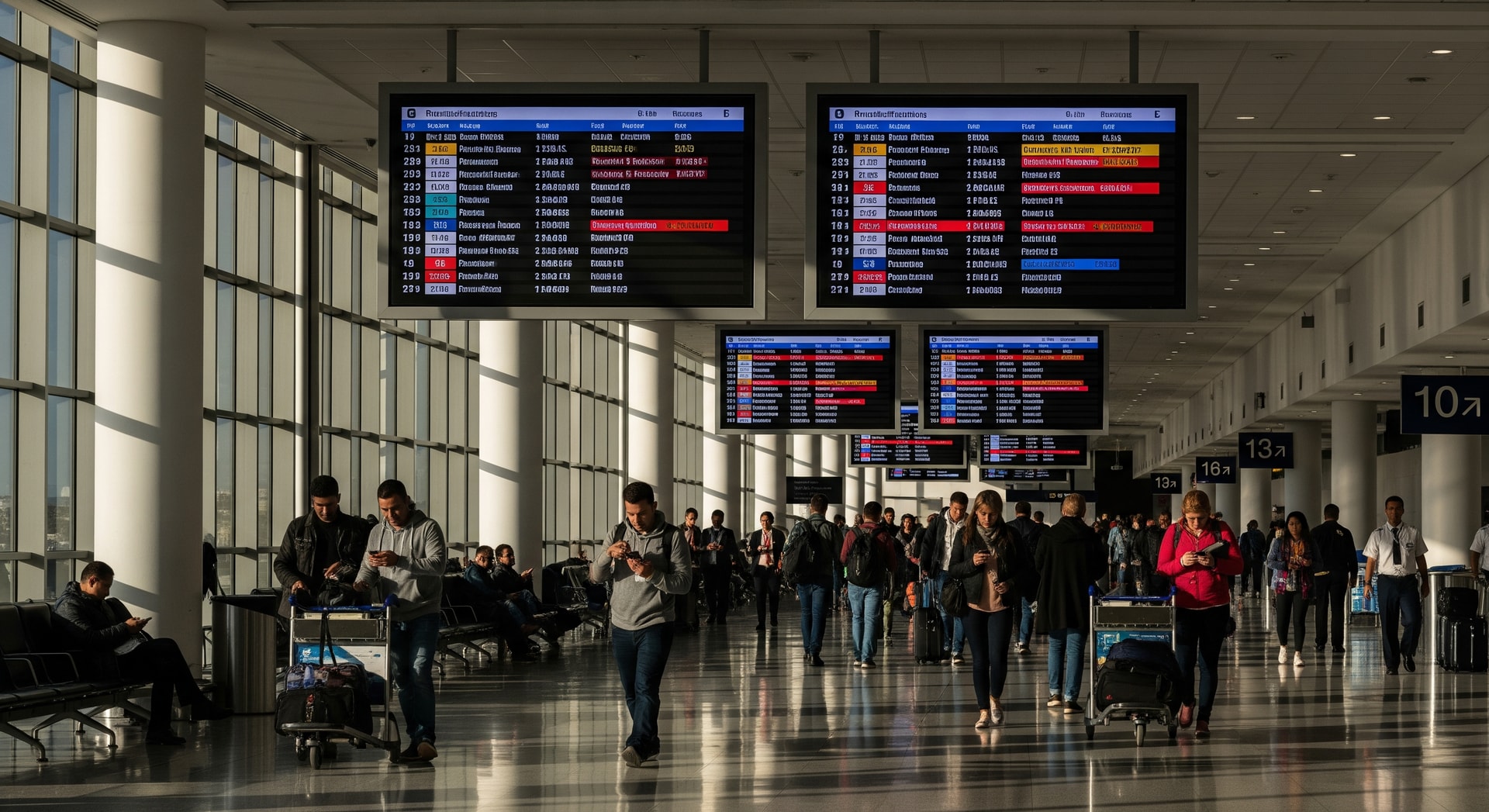
On February 7th, of the 461 flights scheduled at Jeju International Airport, 163 were cancelled outright and five aircraft were diverted to other airports. More than 11,000 passengers were left stranded as the airport halted services while crews worked to clear snow and restore safety.
Operational response and expected delays
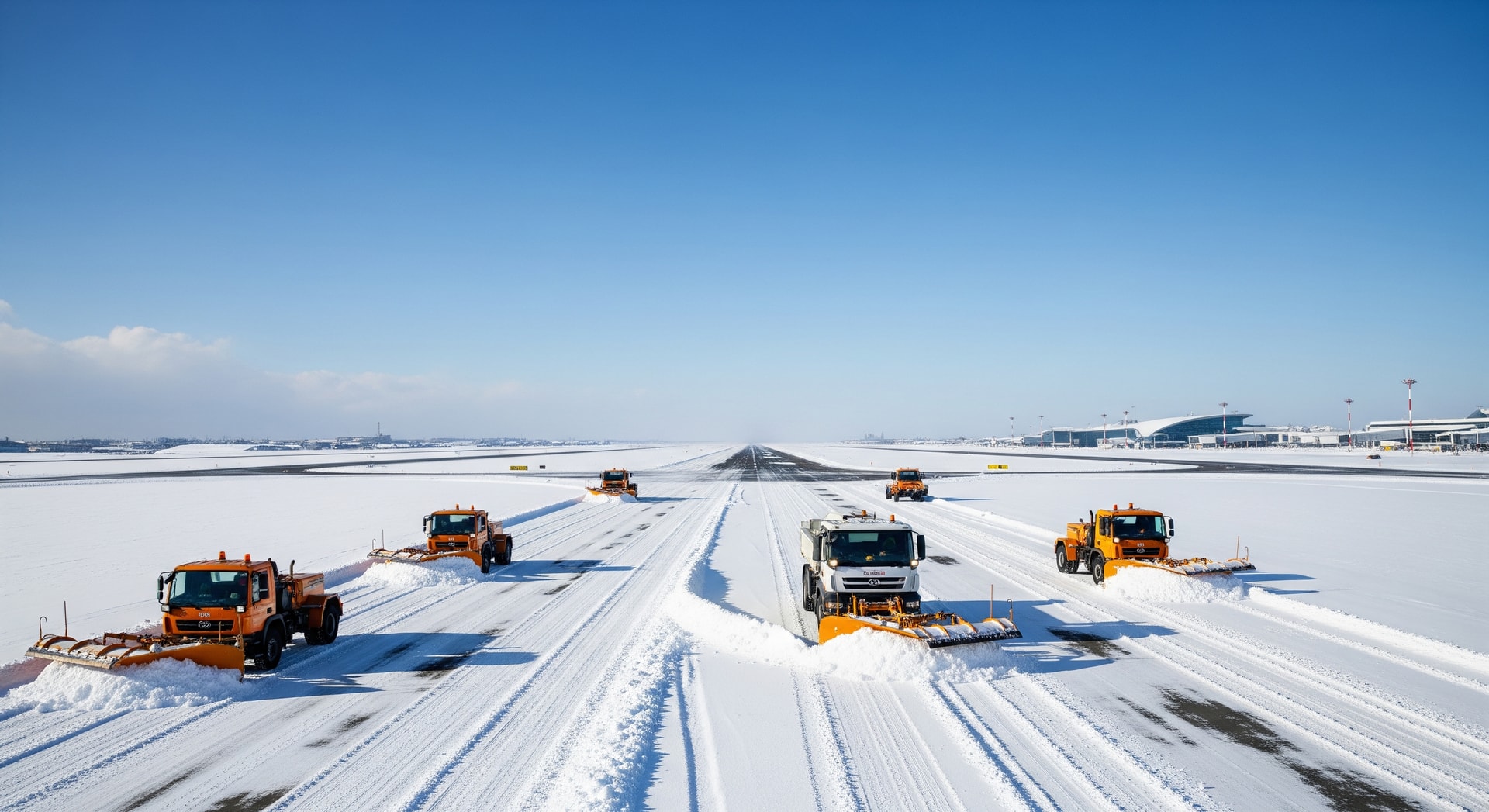
Airport teams deployed snow-removal vehicles and crews to clear runways and access roads, but officials warned that flight schedules could remain disrupted for several days given ongoing inclement weather. Even with intensive clearance efforts, severe winter systems can cause cascading delays across airline networks.
Travel advice for visitors to Jeju and South Korea
- Stay informed: Monitor weather forecasts and airline alerts closely before and during travel to winter-prone areas such as Jeju and mountainous regions.
- Book flexibility: Choose tickets that allow changes or refunds to reduce exposure to cancellation-related costs.
- Pack essentials: Carry water, snacks, necessary medication and portable chargers in case of long delays or temporary airport shutdowns.
- Accommodation near the airport: If a delay occurs, having a nearby booking can reduce stress and travel time when flights are rescheduled.
- Alternate routes: Consider ferries or other ground connections as contingency options if flights are cancelled.
Impact on tourism and the local economy
Jeju’s tourism sector, which relies heavily on a steady flow of domestic and international visitors, felt immediate effects from the disruptions. Cancellations and delays ripple through hotels, tour operators and local services, creating logistical challenges and potential revenue losses during the busy winter season.
Travellers and residents reported long waits and confusion as schedules changed; authorities and service providers worked to coordinate responses. While these interruptions are temporary, they underscore how quickly severe weather can affect an economy that is closely tied to visitor flows.
Resilience and preparing for winter travel
Local authorities moved quickly to clear runways and roads, demonstrating Jeju’s ability to mobilise resources after extreme weather. Nonetheless, public transport such as buses can still experience delays, so travellers should allow extra time for connections and be prepared for last-minute changes.
Tour operators and many hotels now offer winter-specific packages and contingency plans; booking providers that include weather-related protections can reduce disruption for visitors planning seasonal activities like mountain hikes or cultural tours.
Tip: If you have travel planned to Jeju during winter, check airline advisories and book flexible arrangements. Keep essential supplies in your carry-on in case of temporary airport closures.
Why this matters: The Jeju snowstorm illustrates how extreme winter weather can rapidly disrupt air travel and local services, affecting both tourists and residents. For travellers, the incident serves as a reminder to prioritise flexible bookings, stay informed on forecasts and pack basic supplies. For the travel industry, it highlights the importance of contingency planning and robust winter-operational capabilities to reduce economic impact and safeguard passengers.
Sources