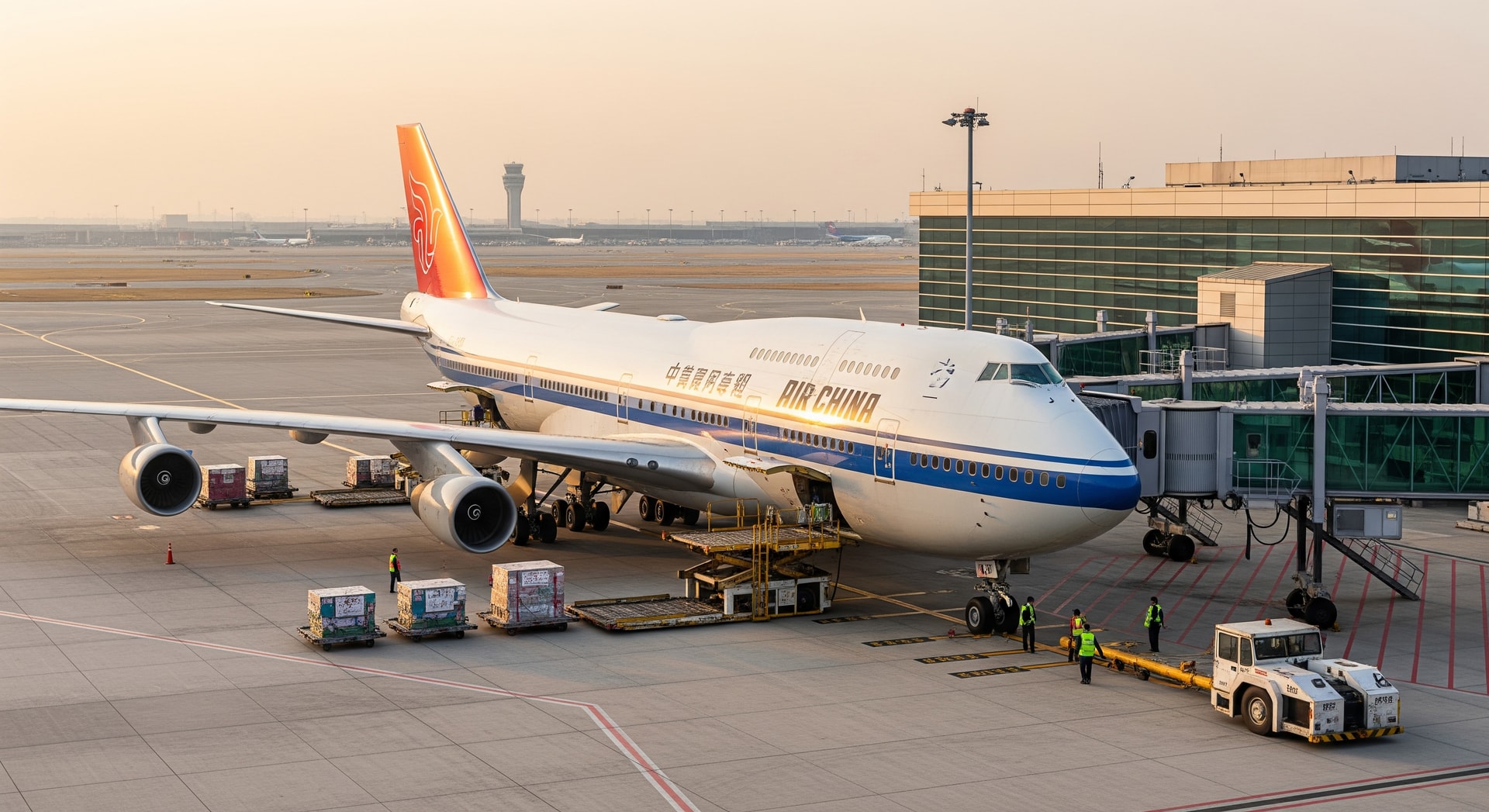
Air China is ramping up Spring Festival capacity and launching an Air China paperless cabin with facial-recognition e-gates to speed boarding and improve the passenger experience.
Summary: Air China will operate more than 70,000 flights for the Spring Festival 2026 — a 10% rise from 2025 — while introducing an Air China paperless cabin with mobile boarding passes and facial-recognition e-gates on 60% of domestic services by mid-February.
Air China, the country’s flag carrier, is preparing for a busy Spring Festival travel period by increasing capacity and launching a new Air China paperless cabin system designed to speed up and simplify boarding for both domestic and foreign passengers.
A major Spring Festival ramp-up
For the 2026 Spring Festival, Air China plans to operate more than 70,000 flights, representing a 10% increase compared with the same holiday period in 2025. The airline is prioritising domestic routes where demand traditionally spikes for family reunions, while also adding international seat capacity as outbound and inbound travel recovers.
Where capacity is being added
Air China is strengthening services on high-demand domestic corridors and expanding to regions expected to see seasonal tourism growth. Key focuses include the Beijing-Tianjin-Hebei cluster, the Yangtze River Delta, the Greater Bay Area, and the Chengdu–Chongqing corridor. The carrier is also boosting flights to the northeast to support ski tourism and demand around the Harbin Ice Festival.
- Total Spring Festival flights: more than 70,000
- Year-over-year increase: 10% compared with 2025
- Domestic coverage: Beijing-Tianjin-Hebei, Yangtze River Delta, Greater Bay Area, Chengdu–Chongqing
- Northeast expansion: routes serving ski resorts and Harbin
Introducing the ‘paperless cabin’
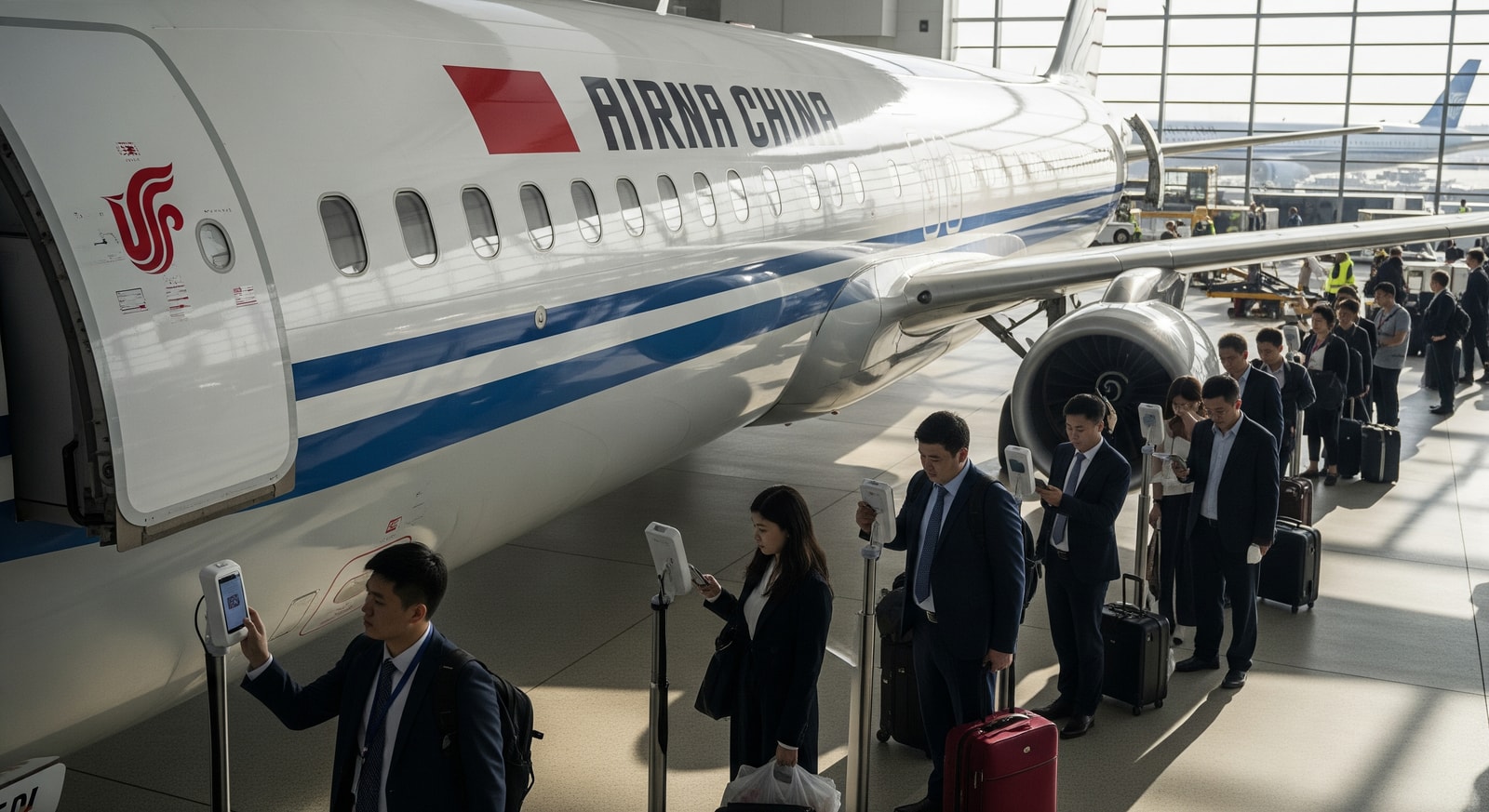
Alongside more flights, Air China is rolling out a ‘paperless cabin’ initiative that pairs mobile boarding passes with facial-recognition e-gates to allow contact-free, faster boarding. The airline says the system will be implemented on 60% of domestic flights by mid-February 2026, cutting physical touchpoints and boarding times.
How the system helps passengers
The new workflow aims to make boarding smoother, particularly for travellers who are less familiar with China’s digital ticketing ecosystem. By relying on mobile boarding passes and facial-recognition e-gates, Air China expects to reduce delays at boarding and improve throughput during peak periods.
- Mobile boarding passes paired with facial-recognition e-gates
- Contact-free boarding to minimise touchpoints
- Deployment target: 60% of domestic flights by mid-February 2026
- Expected outcome: shorter boarding times, smoother passenger flow
Air China’s role in wider recovery
The combined strategy of boosting seat capacity and modernising boarding processes highlights Air China’s contribution to the aviation sector’s post-pandemic rebound. By expanding both domestic and international options, the carrier is helping to restore pre-pandemic travel volumes and support tourism and business travel across China and overseas.
So what? For travellers, the changes mean more flight choices during one of China’s busiest holiday periods and a faster, more contactless boarding experience on many domestic services. For the industry, Air China’s moves signal continued investment in capacity and technology as demand returns.
Sources