The 737 MAX lawsuit filed by the Southwest Airlines Pilots Association will move forward after the Supreme Court declined to intervene, clearing the way for a Texas trial.
Summary: The Supreme Court declined to block a 737 MAX lawsuit brought by the Southwest Airlines Pilots Association (SWAPA), allowing allegations that Boeing misrepresented the aircraft's safety and training needs to proceed to trial.
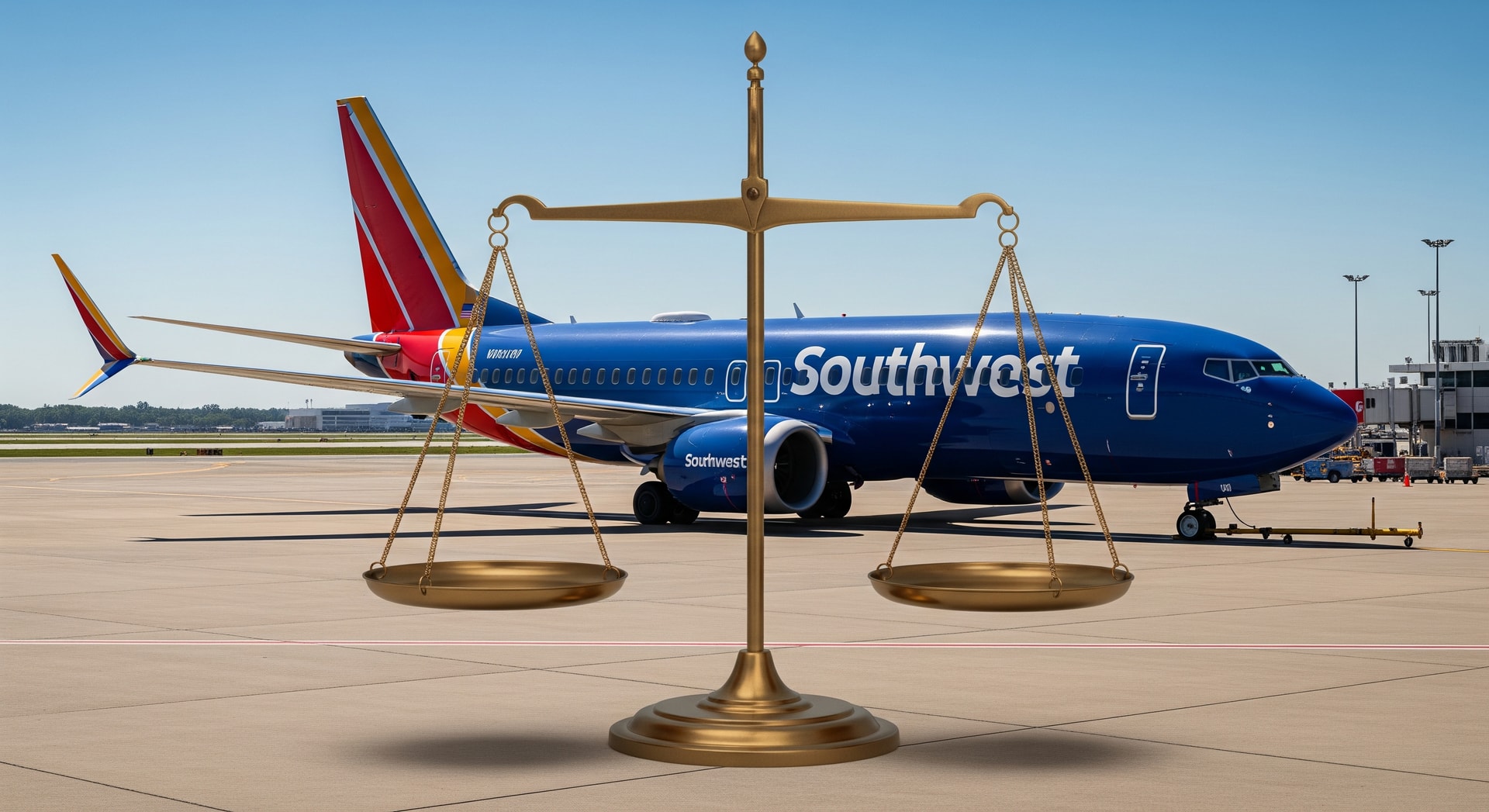
On February 24, 2026, the Supreme Court of the United States opted not to intervene in litigation brought by the Southwest Airlines Pilots Association (SWAPA), permitting the 737 MAX lawsuit against Boeing to advance toward trial. The union contends Boeing misled pilots about the aircraft's safety features and training requirements, a claim that has now survived the court's review.
What the Supreme Court decision means
By declining to block the case, SCOTUS has left in place a lower-court determination that allows SWAPA's claims to be litigated in a Texas court. The practical effect is that Southwest pilots will have the opportunity to present evidence that Boeing fraudulently induced them to operate the 737 MAX without adequate training, and to seek remedies for alleged lost compensation.
SWAPA’s allegations: training and misrepresentation
The lawsuit filed by the Southwest Airlines Pilots Association accuses Boeing of presenting misleading information about the 737 MAX’s safety features and failing to ensure pilots received the level of training necessary for the MAX variant. SWAPA argues those actions forced pilots to fly with inadequate preparation and have caused them financial harm in the form of lost pay or compensation.
- Allegation: Boeing fraudulently induced pilots to fly the 737 MAX without sufficient training
- Claim: Pilots suffered lost compensation as a result
- Context: The 737 MAX was grounded globally in 2019 after two fatal crashes
Those crashes—Lion Air Flight 610 and Ethiopian Airlines Flight 302—resulted in the deaths of 346 people and were traced to a malfunction in the MCAS (Maneuvering Characteristics Augmentation System). The incidents set off regulatory probes, litigation, and a global grounding of the MAX fleet.
Boeing’s defense: federal preemption
Boeing has pushed to dismiss the lawsuit, arguing that federal law preempts the pilots’ state-law claims. The company maintains that aviation safety and pilot training are governed by federal regulations administered by the Federal Aviation Administration (FAA), and that those federal rules displace state-based legal claims related to aircraft design and training.
Industry implications and accountability
Observers say the case could have broader consequences for aviation safety oversight and corporate accountability. A successful outcome for SWAPA might open the door for other aviation employees to bring claims tied to training, communications, or safety representations by manufacturers and carriers.
Conversely, if Boeing prevails on preemption grounds at trial, it could reinforce the primacy of federal regulatory channels for resolving many safety-related disputes, limiting state-law remedies for workers and passengers.
Next steps: trial in Texas
With SCOTUS declining review, the dispute will proceed toward trial in Texas, where SWAPA will present evidence supporting its allegations and Boeing will continue to press its defense. The litigation could be lengthy and may result in significant financial and reputational consequences depending on the outcome.
Why this matters: Travelers and the aviation industry are watching closely because the case touches on how aircraft safety communications and pilot training are managed between manufacturers, regulators, and operators. The outcome may influence future regulatory approaches, corporate practices, and legal accountability across the sector.
Sources