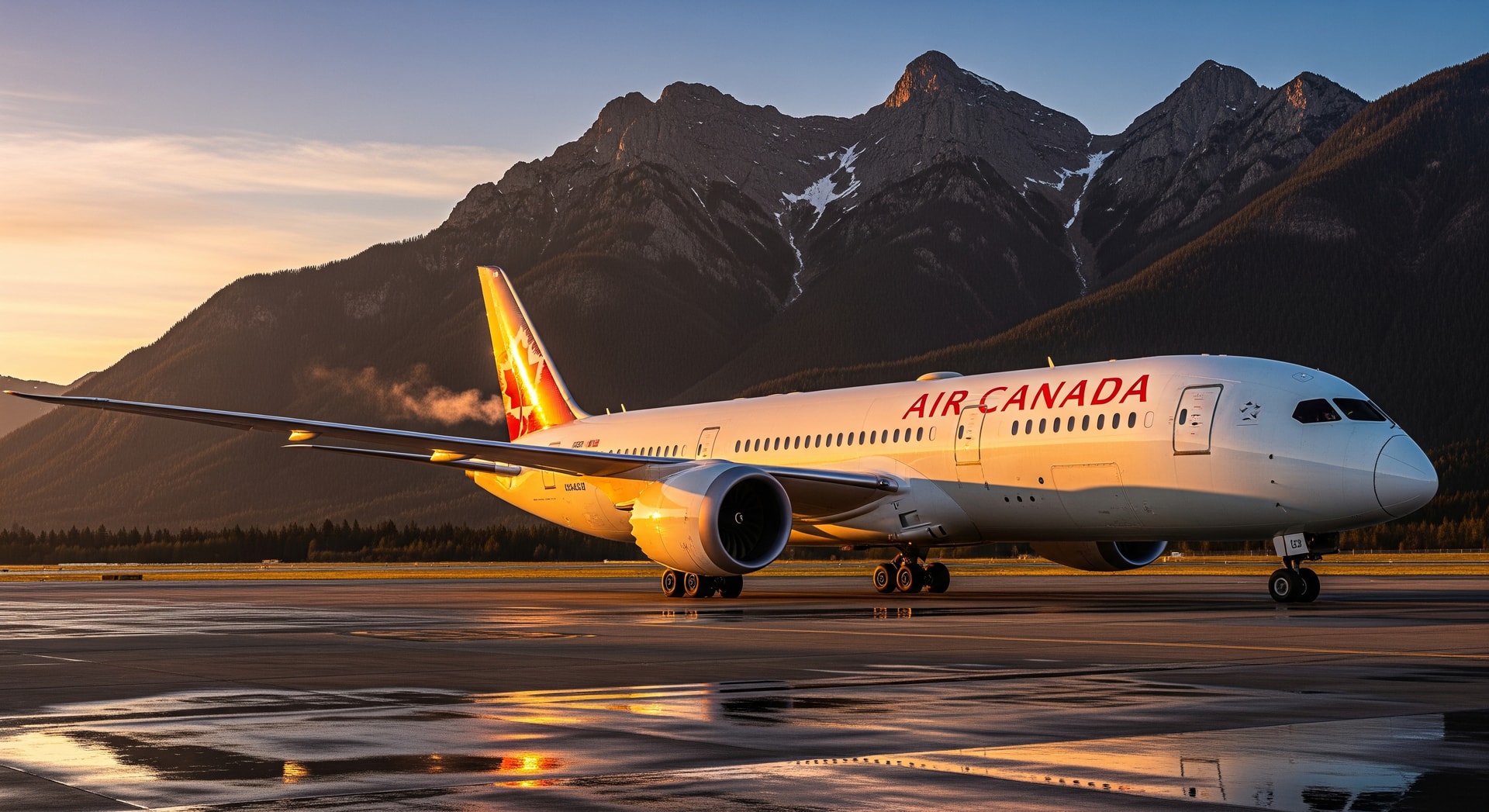
Air Canada Puerto Vallarta evacuation: Air Canada sent larger 787-9 Dreamliners to Puerto Vallarta on February 24 to help repatriate stranded Canadians after cartel violence in Jalisco disrupted flights.
Summary: Air Canada sent larger Boeing 787-9 Dreamliners to Puerto Vallarta on February 24 to assist with an evacuation after Jalisco cartel violence disrupted flights. The move added 258 seats and followed government travel advisories from Canada and the United States.
Air Canada Puerto Vallarta evacuation efforts began on February 24 after violent incidents tied to the Jalisco New Generation Cartel (CJNG) forced cancellations and diversions at local airports. The airline coordinated with Canadian and Mexican authorities and deployed larger Boeing 787-9 Dreamliners from Montreal and Toronto to provide 258 additional seats for stranded travellers.
What sparked the disruption in Jalisco
The disturbance began after the capture and killing of alleged CJNG leader El Mencho. In response, the cartel carried out attacks in Puerto Vallarta and surrounding areas, including arson and confrontations with security forces, prompting widespread fear among residents and tourists and leading many to avoid travelling to airports amid the unrest.
Air Canada’s response and increased capacity
After a day of cancellations, Air Canada resumed operations on Tuesday, February 24, prioritising repatriation of affected passengers. The airline specifically routed larger 787-9 aircraft from its Montreal and Toronto hubs to Puerto Vallarta to add capacity and help return Canadians home more quickly.
- Aircraft used: Boeing 787-9 Dreamliners deployed from Montreal and Toronto
- Additional capacity: 258 extra seats available for stranded passengers
- Routes reinstated: Flights from Toronto, Montreal and Vancouver to Puerto Vallarta resumed
- Guadalajara: Toronto–Guadalajara services remained suspended until Wednesday pending security assessments
Flight resumptions, airline advice and local conditions
Passengers were urged to confirm rebookings before travelling to airports. Air Canada told customers affected by flights on February 22 and 23 to obtain updated confirmations before heading to terminals. The carrier also committed to communicating operational updates through official channels and ensuring rebooked flights included arrangements to bring travellers home safely.
Government advisories and airport security
Canada’s Department of Foreign Affairs advised citizens to shelter in place, limit movement and only go to airports if they had confirmed travel. The U.S. State Department maintained a Level 3 Travel Advisory for Puerto Vallarta, recommending that American travellers reconsider visits because of the security risk. Local officials reported that both Puerto Vallarta International Airport and Guadalajara International Airport remained secure, and there were no confirmed instances of violence inside terminals despite social-media driven panic.
How airlines and tourists adapted
Other Canadian carriers, including WestJet, had resumed services to Puerto Vallarta and Guadalajara after consulting with authorities. Several U.S. carriers also reinstated flights following the weekend groundings. Tourists still in the area were advised to follow instructions from local officials and airlines and to stay informed using official channels for the latest travel updates.
The situation in Jalisco remains fluid as local authorities continue to manage security and work to restore normalcy. While Puerto Vallarta is reopening, travellers should expect possible, short-term disruptions to tourism services over the coming days.
What this means for travellers
So what? For travellers, the incident shows that airlines and governments can rapidly coordinate to increase capacity and repatriate citizens when security incidents occur. If you are in or planning travel to Puerto Vallarta or Guadalajara, confirm flight status before travelling to the airport, follow government travel advice, and register with your embassy if you need consular support.
Sources