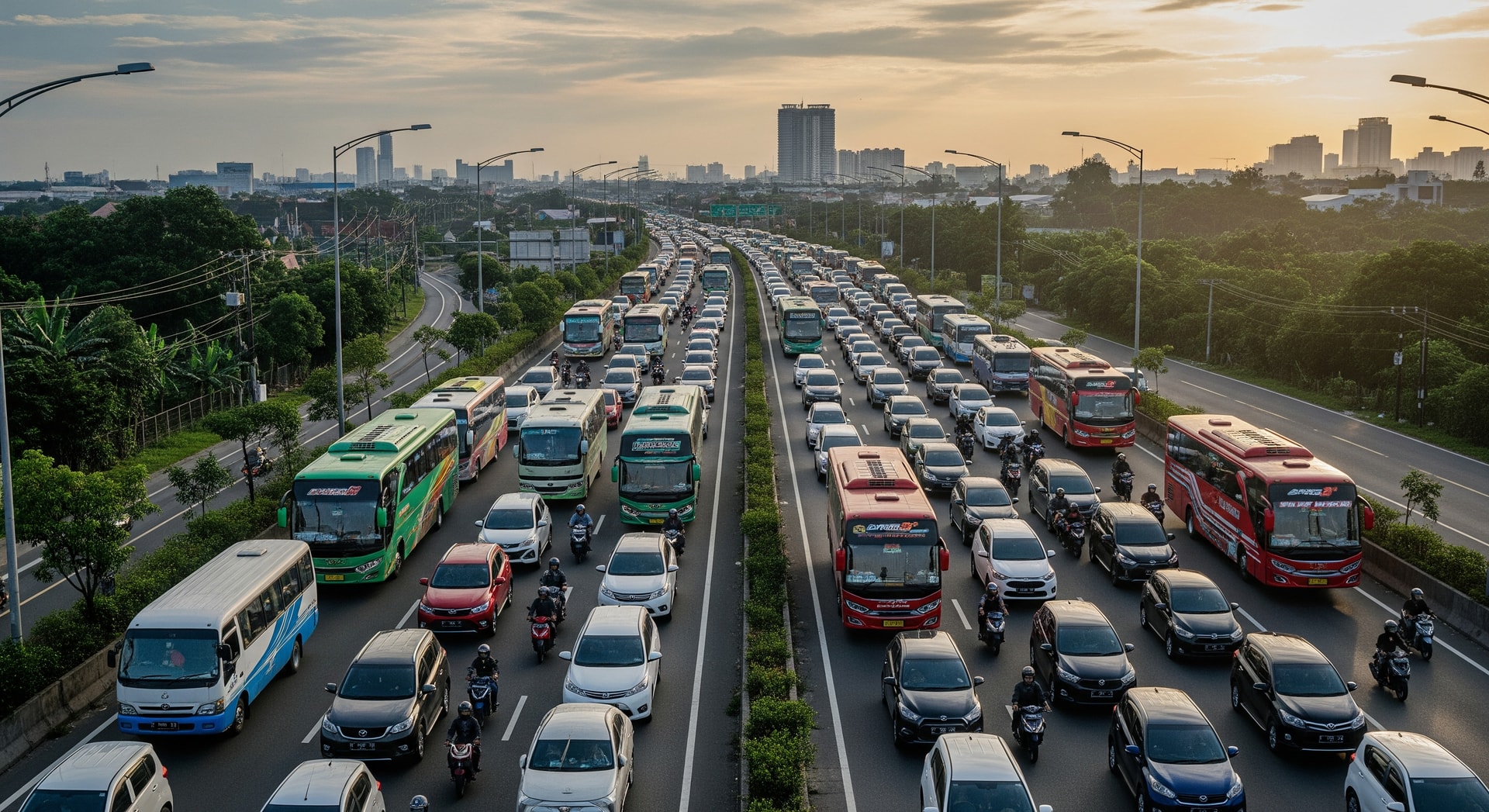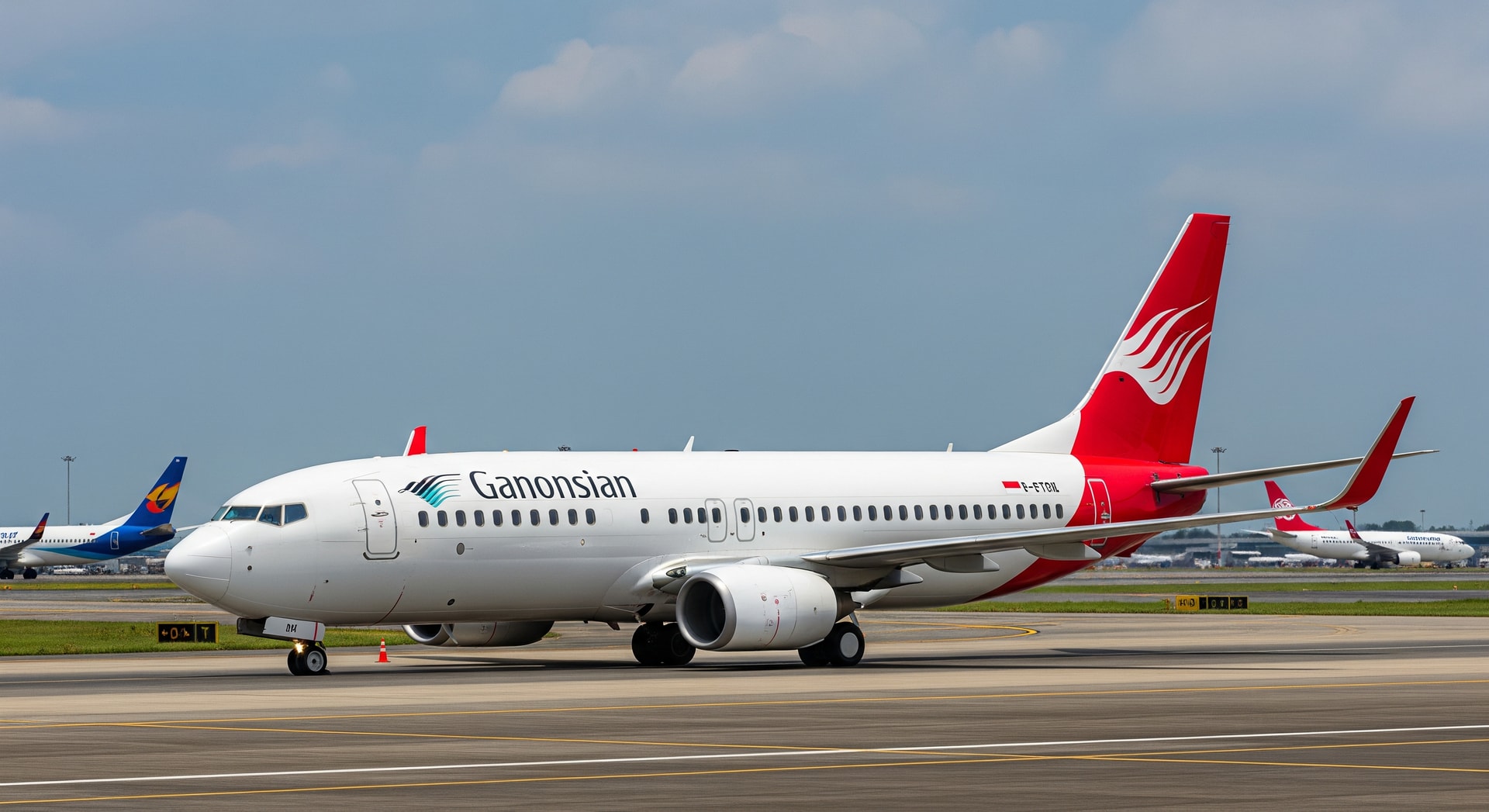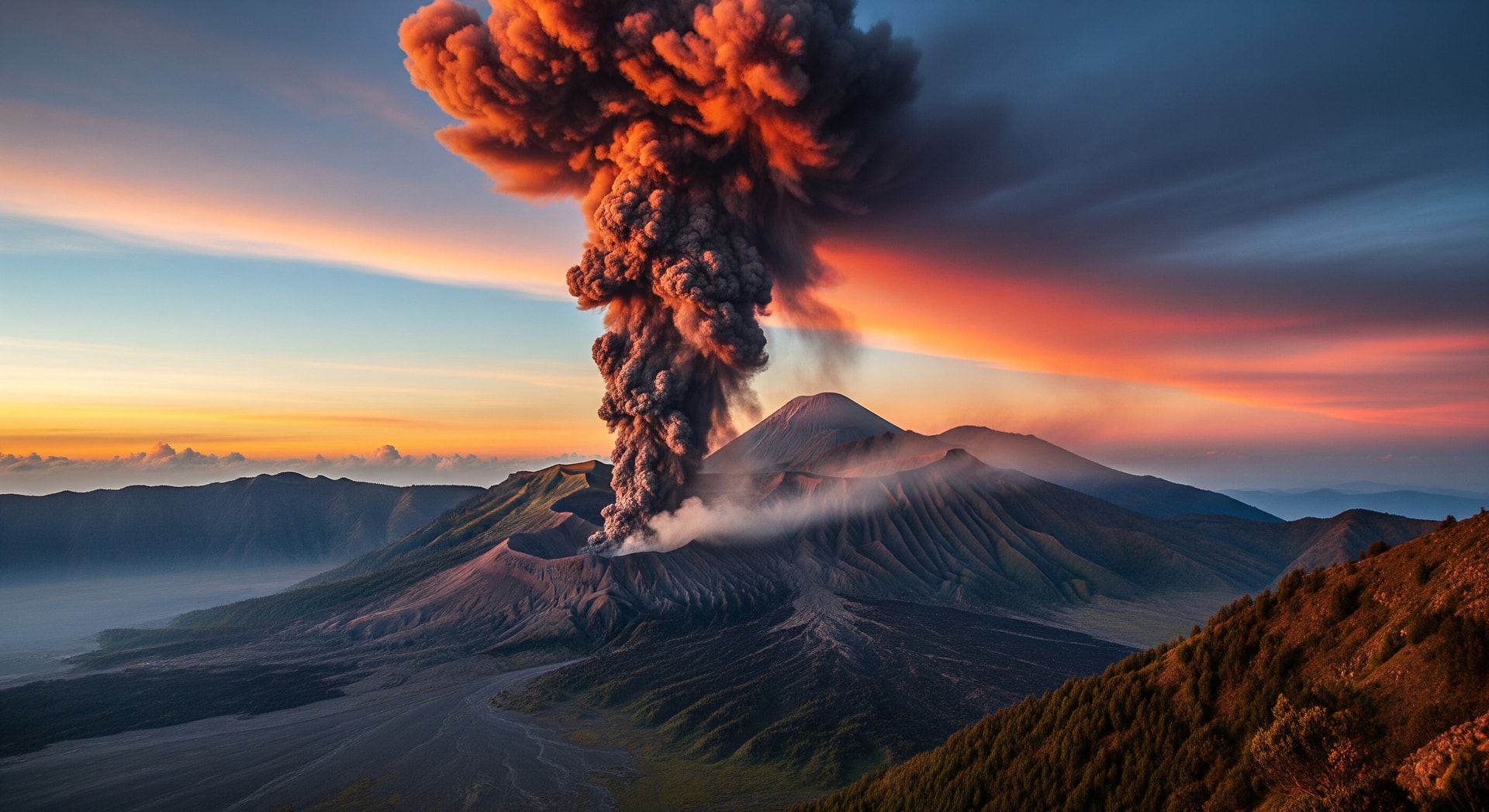
The Semeru volcano ash plume continues to disrupt air travel in Indonesia and Southeast Asia, sending ash up to 4,600 metres and forcing flight changes and local closures.
Summary: An ash plume from Mount Semeru in East Java has risen to about 4,600 metres (15,000 feet), moving east at roughly 15 knots. The Darwin Volcanic Ash Advisory Center is issuing warnings as airlines and aviation authorities reroute or cancel flights; local communities face health and safety impacts.
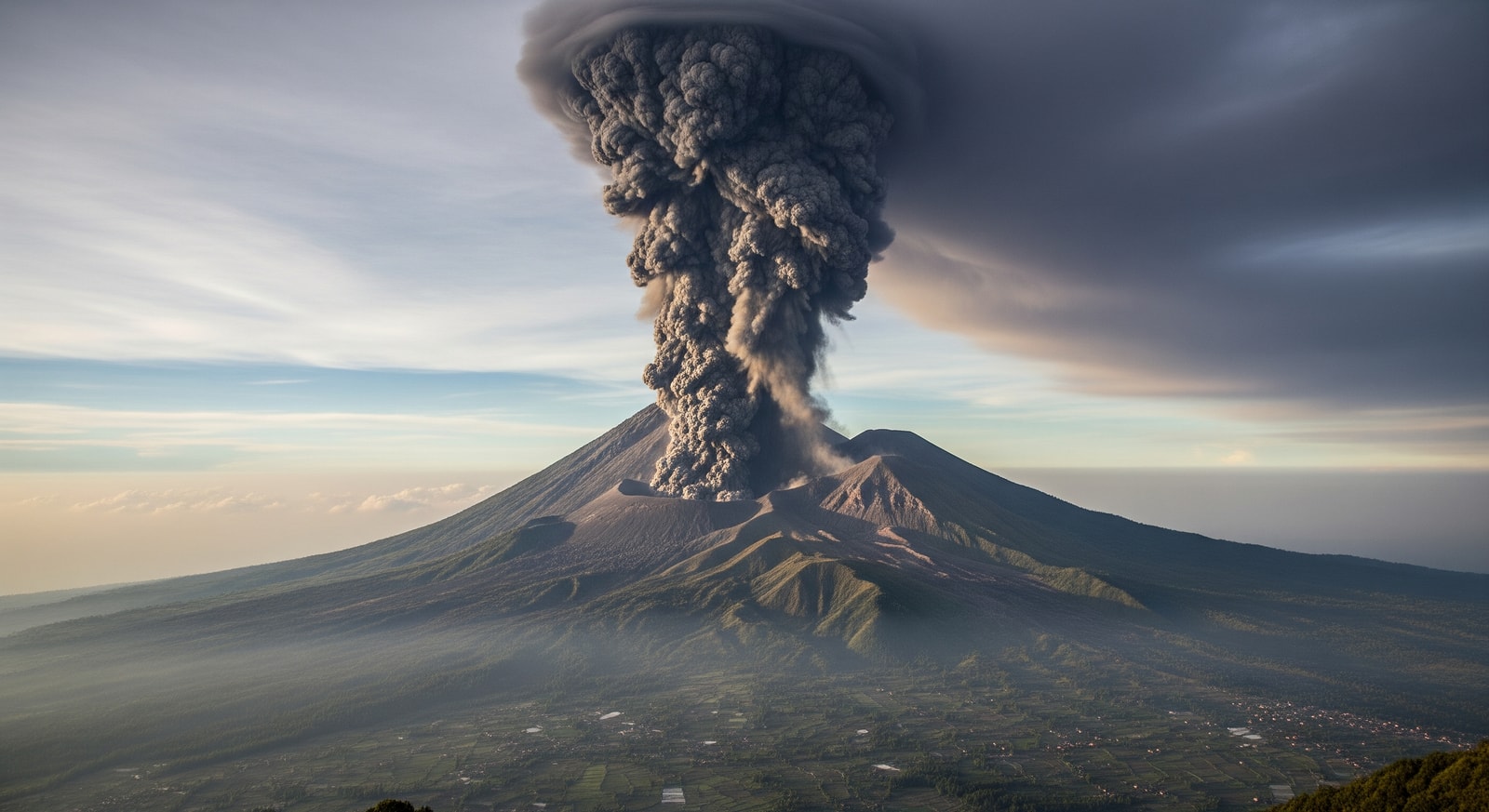
The Semeru volcano ash plume continues to affect air travel in Indonesia and parts of Southeast Asia. Volcanic gases and ash have reached approximately 4,600 metres (15,000 feet) above sea level, with the ash mass drifting east at about 15 knots, according to advisories from the Darwin Volcanic Ash Advisory Center (VAAC).
Recent activity at Mount Semeru
Semeru, one of Indonesia’s most active volcanoes, has produced renewed explosive activity that has generated a substantial ash column. The persistent emissions have placed ash into the lower flight levels, prompting sustained monitoring by volcanic ash specialists and aviation authorities.
Impact on flights and aviation safety
Volcanic ash in the atmosphere poses a serious threat to aircraft: ash can abrade airframe surfaces, reduce visibility, and damage jet engines. With ash present around 15,000 feet, airlines and air traffic control are adjusting routes and, where necessary, cancelling services to protect passengers and crew.
- Ash height reported: about 4,600 metres (15,000 feet)
- Ash movement: heading east at roughly 15 knots (per Darwin VAAC)
- Airports likely affected include those in East Java, including Surabaya
- Airlines may reroute flights, issue cancellations and provide passenger assistance
Aviation authorities and airlines are the first to respond to these advisories; civil aviation bodies coordinate with disaster management agencies such as the BNPB to prioritise safety. Passengers are advised to expect changes and to contact their carriers for assistance and rebooking information.
Effects on local communities and the environment
Beyond aviation, the eruption has immediate consequences for nearby residents and ecosystems. Ashfall can degrade air quality, posing particular risks to people with respiratory conditions, and can contaminate drinking water supplies. Local authorities have implemented evacuation orders in the most threatened areas.
- Health risks: reduced air quality and respiratory issues
- Water contamination: ash may pollute local water sources
- Evacuations and safety orders issued for at-risk communities
- Bromo Tengger Semeru National Park closed to tourists due to lahar and eruption hazards
Advice for travellers to East Java
Anyone planning travel to East Java or nearby regions should follow local guidance, check flight status with carriers, and monitor official updates on ash dispersion and air quality. Those intending to visit the Bromo Tengger Semeru National Park should note the closure and avoid the area until authorities lift restrictions.
- Confirm flight status and rebooking policies with your airline
- Follow local evacuation orders and official safety guidance
- Monitor air quality updates and limit outdoor exposure if ash is present
- Avoid travel to closed park areas and known hazard zones
Regional and international implications
Even when eruptions are localised, ash clouds can travel and disrupt flights well beyond the immediate vicinity. Major carriers and air traffic authorities in Southeast Asia and Australasia routinely monitor volcanic activity and use VAAC advisories to reroute aircraft and protect airworthiness.
The ongoing Semeru activity is a reminder that volcanic ash is an enduring hazard for aviation in a region with many active volcanoes. Authorities continue to manage the balance between maintaining flight operations and safeguarding public safety.
What this means for travellers and the industry: expect possible delays, last-minute route changes and local closures; stay informed through official aviation advisories and local emergency services to minimise disruption and health risks.
Sources