
EU Tourism Strategy 2026 is prompting Greece, Spain and Panama to deepen tourism cooperation, with meetings in Athens exploring bilateral, European and multilateral partnerships that could affect travel and connectivity.
Summary: EU Tourism Strategy 2026 is prompting Greece, Spain and Panama to step up tourism diplomacy. Meetings in Athens focused on aligning European priorities, expanding bilateral links and boosting multilateral cooperation — moves that could influence connectivity, promotion and destination management.
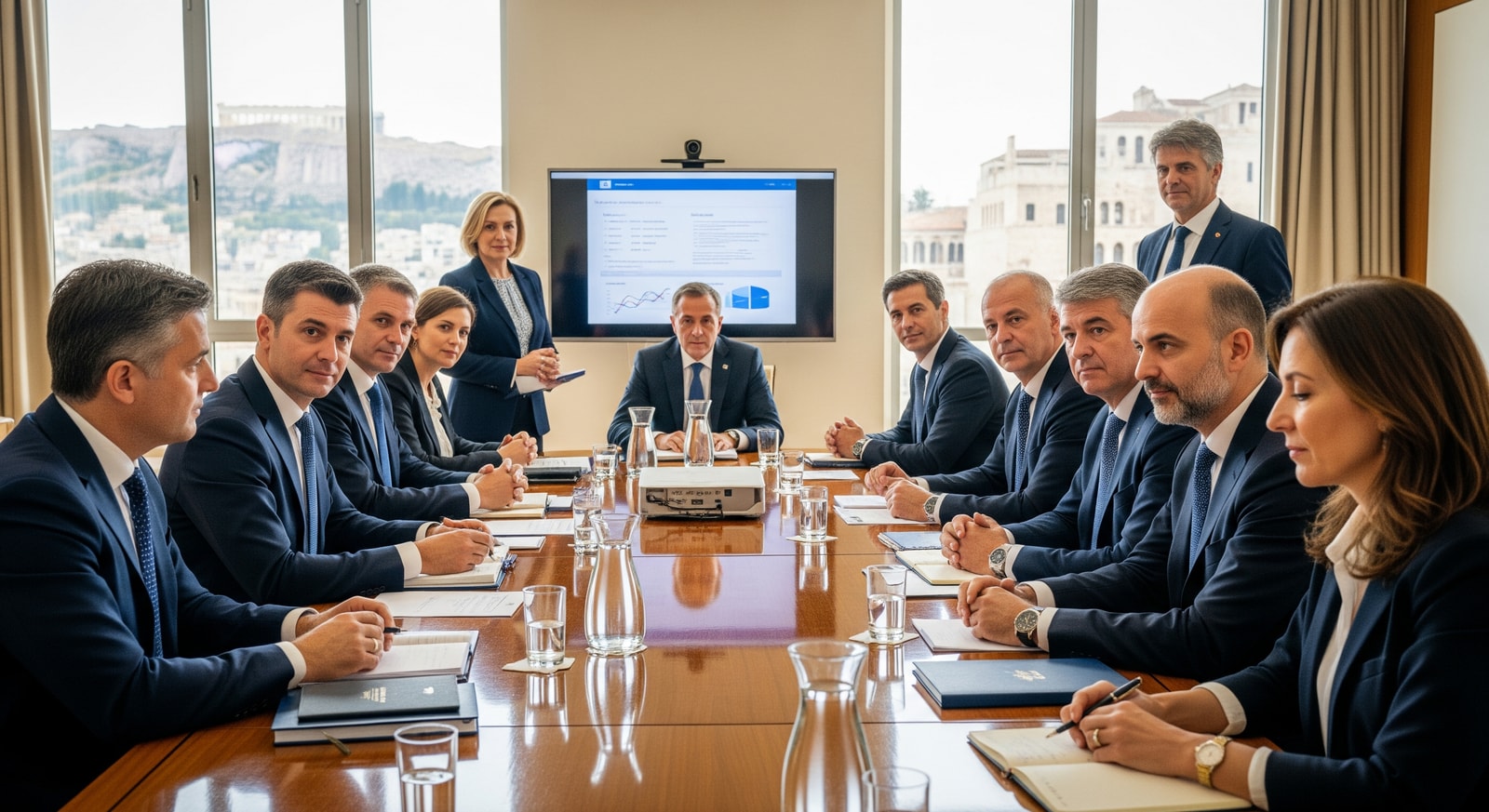
Greece, Spain and Panama have placed tourism at the heart of diplomatic talks as the EU prepares to unveil its first unified tourism framework. In Athens, Tourism Minister Olga Kefalogianni met separately with Spain’s Ambassador to Greece, Jorge Domecq, and Panama’s Ambassador to Greece, Julie Lymberopulos Karnakis, to discuss ways to strengthen cooperation at bilateral, European and multilateral levels ahead of the EU Tourism Strategy 2026.
Diplomatic talks in Athens
The meetings in Athens underscored tourism’s growing role in foreign policy. Each conversation addressed how countries can cooperate to protect market access, improve connectivity and share governance practices as Europe readies a common approach to tourism policy.
Greece and Spain align on EU Tourism Strategy 2026
Discussions with Spain’s ambassador concentrated on coordination inside the European Union ahead of the bloc’s unified Tourism Strategy, which is expected to be announced in April 2026. The strategy aims to set priorities for how Europe maintains and strengthens its global tourism leadership.
Both Greece and Spain — major Mediterranean tourism markets — are positioning themselves to influence priorities such as sustainability, competitiveness, digital transformation and resilience. The talks also explored deeper cooperation on tourism education and professional training, along with institutional partnerships to share expertise.
- EU unified Tourism Strategy expected in April 2026
- Priority themes: sustainability, competitiveness, digital transformation, resilience
- Cooperation areas: tourism education, professional training, institutional exchange
- Madrid hosts the headquarters of UN Tourism
- Greece re-elected to UN Tourism’s Executive Council
Expanding Greece–Panama tourism links
In a separate session, Minister Kefalogianni and Panama’s ambassador discussed broadening ties between the Mediterranean and Central American markets. Though operating in different regions, both countries serve as important connectivity hubs and see potential for cross-regional collaboration in promotion, aviation links and destination management.
- Panama: eco-tourism, cultural heritage, business travel
- Greece: island tourism, cultural routes, Mediterranean cruises
- Potential cooperation: travel promotion, aviation connectivity, institutional ties
Tourism as a diplomatic priority
The meetings reflect a wider shift: tourism is increasingly a formal element of international relations. For Greece, where tourism contributes a substantial share of GDP and employment, sustaining international partnerships is critical to preserve air connectivity, market access and visitor demand.
At the European level, collective action is gaining traction as destinations face shared issues such as climate adaptation, digitalisation and infrastructure pressures. Coordination with Spain and outreach to partners like Panama show Greece balancing regional leadership with broader global engagement.
What this means for travelers
Closer coordination could bring concrete benefits for visitors: more coordinated promotion campaigns, improved air and cruise connectivity, shared standards for sustainability and smoother digital travel services. Collaboration with Panama may increase Greece’s visibility in Latin American markets, while EU-level policy framing could affect visa procedures, safety standards and destination management practices.
Why this matters: As Europe prepares to set a common tourism direction in 2026, the diplomatic groundwork being laid in Athens will help shape how destinations manage visitors, promote sustainability and maintain connectivity. For travelers and industry stakeholders, these moves could mean better-linked itineraries, clearer regulation and a stronger focus on resilient, year-round tourism.
Sources