Mozambique has launched a new e-Visa platform, joining Thailand, South Africa, Uzbekistan, Russia and Chile in adopting digital visa systems to simplify travel.
Summary: Mozambique has launched a digital e-Visa platform enabling applications from 183 countries, joining Thailand, South Africa, Uzbekistan, Russia and Chile in a wider shift toward online visa systems that aim to simplify travel and spur tourism and investment.
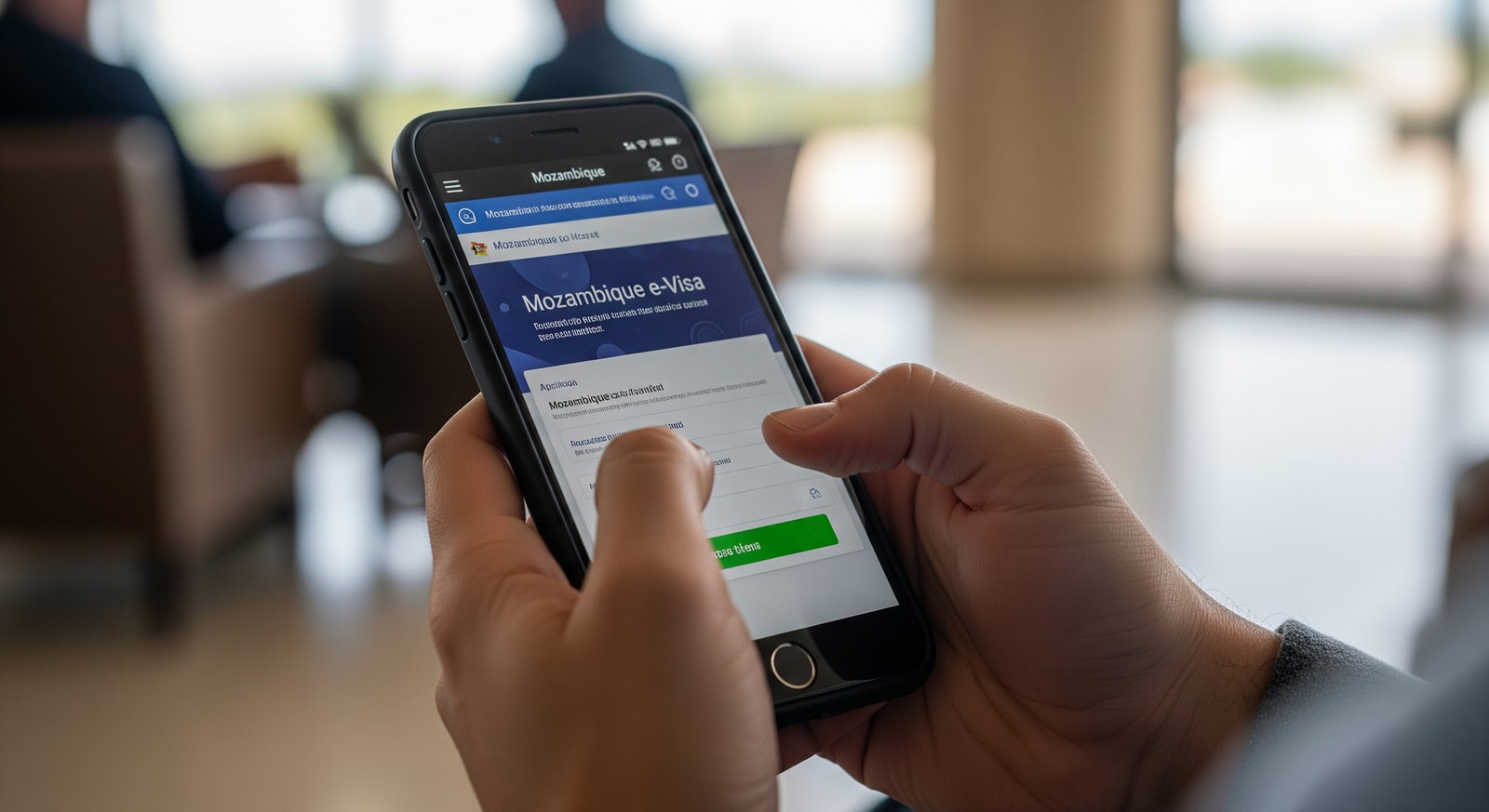
Mozambique has rolled out a new e-Visa system that allows applicants from 183 countries to apply online, part of a broader international move toward digital visas that streamline entry procedures and support tourism growth. The e-Visa launch is intended to make visits easier for leisure and business travellers while aligning with national efforts to attract foreign investment.
Mozambique’s digital visa: what it offers
The platform supports multiple visa categories — including tourist, business, humanitarian, sports and cultural visas — as well as Electronic Travel Authorizations (ETAs). Some visas issued via the system can be valid for up to two years, shortening traditional processing times and reducing paperwork for travellers and border authorities.
Mozambique’s system incorporates automation and security tools such as passport data extraction and a built-in photo editor to smooth submissions and protect data during processing. The government views the e-Visa as a key component of a wider strategy to modernise border management and to support a tourism sector that welcomed over 1.1 million visitors in 2023.
Countries leading the digital visa transition
Mozambique joins a growing group of nations that have implemented or expanded digital visa programmes in recent years. Thailand, South Africa, Uzbekistan, Russia and Chile are among those cited as examples of how e-Visas are reshaping travel access worldwide.
Thailand: expanding offerings and digital nomad visas
Thailand has long used digital tools for visa applications and continues to refine its systems. In 2026 the government introduced a digital nomad visa aimed at remote workers, and officials are exploring blockchain integration to improve data security and verification for visa processes.
South Africa: linking e-Visas to immigration controls
South Africa has adopted an electronic visa platform that serves tourists and business travellers and is integrated with immigration systems to streamline approvals and border entry. The government is expanding eligibility to more countries to support tourism while maintaining immigration oversight.
Uzbekistan, Russia and Chile: widening access
Uzbekistan launched its e-Visa in 2021, opening online applications for visitors from over 80 countries to boost access to historic Silk Road cities. Russia introduced an e-Visa platform in 2025 offering short single-entry visas for travellers from more than 50 countries. Chile rolled out its digital visa system in 2024, enabling applicants from over 90 countries to apply online for tourist and business visas.
- Mozambique: e-Visa available to applicants from 183 countries
- Uzbekistan: e-Visa launched in 2021 for over 80 countries
- Russia: e-Visa platform introduced in 2025 for 50+ countries
- Chile: digital visas available since 2024 for 90+ countries
- Thailand: digital nomad visa introduced in 2026
Why governments are adopting e-Visas
Governments view digital visa systems as tools to cut red tape, enhance border security through better data, grow tourism receipts and attract business investment. Digital platforms also allow governments to reach tech-savvy travellers and accommodate new categories such as digital nomads.
For countries like Mozambique, integrating automation and verification tools is expected to speed processing, reduce errors and make travel planning more predictable for visitors and tour operators alike.
What this means for travellers and the industry
Simpler, faster online applications reduce the administrative burden for travellers and travel businesses. Wider e-Visa coverage can lead to increased visitor numbers, new tourism products and more predictable cross-border mobility for business travellers and remote workers.
So what? For travellers, Mozambique’s e-Visa and similar programmes mean fewer in-person embassy visits and quicker decisions. For the travel industry and policymakers, digitisation opens a path to higher arrivals, improved data for planning and new revenue opportunities tied to easier market access.
Sources