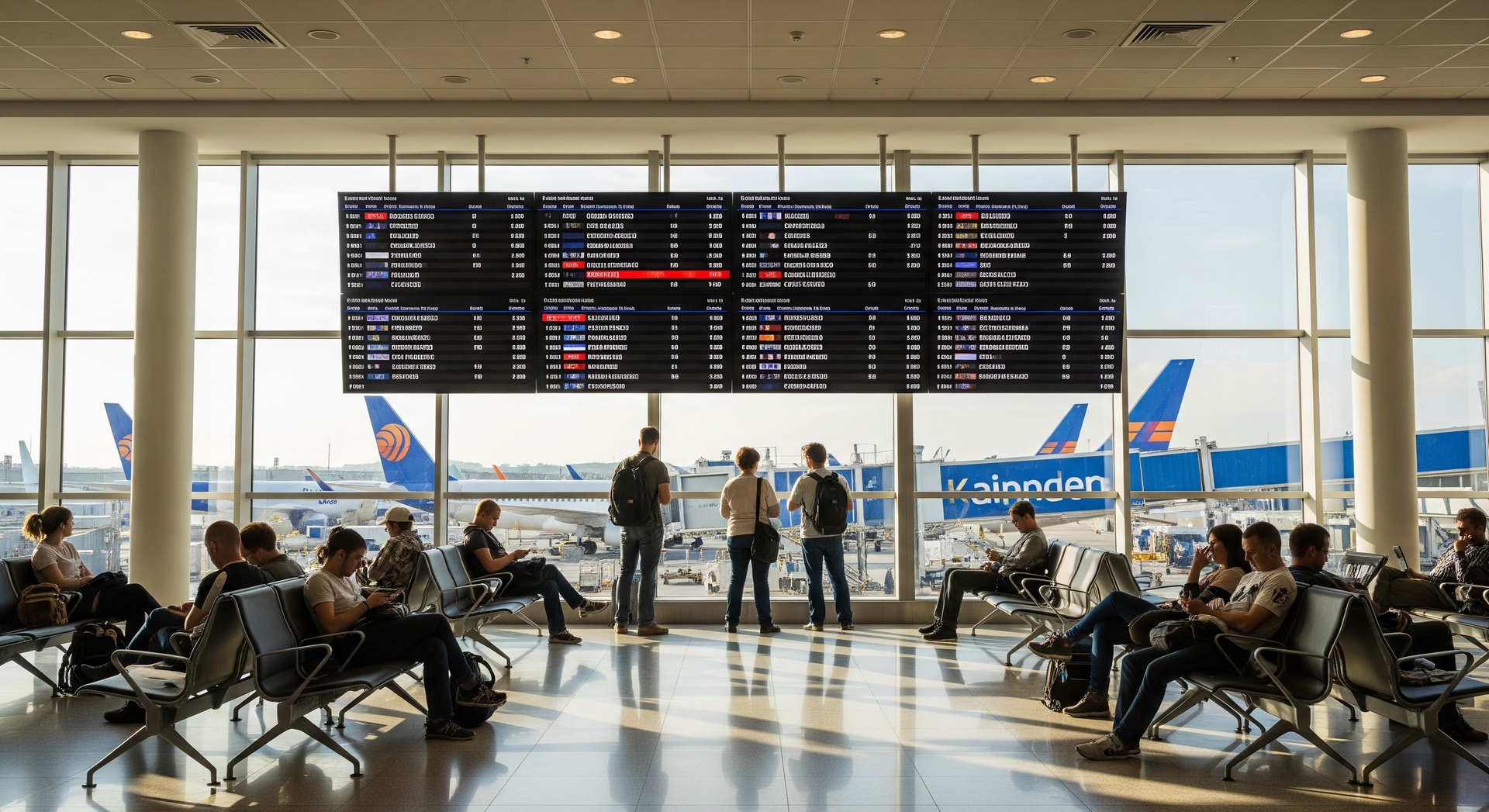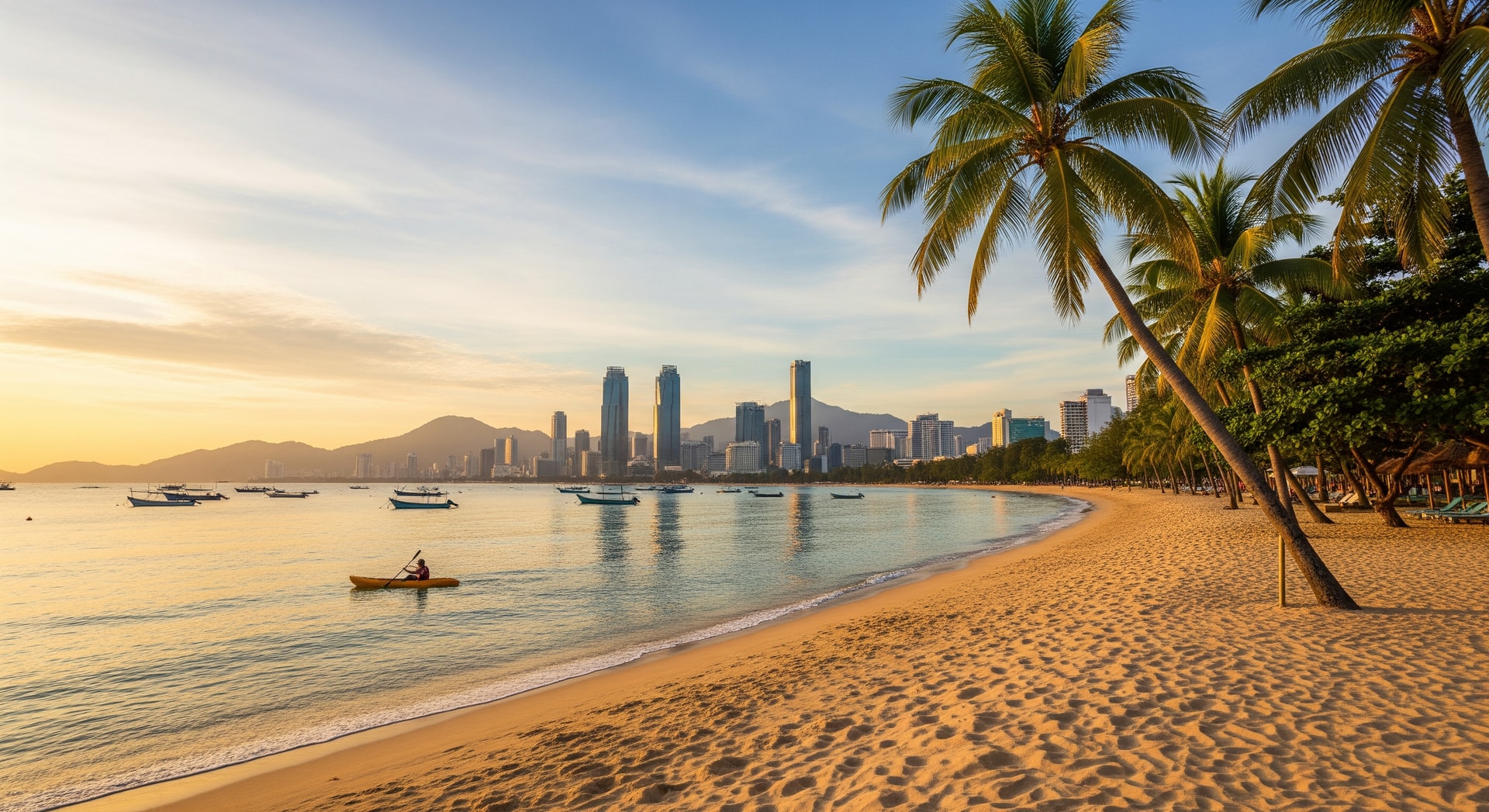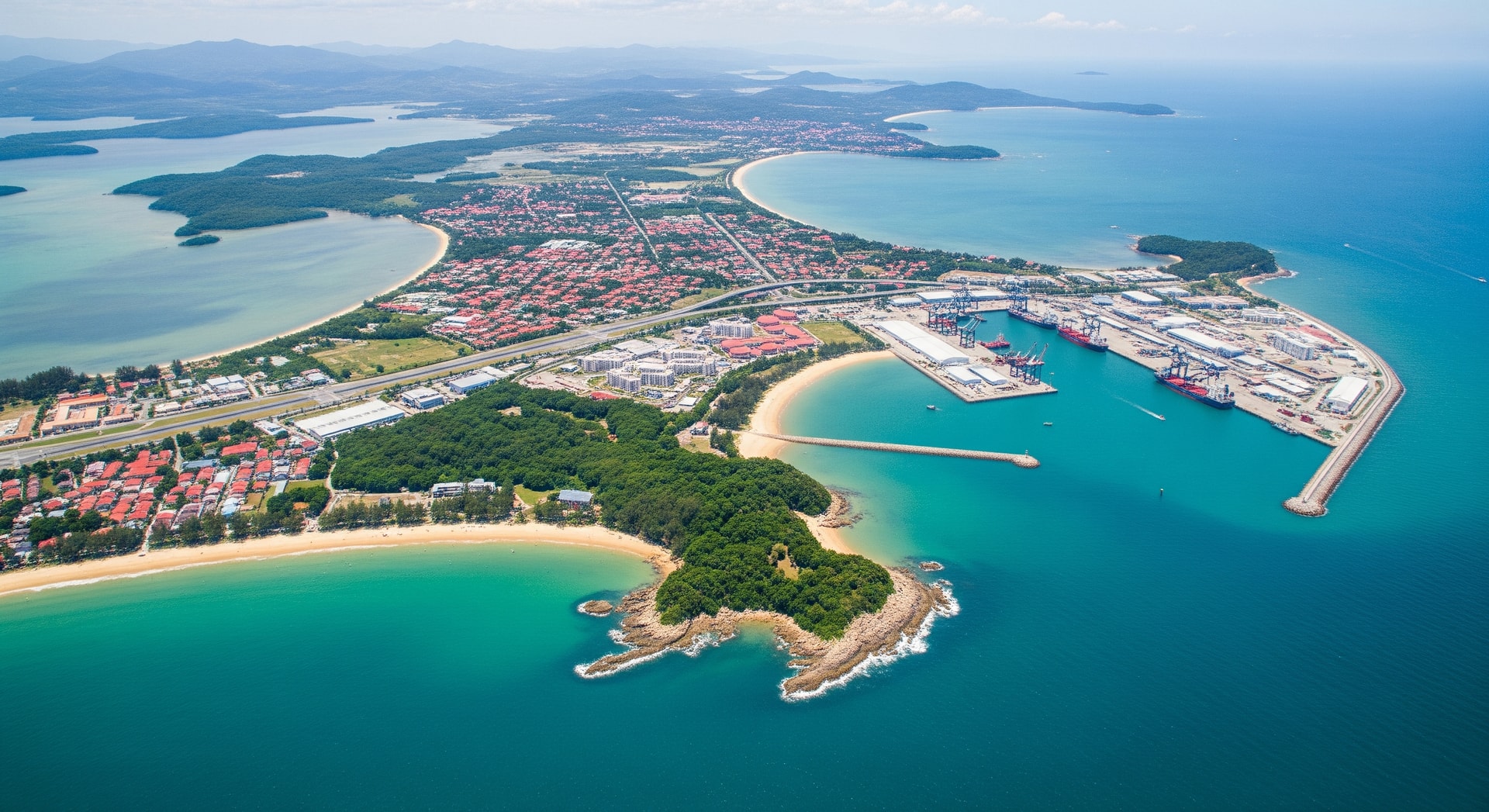
Labuan Island air travel is the focus of a renewed push as local authorities call on AirAsia and Malaysia Airlines to expand routes and improve connectivity.
Summary: Labuan Island air travel is at the centre of a renewed push as local authorities urge AirAsia and Malaysia Airlines to expand direct routes, improve connectivity from hubs such as Singapore and Hong Kong, and help the island capitalise on Visit Malaysia 2026.
Labuan Island air travel has become a priority for local officials seeking to unlock the offshore territory’s tourism potential. The small island, known for quiet beaches, wartime memorials and duty-free shopping, remains constrained by limited direct international connections — a barrier authorities say must be removed if Labuan is to play a meaningful role in Visit Malaysia 2026.
Why connectivity matters
Labuan’s development is being held back by its sparse route network. International visitors frequently need multiple connections to reach the island, lowering its appeal compared with better-served destinations such as Langkawi or Penang. Local leaders say improved air links would shorten travel times and broaden Labuan’s reach in key source markets.
Airlines in the spotlight: AirAsia and Malaysia Airlines
Officials have highlighted AirAsia and Malaysia Airlines as crucial partners. AirAsia’s low-cost model is credited with opening travel to lesser-known regional destinations, while Malaysia Airlines provides a premium option for longer-haul and higher-yield travellers. Both carriers, by increasing frequency or launching direct services from hubs, could substantially raise visitor numbers to Labuan.
- Potential hubs for expanded services: Singapore, Jakarta, Hong Kong, Beijing
- Important domestic links: Kuala Lumpur, Kota Kinabalu
- Airline roles: AirAsia (budget connectivity), Malaysia Airlines (premium connections)
What Labuan offers visitors
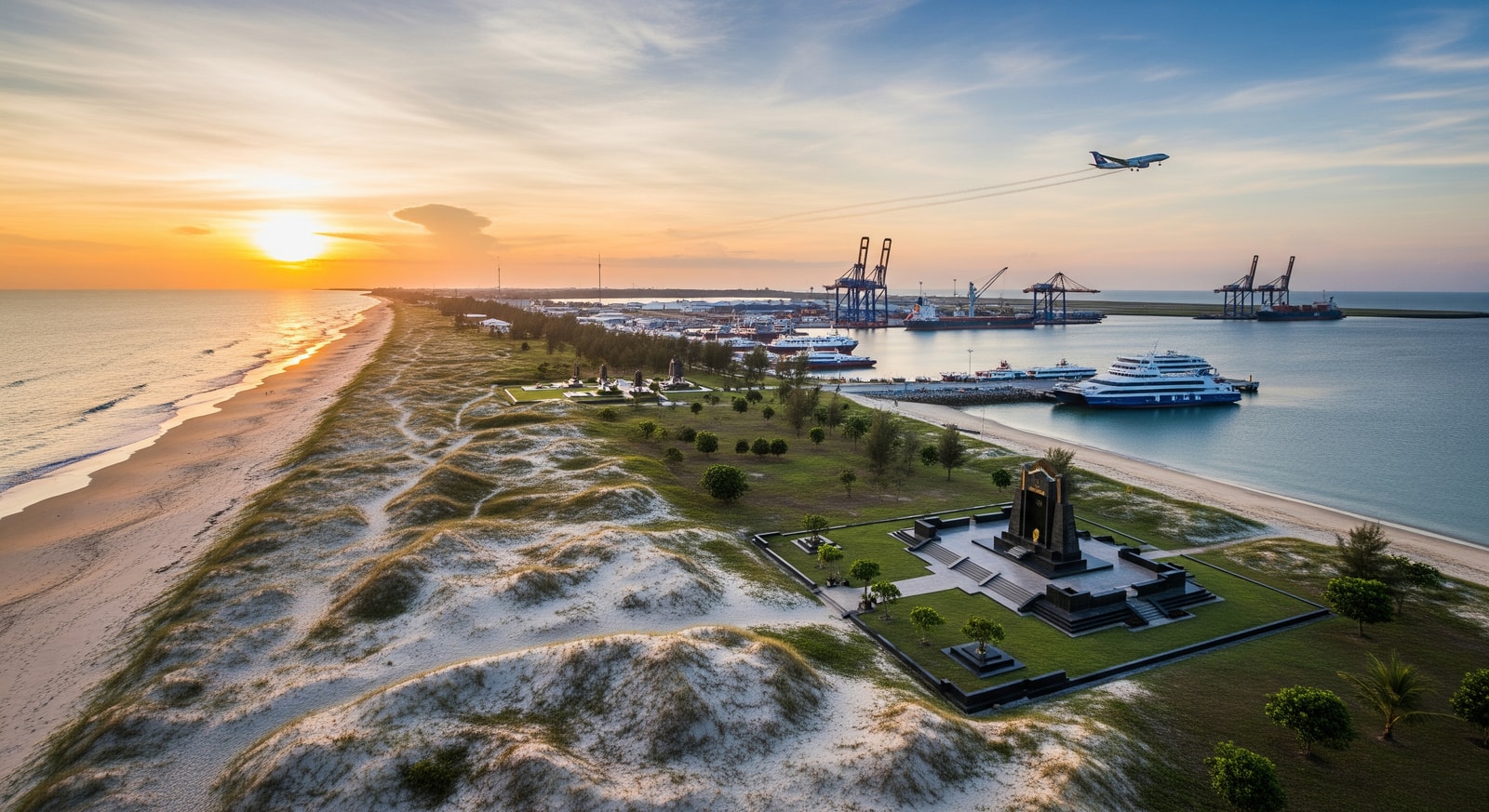
Labuan presents a quieter option compared with Malaysia’s busier tourist spots. Attractions include beaches such as Pantai Pintu Malim and Tanjung Batu, the Labuan War Cemetery and colonial-era sites. The island’s status as a duty-free zone also appeals to shoppers seeking lower prices on items like perfume and alcohol.
Hospitality is already present: international hotel brands such as Marriott and Hilton maintain properties on the island, and local hoteliers expect occupancy and amenity demand to rise if visitor flows increase.
- Sustainability: Officials stress development should protect Labuan’s natural assets.
- Economic upside: More flights could boost hotels, restaurants and local services.
- Market opportunities: Singapore, Indonesia, China and India cited as priority source markets.
Practical travel information
Labuan International Airport currently offers domestic services from Kuala Lumpur and Kota Kinabalu; international travellers often route via nearby hubs such as Singapore or Hong Kong. The island’s dry season, from March to October, remains the preferred period for beach and outdoor activities.
If airlines expand routes, travellers can expect shorter travel times and more competitive fares. A mix of budget and premium services would cater to both value-seeking holidaymakers and higher-spending visitors seeking comfort.
Why this matters to travellers and the industry
Improved air connectivity would make Labuan a more accessible choice for regional tourists and diversify Malaysia’s tourism offerings ahead of Visit Malaysia 2026. For airlines, opening or increasing service to Labuan represents an opportunity to stimulate new demand and support regional tourism growth.
So what? For travellers, enhanced routes mean easier, quicker trips and potentially lower fares to a quieter, duty-free island. For the industry, it signals a chance to spread visitor spending more evenly across Malaysia and develop sustainable tourism offerings in an underused destination.
Sources