Europe tourist regulations 2026: Local authorities in Croatia, Portugal and Spain have introduced public drinking bans, retail sales curfews, dress codes and substantial fines to tackle disorderly tourism.
Summary: In 2026 several European cities and regions — notably in Croatia, Portugal and Spain — have introduced local regulations including retail alcohol curfews, public drinking bans, fines for anti‑social behaviour, dress codes and mobility limits aimed at reducing disorder related to tourism.
A wave of measures addressing public drinking and visitor behaviour has spread across parts of Europe in 2026. These Europe tourist regulations 2026 are mostly local or regional rules rather than national laws, and they target retail alcohol sales at specific hours, street drinking, noise, dress standards and movement in sensitive areas to protect resident quality of life and public safety.
Overview: Localised rules to curb disorderly tourism
Rather than one uniform approach across countries, many municipalities have tailored rules to local circumstances. The aim is to reduce late‑night street drinking, limit noise in residential and historic areas, prevent overtly disruptive conduct and control tourist traffic in fragile urban or ecological zones.
Croatia: Split and nearby islands tighten conduct and alcohol rules
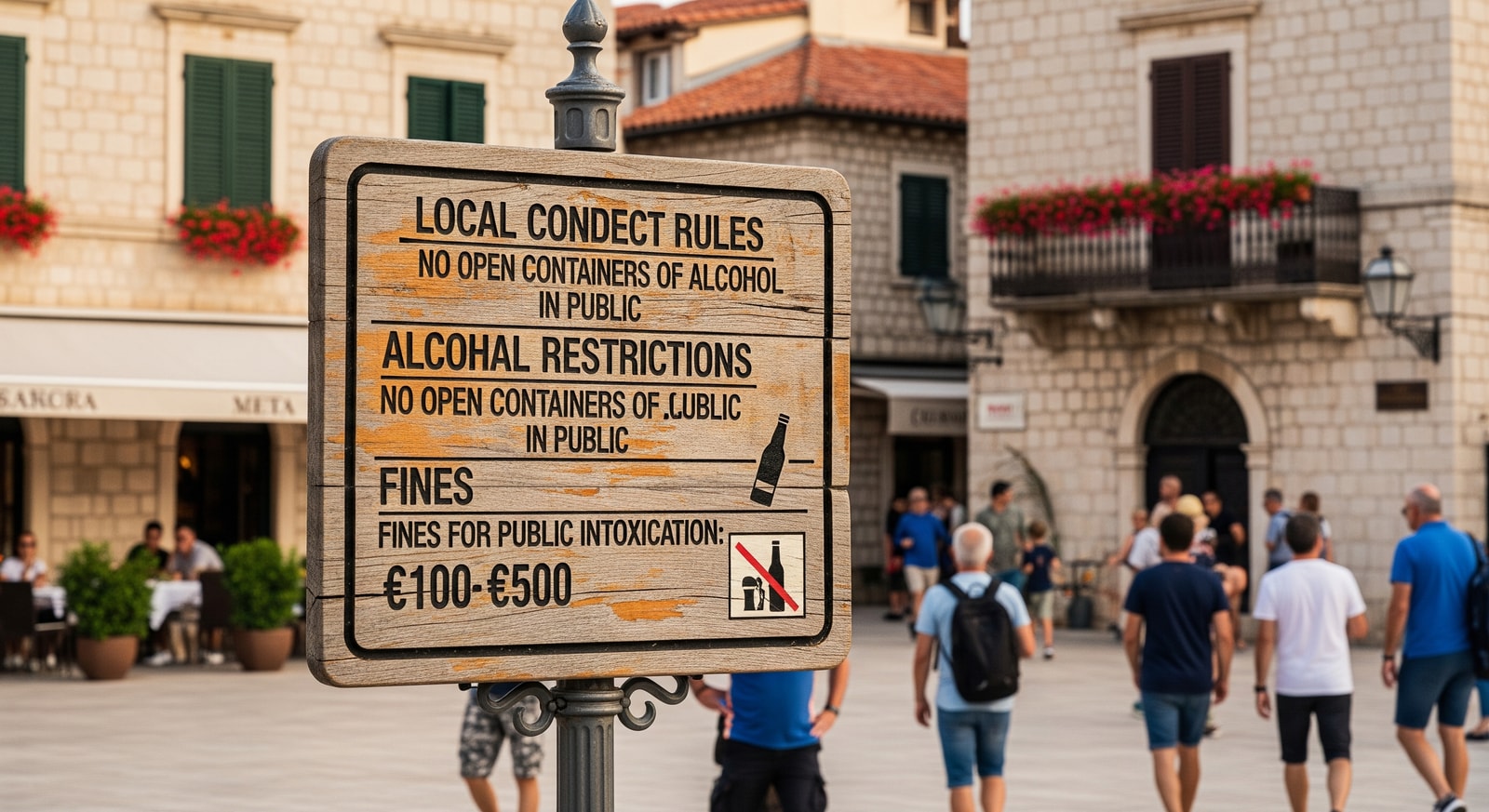
In Split, retail sales of alcohol from supermarkets and similar outlets will be prohibited after 8 PM, a measure introduced to reduce evening street intoxication. Licensed bars, cafés and restaurants with appropriate permits remain exempt. Public drinking is banned across much of the city, with fines up to €300 for violations. Authorities have also clarified penalties for a range of anti‑social acts — including public urination, loud shouting, vomiting in public and fighting — with fines reaching up to €4,000 for the most serious offences.
- Retail alcohol sales banned after 8 PM in Split (licensed venues exempt)
- Public drinking prohibited in central and sensitive areas — fines up to €300
- Severe conduct fines (public urination, fighting, etc.) can reach €4,000
- Dress standards enforced: swimwear or underwear off beaches may be fined (€150–€700)
- Islands like Hvar enforce strict noise limits, with decibel rules for outdoor events
Portugal: Porto’s containment zone and resort conduct codes
Porto has applied a focused restriction within its central containment zone: retail sales of alcohol from supermarkets, convenience stores and similar outlets are banned between 9 PM and 8 AM. Bars and restaurants with licences may continue on‑site service. Non‑compliant businesses risk temporary closure. The measure, first introduced in 2025, was continued into 2026 to curb street drinking and related disturbances. In coastal resorts such as Albufeira, local codes forbid wearing swimwear away from beach or pool areas and penalise spitting and public urination, with fines up to €1,500.
- Porto: alcohol sales banned 9 PM–8 AM in containment zone (licensed venues exempt)
- Enforcement includes possible temporary closure of non‑compliant shops
- Albufeira: swimwear outside beaches and anti‑social acts can incur fines up to €1,500
- Restrictions on party boats and loud activities in ports to protect residents
Spain: Balearic Islands and Barcelona expand restrictions
The Balearic Islands — including Mallorca and Ibiza — have adopted a package of measures for excess tourism zones: public drinking is banned, retail alcohol sales are restricted after about 9:30 PM, promotional activities encouraging heavy drinking are limited, and party boats face bans in certain waterfront areas. Penalties for breaching these rules range from €500 to €3,000. Some resorts have also introduced daily drink limits and restricted access to fragile historic or ecological sites to reduce overcrowding and environmental harm.
Barcelona has tightened municipal conduct ordinances: organisers of pub crawls face fines of up to €3,000, and alcohol‑related offences in busy tourism corridors are the focus of stepped‑up enforcement. The city has adjusted tourist taxes — with some luxury stays now liable for rates above €15 per night — and banned smoking and vaping on many beaches. In addition, restrictions on tourist driving in historic centres (for example in Mallorca and other heritage zones) are being enforced, with fines for unauthorised entry and requirements to use designated parking outside restricted areas.
A broader European pattern
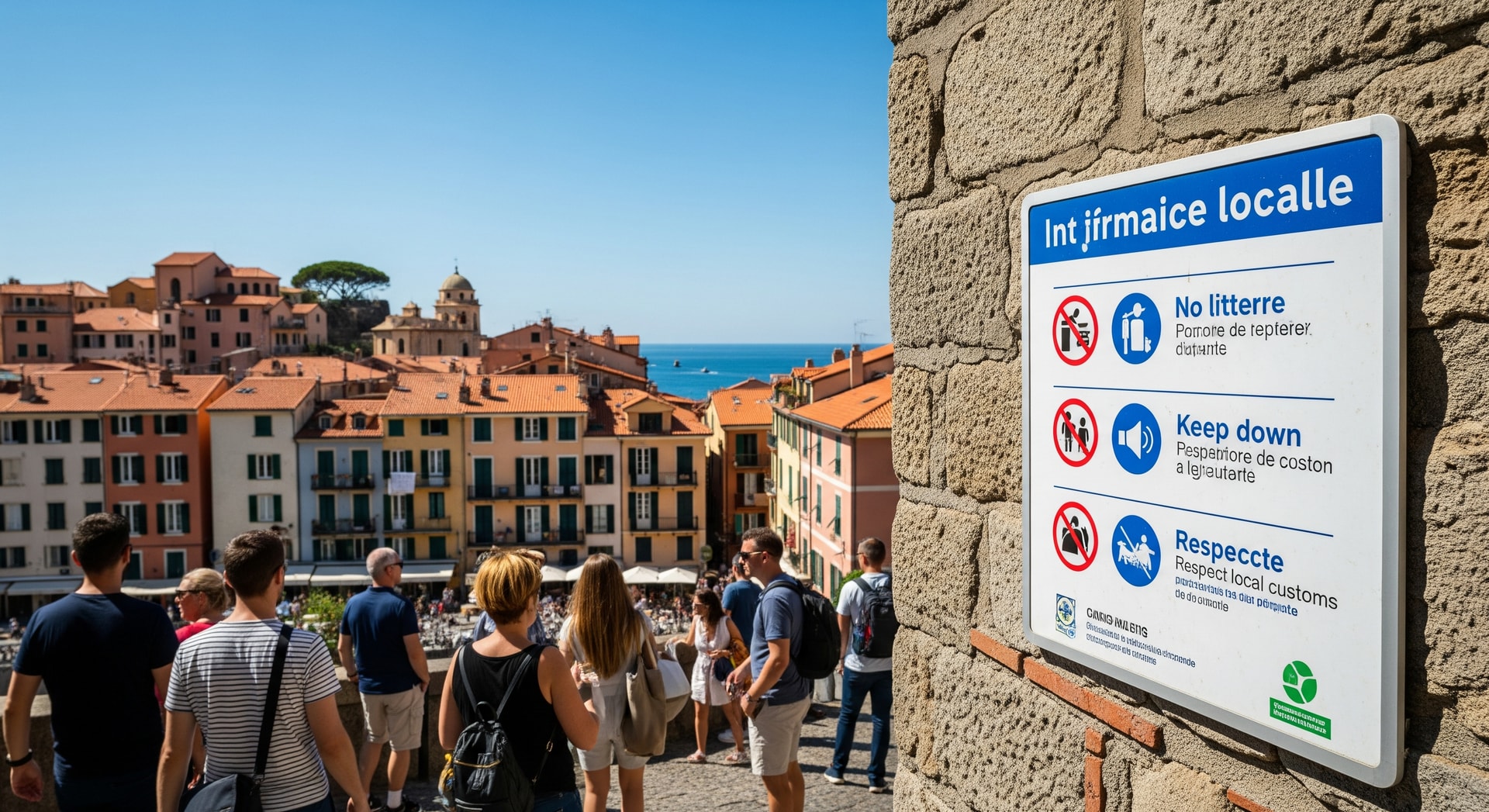
Across Europe the trend is toward localised, targeted regulation rather than sweeping national bans. Municipal authorities in countries including Belgium, Spain and France are increasingly using fines and specific rules to address public intoxication, disorderly conduct and other actions seen as harmful to residents or heritage sites. Coastal resorts, historic centres and major urban attractions are prioritising measures that protect community wellbeing and conserve fragile environments.
- Local enforcement is common — rules vary by city or region
- Measures address public drinking, retail sale times, noise, dress codes and mobility
- Licensed hospitality venues are generally exempt from retail curfews if compliant
- Fines range from modest amounts to several thousand euros for serious breaches
- Authorities emphasise respectful, law‑abiding behaviour as essential to sustainable tourism
Why this matters: So what? For travellers, these local rules mean you should check municipal guidance before visiting, avoid drinking in public spaces, respect dress codes outside beach areas, and be mindful of noise and mobility restrictions. Non‑compliance can lead to fines, business closures or other enforcement actions that may disrupt travel plans. For the tourism industry, the measures signal growing pressure to balance visitor demand with resident quality of life, environmental protection and the long‑term sustainability of popular destinations.
Sources