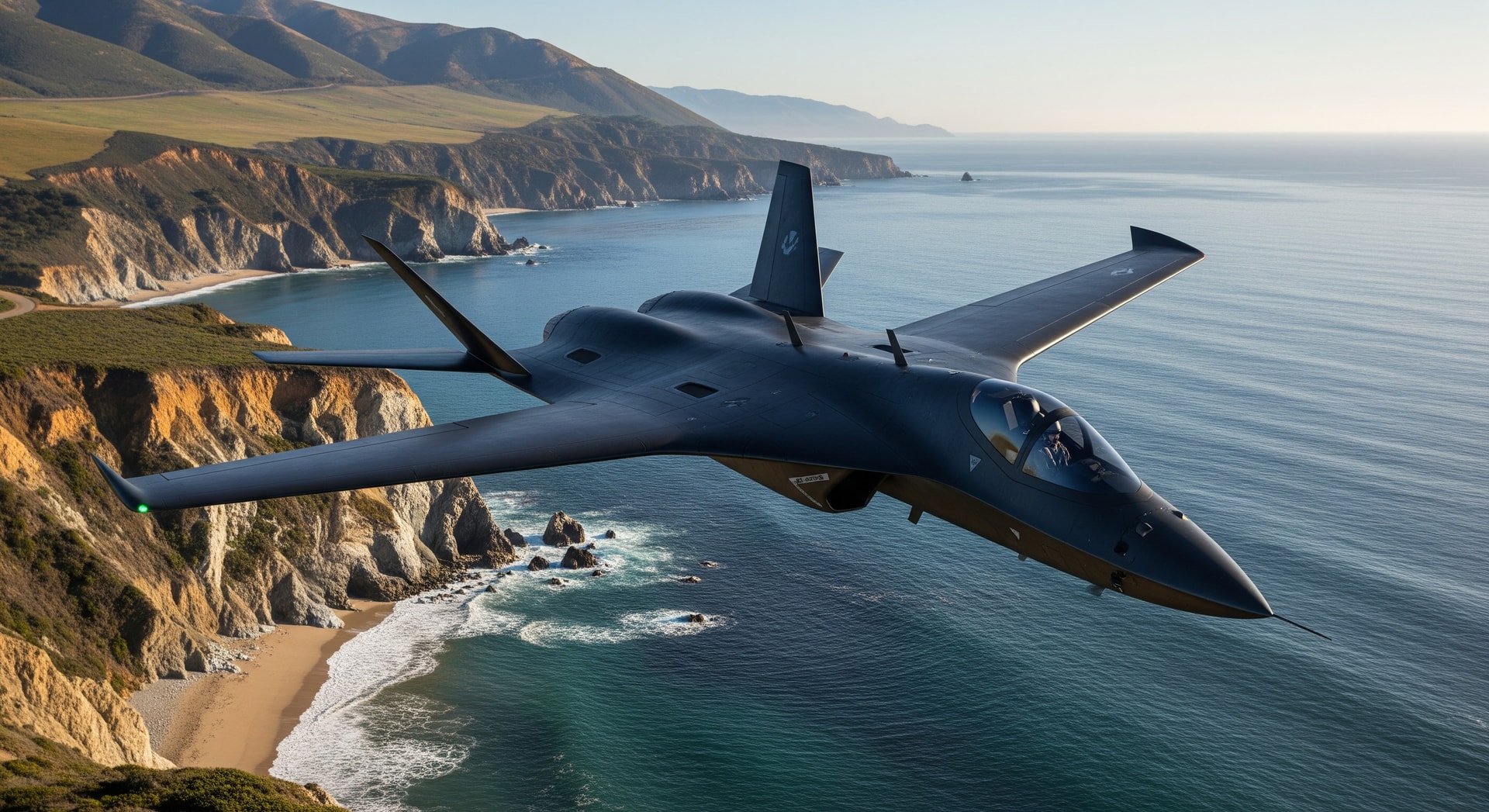
The Venom prototype from Divergent Technologies and Mach Industries demonstrates a rapid, digital-first approach to aerospace manufacturing that could reshape defense production.
Summary: The Venom prototype, produced by Divergent Technologies (Los Angeles) and Mach Industries (Huntington Beach), showcases a rapid digital manufacturing approach — moving from design to a functioning prototype in just over two months.
Los Angeles-based Divergent Technologies and Huntington Beach’s Mach Industries have unveiled the Venom, an autonomous strike aircraft prototype produced through a collaborative, digital-first manufacturing process. The partners say the project compressed traditional development timelines, producing a working prototype in roughly two months.
A game-changing partnership
The collaboration combines Divergent’s strengths in digital design and additive manufacturing with Mach Industries’ experience in avionics simulation and established flight technologies. Together they used modular, open systems and rapid iteration to accelerate prototype development.
For the Venom program, Divergent applied its Digital Adaptive Production System (DAPS) to drive design and production decisions, while Mach Industries supplied a tested flight architecture as the aircraft’s foundation. The approach sidestepped many conventional, time-consuming steps in aircraft prototyping.
How digital manufacturing was applied
Instead of assembling wings, skins and control surfaces from many components, Divergent used large-scale additive techniques to fabricate single-piece, monolithic fuselage elements. The method reduced part count and simplified assembly while showcasing 3D printing’s potential in aerospace.
- Design-to-prototype: achieved in just over two months
- Manufacturing approach: single-piece, 3D-printed fuselage components
- Platform: Divergent’s DAPS paired with Mach Industries’ flight systems
Speed, prototyping and defense implications
The rapid build and quick progression from design to initial flight tests highlight the partners’ focus on economical, repeatable production methods for autonomous systems. Officials say the capability to iterate quickly is especially important for current defence priorities.
A Department of Defense official noted that the collaboration showed the capacity to shorten development timelines for autonomous defence systems, linking the Venom programme to ongoing national efforts to achieve a strategic edge.
Drone Dominance.
While Venom remains a prototype, Divergent and Mach demonstrate that modern manufacturing tools can deliver faster, lower-cost development paths for defence platforms—an outcome with clear importance for military planners seeking responsive production.
Strategic manufacturing for the military’s future
Digital platforms such as DAPS aim to produce complex, lightweight structures while cutting production time and expense. This digital-first model supports quicker scale-up and could enable the armed forces to field advanced autonomous systems with greater speed.
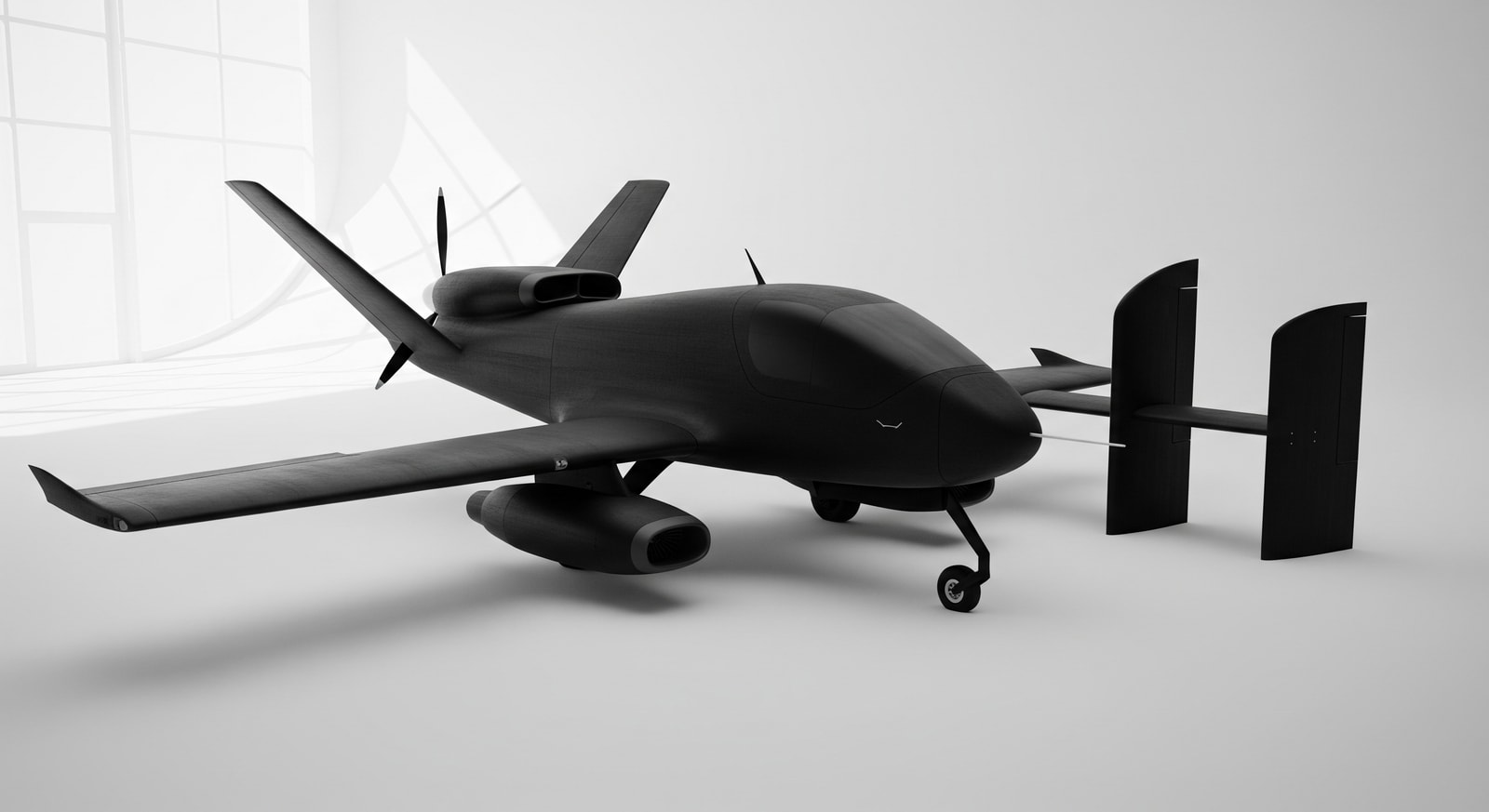
Potential outcomes: transforming aerospace manufacturing
As Divergent and Mach continue collaboration, the Venom project serves as an early example of how integrated digital design and modular manufacturing can streamline development while preserving performance and innovation.
- Faster iteration cycles for new platforms
- Lower unit production costs through reduced part counts
- Greater responsiveness to changing defence needs
What this means for the industry and travellers
For the aerospace and defence sectors, the Venom prototype underscores a move toward rapid, digitally driven production that could change procurement and deployment cycles. For travellers, the immediate effects are limited, but advances in autonomous systems and rapid manufacturing could eventually influence broader aviation technologies and airspace management practices.
So what? The Venom prototype illustrates how digital tools and additive manufacturing can compress development timelines, reduce costs and provide the defence sector with faster access to new capabilities — a trend that may ripple through the wider aerospace industry over time.
Sources