Flight Safety Foundation warns that mixed-use airspace near busy airports is becoming increasingly risky and urges coordinated action to prevent airborne conflict.
Summary: The Flight Safety Foundation warns that mixed-use airspace near busy airports presents growing safety risks. The 2025 Safety Report highlights increased operational complexity, cites a 29 January 2025 midair collision as an example, and calls for a Global Action Plan for the Prevention of Airborne Conflict.
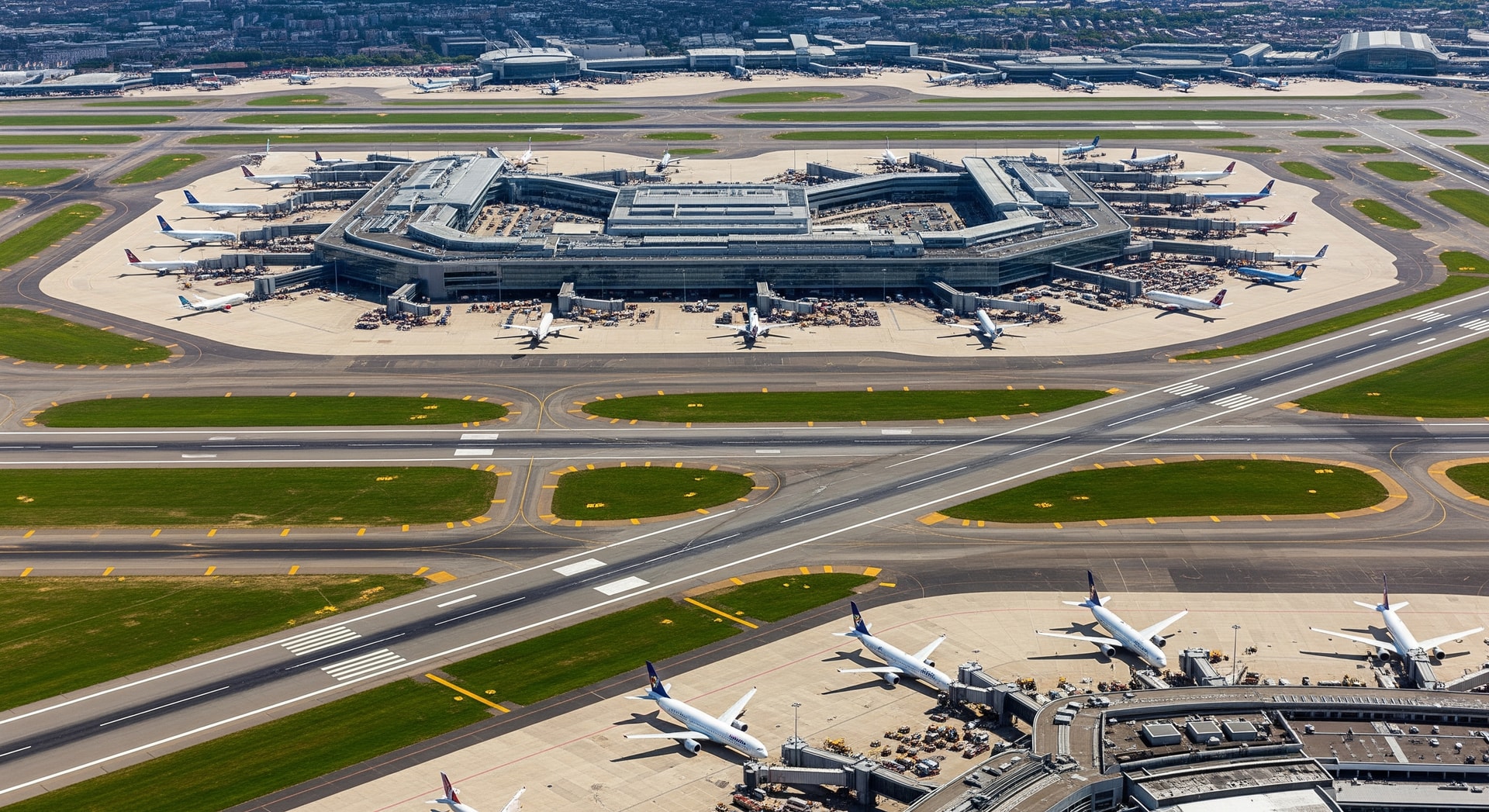
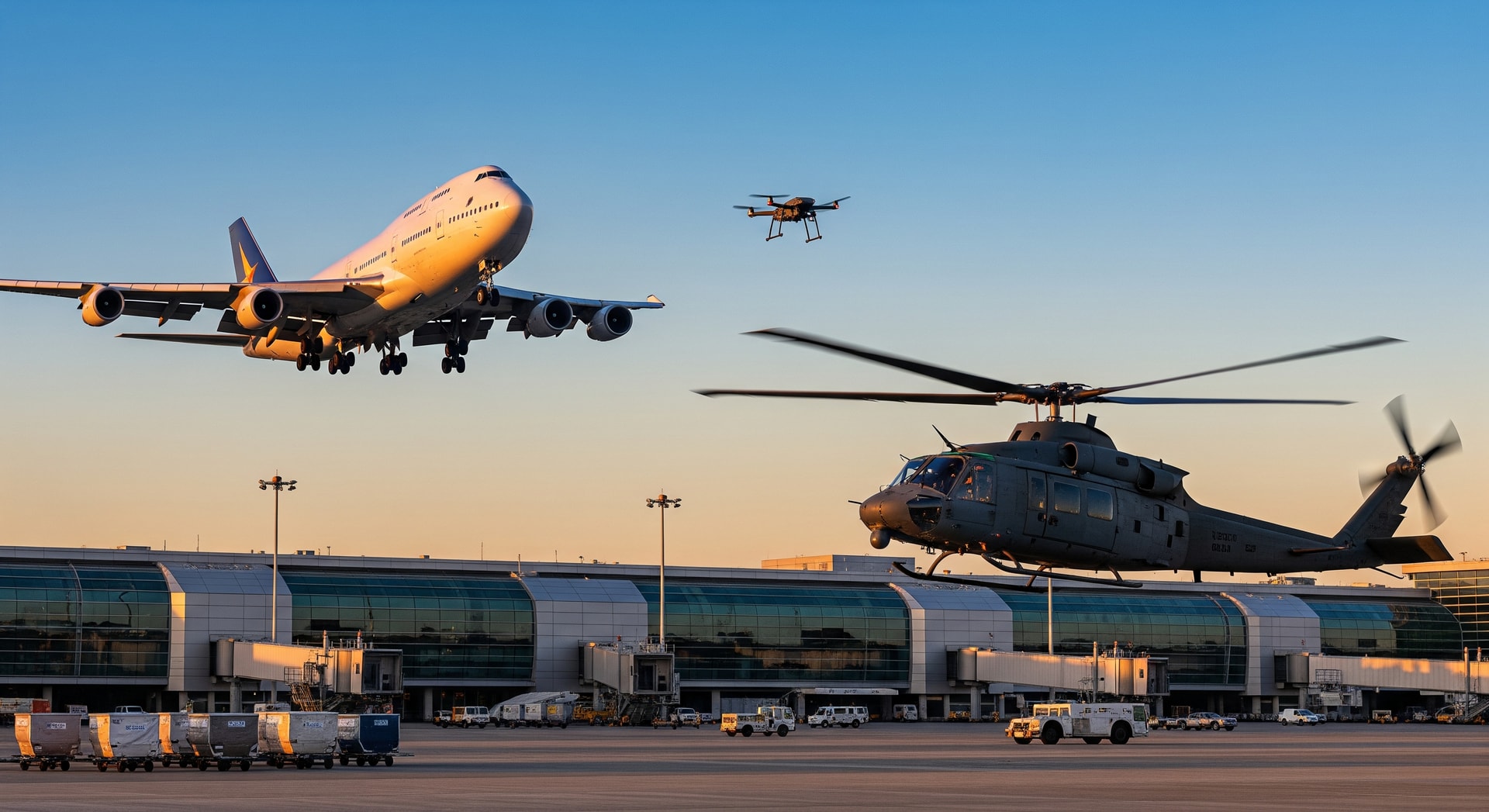
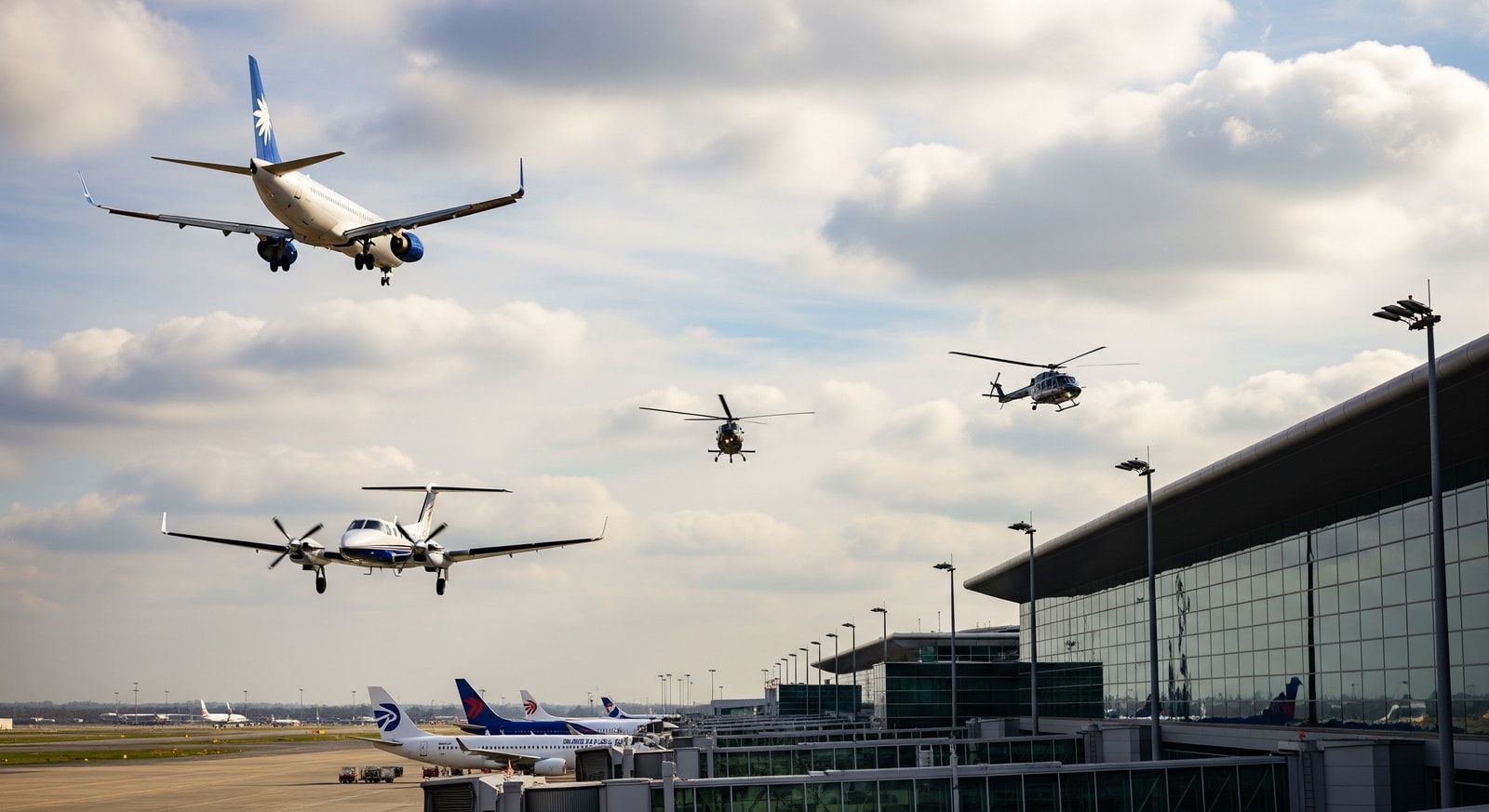
The Flight Safety Foundation’s 2025 Safety Report warns that mixed-use airspace — where commercial airliners, military aircraft, rotorcraft, general aviation and new entrants like drones operate close to major terminals — is carrying increasing safety risk as traffic density and operational diversity rise.
Safety trends and recent statistics
The Foundation reports that, although international airliner accidents fell in 2025 versus the previous year, the sector still recorded 12 fatal accidents that together caused more than 400 passenger and crew fatalities, plus 33 fatalities on the ground. Those figures underline that risk remains significant even amid overall declines in accident numbers.
A high-profile example of mixed-use risk
The report highlights the 29 January 2025 midair collision between a PSA Airlines regional jet and a U.S. Army helicopter near Ronald Reagan Washington National Airport as an incident that illustrates the hazards of shared busy airspace.
What the Foundation says is needed
- Improved civil-military coordination to manage operations in shared airspace
- Enhanced situational awareness for all operators
- Modernised, interoperable surveillance and communications systems
- Clear standards and procedures for deconfliction
Leadership response and next steps
In reaction to these trends, the Flight Safety Foundation has convened an international task force charged with drafting a Global Action Plan for the Prevention of Airborne Conflict. The organisation says that growing traffic and new types of airspace users are changing system exposure and resilience, requiring coordinated measures across civil and military stakeholders.
This is not a localized issue; it is a rising global safety challenge as aircraft in the military, commercial, general aviation, and rotorcraft sectors, converge near high-density terminals alongside drones and similar new entrants.
Dr. Hassan Shahidi, the Foundation’s President and CEO, emphasised that managing converging operations will require shared responsibility across the industry, with concrete measures to detect and correct recurring risks.
Managing that convergence requires shared accountability: clear procedures, interoperable equipage, data-driven oversight, and decisive action on recurring risk signals.
- Strengthen system capacity and resilience to meet growing demand
- Reinforce the global safety learning cycle through thorough investigations and timely sharing of lessons
- Maintain disciplined compliance and mature safety management systems across operators
A system operating near its limits has less margin to absorb variability, disruptions, and surprises.
Dr. Shahidi also stressed the importance of active reporting and rapid dissemination of lessons learned: "Safety improves when hazards are reported, analyzed, and acted upon, and when lessons learned are shared quickly enough to prevent the next occurrence."
So what? Why this matters to travellers and the aviation industry
For passengers, the Foundation’s findings underscore that busy terminal airspace is becoming more complex as different operator types and new entrants share the same skies. For the industry, the report signals an urgent need for harmonised civil-military procedures, upgraded interoperable systems, and stronger oversight to protect capacity and safety as traffic rises. If adopted, the proposed Global Action Plan and improved reporting could reduce the likelihood of future airborne conflicts and help maintain safe, reliable services for travellers.
Sources