Adyen and Uber have broadened their partnership to introduce Uber kiosks and expanded payment options aimed at simplifying travel payments for tourists around the world.
Summary: Adyen and Uber have extended their long-running partnership, adding Uber kiosks in airports, hotels and tourist sites and integrating local payment methods like Pix, AfterPay and WeChat Pay to streamline mobility for international travellers.
Adyen and Uber have deepened their strategic relationship to make transportation and payments easier for tourists. The two companies—partners since 2012—say Adyen currently supports Uber’s payments in more than 70 countries across six continents, and the new measures are intended to better serve the rising demand for smooth, border-spanning travel experiences.
Uber kiosks: On-site booking and payment points
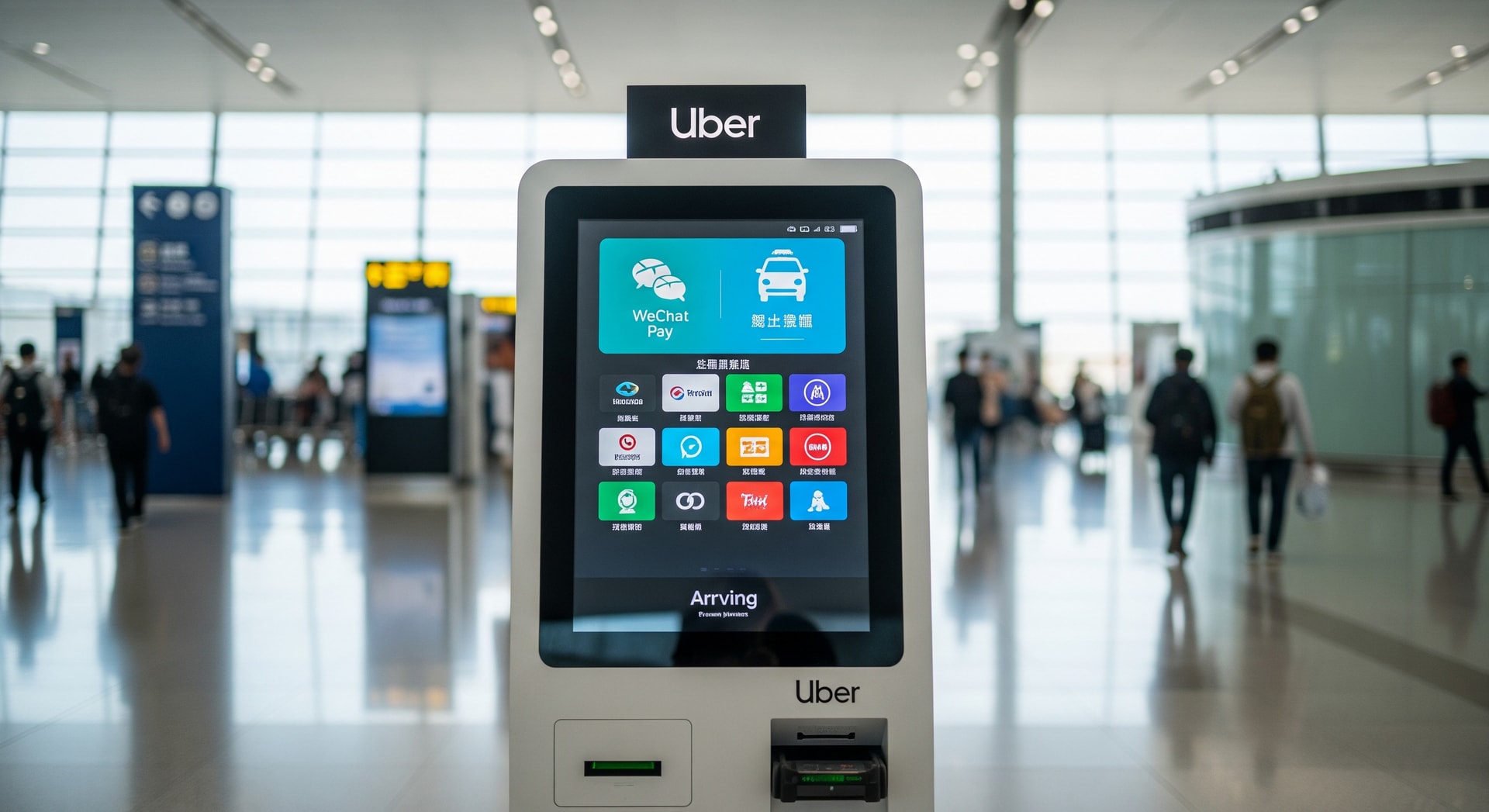
A central element of the expanded collaboration is the rollout of Uber kiosks at high-traffic tourist locations. These units will be installed in places such as airports, hotels and major attractions to provide a straightforward way for visitors to request rides without relying on unfamiliar local apps or payment methods.
- Locations: Airports, hotels and popular tourist sites in major travel hubs
- Purpose: Allow tourists to book Uber rides quickly and efficiently
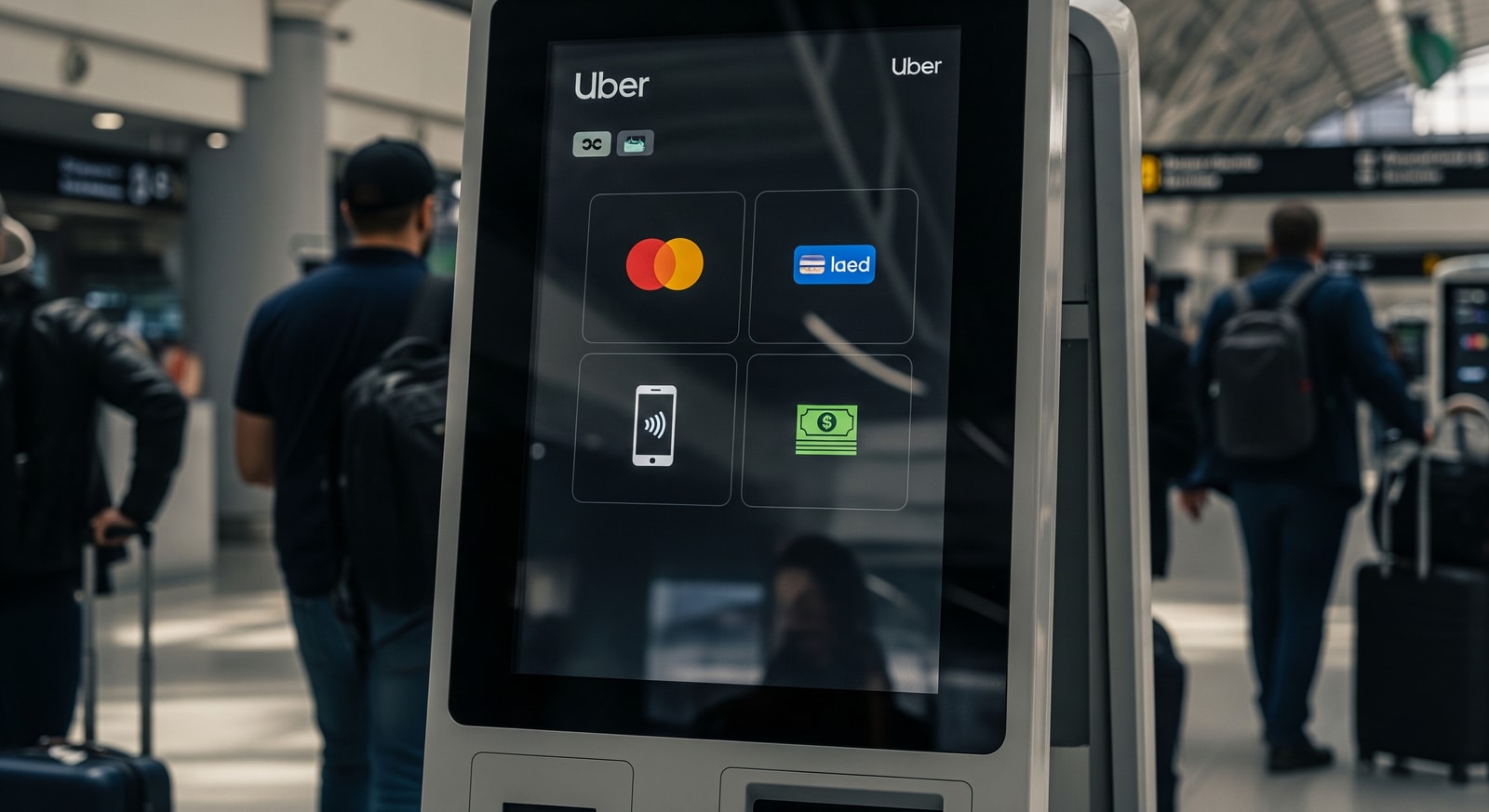
- Payment flexibility: Support for cashless and local payment options familiar to visitors
Broader payment options for global travellers
The partnership expansion also focuses on widening the payments accepted across Uber’s platform. By integrating local methods, Uber aims to reduce friction for international customers who may prefer region-specific options over global cards.
- Pix in Brazil
- AfterPay in Australia
- WeChat Pay globally and the Uber mini app on WeChat for China
How this strengthens tourism infrastructure
Adyen’s payment backbone combined with Uber’s mobility network is designed to make it easier for tourists to move around cultural centres, international airports and major business cities. As visitor numbers grow across Asia, Europe and the Middle East, localised payment acceptance and on-site kiosks are intended to improve accessibility to reliable transport.
Innovation and next steps
The companies describe the move as part of a broader drive to set new standards for tourism mobility. By continuing to add payment methods and in-person access points, Adyen and Uber hope to reduce the barriers that travellers face when navigating unfamiliar payment ecosystems.
For travellers, the practical benefits include faster access to transport on arrival, fewer payment headaches and more predictable options for airport transfers, sightseeing and business travel. For destinations and travel operators, the partnership can support smoother passenger flows and a more inclusive service offering for international guests.
What this means for travellers and the industry
So what? The expanded Adyen-Uber partnership removes common pain points for international visitors by offering local payment choices and visible, on-site booking options. That translates into less time figuring out how to pay and more reliable access to transport on arrival—advantages that matter to both leisure and business travellers, as well as to airports and tourism operators seeking to improve guest experience.
Sources