Discovery Class Cruise Ships are poised to reshape ocean holidays by prioritising destinations, access to smaller ports and sustainable operations.
Summary: Discovery Class Cruise Ships represent a shift in cruising focused on destination-led itineraries, access to smaller ports, longer shore stays and reduced environmental impact.
The cruise industry is preparing for a directional change as Discovery Class Cruise Ships emerge to meet shifting traveller preferences. These new vessels put an emphasis on visiting varied destinations, offering quieter onboard experiences and enabling access to ports that mega-ships cannot serve.
Travel behaviour is steering ship design
Recent travel trends show tourists increasingly favour meaningful, quality experiences over mass-market options. Discovery Class Cruise Ships have been conceptualised with these preferences in mind, prioritising comfort, exploration and slower-paced itineraries rather than sheer size or onboard spectacle.
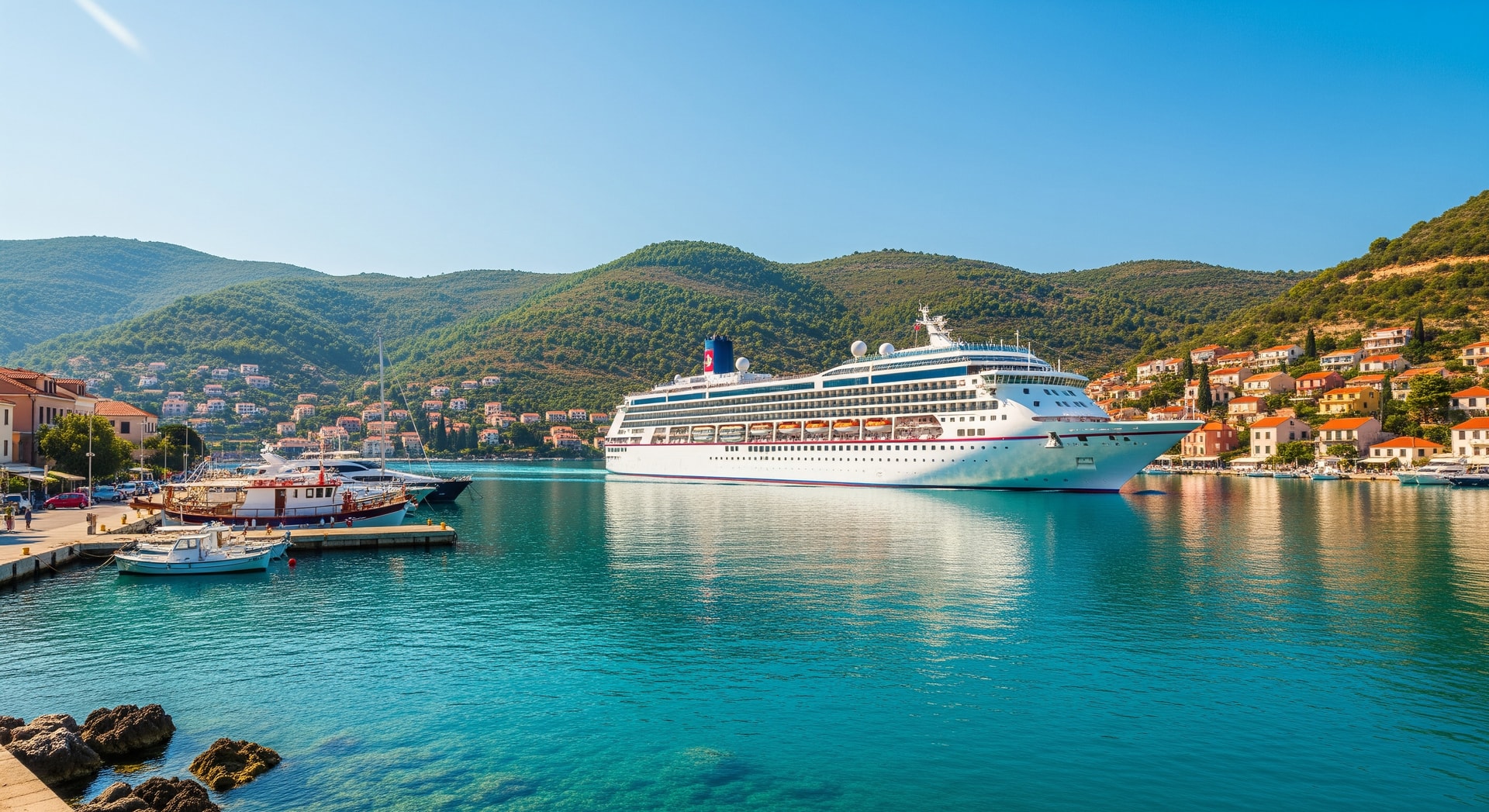
Because they are smaller and more adaptable than mega-ships, these vessels can call at ports that lack the infrastructure to handle very large ships. That capability opens routes to smaller coastal towns, cultural centres and emerging destinations that were previously off the cruise map, creating more varied and authentic shore experiences for passengers.
- Greater access to small and mid-sized ports
- Quieter onboard atmosphere with fewer passengers
- Itineraries focused on culture, history and local life
A destination-first cruising model
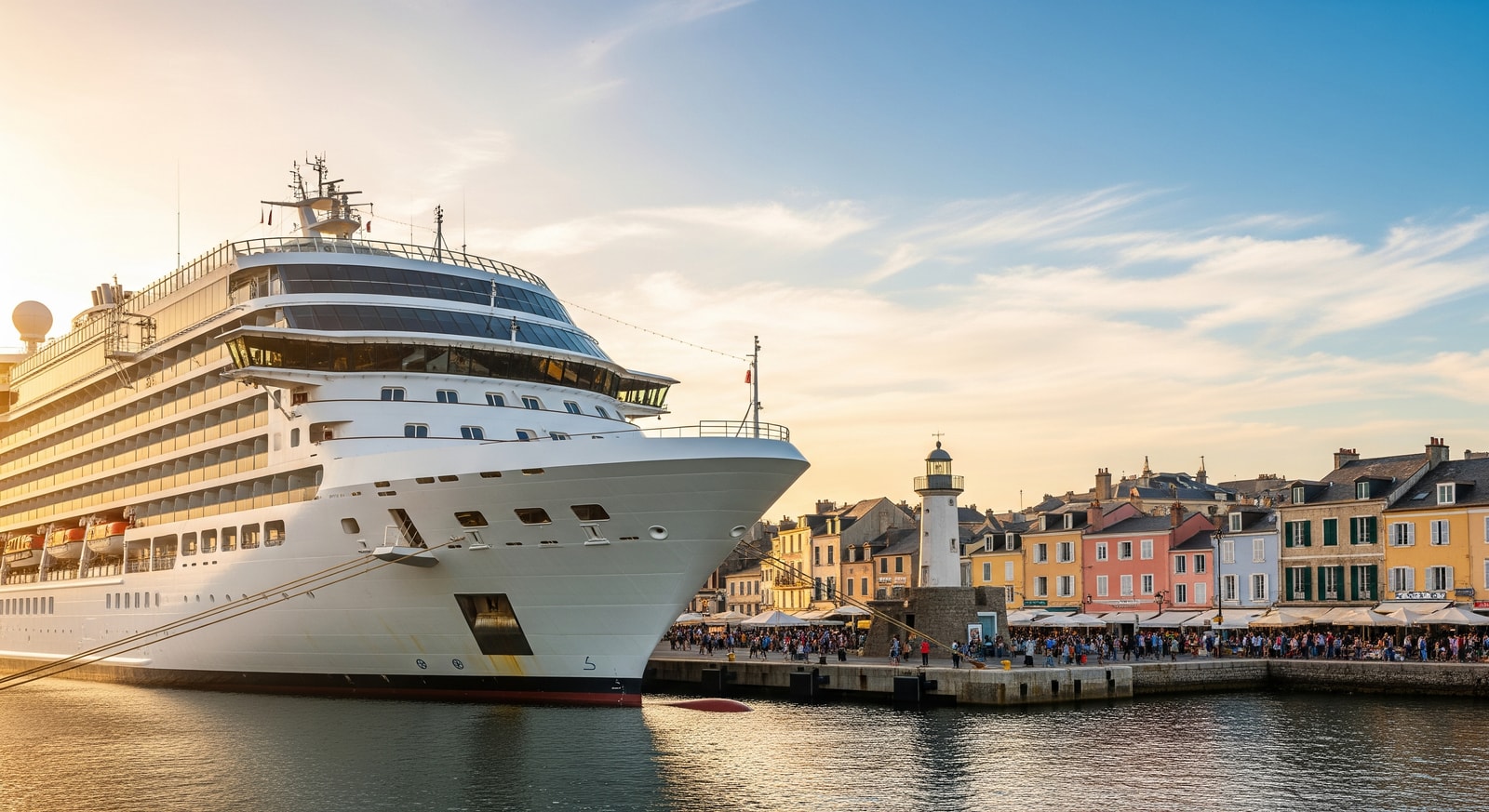
One defining characteristic of Discovery Class Cruise Ships is that the onboard product is designed to complement the places the ship visits rather than overshadow them. Operators are planning longer port calls and shore programmes that emphasise immersive cultural, historical and community-oriented activities.
From a tourism-planning perspective, this approach supports sustainable local development. Extended time ashore means more visitor spending flows to local guides, transport providers and small businesses instead of concentrating revenue within the ship itself.
Sustainability is central to future designs
Environmental performance is a key consideration for Discovery Class designs. Operators and shipbuilders are prioritising efficient operations and modern engineering to reduce emissions and meet evolving maritime regulations. That alignment with international standards aims to make cruising a cleaner travel option.
- Optimised fuel and propulsion systems to lower emissions
- Smaller passenger loads to reduce localised impact in ports
- Design choices that enable compliance with stricter regulations
Ports, planning and more equitable tourism benefits
The rise of Discovery Class Cruise Ships could prompt smaller ports to enhance their facilities and encourage tourism boards to promote new routes. This shift would spread economic opportunity beyond traditional cruise hubs and help manage visitor flows away from overcrowded destinations.
- Smaller ports investing in visitor infrastructure
- Regional tourism boards creating niche itineraries
- Reduced pressure on overcrowded mainstream ports
What travellers should expect
Although Discovery Class ships are a forward-looking trend, travellers can already adapt their planning. Expect itineraries that prioritise exploration over onboard excess, calmer ship environments and trips that include longer shore time. Travel agents and operators are monitoring these developments and may begin offering such options as they come online.
In short, Discovery Class Cruise Ships point to a smarter form of ocean travel: one that values destinations, supports local economies and responds to environmental imperatives.
Why this matters: For travellers, operators and destination managers, the shift toward Discovery Class Cruise Ships means more varied itinerary choices, deeper cultural engagement and the potential for more sustainable tourism income for smaller communities. So what? If you value exploration over spectacle, expect future cruise options that deliver quieter ships, longer time ashore and access to ports few large vessels can reach—changing how ocean holidays are planned and experienced.
Sources