A Cape Verde health scare has left at least six British tourists dead and more than 150 seriously ill after outbreaks of salmonella and shigella linked to contaminated food and water.
Summary: A Cape Verde health scare involving salmonella and shigella has been linked to at least six British deaths and more than 150 serious illnesses; UK authorities have issued travel guidance and the outbreaks are tied to suspected food and water contamination at hotels and resorts.
Cape Verde has been thrust into the spotlight after a series of food- and waterborne infections left at least six British tourists dead and over 150 others severely unwell. The Cape Verde health scare centers on confirmed cases of salmonella and shigella, illnesses that UK health authorities say have produced symptoms including fever, severe diarrhoea and stomach cramps among affected visitors.
What authorities say about the outbreaks
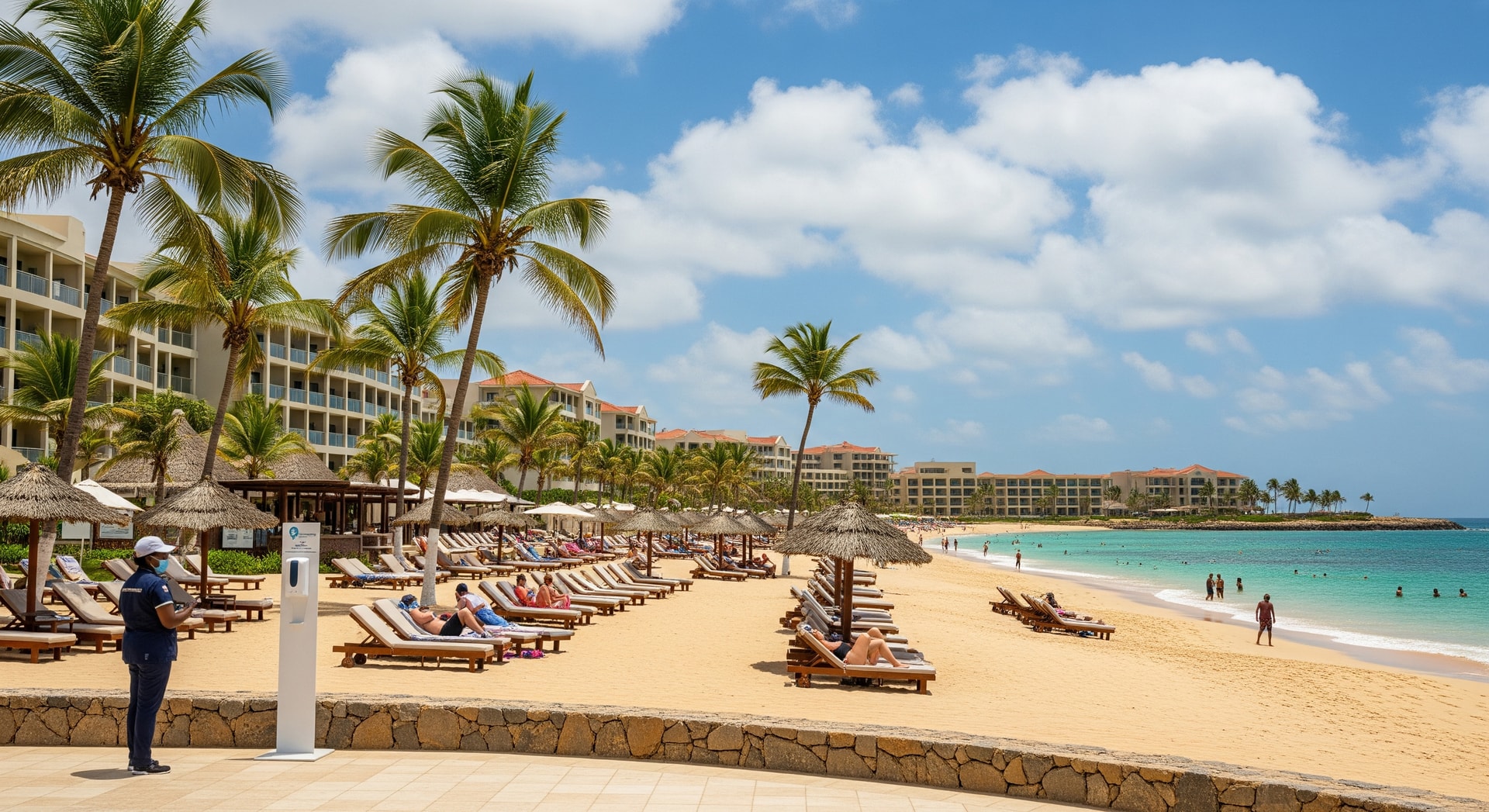
UK health officials have linked the cluster of illnesses to contamination of food and water on the islands. Many of those affected were staying at a variety of hotels and resorts across Cape Verde, prompting investigators to focus on hygiene and sanitation practices at tourism properties and foodservice outlets.
UK issues travel guidance
In response to the outbreak, the UK Foreign, Commonwealth & Development Office (FCDO) has published advice urging travellers to exercise caution when considering a trip to Cape Verde. Although the islands remain a popular winter destination, the advisory has introduced uncertainty for holidaymakers weighing whether to travel or to seek refunds and cancellations.
Impact on travellers and travel insurance
The emerging health concerns have left booked travellers unsure whether their policies will cover cancellations, as Cape Verde has not been formally declared unsafe. Many face potential non-refundable costs and confusion over claims, while prospective visitors are reconsidering plans amid media attention and official warnings.
- Check travel alerts and updates from the FCDO and local health authorities before booking or travelling.
- Select accommodations with strong hygiene records and documented cooperation with health inspectors.
- Avoid raw or undercooked food and drink bottled water to reduce infection risk.
- Consult a healthcare professional ahead of travel to confirm vaccinations and receive pre-travel advice.
Local response and public health action
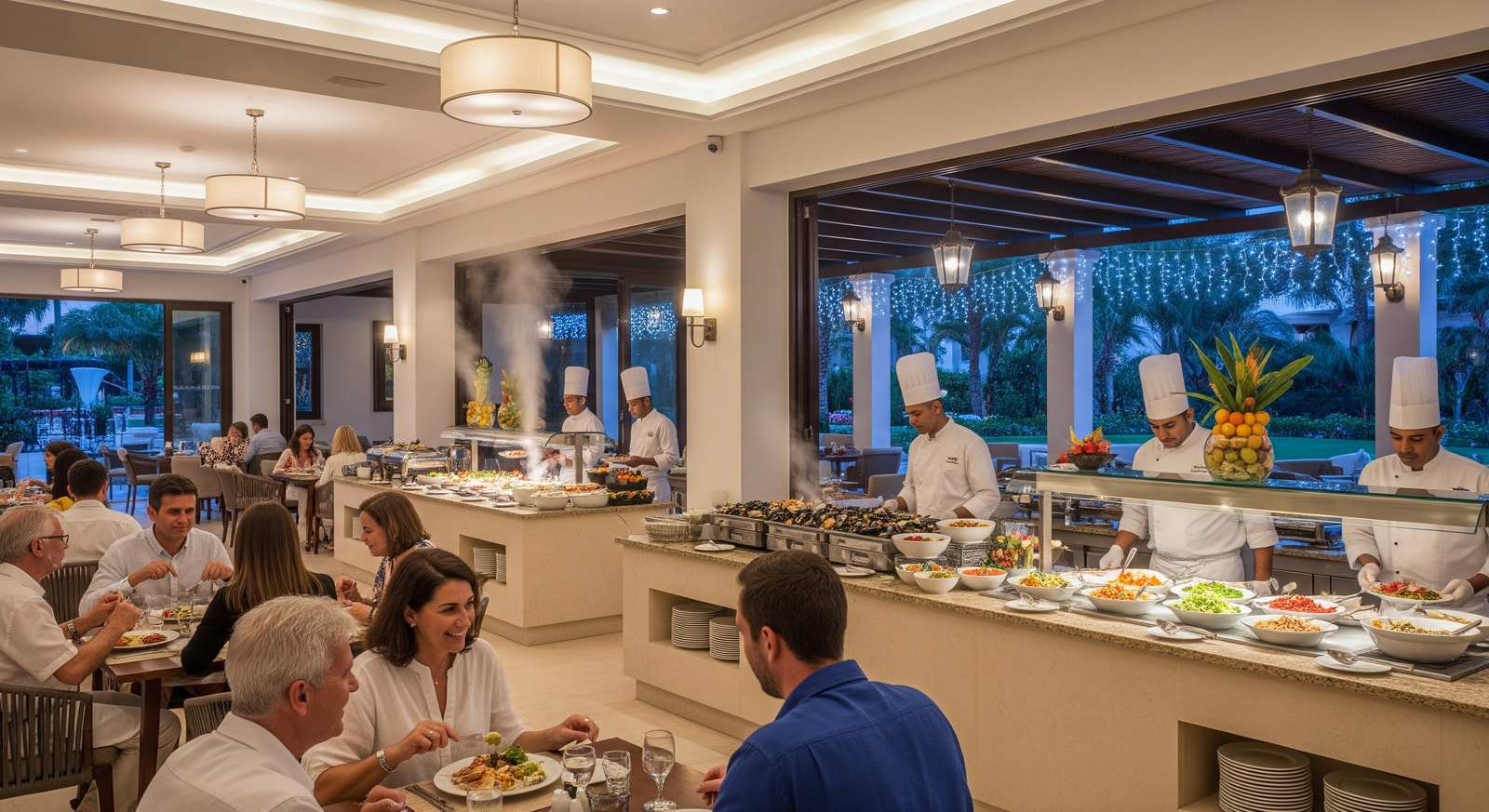
Hotel and restaurant operators on the islands have reportedly begun collaborating with public health officials to enhance cleaning protocols and investigate potential contamination sources. Authorities and tourism stakeholders face pressure to identify the root causes quickly and to implement measures that prevent further cases.
Longer-term implications for Cape Verde’s tourism sector
Tourism is a major economic driver for Cape Verde, and these incidents risk damaging the islands’ reputation among European visitors. Restoring confidence will require visible improvements in sanitation standards, transparent reporting of investigation results, and sustained efforts by both government and private sector actors.
So what? Travellers should treat this situation as a cue to do extra due diligence: check the latest advisories, confirm insurance coverage for health-related cancellations, and prioritise accommodations known for robust hygiene practices. For the travel industry, the episode underscores how quickly health incidents can affect demand and why investment in public health measures is vital to protect both visitors and local livelihoods.
Sources