Specialized 4-step process — scientific expeditions processed within 4-8 weeks
1
Complete the expedition application
Submit your detailed expedition proposal including scientific objectives, research team credentials, vessel specifications, and environmental impact assessment. Our specialists guide you through Norwegian Polar Institute requirements, ensuring your application meets all Antarctic Treaty and Norwegian regulatory standards for this protected territory.
2
Upload your documentation
Provide expedition permits, vessel certifications, emergency evacuation plans, insurance documentation, and environmental protocols. Upload research institution credentials, team member qualifications, and detailed itineraries. Our experts verify all documents against Norwegian polar expedition requirements before submission.
3
We coordinate with Norwegian authorities
Your verified application is transmitted to the Norwegian Polar Institute and relevant authorities. We manage communication with Norwegian government agencies, coordinate timing requirements, and ensure all environmental protection conditions are addressed. Processing typically requires 4-8 weeks for complex expeditions.
4
Receive your expedition authorization
Your approved Bouvet Island expedition permit arrives as official documentation. This authorization specifies landing conditions, research parameters, and environmental protection requirements. Prepare for one of Earth's most challenging and rewarding scientific adventures to the world's most remote island.
0+Happy Travelers
0/7Expert Support
0%+Approval Rate
0Customer Rating
Bouvet Island Permit Requirements & Entry Information
Scientific Research Permit
Duration of expedition
For approved research and scientific expeditions
Norwegian Expedition Authorization
Specified period
Official permit from Norwegian Polar Institute
Vessel Transit Permission
Transit period only
For ships passing through territorial waters
Antarctic Treaty Coordination
As specified
Multi-nation expeditions under treaty protocols
Essential Requirements
📘Valid passport with minimum 12 months validity
📄Detailed scientific research proposal and objectives
🏥Comprehensive emergency medical evacuation insurance
✈️Ice-strengthened vessel with certified crew
💰Environmental bond and liability coverage
🧳Complete emergency survival equipment and protocols
The World's Most Remote Island
Bouvet Island stands as Earth's most isolated landmass — a Norwegian dependency located 1,600 kilometers from Antarctica and 2,500 kilometers from South Africa. This uninhabited volcanic island offers no tourism infrastructure, no harbor, and no airstrip. Access is extremely restricted to approved scientific expeditions only.
Norwegian Sovereignty
Norway claimed Bouvet Island in 1927, establishing it as a nature reserve in 1971. The Norwegian Polar Institute administers all access permissions. Unlike tourist-friendly Antarctic destinations, Bouvet Island receives perhaps one or two expeditions per decade. The island's extreme isolation, dangerous coastline, and unpredictable weather make any visit a major logistical undertaking.
Access Requirements
All expeditions require formal authorization from Norwegian authorities. There is no casual tourism — only scientific research missions with documented objectives, proper vessels, and comprehensive safety protocols receive consideration. Applications undergo rigorous environmental impact assessment before approval.
Why It Matters
Bouvet Island represents one of Earth's last truly wild places. Its pristine ecosystem, unique geology, and extreme environment make it invaluable for climate research, seismology, and marine biology studies.
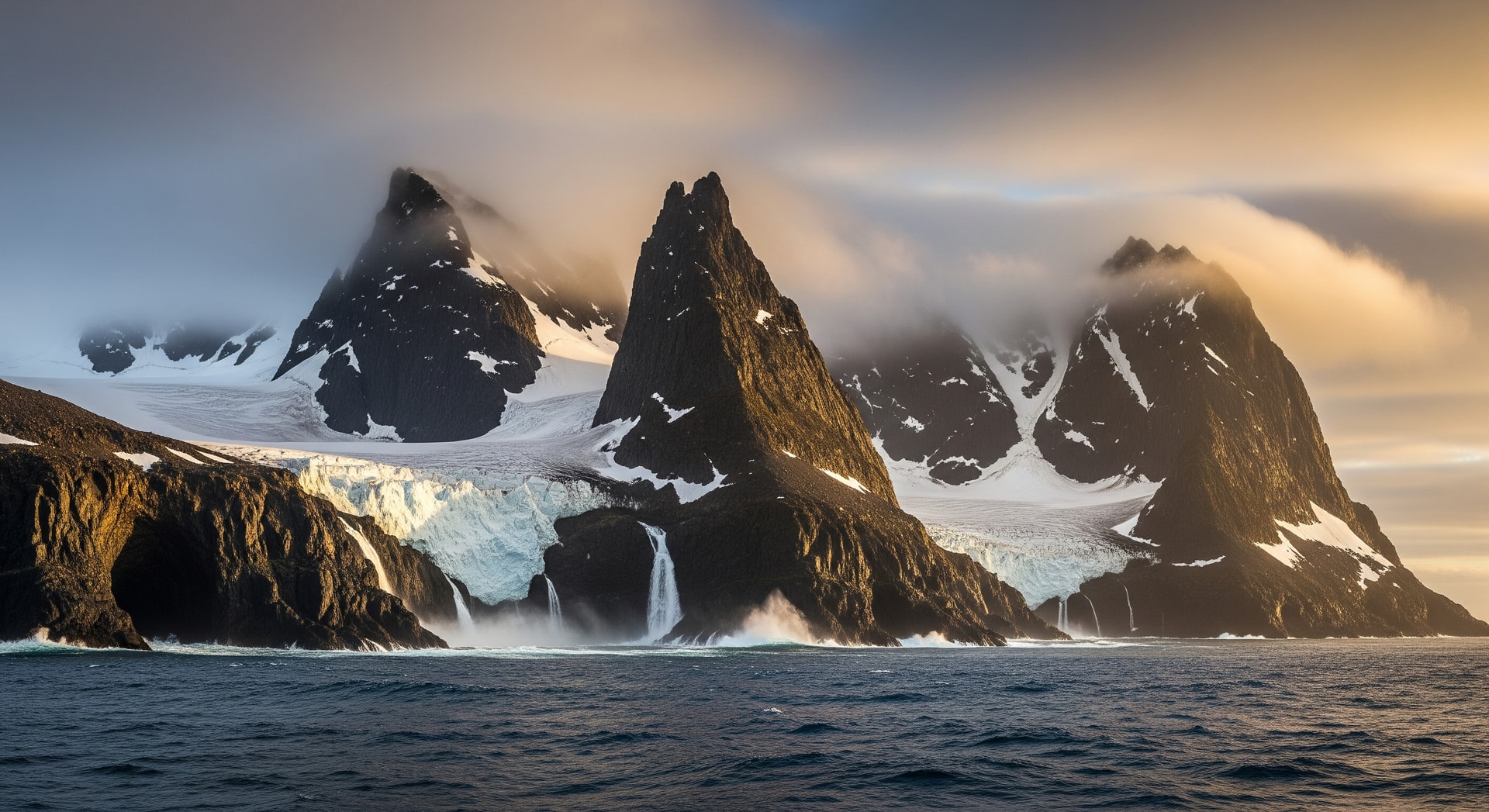
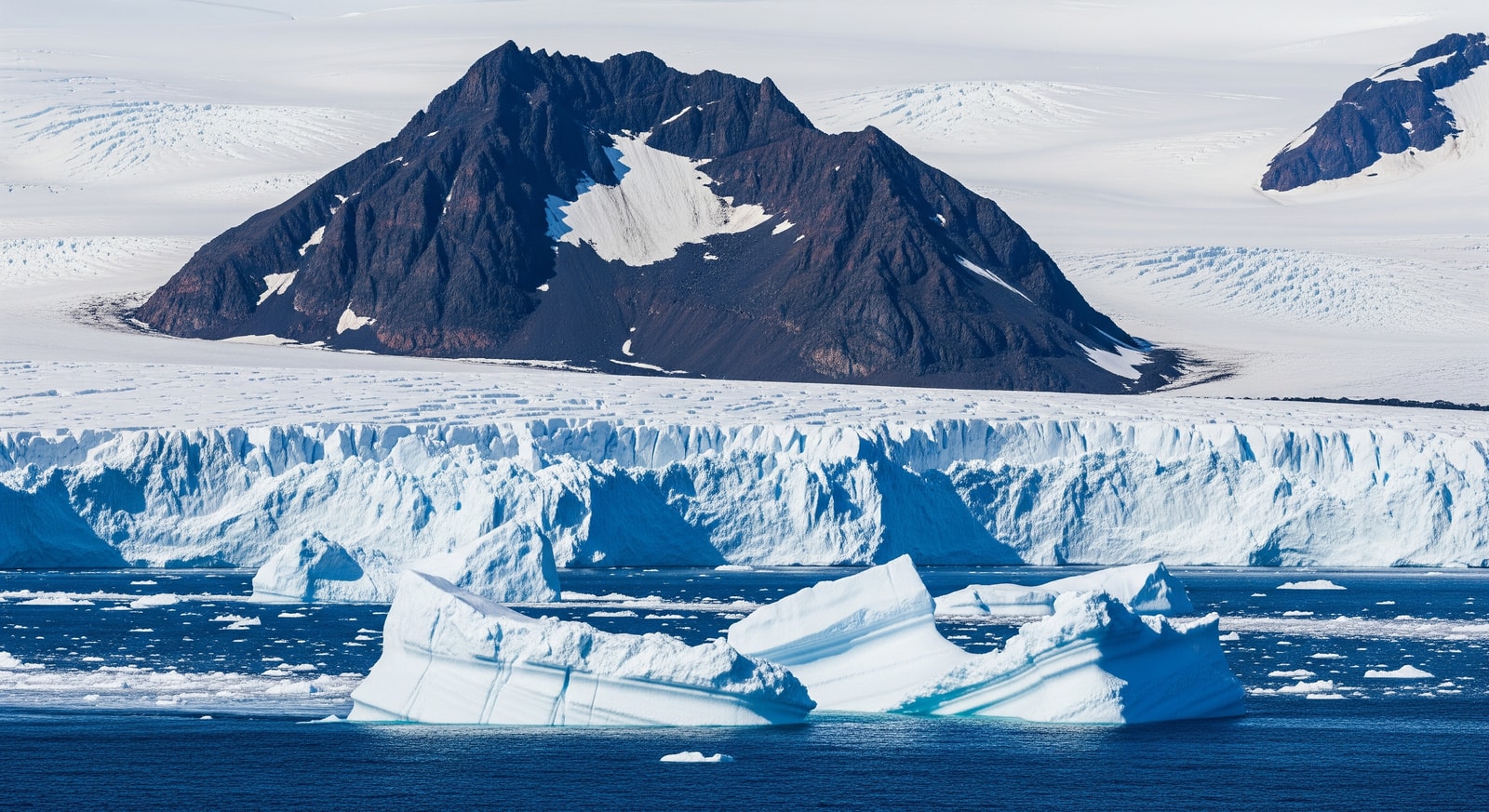
Bouvet Island — 93% covered by glaciers with active volcanic features
Scientific Research & Expeditions
Research Permit Process
Scientific expeditions must submit comprehensive proposals to the Norwegian Polar Institute months in advance. Applications require: detailed research objectives and methodology, team qualifications and experience, vessel specifications and safety certifications, environmental impact assessments, and emergency response plans. Approval is not guaranteed — Norway carefully evaluates each application against environmental protection priorities.
Historic Expeditions
Bouvet Island has hosted only a handful of expeditions since its discovery in 1739. Notable visits include Norwegian expeditions in the 1920s-1970s that established weather stations, and occasional research visits studying the island's unique ecosystems. The Norwegian automated weather station represents the only permanent human installation.
Research Opportunities
The island offers unique scientific value: pristine sub-Antarctic ecosystems, volcanic geology, glaciology studies, seabird colony research, and climate monitoring. Its isolation makes it an excellent baseline for atmospheric and oceanic research unaffected by human activity.
International Cooperation
While under Norwegian jurisdiction, Bouvet Island research often involves international scientific collaboration, coordinated through Antarctic Treaty consultative processes.
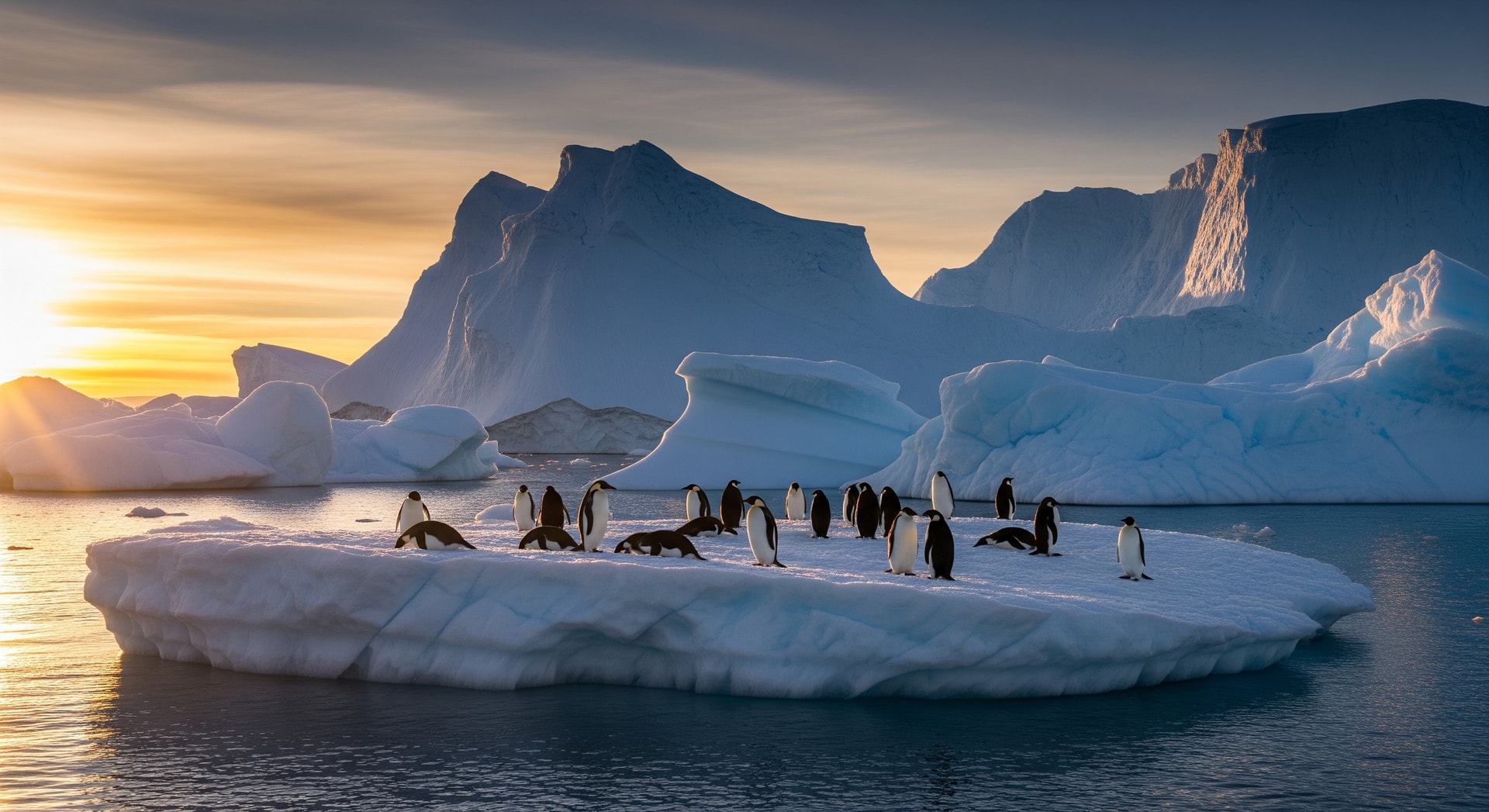
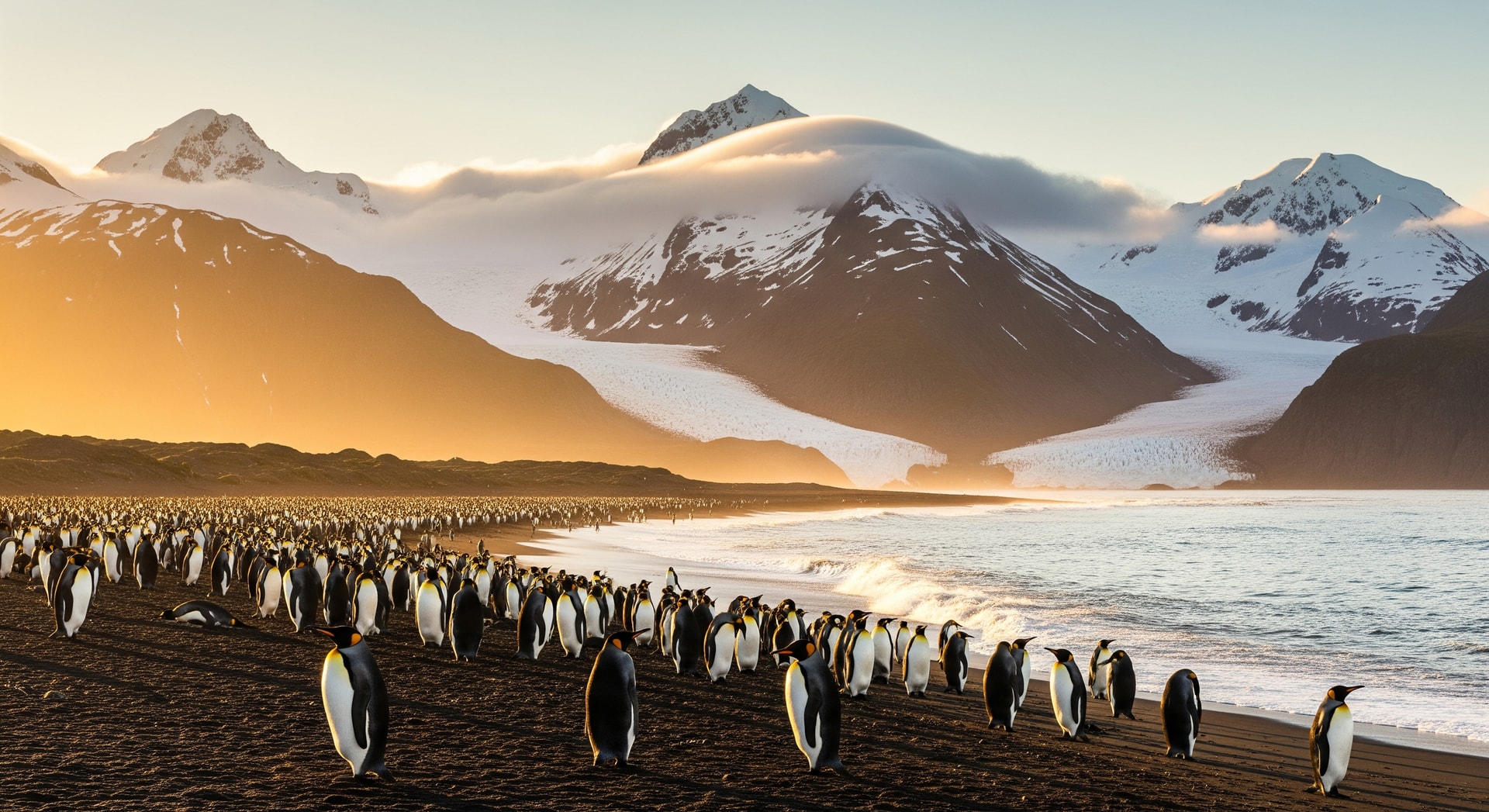
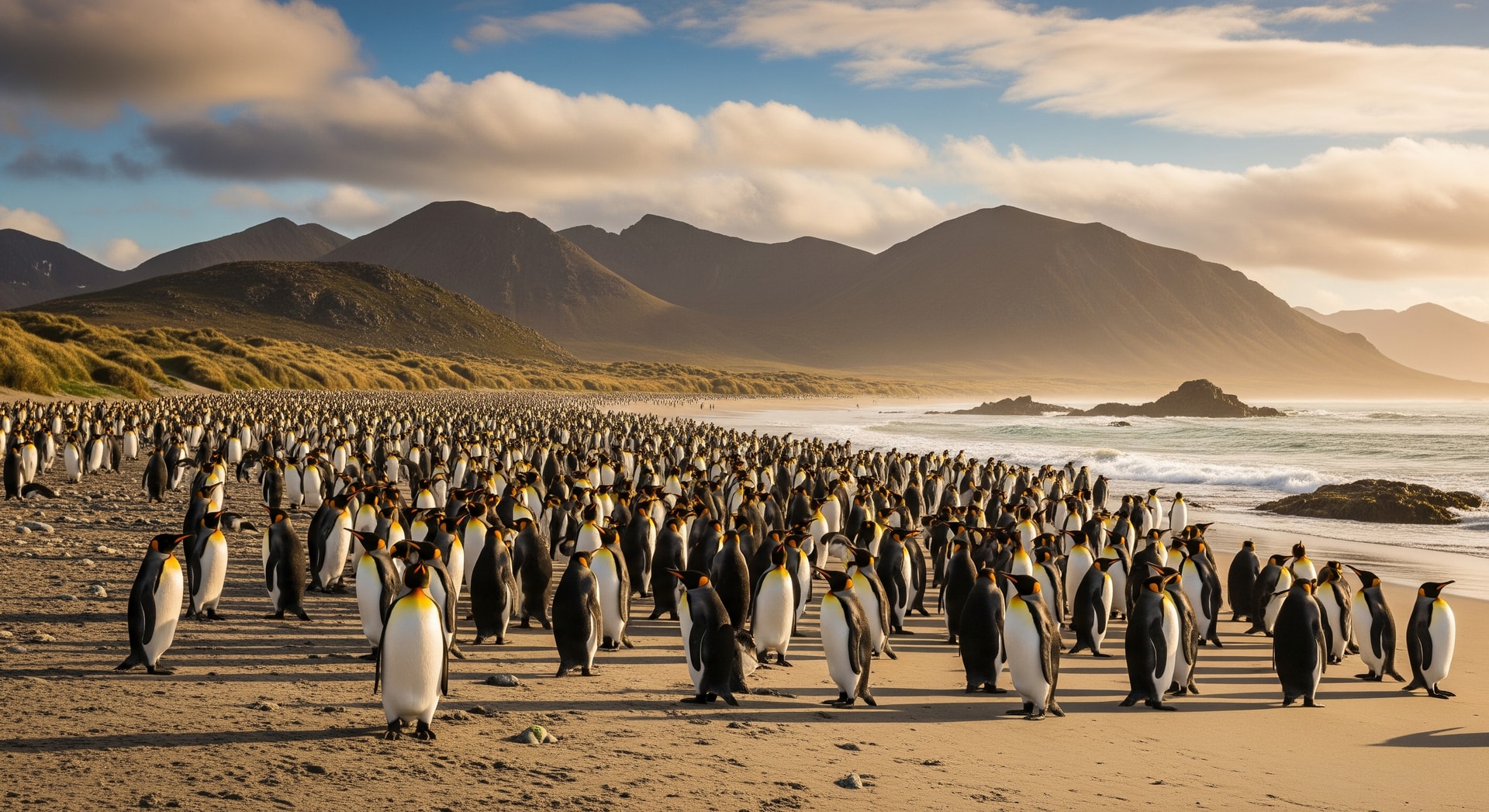
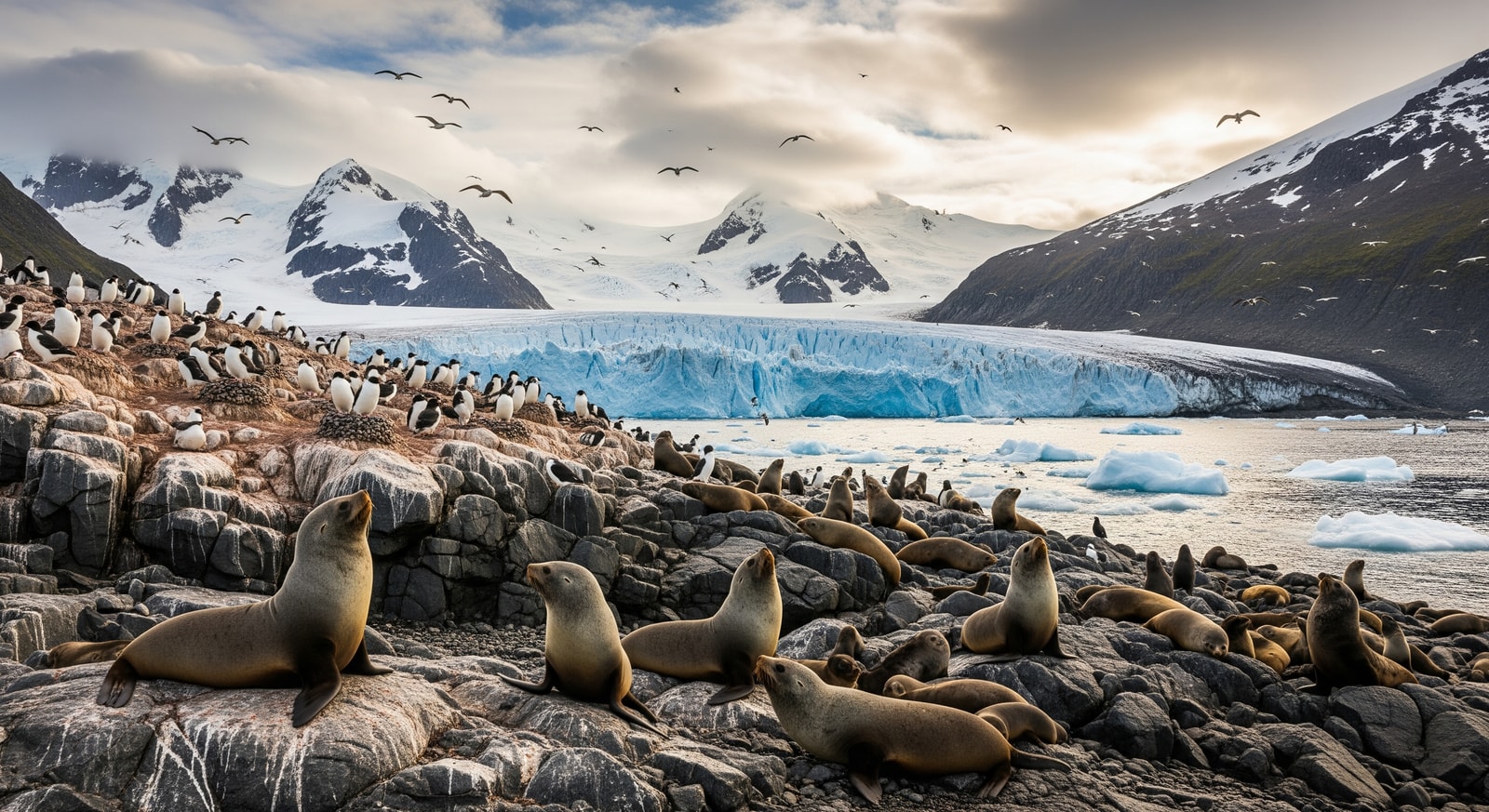
Bouvet Island wildlife — Home to fur seals, penguins, and millions of seabirds
Logistics & Safety Requirements
Vessel Requirements
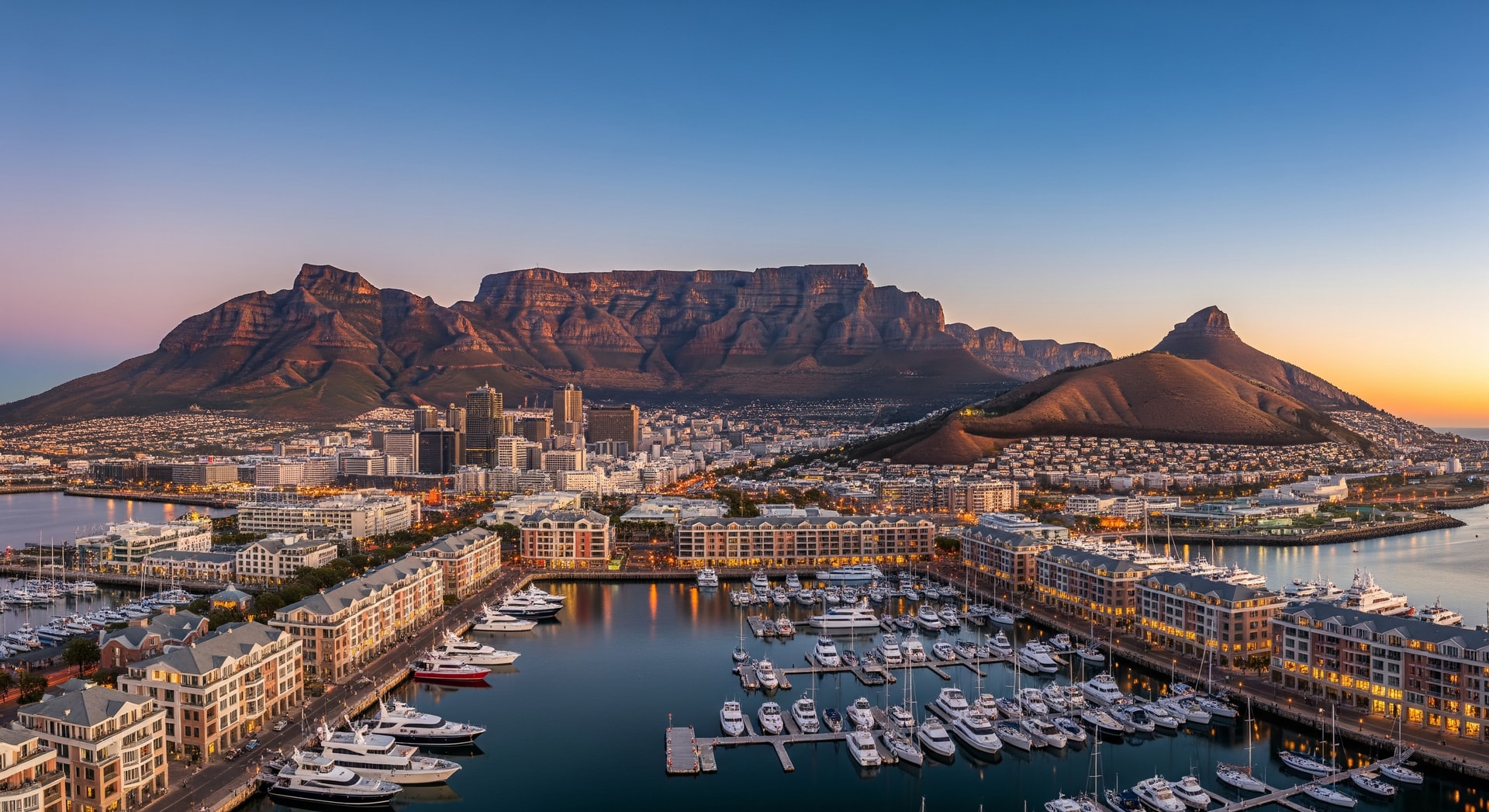
Reaching Bouvet Island requires an ice-strengthened expedition vessel capable of navigating Southern Ocean conditions. The journey typically takes 5-7 days from Cape Town, South Africa, traversing some of Earth's most dangerous waters. Ships must carry zodiac landing craft, emergency supplies, and satellite communication equipment.
Landing Challenges
Bouvet Island has no harbor — the coastline consists of sheer 500-meter cliffs, glaciers, and rocky shores. Weather-dependent zodiac landings occur at limited accessible points, primarily Nyrøysa — a lava platform created by a 1950s volcanic eruption. Conditions permitting, brief shore visits may be possible; many expeditions cannot land due to weather.
Safety Protocols
Expeditions must demonstrate: comprehensive emergency evacuation plans, medical facilities and personnel, survival equipment for extreme conditions, communication redundancy, and environmental incident response capabilities. The nearest rescue assistance is days away.
Insurance Requirements
Norwegian authorities require substantial insurance coverage including emergency medical evacuation, search and rescue cost coverage, environmental liability, and vessel damage provisions.
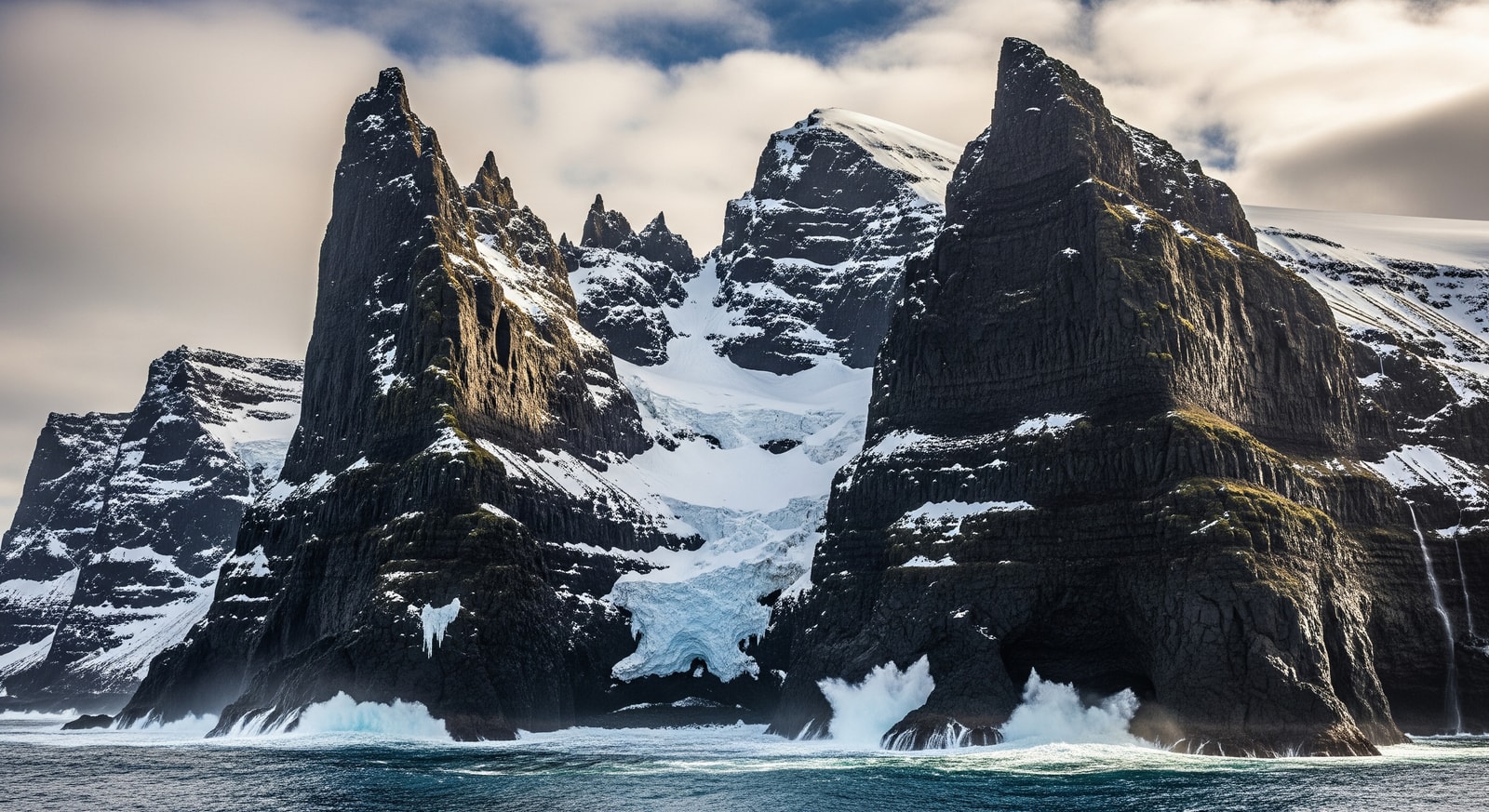
Bouvet's forbidding coastline — 500-meter cliffs make landing extremely difficult
Planning Your Expedition
Timeline & Process
Plan 12-24 months in advance for any Bouvet Island expedition. The application process, vessel charter arrangements, and logistics coordination require extensive preparation. Norwegian Polar Institute reviews applications thoroughly — rushing is not possible.
Optimal Season
The brief Southern Hemisphere summer (December-February) offers the only realistic window for expeditions. Even then, weather conditions remain extreme with frequent storms, fog, and dangerous seas. Pack ice can block access entirely some seasons.
Cost Considerations
Bouvet Island expeditions represent significant financial undertakings. Vessel charter, fuel for the long voyage, specialized equipment, insurance, and permit fees combine to make this one of Earth's most expensive destinations to reach. Only well-funded scientific institutions and occasional private expeditions attempt the journey.
Norwegian Polar Institute Contact
All permit inquiries should be directed to the Norwegian Polar Institute in Tromsø, Norway. They coordinate with the Ministry of Climate and Environment regarding Bouvet Island access. DoVisa can assist with documentation preparation and application coordination.
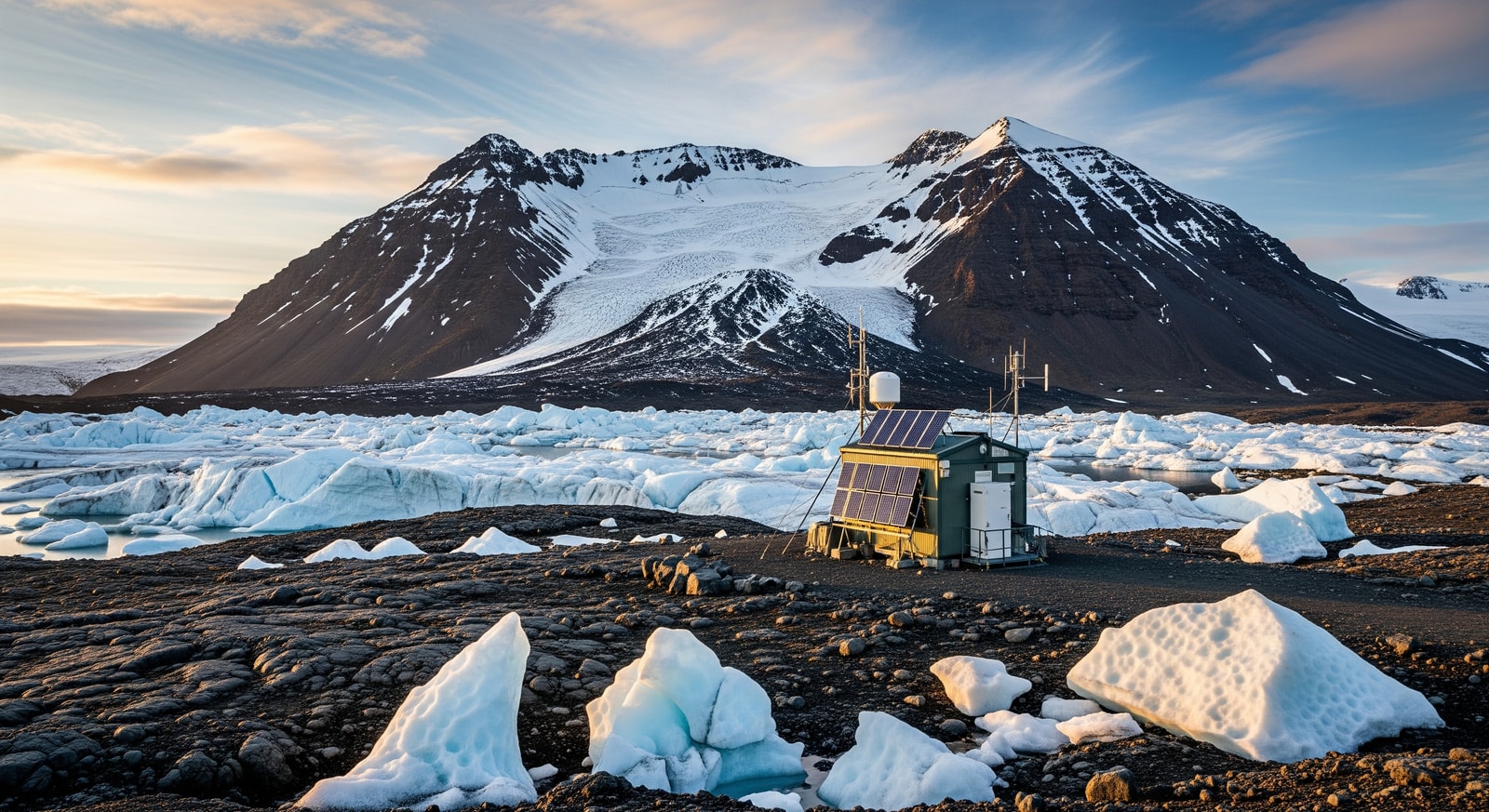
Norwegian weather station — The island's only permanent human installation
Why Choose DoVisa?
See the difference between applying yourself vs using our expert service
Travelers to Bouvet Island rated this product 4.7 out of 5 based on 7 reviews.
4.7/ 5
Based on 7 verified reviews
Filter by rating
Dr. Henrik N.Nov 15, 2025
"Planning a research expedition to Bouvet Island seemed impossible until DoVisa helped navigate Norwegian permit requirements. Their expertise with polar expedition documentation was invaluable."
Sarah M.Sep 22, 2025
"Our marine biology team needed complex coordination with Norwegian authorities. DoVisa understood the unique challenges of sub-Antarctic research permits and delivered excellent support."
Prof. Anders K.Aug 10, 2025
"The Norwegian Polar Institute process is demanding. DoVisa's document review caught several issues before submission, saving weeks of potential delays for our glaciology expedition."
Michael T.Jun 28, 2025
"Organizing permits for an international scientific team visiting Norwegian territory required expertise we didn't have. DoVisa's knowledge of polar expedition requirements was exceptional."
Dr. Elena V.May 14, 2025
"After failed attempts to understand Bouvet Island access requirements on our own, DoVisa clarified the entire process. Professional service for a truly unique destination."
James R.Mar 30, 2025
"Our expedition vessel needed various Norwegian certifications verified. DoVisa coordinated with multiple authorities efficiently. The Southern Ocean voyage was worth every challenge."
Dr. Ingrid S.Feb 18, 2025
"Remote island research requires meticulous permit preparation. DoVisa's attention to environmental documentation requirements helped our seabird study receive approval."
Dr. Henrik N.Nov 15, 2025
"Planning a research expedition to Bouvet Island seemed impossible until DoVisa helped navigate Norwegian permit requirements. Their expertise with polar expedition documentation was invaluable."
Sarah M.Sep 22, 2025
"Our marine biology team needed complex coordination with Norwegian authorities. DoVisa understood the unique challenges of sub-Antarctic research permits and delivered excellent support."
Prof. Anders K.Aug 10, 2025
"The Norwegian Polar Institute process is demanding. DoVisa's document review caught several issues before submission, saving weeks of potential delays for our glaciology expedition."
Bouvet Island Permit FAQs
Can tourists visit Bouvet Island?
No, Bouvet Island does not permit tourism. This uninhabited Norwegian dependency is classified as a nature reserve with access restricted to approved scientific research expeditions only. There are no tourist facilities, no regular transport, and no accommodation on the island. The extreme isolation (1,600 km from Antarctica, 2,500 km from South Africa), dangerous coastline with 500-meter cliffs, and unpredictable Southern Ocean weather make casual visits impossible. Norway's conservation priorities mean even scientific expeditions face rigorous approval processes. If you're interested in sub-Antarctic experiences, consider destinations like South Georgia, the Falkland Islands, or Antarctic Peninsula cruises which offer regulated tourism opportunities.
What permits are required for Bouvet Island?
All access to Bouvet Island requires formal authorization from Norwegian authorities, specifically the Norwegian Polar Institute. Required permits include: Expedition Authorization from the Norwegian Polar Institute detailing approved activities and timeframes; Environmental Impact Assessment approval demonstrating minimal ecological impact; vessel permits confirming ice-strengthened certification and safety compliance; and research permits if conducting scientific studies. Applications must include detailed expedition plans, team credentials, vessel specifications, emergency protocols, and insurance documentation. The Norwegian Ministry of Climate and Environment may be involved for expeditions with environmental implications. Processing time: Expect 4-8 weeks minimum, though complex expeditions should apply 6-12 months in advance.
How do I apply for a Bouvet Island research permit?
Research permit applications are submitted to the Norwegian Polar Institute in Tromsø, Norway. Required documentation: Detailed research proposal with scientific objectives and methodology; team member qualifications and polar experience; vessel specifications and ice class certification; comprehensive safety and emergency evacuation plans; environmental impact assessment; proof of adequate insurance coverage; expedition timeline and shore activity plans. Process: Submit complete application packages well in advance (6-12 months recommended). The Institute reviews applications against environmental protection criteria, scientific merit, and safety standards. Approval is discretionary — not all applications succeed. DoVisa can assist with documentation preparation, ensure compliance with Norwegian requirements, and coordinate communication with authorities.
Why is Bouvet Island so difficult to access?
Bouvet Island presents perhaps the world's greatest access challenges. Extreme isolation: Located 1,600 km from Antarctica and 2,500 km from Cape Town, reaching the island requires 5-7 days of sailing through the Southern Ocean's notorious waters. No harbor: The coastline features 500-meter volcanic cliffs with no natural harbor — landings occur via zodiac at limited accessible points when weather permits. Severe weather: Frequent storms, fog, high winds, and heavy seas can prevent landing for days or weeks. Ice hazards: Pack ice can block access entirely during some seasons. No facilities: The island has no accommodation, supplies, or emergency services — expeditions must be completely self-sufficient. Conservation priority: Norway restricts access to protect the pristine ecosystem. These factors combine to make Bouvet one of Earth's least-visited places.
What is on Bouvet Island?
Bouvet Island is a volcanic, ice-covered wilderness with no permanent human presence. Geography: The island covers approximately 49 square kilometers, with 93% permanently glaciated. The highest point, Olavtoppen, reaches 780 meters. Steep cliffs dominate most coastline, with Nyrøysa — a lava platform from a 1950s eruption — offering the only realistic landing site. Wildlife: Despite harsh conditions, the island hosts significant wildlife populations including Antarctic fur seals, southern elephant seals, macaroni penguins, chinstrap penguins, and millions of breeding seabirds. Human presence: Only a Norwegian automated weather station exists — no permanent inhabitants. Scientific value: The pristine environment provides baseline data for climate research, seismology, glaciology, and marine biology studies unaffected by human activity.
When is the best time to visit Bouvet Island?
The only viable window for Bouvet Island expeditions is during the Southern Hemisphere summer, December through February. December-January: Longest daylight hours (near 24-hour daylight at this latitude), slightly calmer seas (though still rough), reduced ice extent, best chance of successful landings. Peak wildlife activity with seal pupping and seabird breeding. February: Still possible but conditions deteriorate rapidly as autumn approaches. March-November: Essentially impossible — extreme storms, darkness, extensive ice, and dangerous seas make access unviable. Important caveat: Even during the optimal window, weather remains highly unpredictable. Many expeditions fail to land despite reaching the island. Expedition planning must include contingency for weather delays and potential inability to go ashore.
How much does a Bouvet Island expedition cost?
Bouvet Island expeditions represent substantial financial undertakings, typically costing hundreds of thousands of dollars or more. Major costs include: Ice-strengthened vessel charter (often $30,000-100,000+ per day depending on vessel); fuel for the 10-14 day round trip from Cape Town; specialized equipment and supplies; comprehensive insurance (evacuation, liability, environmental); crew wages and provisions; permit fees and documentation; emergency contingency funds. Total estimates: Small research expeditions may cost $500,000-1,000,000+; larger scientific missions can exceed several million dollars. Funding sources: Most expeditions are funded by research institutions, government scientific programs, or occasionally private exploration ventures. The extreme cost reflects Bouvet Island's status as one of Earth's most logistically challenging destinations.
What insurance is required for Bouvet Island?
Norwegian authorities require comprehensive insurance coverage for all Bouvet Island expeditions. Mandatory coverage types: Emergency medical evacuation insurance (nearest hospital is 5+ days away); search and rescue cost coverage; environmental liability insurance for potential ecosystem damage; vessel insurance including polar conditions; third-party liability coverage. Recommended minimums: Medical evacuation coverage of $500,000+ given extreme remoteness; environmental liability in the millions; vessel hull insurance appropriate for ice conditions. Documentation required: Policies must explicitly cover Antarctic/sub-Antarctic operations and the specific vessel being used. Generic travel insurance is insufficient. Important: Insurance providers experienced with polar expeditions are essential — standard insurers often exclude these extreme conditions. DoVisa can advise on appropriate coverage requirements.
Is Bouvet Island part of Norway?
Yes, Bouvet Island is a Norwegian dependency. Norway claimed the island in 1927, with the claim recognized internationally. Legal status: Unlike Svalbard (which has special international treaty status), Bouvet Island is under full Norwegian sovereignty with no international access rights. Administration: The Norwegian Polar Institute manages research activities and access permits. The Ministry of Climate and Environment oversees environmental protection. Nature reserve: In 1971, Norway designated Bouvet Island as a nature reserve, imposing strict conservation requirements on all visitors. Territorial waters: Norway claims a 200-nautical-mile exclusive economic zone around the island. Antarctic Treaty: While not part of the Antarctic Treaty System (it lies north of 60°S), Norway coordinates research activities with Antarctic Treaty nations and follows similar environmental protocols.
Can I land on Bouvet Island?
Landing on Bouvet Island is extremely difficult and requires explicit authorization. Physical challenges: The island has no harbor — 500-meter cliffs surround most of the coastline. The only practical landing site is Nyrøysa, a small lava platform on the western coast created by volcanic activity in the 1950s. Landings occur via zodiac inflatable boats, requiring calm conditions. Weather dependency: Even expeditions that reach Bouvet often cannot land due to high seas, strong winds, or dense fog. Multiple attempts across several days may be necessary. Authorization requirements: Norwegian permits specify landing conditions and locations. Unauthorized landings violate Norwegian law. Environmental protocols: When landings occur, strict biosecurity measures apply — no introduction of foreign species, careful waste management, and minimal disturbance to wildlife. Many visitors never set foot on shore despite reaching the island.
What wildlife lives on Bouvet Island?
Despite extreme conditions, Bouvet Island supports remarkable wildlife populations. Marine mammals: Antarctic fur seals (recovering population after historic hunting), southern elephant seals, occasional leopard seals, and various whale species in surrounding waters. Penguins: Macaroni penguins and chinstrap penguins maintain breeding colonies on accessible coastal areas. Seabirds: Millions of birds nest on the island including Antarctic prions, cape petrels, snow petrels, black-browed albatross, and various storm petrels. The island is a significant Important Bird Area. No land mammals or reptiles: The harsh climate prevents colonization by non-marine species. Marine life: Surrounding waters are rich in krill, fish, and other marine life supporting the larger predators. Research value: The isolated wildlife populations provide valuable data on sub-Antarctic ecosystems unaffected by human presence.
How was Bouvet Island discovered?
Bouvet Island has a remarkable discovery history spanning centuries. 1739: French explorer Jean-Baptiste Charles Bouvet de Lozier first sighted the island but couldn't land due to fog and ice. He recorded inaccurate coordinates. Lost island: For decades, expeditions failed to relocate the island. Its existence was doubted. 1808: British whaling vessels confirmed the island's existence with corrected coordinates. 1822: American sealer Benjamin Morrell claimed the first landing, though this is disputed. 1825: British captain George Norris definitively landed and claimed the island for Britain. 1927: Norway established a permanent claim through the first Norwegian expedition, which conducted scientific surveys. Britain later recognized Norway's sovereignty. Name origin: The island retains the name of its original discoverer, Jean-Baptiste Bouvet de Lozier.
What documents do I need for a Bouvet Island expedition?
Comprehensive documentation is required for Bouvet Island access. Personal documents: Valid passport (minimum 12 months validity), medical fitness certification, polar experience credentials. Expedition documentation: Detailed research proposal, expedition timeline and itinerary, team member qualifications, institutional authorization letters. Vessel documents: Ice class certification, safety equipment certificates, crew qualifications, insurance certificates, fuel and provisions manifests. Safety documentation: Emergency response plans, medical evacuation procedures, communication equipment specifications, survival equipment inventory. Environmental documents: Environmental impact assessment, waste management plan, biosecurity protocols, wildlife disturbance mitigation measures. Insurance certificates: Medical evacuation, liability, environmental, vessel coverage. Permit applications: Norwegian Polar Institute forms, Ministry correspondence. DoVisa assists with compiling and reviewing all required documentation.
Are there any buildings on Bouvet Island?
Bouvet Island has no permanent structures except one automated weather station. Norwegian weather station: An automated meteorological station operated by the Norwegian Meteorological Institute represents the only permanent installation. It transmits weather data via satellite without human presence. Historical structures: Previous expeditions established temporary camps and a small research hut in the 1970s, but harsh conditions destroyed most structures. No accommodation: There are no buildings suitable for human habitation — all expeditions must be entirely ship-based with only brief shore visits. Mystery hut: In 1964, a British expedition discovered an abandoned lifeboat and supplies at a location with no record of any expedition. The origin remains unexplained — one of Bouvet Island's enduring mysteries. Current policy: Norway discourages permanent construction to preserve the island's pristine wilderness status.
What is the climate on Bouvet Island?
Bouvet Island experiences an extreme sub-Antarctic maritime climate. Temperature: Average temperatures range from -1°C in summer (January) to -8°C in winter (July). Conditions feel much colder due to persistent wind chill. Precipitation: The island receives substantial precipitation, primarily as snow. Fog is extremely common, limiting visibility for weeks at a time. Wind: Strong westerly winds dominate, frequently reaching gale force. Calm conditions are rare and brief. Ice cover: Approximately 93% of the island is permanently covered by glaciers. The remaining exposed rock consists primarily of steep cliffs and the Nyrøysa lava platform. Sunshine: Limited due to persistent cloud cover and fog. During summer, near-continuous daylight exists at this latitude (54°S). Variability: Weather can change dramatically within hours, with storms arriving rapidly from the surrounding Southern Ocean.
Still have questions?
Our team is here to help 24/7
Get Visa Tips & Exclusive Deals
Join 1,000+ travelers. No spam, unsubscribe anytime.
Ready to Explore Bouvet Island?
Plan your scientific expedition to Earth's most remote wilderness

 With DoVisa