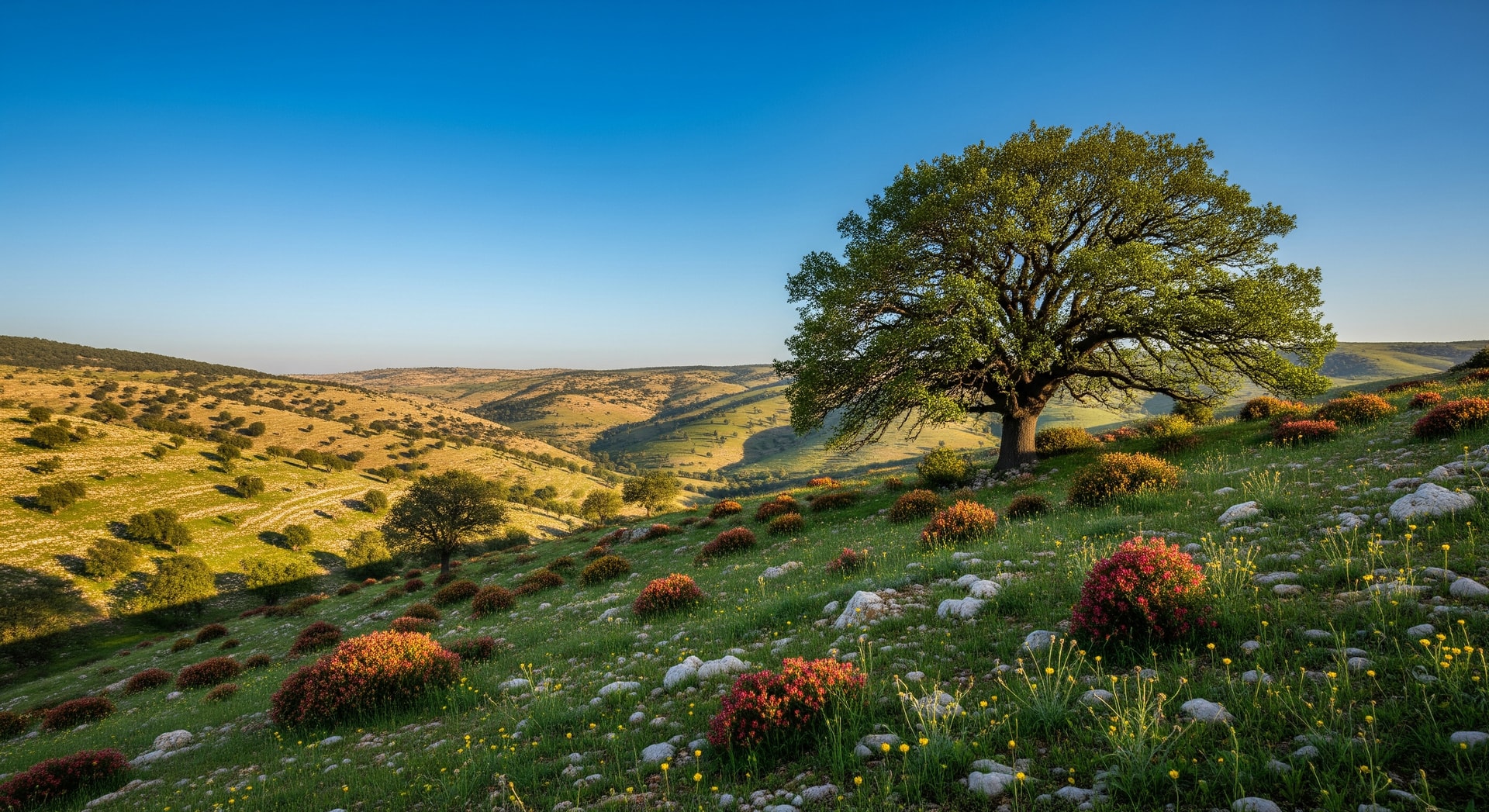
Yarmouk Forest Reserve is positioning itself as a prime eco-tourism destination in 2026, with UNESCO Biosphere recognition, new trails, eco-lodges and conservation programmes.
Summary: Yarmouk Forest Reserve in northern Jordan is emerging as a top eco-tourism destination in 2026. The 21 km² reserve, now recognised as a UNESCO Biosphere Reserve, offers new trails, wildlife viewing, eco-lodges and cultural experiences near Umm Qais and Ajloun.
Yarmouk Forest Reserve, nestled in the green hills of northern Jordan close to the ancient town of Umm Qais, is gaining momentum as a must-visit eco-destination in 2026. The reserve provides sweeping views toward the Sea of Galilee and the Golan Heights and is drawing travellers who prioritise conservation-minded outdoor experiences.
UNESCO recognition and place in Jordan's eco-tourism push
Spanning 21 km², Yarmouk Forest Reserve has attracted new international attention after being included in the UNESCO Biosphere Reserve programme. That status, combined with national initiatives, is helping position the reserve as one of Jordan’s prominent eco-tourism hubs for 2026.
Jordan’s Ministry of Tourism and Antiquities has stepped up efforts to promote lesser-known natural areas such as Yarmouk. Investment in basic infrastructure, alongside the development of low-impact accommodation options, is intended to make the site more accessible to international visitors while limiting environmental strain.
Wildlife, trails and outdoor activities
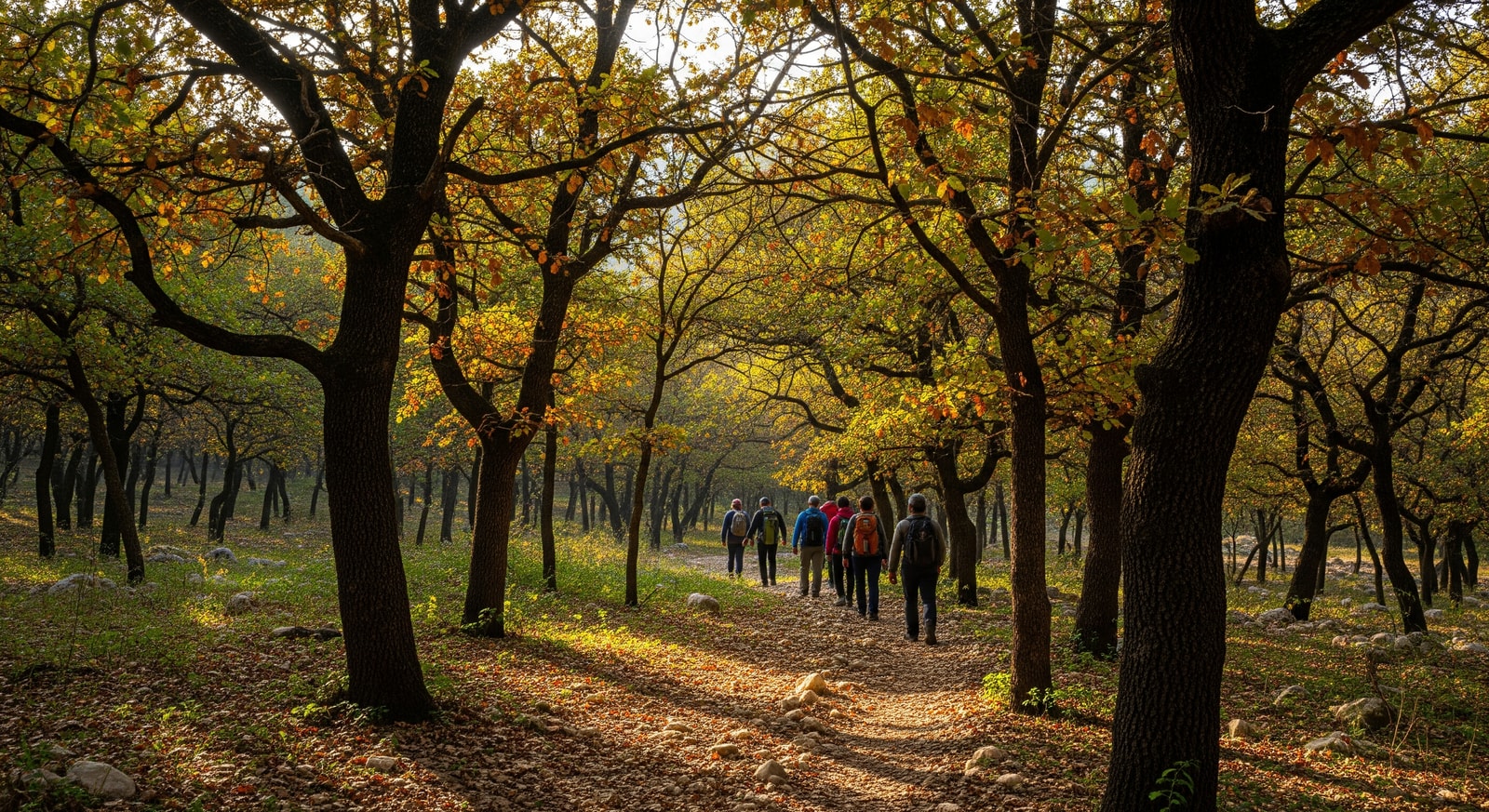
The reserve’s oak woodlands, river valleys and varied terrain shelter wildlife including gazelles, wild boars and birds of prey. These habitats make Yarmouk attractive for hikers, wildlife observers and birdwatchers, particularly during spring and autumn migration periods.
- Al-Hreith Trail: popular 2-hour walk through oak groves
- Muntamra Valley Trail: more demanding 3-4 hour route across rugged terrain
- Birdwatching: migrant species and raptors visible in spring and autumn
For travellers interested in conservation, the reserve management runs educational workshops and wildlife monitoring initiatives that allow visitors to engage directly with preservation activities while learning about local ecosystems.
Sustainable accommodation and low-impact stays
Accommodation options near the reserve have been developed with sustainability in mind. Yarmouk Lodge is highlighted for its eco-friendly approach, incorporating solar energy and water-conservation measures while offering simple rooms and panoramic views of the hills.
Visitors seeking an immersive outdoor experience can also choose from several maintained campsites inside the reserve. These sites are designed to keep a low environmental footprint while providing essential facilities for safety and comfort.
Access and practical information
Yarmouk is reachable from Amman by car in about two hours along scenic rural roads. Visitors can rent a vehicle or hire chauffeur services; because international tourism to the area is still limited, it's recommended to reserve accommodation and guided services in advance.
Culture and local engagement
Beyond its natural assets, Yarmouk offers cultural connections through nearby towns such as Umm Qais and Ajloun, where visitors can explore Roman ruins, olive groves and Bedouin traditions. Local communities run cooking classes, music events and artisan workshops that help sustain both cultural heritage and livelihoods.
Conservation impact and future outlook
As global travellers increasingly seek destinations that balance visitor experience with environmental stewardship, Yarmouk’s UNESCO recognition and targeted investments are expected to boost its profile. The aim is to grow tourism in ways that benefit ecosystems and local people while maintaining the reserve’s natural character.
What this means for travellers
So what? For travellers, Yarmouk Forest Reserve offers an opportunity to visit a relatively underexplored landscape that combines rewarding hikes, wildlife observation and cultural interaction — all within a framework of sustainability. Practical implications include booking ahead, choosing low-impact accommodation, and participating in guided or educational programmes that support conservation. For the travel industry, Yarmouk represents a model for developing tourism that prioritises ecological protection and community benefit.
Sources