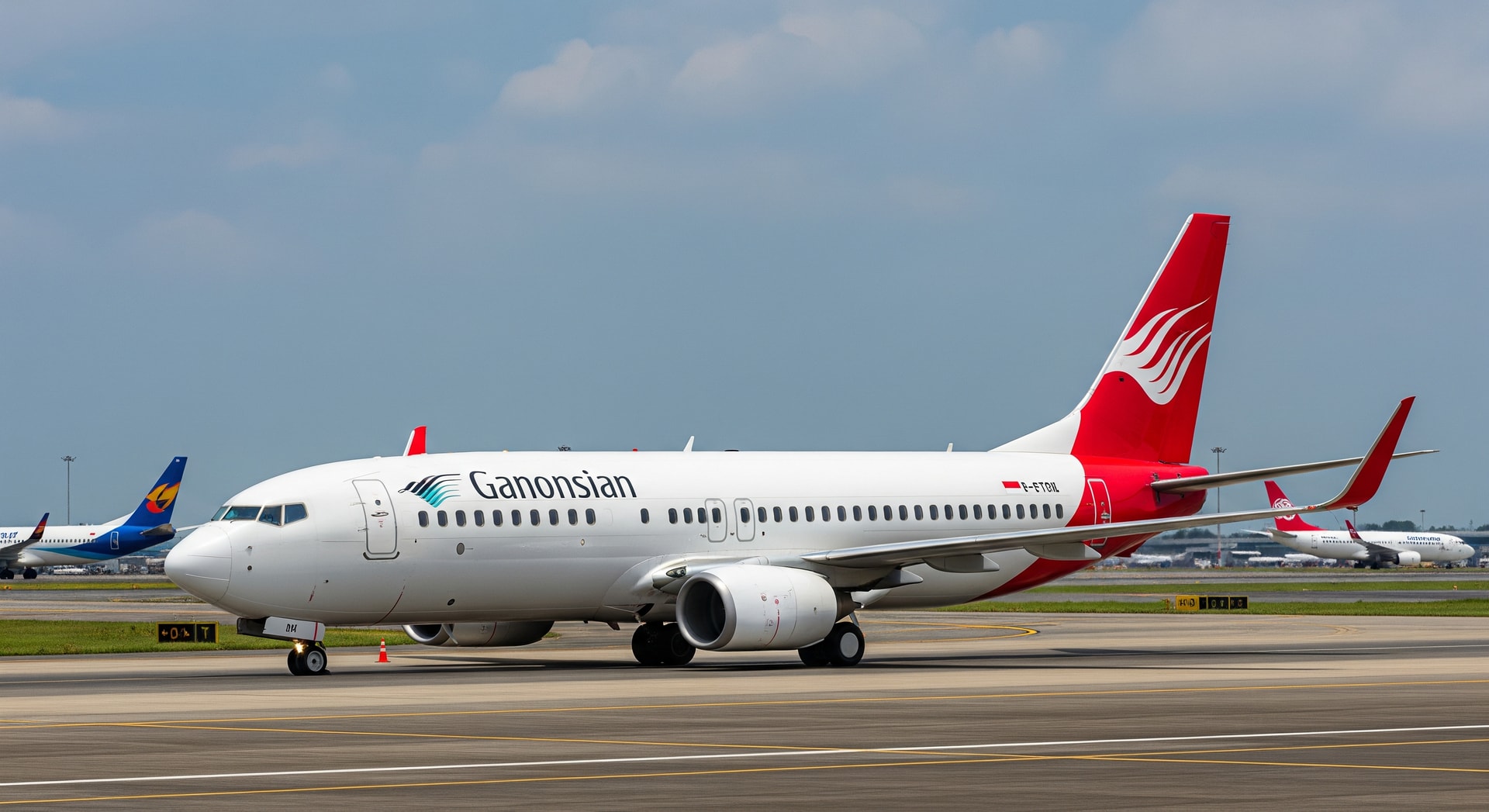
Indonesia aviation restructuring will see Garuda Indonesia become the parent of Citilink and Pelita Air in Q1 2026, a move designed to improve connectivity and efficiency for travellers.
Summary: Indonesia aviation restructuring will place Citilink and Pelita Air under a Garuda Indonesia-led holding in Q1 2026, aiming to streamline operations, cut internal competition and improve connectivity for domestic and international travellers.
Indonesia aviation restructuring will take a major step in the first quarter of 2026 when Citilink and Pelita Air are brought under a new holding company led by Garuda Indonesia. The transfer moves both carriers out of Pertamina’s oversight and places them within Garuda’s corporate structure to create a more coordinated state-owned airline group.
A new beginning for state-owned carriers
This reorganisation is more than a financial reshuffle: it is intended to realign Indonesia’s state-owned airlines to operate more efficiently and competitively. By integrating Citilink and Pelita Air under Garuda Indonesia’s leadership, the government aims to reduce overlap between carriers and present a clearer market segmentation across services.
How the holding company will be structured
Under the planned arrangement, Garuda Indonesia will function as the full-service, international-facing carrier. Citilink will continue as the budget option, while Pelita Air will occupy a hybrid or regional niche, serving routes that demand flexibility and regional connectivity.
- Garuda Indonesia: full-service carrier, leading the holding company
- Citilink: low-cost option for price-sensitive travellers
- Pelita Air: hybrid/regional operator focusing on less-served routes
Boosting tourism and domestic connectivity
Officials and industry observers expect the consolidation to make travel across Indonesia’s archipelago more reliable and affordable. With a clearer division of roles among carriers, routes can be planned to improve access to popular and remote destinations alike, supporting both leisure and business travel.
- Improved connectivity to islands and secondary cities, easing travel to places like Labuan Bajo and Ubud
- More budget-friendly options through Citilink for routes such as Jakarta–Surabaya
- Regional services by Pelita Air to expand access to Makassar, Manado and other less-visited areas
- Better-coordinated international services via Garuda to hubs like Singapore, Kuala Lumpur, Sydney and Tokyo

Building a stronger, more resilient network
By reducing internal competition among state-owned carriers, the new holding structure should allow Garuda to focus on fleet optimisation, route planning and operational stability. The anticipated outcome is a more dependable system with fewer service disruptions and improved coordination for connecting flights across the network.
This realignment also aims to strengthen the country's position in the regional aviation market. Consolidated resources and a clearer commercial strategy could make Indonesia a more attractive destination for international visitors and investors in tourism infrastructure.
What this means for travellers
For passengers, the consolidation should translate into simpler choices when booking, more consistent connections, and an expanded mix of affordable and premium services. Destinations that rely on air links—Bali, Jakarta, Yogyakarta, Lombok, Sumatra and Sulawesi—are likely to see improved frequency and route options.
So what? Travelers can expect easier itineraries, potentially lower fares on domestic routes, and better access to Indonesia’s remote attractions as the carriers coordinate schedules and capacities across the network. For the travel industry, the move signals a strategic push to make Indonesia more competitive within Southeast Asia’s aviation market.
Sources