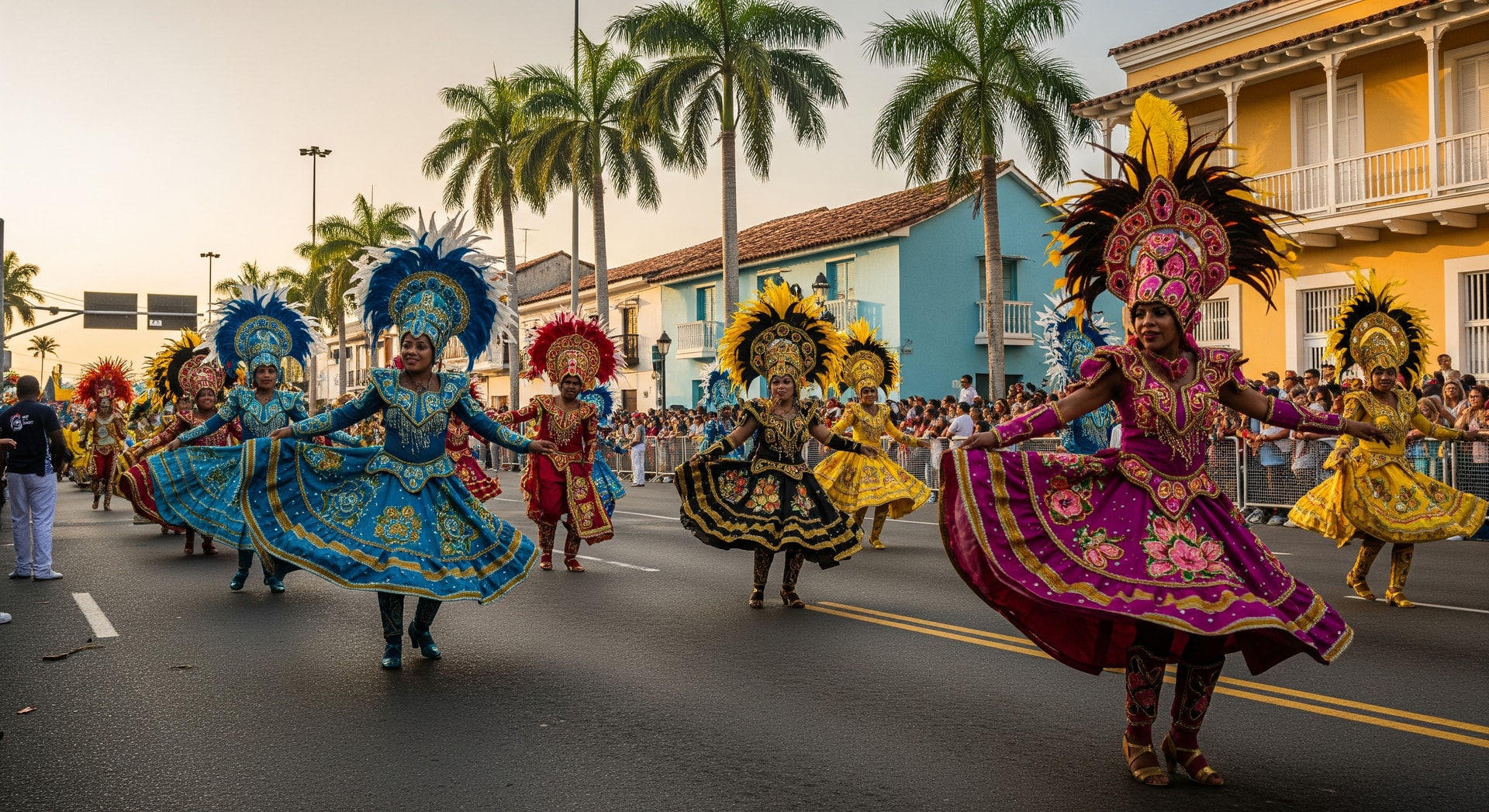
The Barranquilla Carnival showcases traditional dances like Cumbia, Mapalé and Porro—making the Barranquilla Carnival an essential cultural experience for visitors to Colombia's Caribbean coast.
Summary: The Barranquilla Carnival (held annually from February 14 to February 17) is a cornerstone of Colombia’s Caribbean culture. Its traditional dances—Cumbia, Mapalé, Porro, Fandango and Chande—reflect African, Spanish and indigenous roots and draw large numbers of local and international visitors.
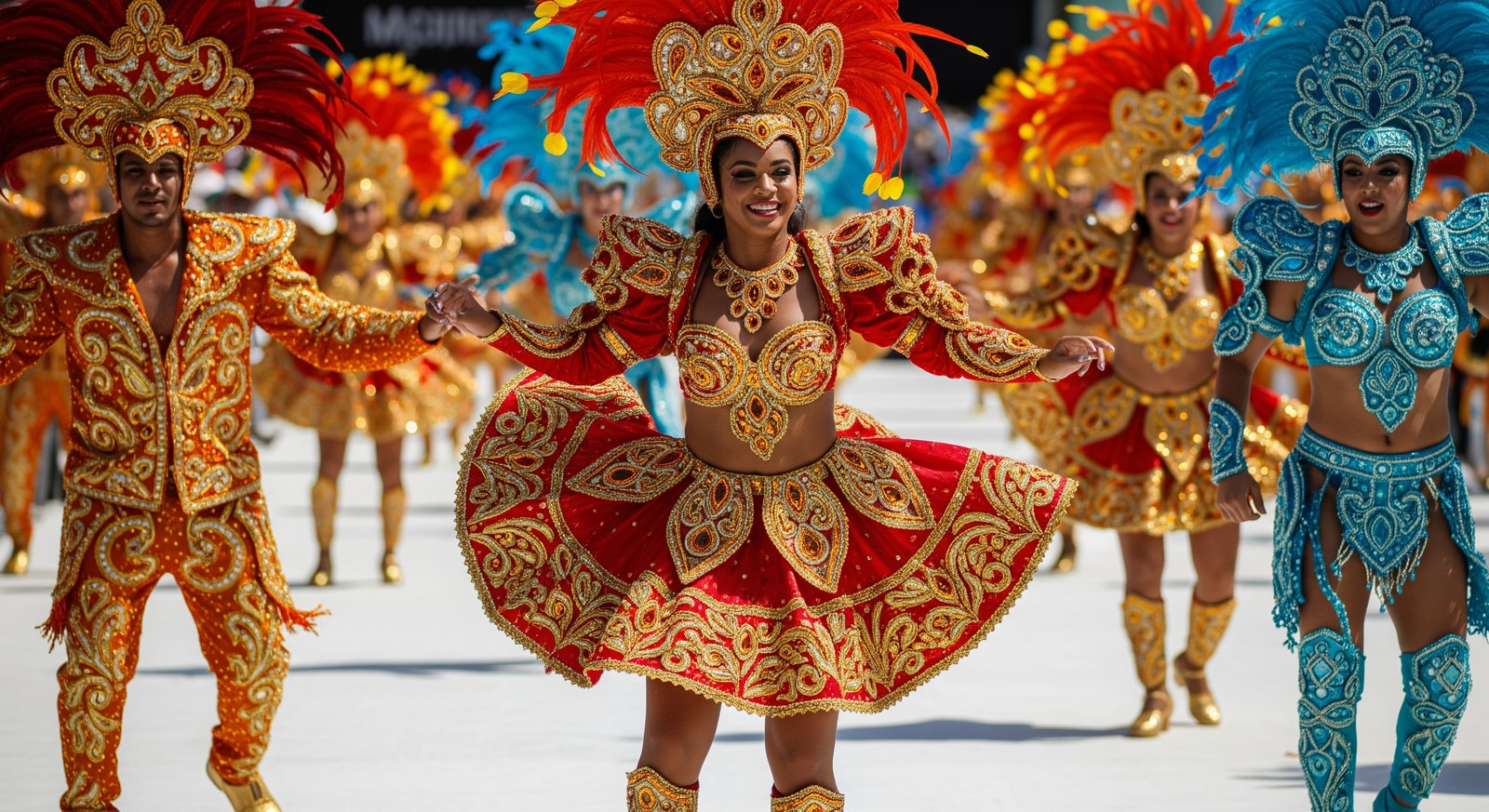
The Barranquilla Carnival is one of Colombia’s most vibrant cultural celebrations, held each year between February 14 and February 17. The Barranquilla Carnival is renowned for its dramatic parades and for showcasing traditional dances that embody the Caribbean region’s mixed African, Spanish and indigenous heritage.
A living cultural fusion
The carnival’s performances are more than entertainment: they are generational practices that preserve and reinterpret the region’s history. Dances performed in the parades demonstrate how African rhythms, Spanish steps and indigenous motifs combined over centuries to form the distinct cultural expression seen in Barranquilla today.
Five traditional dances to look for
The carnival features a range of dances, each with its own history and style. Below are the five most iconic forms visitors can expect to see during parades and street performances.
Cumbia: The carnival’s heartbeat
Cumbia is widely regarded as the signature dance of the Barranquilla Carnival. Performed most often by couples, it blends African, indigenous and Spanish influences. Female dancers commonly twirl in long skirts while male partners mark the rhythm with maracas or drums. Cumbia originated along Colombia’s coasts and remains central to Caribbean carnival festivities.
Mapalé: Energy and ancestral memory
Mapalé traces its roots to African communities and is celebrated for its vigorous pace and percussion-driven music. Performers execute rapid hip and torso movements with bright costumes and sharp footwork. The dance evokes the resilience and vitality of those who brought these traditions to Colombia.
Porro: Brass-led revelry
Porro is a communal, celebratory dance often accompanied by brass bands and rhythms influenced by salsa. Originating in the Sabanas of the Caribbean region, Porro features lively footwork performed in groups and contributes a buoyant, festival atmosphere to carnival parades.
Fandango: Spanish elegance adapted
Fandango, with origins in Spain’s Andalusia, is performed as a poised couples’ dance at the carnival. The Colombian adaptation features refined footwork and expressive partner interaction, offering a contrast to higher-energy numbers and highlighting the Iberian influence in the region’s cultural mix.
Chande: Bright Afro-Colombian rhythms
Chande is an Afro-Colombian dance known for buoyant steps and layered percussion. Dancers often improvise spontaneous movements to drum-led rhythms, making the form an interactive and joyful element of carnival performances that honors African heritage while embracing contemporary interpretations.
- Dates: Annual festival held February 14–17
- Location: Barranquilla, Colombia’s Caribbean coast
- Main influences: African, Spanish and indigenous traditions
- Key dances: Cumbia, Mapalé, Porro, Fandango, Chande
How the carnival supports tourism
Beyond the performances, the Barranquilla Carnival is a major draw for cultural tourism, attracting both local and international visitors. The festival generates increased demand for hotels, restaurants and tours, providing an economic boost for businesses across the city during the carnival period.
For travelers, the carnival offers an immersive way to connect with Colombia’s Caribbean identity—through music, costume and communal celebration—while providing opportunities to explore local gastronomy and heritage attractions.
What this means for travelers
So what? Attending the Barranquilla Carnival gives visitors a direct encounter with Colombia’s blended cultural history. Travelers who time their visit between February 14 and 17 can witness heritage dances performed in context, enjoy lively street scenes, and support local businesses benefiting from the festival’s influx of visitors.
Sources