Adventure Canada has unveiled a slate of 2026 Arctic expedition cruises designed to expand access to remote Greenland and the Canadian Arctic while prioritizing sustainable operations.
Summary: Adventure Canada’s expanded 2026 program adds new vessels and itineraries to increase access to remote Greenland and the Canadian Arctic while emphasising sustainable, community-focused tourism.
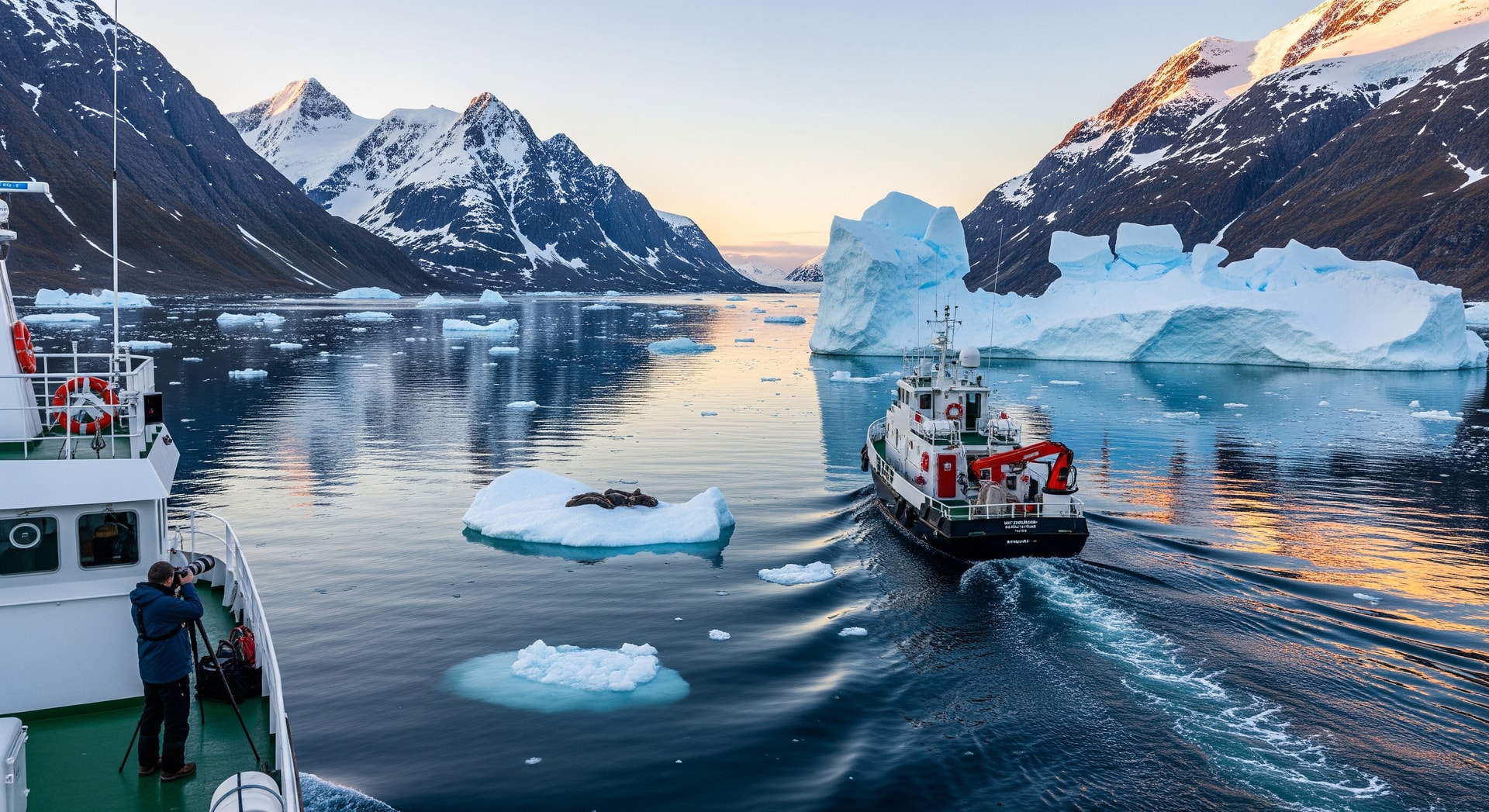
Adventure Canada has announced a broadened 2026 expedition schedule featuring new small-ship voyages intended to grow Arctic tourism. The programme’s Arctic expedition cruises will visit remote fjords, national parks and Inuit communities in Greenland and the Canadian Arctic, with an emphasis on generating economic benefits for northern communities while managing environmental impacts.
New vessels elevate Arctic access
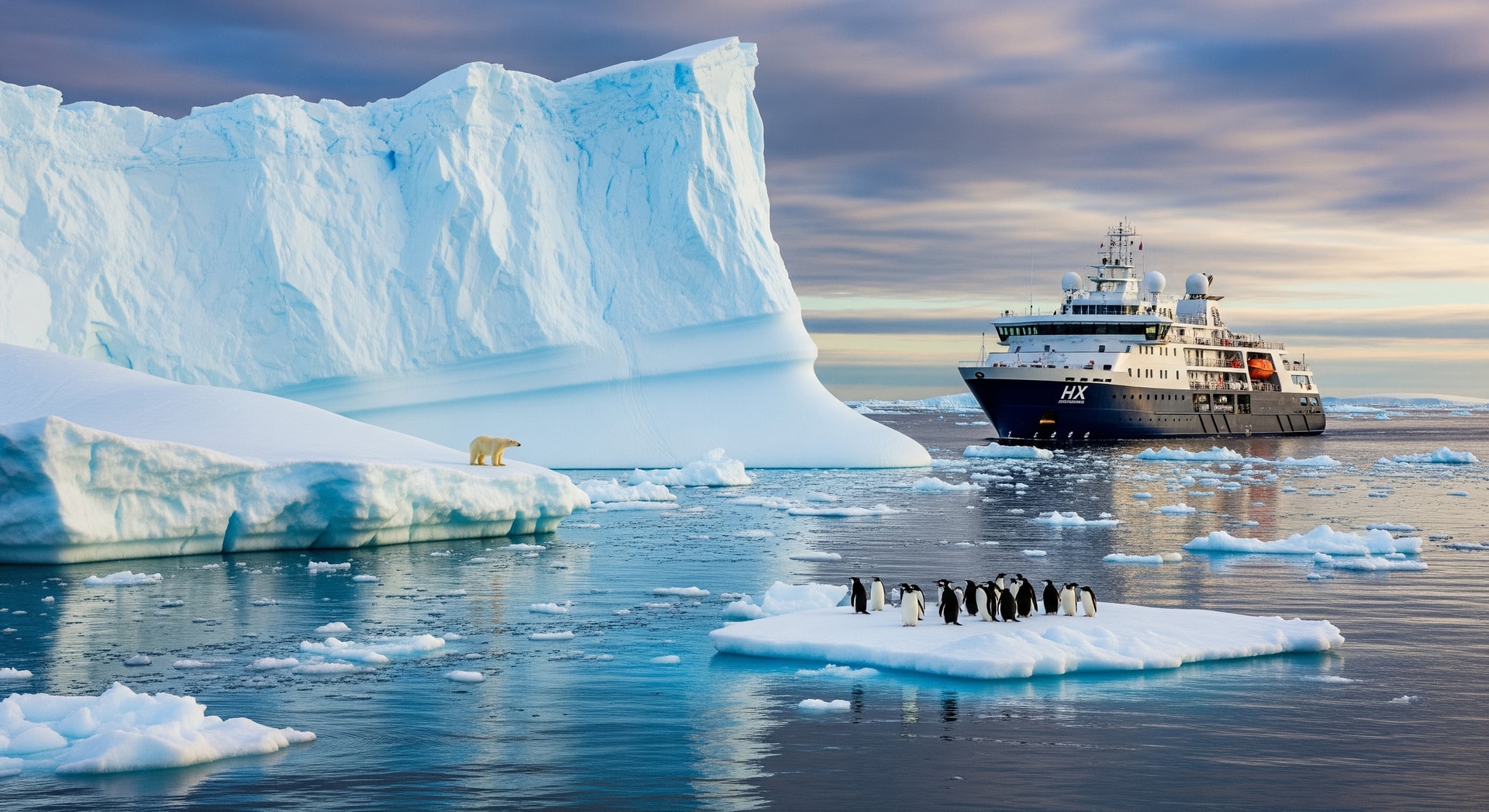
For 2026 Adventure Canada is adding Exploris One and Ocean Nova to its fleet to improve access across the region. Exploris One carries 144 guests and includes modern amenities such as private balconies and a fleet of zodiacs suited to navigating ice-filled waters. Ocean Nova, with space for 78 guests, is intended for more intimate expeditions in demanding conditions. The new ships are intended to expand voyage capacity, enable shore landings in protected areas and operate with lower carbon impacts compared with larger vessels.
Heart of the Arctic itinerary highlights
One featured offering is the Heart of the Arctic voyage, scheduled for August 2–15, 2026. The route departs Kangerlussuaq, Greenland, crosses the Arctic Circle and continues into Canadian Arctic waters, calling at destinations that combine natural spectacle with cultural encounters.
- Kangerlussuaq (departure) and Nuuk for cultural immersion
- Ungava Bay for wildlife viewing
- Kinngait to visit art studios
- Frobisher Bay and Iqaluit via Hudson Strait to conclude the voyage
Partnerships and community benefits
The expanded program is designed to channel tourism spending into Arctic communities. Government of Nunavut collaborations with cruise operators aim to broaden local economic opportunities, and agreements with regional cruise associations include training initiatives such as Nalunaiqsijiit to prepare communities for visitor arrivals.
These partnerships are expected to create jobs in guiding, hospitality and related services, as well as opportunities in arts and crafts sales that help diversify local economies away from extractive industries.
Sustainable operations and protected areas
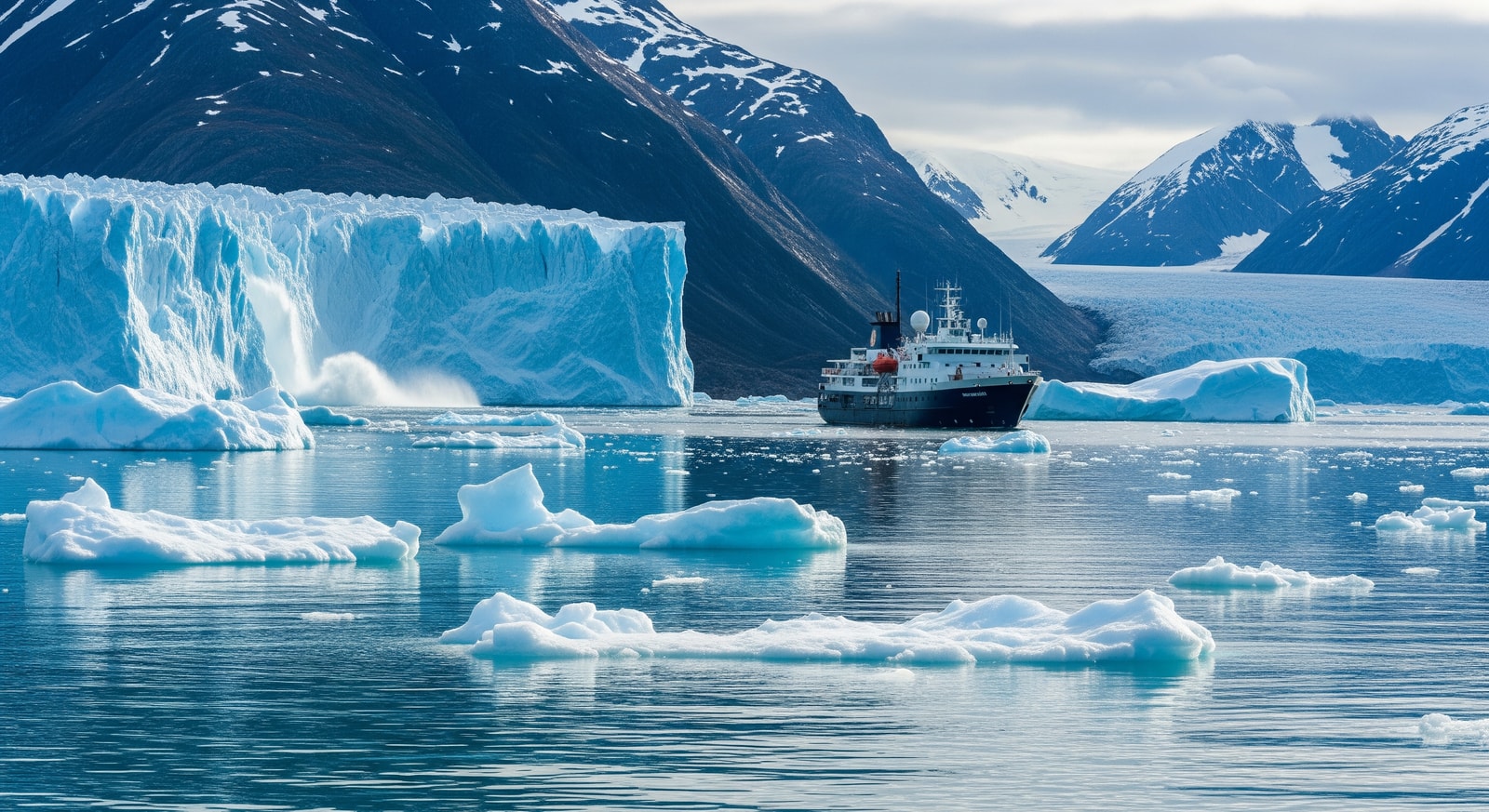
Adventure Canada emphasises low-impact practices to protect fragile Arctic environments. Operators plan to limit landing group sizes via zodiac access and follow guidelines from agencies such as Parks Canada to reduce disturbance. Parks Canada’s 2025–2026 plan aims to promote sustainable visitation and protect sites including Auyuittuq National Park, which sits near some Canadian Arctic routes.
- Operators adhere to Parks Canada guidelines in protected areas
- Zodiac landings limit group sizes to reduce site impact
- Nunavut’s Cruise Ready workshops prepare communities for visitors
Wider route expansion and economic strategy
Beyond Heart of the Arctic, Adventure Canada’s 2026 slate includes voyages such as Into the Northwest Passage that traverse Baffin Island to Greenland and visit UNESCO sites and marine conservation areas. Federal frameworks and investments guide development toward 2030, with the Government of Canada’s Northern Economic Development Agency prioritising tourism alongside resource sectors and directing funds for skills training and infrastructure through programs like the Arctic Infrastructure Fund.
Agencies such as CanNor are supporting tourism and arts initiatives to create immersive visitor experiences that emphasise local culture and conservation, positioning the Canadian Arctic as a mature expedition destination on par with other polar regions.
Why this matters: These expanded 2026 expedition cruises mean more travel options to Greenland and the Canadian Arctic, with operators and governments trying to balance visitor growth, community benefit and environmental protection. For travellers, that translates into more opportunities to visit remote fjords and cultural sites via smaller, purpose-built ships; for northern communities and the travel industry, the program could boost local economies and build tourism skills while stressing responsible management.
Sources