Southwest Airlines overhead bin policy change — moving crew storage rearward after assigned seating was introduced — has sparked union opposition and operational strains across the United States.
Summary: Southwest Airlines overhead bin policy change — relocation of crew storage combined with a switch to assigned seating — has caused friction between management and TWU Local 556, raising operational and safety concerns across the United States.
Operational changes at Southwest Airlines have generated internal tension as the carrier moves from open seating to assigned seats and shifts crew luggage storage toward the rear of many aircraft. The Southwest Airlines overhead bin policy alteration, intended to free space for passengers, has prompted pushback from flight attendants and their union.
From Open Seating to Assigned Seats
Southwest long built its brand on open seating, where passengers chose seats on boarding. The airline has replaced that system with assigned seating to make boarding more predictable and reduce passenger uncertainty.
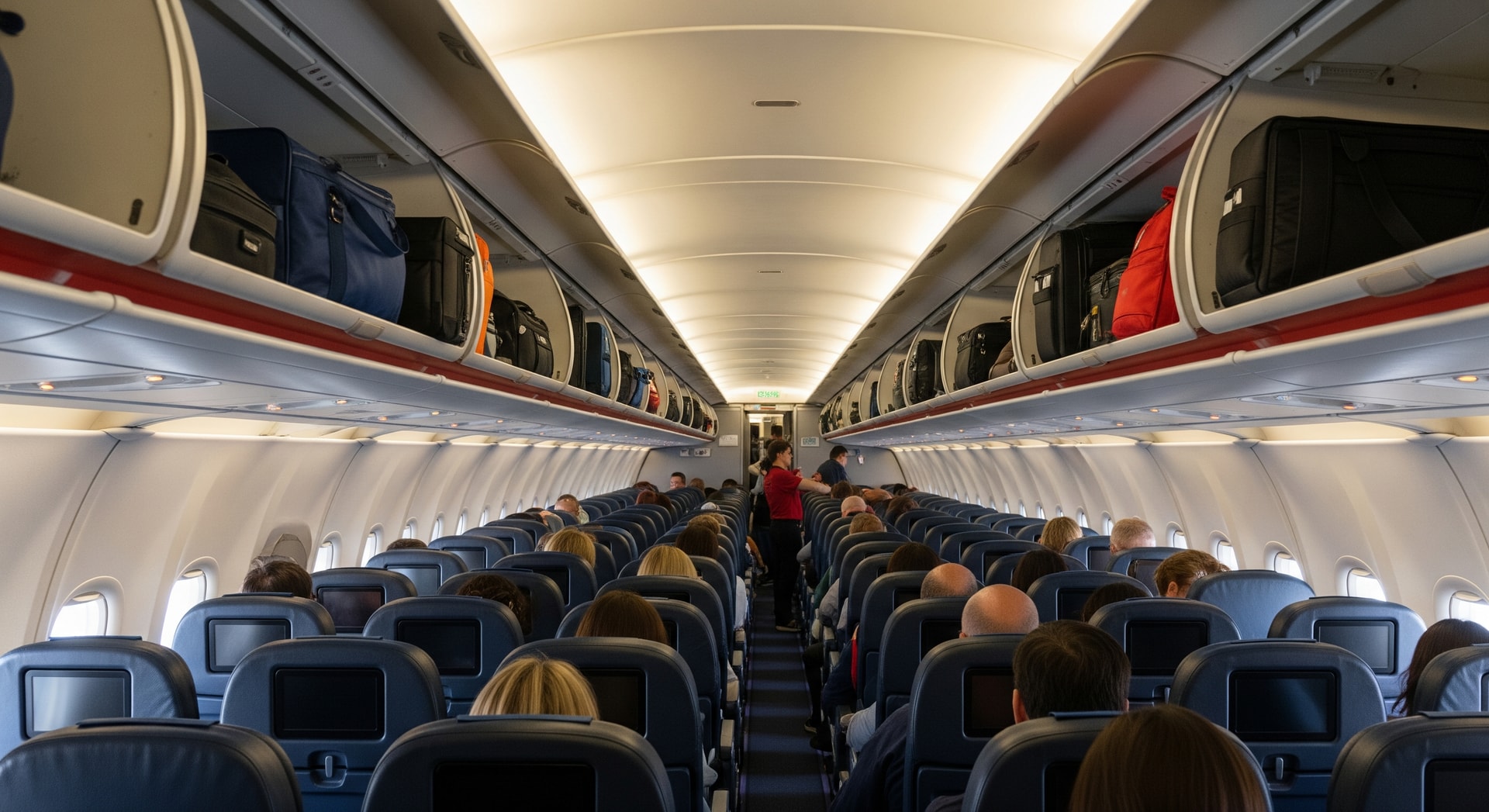
That change has had an operational side effect: passengers assigned to forward rows now board earlier, filling the forward overhead bins quickly and concentrating carry-on luggage toward the front of the cabin. Where open seating previously distributed bags more evenly, assigned seating is increasing bin congestion in specific sections.
Why Overhead Bins Became a Flashpoint
Many single-aisle aircraft still operate with traditional overhead storage capacity, and even where newer pivot bins exist, not all cabins have been retrofitted. Historically, Southwest flight attendants have used designated forward overhead bins as crew storage because many aircraft lack dedicated crew closets.
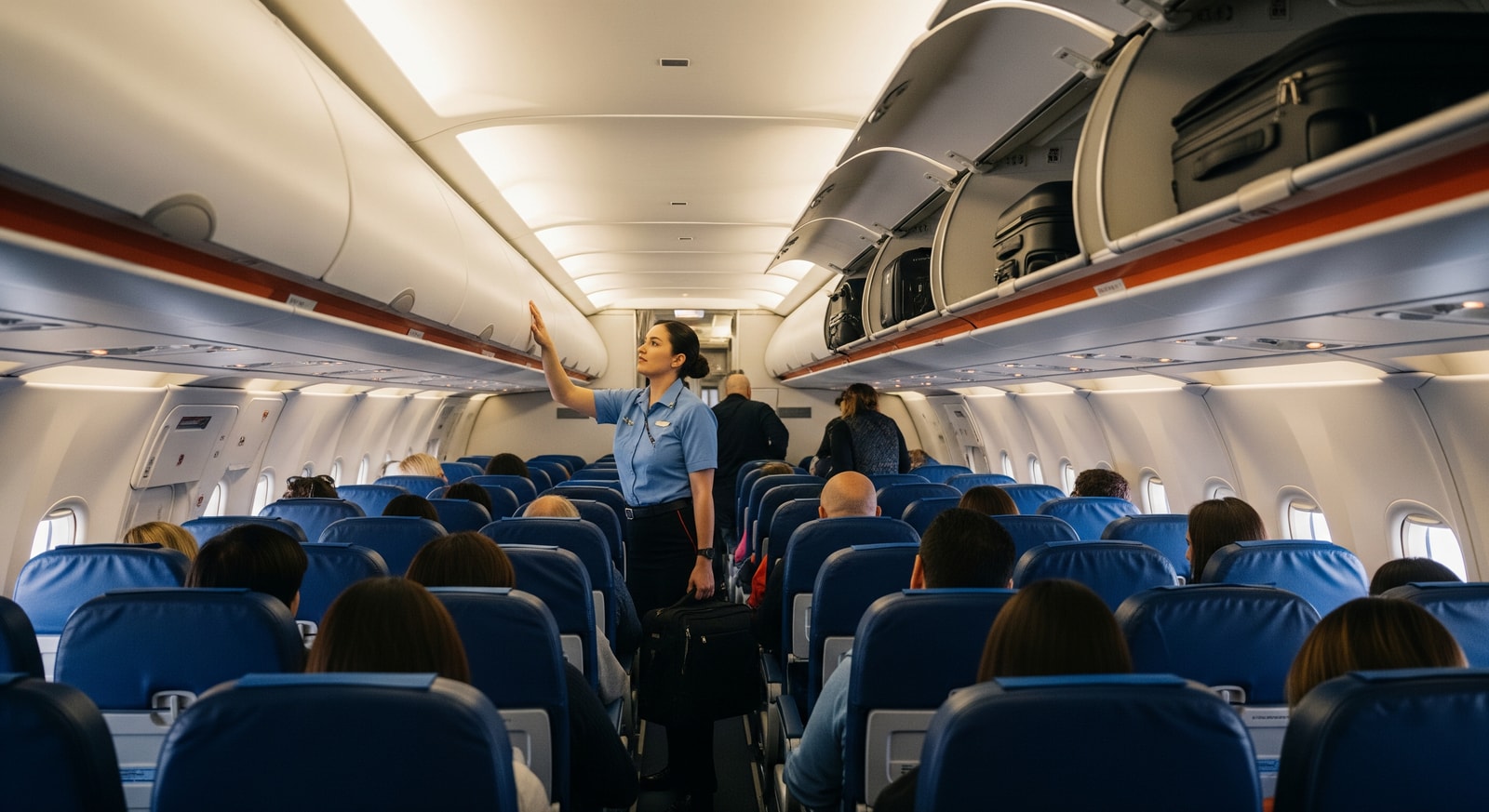
To address passenger complaints about limited bin space in forward rows, management moved the crew-only bins to the rear of the cabin. While intended to free premium forward storage for passengers, the relocation requires crew to move through busy aisles to access belongings, potentially interrupting boarding flows and safety oversight.
- Assigned seating leads to earlier boarding for forward-row passengers, filling forward bins faster
- Many Southwest aircraft lack dedicated crew luggage closets; crews rely on designated overhead bins
- Relocation of crew bins to the rear increases aisle movement for flight attendants during boarding and deplaning
Union Response and Suggested Alternatives
The Transport Workers Union Local 556 has strongly criticized the change, saying it was implemented without sufficient consultation. Union leaders argue the decision shifts unresolved baggage-management issues onto frontline staff rather than addressing root causes like bin capacity and boarding sequencing.
- Reposition crew bins near rows seven or eight instead of at the extreme rear
- Temporarily close selected bins during boarding to manage loading patterns
- Increase flexibility and use of gate-check procedures as short-term relief
Management, however, has proceeded with the current plan while indicating confidence in its broader strategy, leaving negotiations and operational adjustments ongoing.
Safety, Workflow and Practical Effects
Cabin crews perform tightly coordinated duties during boarding, monitoring compliance, assisting with luggage, and maintaining emergency readiness. Repeatedly moving against the boarding flow to access rear storage can slow workflows and reduce situational control, particularly on aircraft where crew bins are not lockable.
Southwest has said locking systems are planned for installation across its fleet, but many planes remain in transition. Until those upgrades are completed, crews may face additional enforcement and access challenges.
Industry Context and Looking Ahead
Airlines worldwide are grappling with growing demand for carry-on luggage and must balance passenger convenience with cabin constraints. Some carriers are retrofitting bins to hold bags wheels-first and increase capacity, but fleet-wide modifications take time and significant investment.
The situation at Southwest underscores how procedural shifts—even seemingly small cabin changes—can affect morale, efficiency, and safety oversight. Industry observers note that operational friction is common during major changes, and effective communication between management and unions will be key to resolving tensions.
What This Means for Travelers
Passengers may notice differences during boarding: forward rows could have less available overhead space, and gate-checking options may be used more frequently as the airline works to rebalance storage. Travelers should allow extra time for boarding during the adjustment period and consider packing a smaller carry-on if possible.
So what? The dispute over the Southwest Airlines overhead bin policy illustrates that operational changes designed to improve customer experience can have unintended consequences for crew workflows and safety procedures. For passengers, awareness and flexibility during boarding will help reduce friction; for the industry, the episode highlights the importance of aligning passenger-facing changes with frontline staff needs to maintain smooth operations.
Sources