El Paso airspace was temporarily closed after cartel-linked drones entered U.S. skies; U.S. military and the FAA neutralized the threat and flights resumed.
Summary: El Paso airspace was briefly closed after cartel-linked drones crossed into U.S. skies on February 10. U.S. military forces and the FAA took counter‑drone action, neutralized the threat, and lifted restrictions so commercial flights resumed within hours.
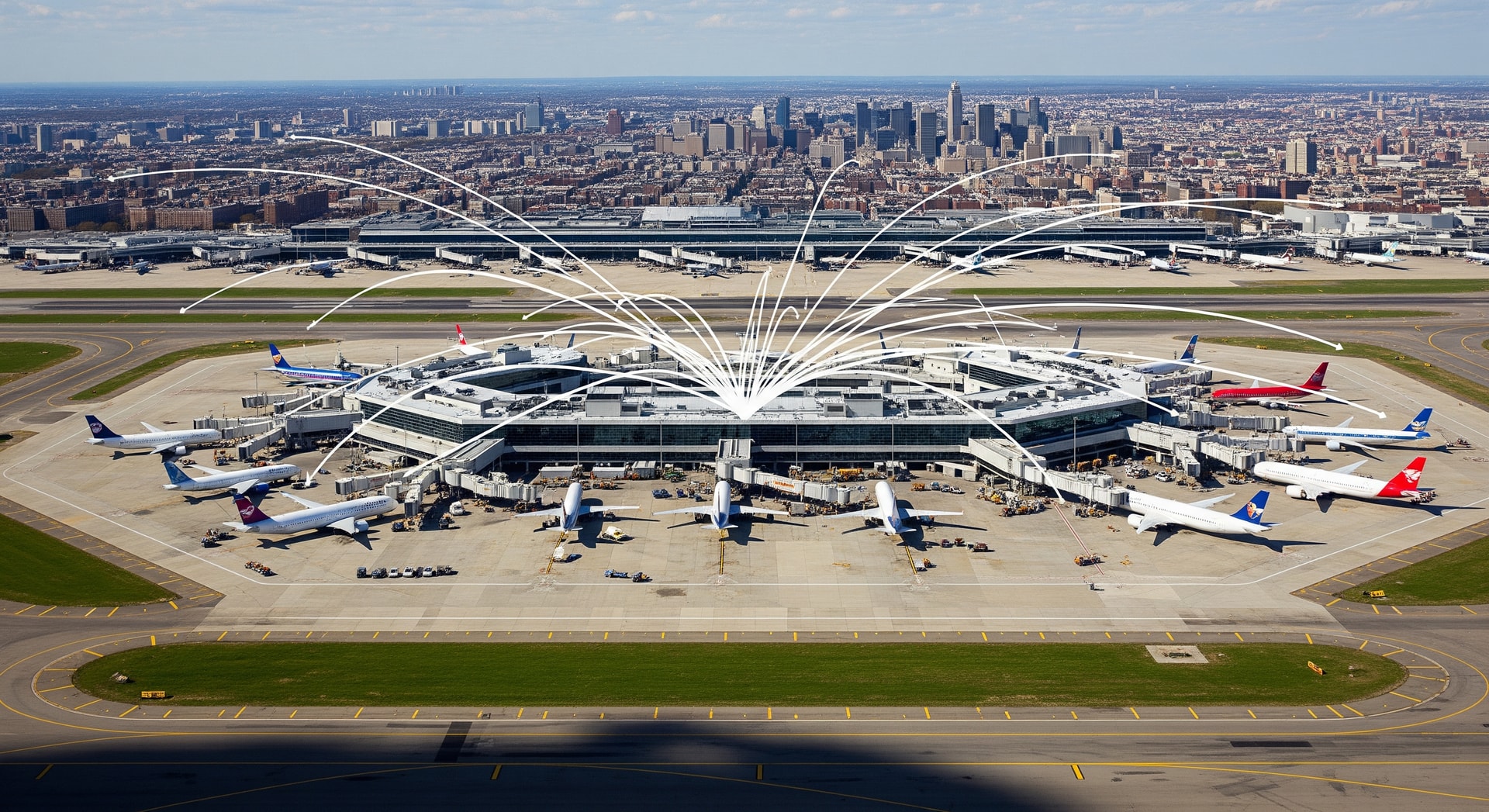
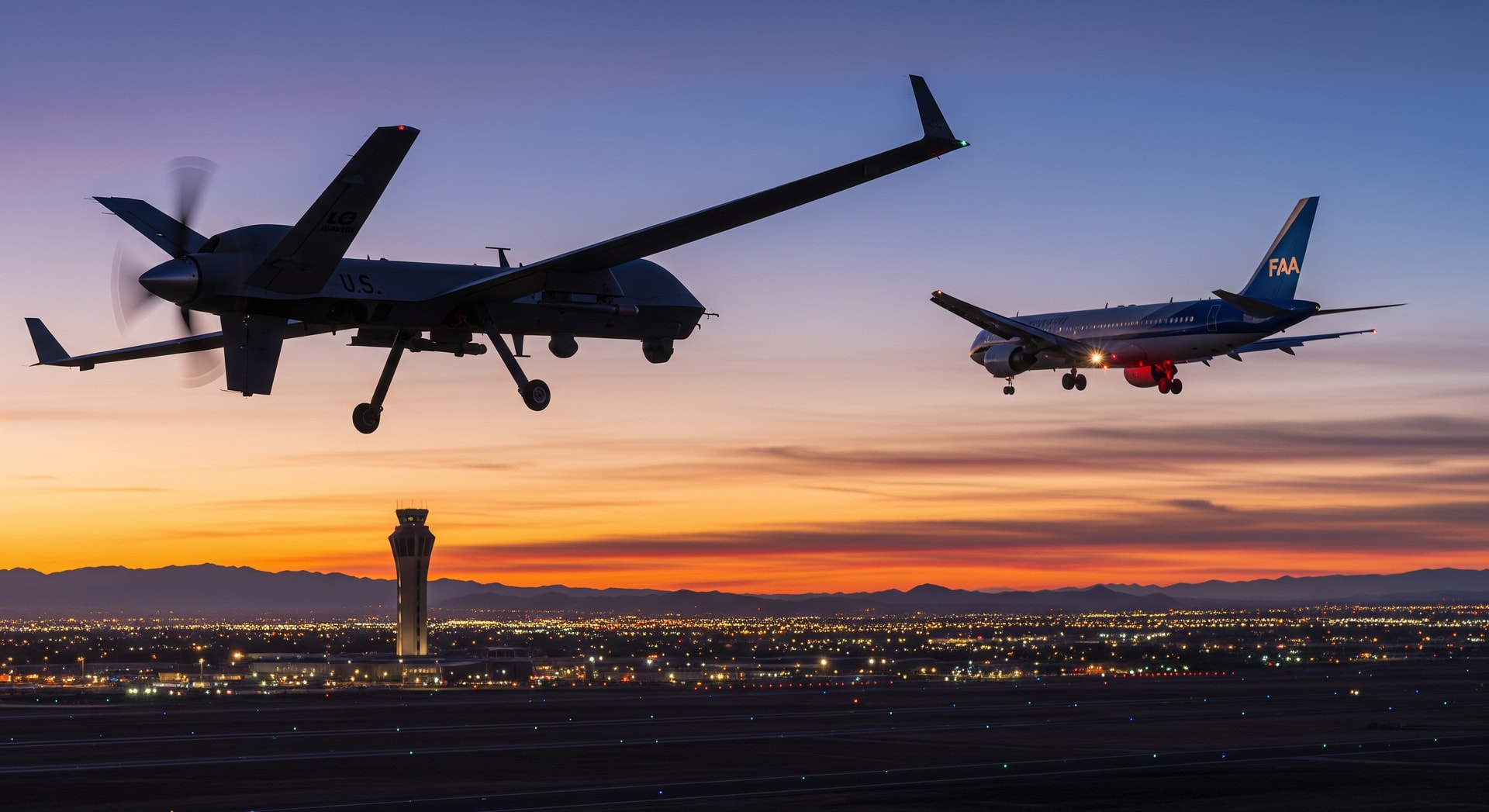
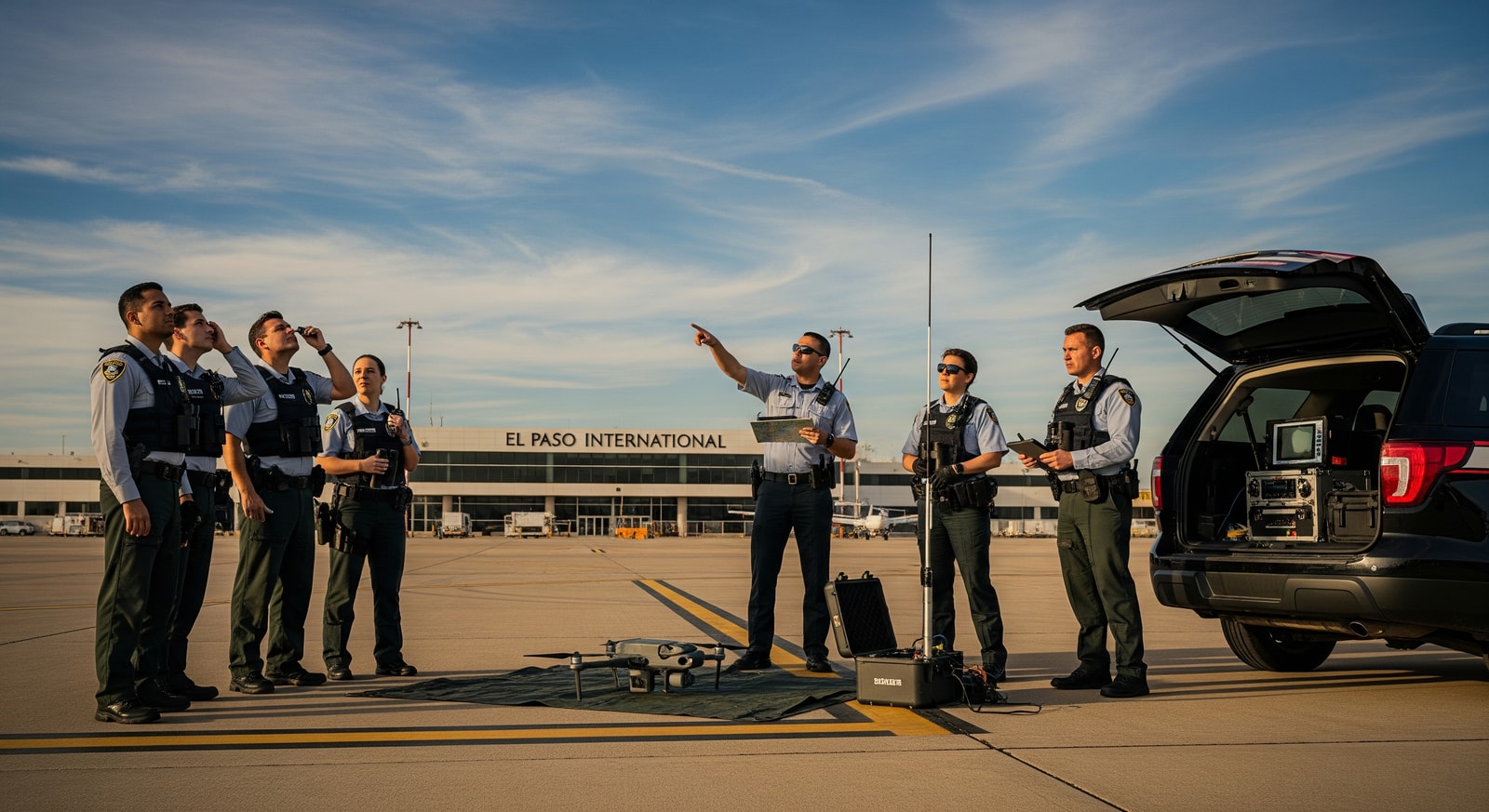
El Paso airspace was temporarily shut this week after multiple drones believed to be operated by Mexican cartels entered U.S. skies, triggering a rapid response from U.S. military units and the Federal Aviation Administration (FAA). The closure disrupted operations at El Paso International Airport and nearby airspace, but authorities disabled the drone threat and reopened the area within hours.
What happened: the drone breach and the FAA response
On the evening of February 10, FAA officials issued a temporary flight restriction (TFR) after several drones entered U.S. airspace near El Paso. The warning grounded aircraft in the affected region while military and FAA teams assessed and addressed the potential hazard to civilian flights.
- TFR issued on the evening of February 10
- Restricted area: 10-mile radius and up to 18,000 feet altitude
- Initial closure was expected to last up to 10 days
- Thousands of passengers were affected; over 40 flights disrupted
- No injuries or damage reported
U.S. military forces moved quickly to take counter‑drone measures. By early the following morning officials confirmed the devices had been neutralized and the FAA determined the airspace was no longer at risk. Restrictions were lifted and commercial services returned to regular schedules by mid‑morning.
Airport impacts and airline reactions
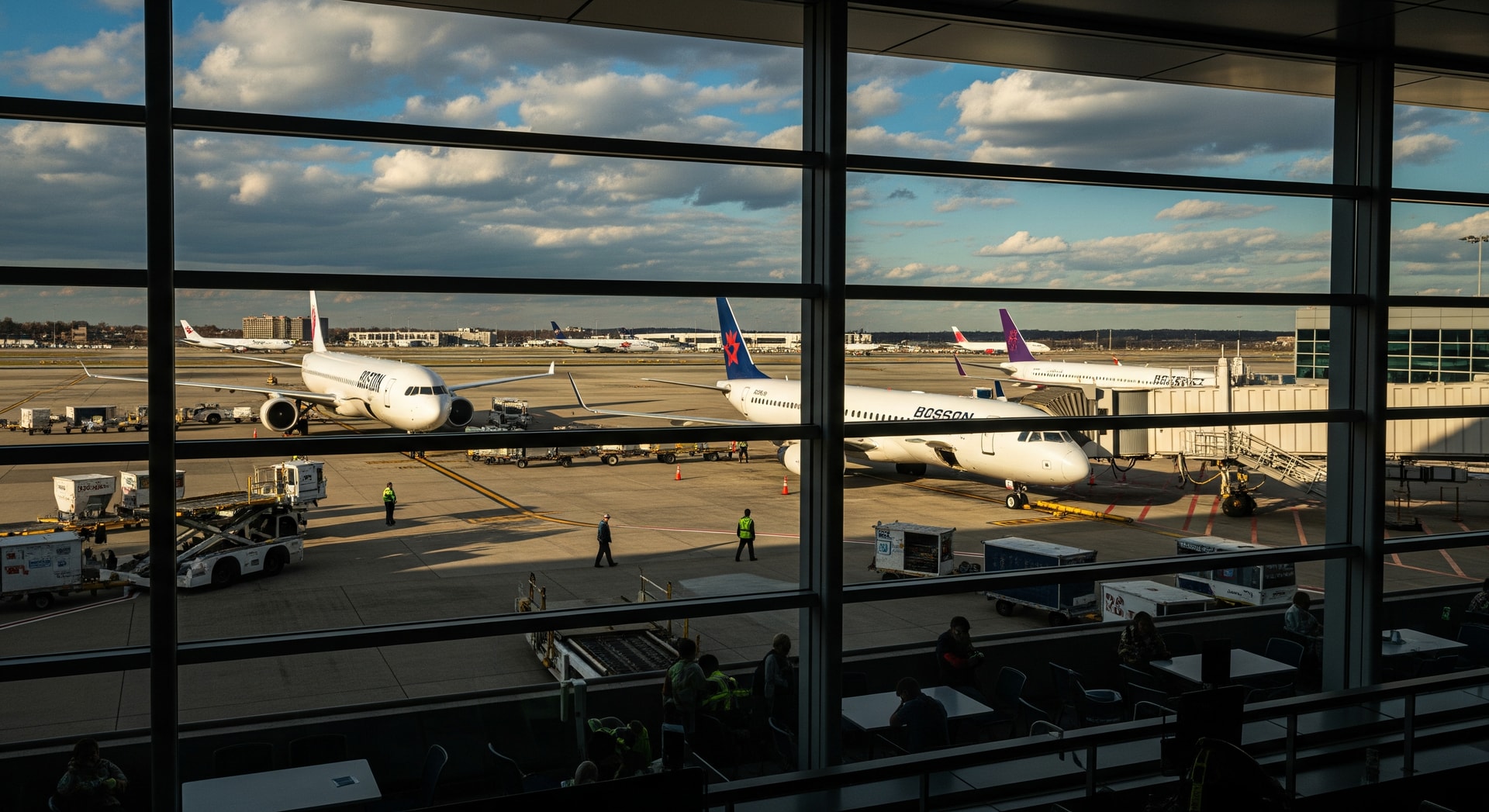
El Paso International Airport, positioned on the U.S.–Mexico border, was directly affected by the TFR. Airlines modified schedules, and passengers at the airport faced cancellations and delays as carriers worked to rebook travelers and offer refunds where appropriate.
- Airlines involved in adjustments included Southwest Airlines, American Airlines and United Airlines
- More than 40 flights were affected during the temporary closure
- Carriers provided rebooking options and refunds to impacted passengers
Local officials and federal statements
Transportation Secretary Sean Duffy confirmed authorities linked the incursion to criminal cartel activity. Local leaders sought clarity on communications around the closure; Rep. Veronica Escobar expressed concern about the lack of prior coordination between the FAA and local officials even as she acknowledged the federal response addressed the threat quickly.
Security implications and counter‑drone measures
The breach underscores increasing concerns about unmanned aerial systems being used by criminal groups along the border. Law enforcement and military agencies have stepped up monitoring of drone‑enabled smuggling, and experts say further deployment of counter‑drone technologies in sensitive areas will be necessary to protect aircraft and airports.
- Greater coordination expected between FAA and Department of Homeland Security
- Possible stricter rules on drones near airports and high‑security zones
- Increased use of counter‑drone systems in border regions
What this means for travelers
While the incident was resolved without injury or damage, it highlights how border regions can present additional risks that may affect travel plans. Foreign visitors, particularly Mexican nationals, are advised to monitor travel advisories and stay aware of potential disruptions near border airports.
Why this matters: The swift neutralization prevented a prolonged shutdown, but the episode illustrates a new threat vector for aviation from non‑state actors. For the travel industry and passengers alike, it signals a need for tightened drone regulations, improved interagency communication, and preparedness plans to reduce the impact of future incidents.
Sources