Boston Logan flight delays disrupted travel with 129 delays and 11 cancellations, stranding passengers and affecting local tourism.
Summary: Boston Logan International Airport experienced major disruption on 16 February 2026 with 129 flight delays and 11 cancellations affecting carriers including American Airlines, Delta and United. The interruptions have left many travellers waiting and created wider impacts for Boston’s tourism sector.
Boston Logan flight delays on 16 February 2026 created significant disruption across the airport, with authorities reporting 129 delayed departures and 11 cancellations. The majority of affected services were outbound, and major US carriers such as American Airlines, Delta and United reported a high number of impacted itineraries.
Scale of disruption at Logan Airport
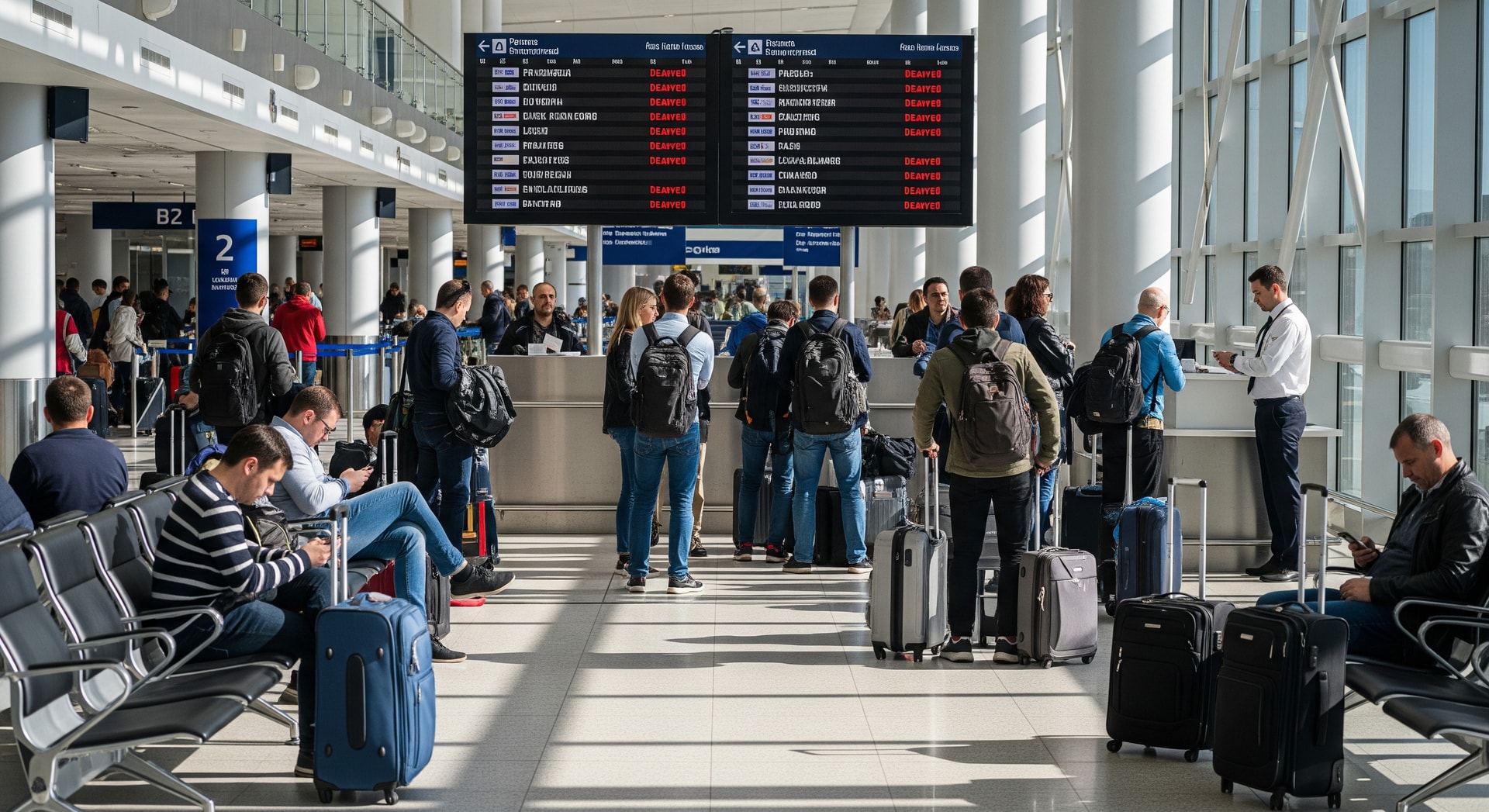
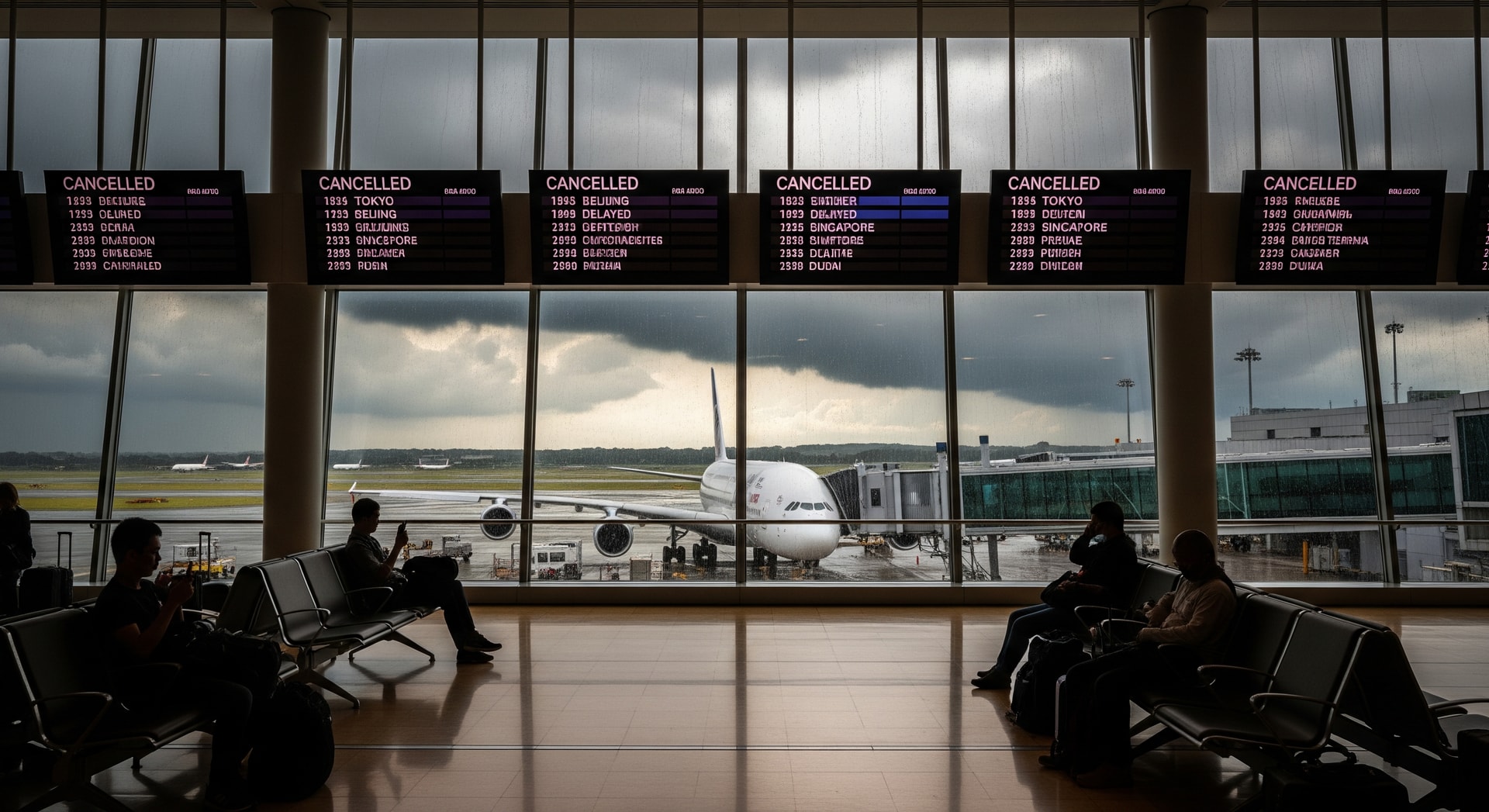
With 129 delays and 11 cancellations reported on a single day, the volume of disturbed flights at Logan is substantial. Many travellers faced prolonged waiting times, while cancellations left hundreds needing rebooking or alternative travel arrangements. The disruptions have also contributed to congestion in terminals and pressure on airport services.
- Total delays: 129
- Total cancellations: 11
- Major carriers affected: American Airlines, Delta, United
- Most disruptions involved outbound flights
Airlines and passenger impact
Passengers booked with the largest carriers at Logan reported the greatest inconvenience, including re-routing, long waits for replacement flights and increased demand at customer service desks. The higher-than-normal pressure on check-in, baggage and assistance counters contributed to overcrowding at several terminals.
Travelers are being advised to monitor their flight status via airline websites and Boston Logan’s official channels for real-time updates and instructions on rebooking or compensation options.
Effects on tourism and the local economy
Boston’s tourism-dependent economy felt the ripple effects of the airport disruption. The city, known for its historic sites, museums and conference activity, relies heavily on reliable air access to sustain hotels, restaurants, transport services and attractions. Widespread delays and cancellations can upset scheduled visits, meetings and events, reducing foot traffic and complicating plans for both leisure and business travellers.
- Hotels may see sudden demand from stranded passengers seeking rooms
- Restaurants and attractions risk lost bookings from delayed arrivals
- Tour operators and local transport providers must adapt to changed schedules
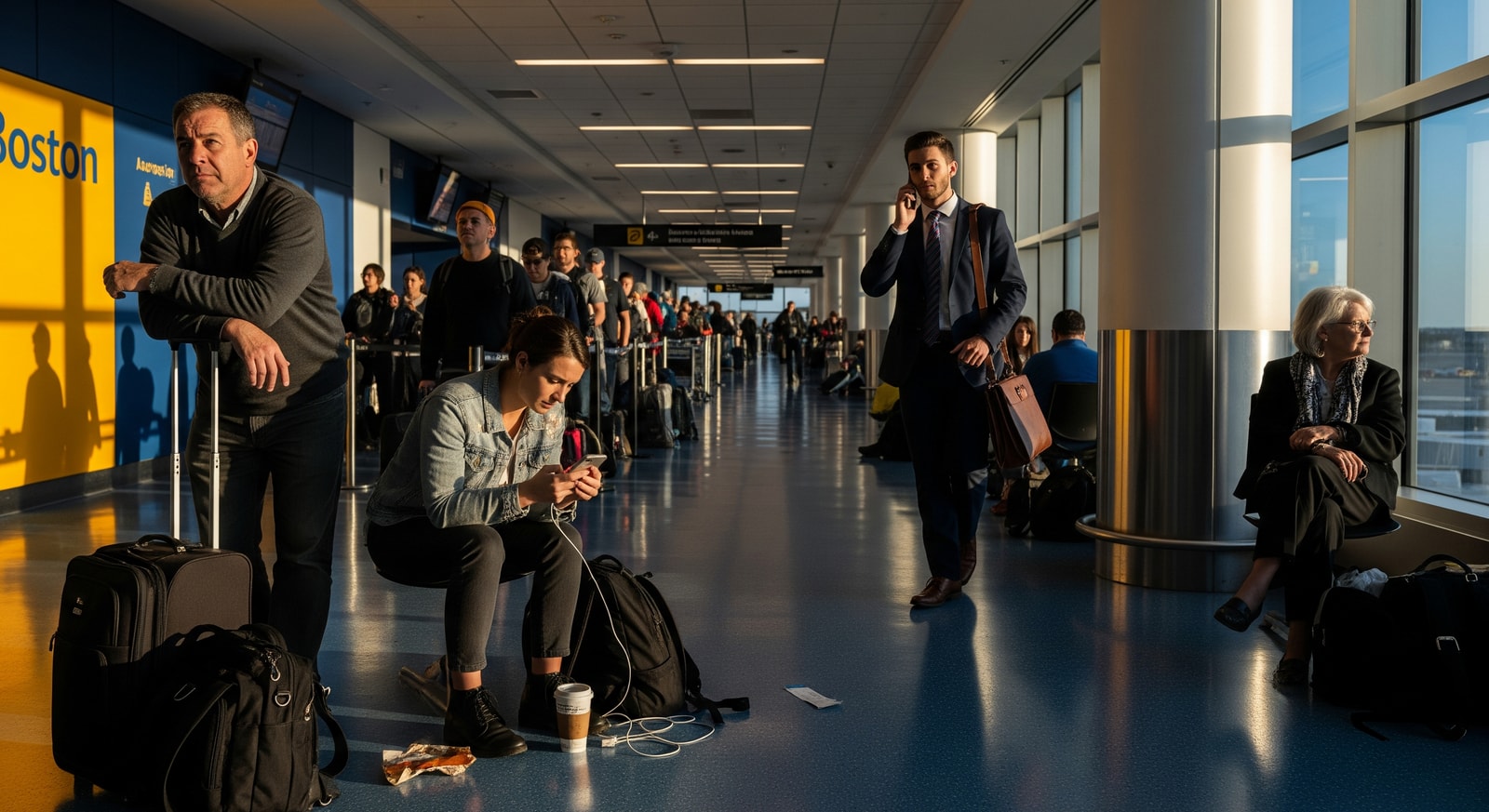
Passengers’ experience and airport operations
During significant disruption, common issues include extended queues at security and baggage claim, overwhelmed customer service desks, and last-minute cancellations without ample notice. These circumstances force travellers to find alternate flights or arrange overnight accommodation, often at short notice and expense.
Airport and airline channels, including FlightAware and carrier alerts, are providing the most current information. Travellers passing through Logan are encouraged to check these official sources and to have contingency plans ready when travelling during periods of instability.
Broader industry implications
Incidents like this highlight the importance of operational resilience and improved passenger communications across the aviation sector. For airports and airlines, minimizing knock-on effects requires better contingency planning, staffing flexibility and investment in customer-service resources to handle spikes in demand.
For travellers, the practical takeaway is to plan for delays: confirm flight status before departing for the airport, allow extra time for connections, and be prepared to seek assistance from official airline or airport channels if plans change.
Sources