The Biden airline fee disclosure rule has been vacated by the U.S. Court of Appeals for the Fifth Circuit, meaning airlines are no longer bound by a new federal requirement to show ancillary fees upfront during booking.
Summary: The U.S. Court of Appeals for the Fifth Circuit has vacated the Biden administration’s airline fee disclosure rule, which would have required airlines and ticket agents to show ancillary fees—such as baggage, seat selection, and change/cancellation charges—more clearly during booking. The court said the U.S. Department of Transportation did not follow required Administrative Procedure Act steps, leaving travelers without this new federal transparency mandate.
The Biden airline fee disclosure rule aimed at making flight pricing clearer for consumers has been struck down by a federal appeals court, a decision that affects travelers across the United States who want to avoid unexpected add-on charges when booking flights.
In New Orleans, the U.S. Court of Appeals for the Fifth Circuit vacated a U.S. Department of Transportation (DOT) regulation that would have required airlines and ticket agents to display additional charges—often called ancillary fees—more clearly during the booking process. With the rule removed, the court’s decision represents a reversal of a recent federal effort designed to reduce “junk fees” and give passengers a clearer view of the total cost of air travel.
What the DOT airline fee rule was designed to do
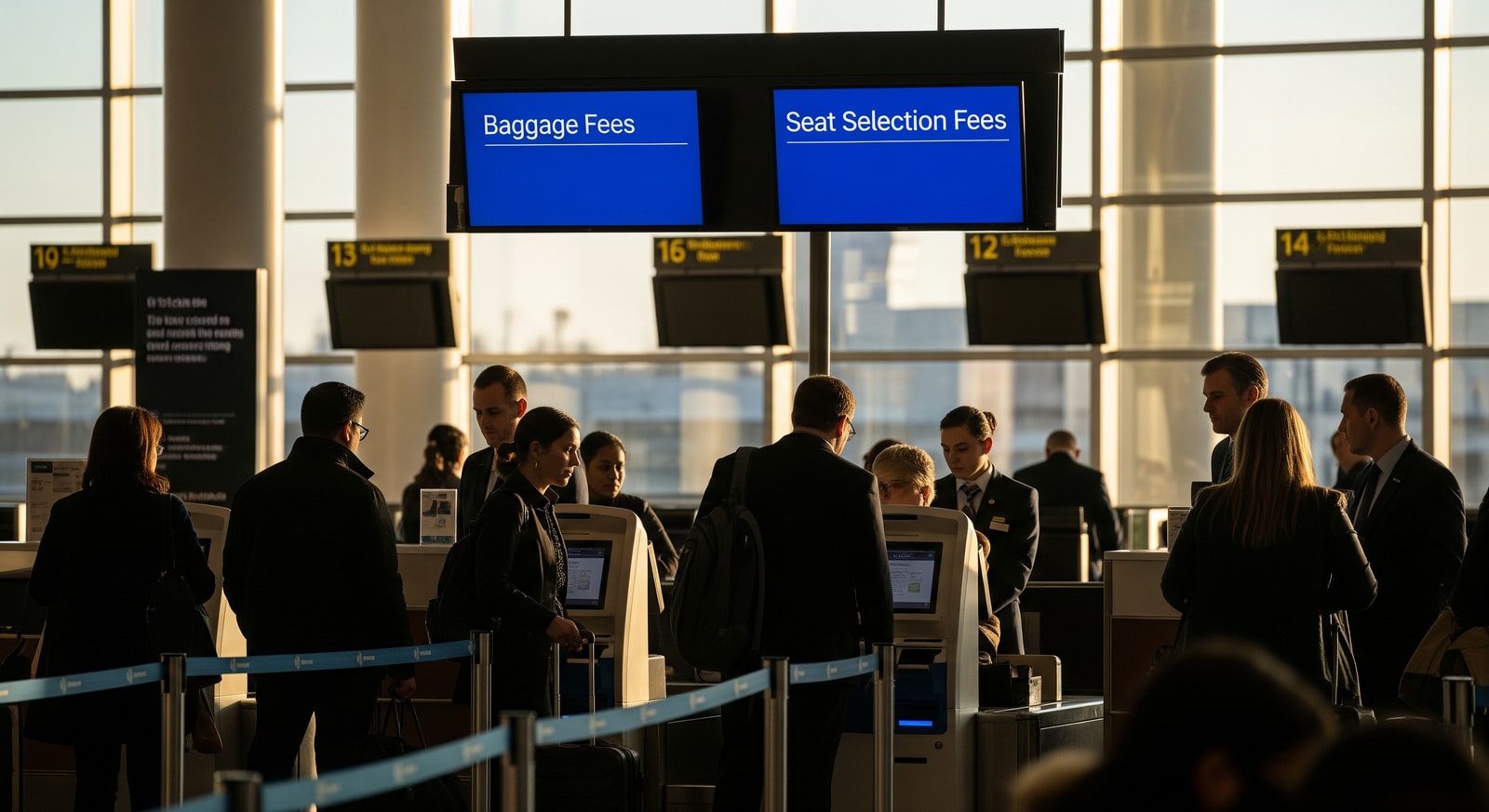
The regulation—formally titled Enhancing Transparency of Airline Ancillary Service Fees—was introduced in April 2024. It sought to require carriers and booking channels to present common add-on costs upfront, rather than leaving travelers to discover them later in the purchase flow or in separate disclosures.
- Checked baggage fees
- Carry-on charges
- Seat selection costs
- Cancellation or change fees
Supporters framed the rule as a consumer-protection measure that would make it easier to compare offers and understand the real price of a trip before clicking “buy.” DOT officials also argued that clearer pricing could save flyers hundreds of millions of dollars each year by reducing surprise expenses and improving comparison shopping.
Fifth Circuit vacates the rule under the Administrative Procedure Act
In an unsigned decision, the Fifth Circuit concluded that DOT did not meet key requirements of the Administrative Procedure Act (APA), the law that sets standards for how federal agencies create regulations. The court said the department failed to provide sufficient notice and opportunity for public comment on important data and studies used to justify the rule.
The outcome went further than an earlier decision from a three-judge panel in January 2025. At that time, the court had directed DOT to reopen the notice-and-comment process rather than eliminating the rule. In the later en banc review—where all active Fifth Circuit judges participated—the court vacated the regulation entirely, finding the procedural problems too significant for the rule to remain in effect.
Airlines and Airlines for America challenged the regulation
The lawsuit was filed in 2024 by major U.S. airlines—American Airlines, Delta Air Lines, United Airlines, JetBlue, and Alaska Airlines—along with the industry trade group Airlines for America. The challengers argued that federal law did not clearly authorize DOT to impose broad, prescriptive requirements for fee disclosures and that the rule would interfere with established booking and communication practices.
During oral arguments, the U.S. Department of Justice ultimately supported vacating the rule, aligning with the industry’s position that the regulation suffered from procedural shortcomings and potentially lacked statutory authorization.
Industry reaction and consumer concerns about hidden airline charges
Airlines and trade groups welcomed the decision, arguing that the rule would have imposed rigid requirements that did not match how carriers present pricing and fees through websites and apps. They also maintained that many airlines already provide fee information without additional mandates.
This decision underscores that regulatory overreach cannot stand when it disrupts established industry practices without clear statutory authority
Consumer advocates, however, criticized the ruling, warning that travelers may find it harder to understand the full cost of flying. Without a federal requirement to present a complete fee breakdown upfront, passengers may continue to face scattered disclosures and fine print when trying to compare options and estimate total trip costs.
What travelers should expect when booking flights in the US
For now, travelers should assume there is no new federal mandate requiring airlines to show all ancillary fees prominently at the start of the booking process. That means passengers may need to take extra care to review the total price, including add-ons like baggage and ticket changes, before finalizing a purchase.
The decision also signals the broader legal constraints agencies face when introducing consumer-protection rules. DOT could attempt to issue a revised version of the transparency regulation, but any future effort would need to closely follow APA procedures and would likely face renewed industry opposition.
Policy backdrop: shifting US aviation consumer protection priorities
The ruling comes during a period of change in U.S. aviation policy. The article notes that the Trump administration, which took office after the Biden era, has moved to rescind or scale back several airline consumer protections, including passenger compensation rules for carrier-caused delays. The Fifth Circuit’s decision fits within a wider pattern of skepticism toward regulations that courts view as lacking a solid procedural or statutory foundation.
Why this matters: For travelers, the vacatur of the Biden airline fee disclosure rule means the burden remains on passengers to identify potential add-on costs before purchase. When comparing fares—especially on tight budgets—carefully checking baggage rules, seat fees, and change/cancellation terms can be the difference between a good deal and a significantly higher final price.
Sources