Canada travel advisory updates now include Peru alongside Mexico, Trinidad and Tobago, Cuba, Italy, Morocco, and South Africa, as FIFA World Cup 2026 planning intensifies across North America.
Summary: Canada’s travel advisory list has been updated to include Peru alongside Mexico, Trinidad and Tobago, Cuba, Italy, Morocco, South Africa, and other destinations. The update comes as Canada prepares for FIFA World Cup 2026 and faces heightened attention on safety, border processes, and competitiveness with the US and Mexico for international visitors.
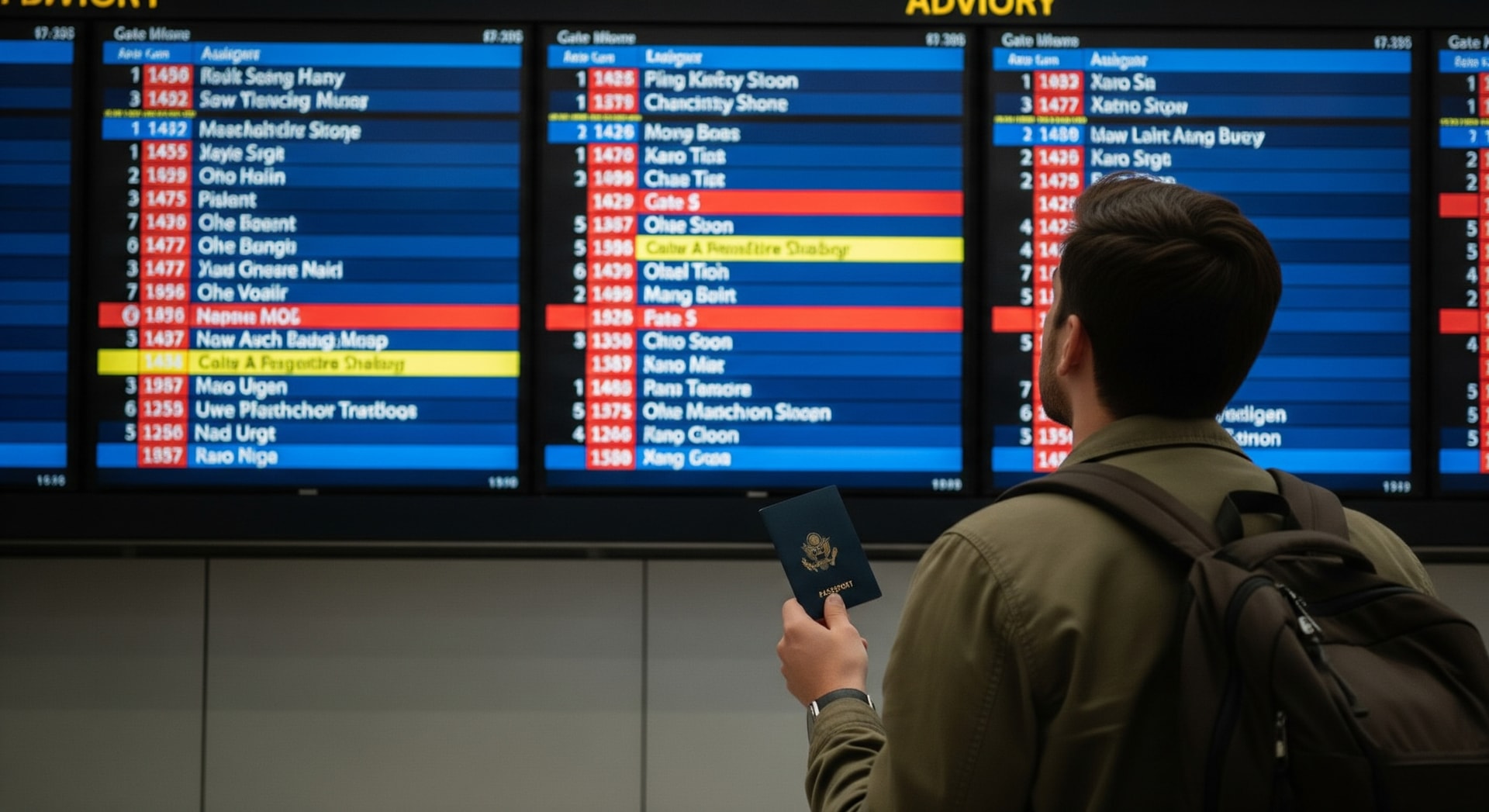
Canada travel advisory updates are drawing fresh attention from travelers after Peru was added to a list that also includes Mexico, Trinidad and Tobago, Cuba, Italy, Morocco, South Africa, and other countries. The changes are prompting questions about how travelers should assess security risks while planning trips—especially as Canada prepares to welcome visitors connected to the FIFA World Cup 2026.
The advisory update has also reignited discussion about North America’s broader tourism competition. With the United States and Mexico also co-hosting the tournament, Canada is positioning itself to attract international fans, but the evolving advisory landscape adds another layer to trip planning and destination marketing.
Canada travel advisory update and World Cup tourism pressure
As FIFA World Cup 2026 approaches, Canada, the US, and Mexico are all seeking to capture the attention—and spending—of global football fans. The advisory update is being discussed in that context, with the article framing it as a challenge for Canada to balance security concerns while still presenting itself as an appealing destination for international visitors.
The same reporting argues that Canada’s World Cup preparations are being compared directly with the US and Mexico, both of which have their own advantages in infrastructure, tourism scale, and established travel demand.
US travel challenges highlighted: visa delays, costs, and border checks
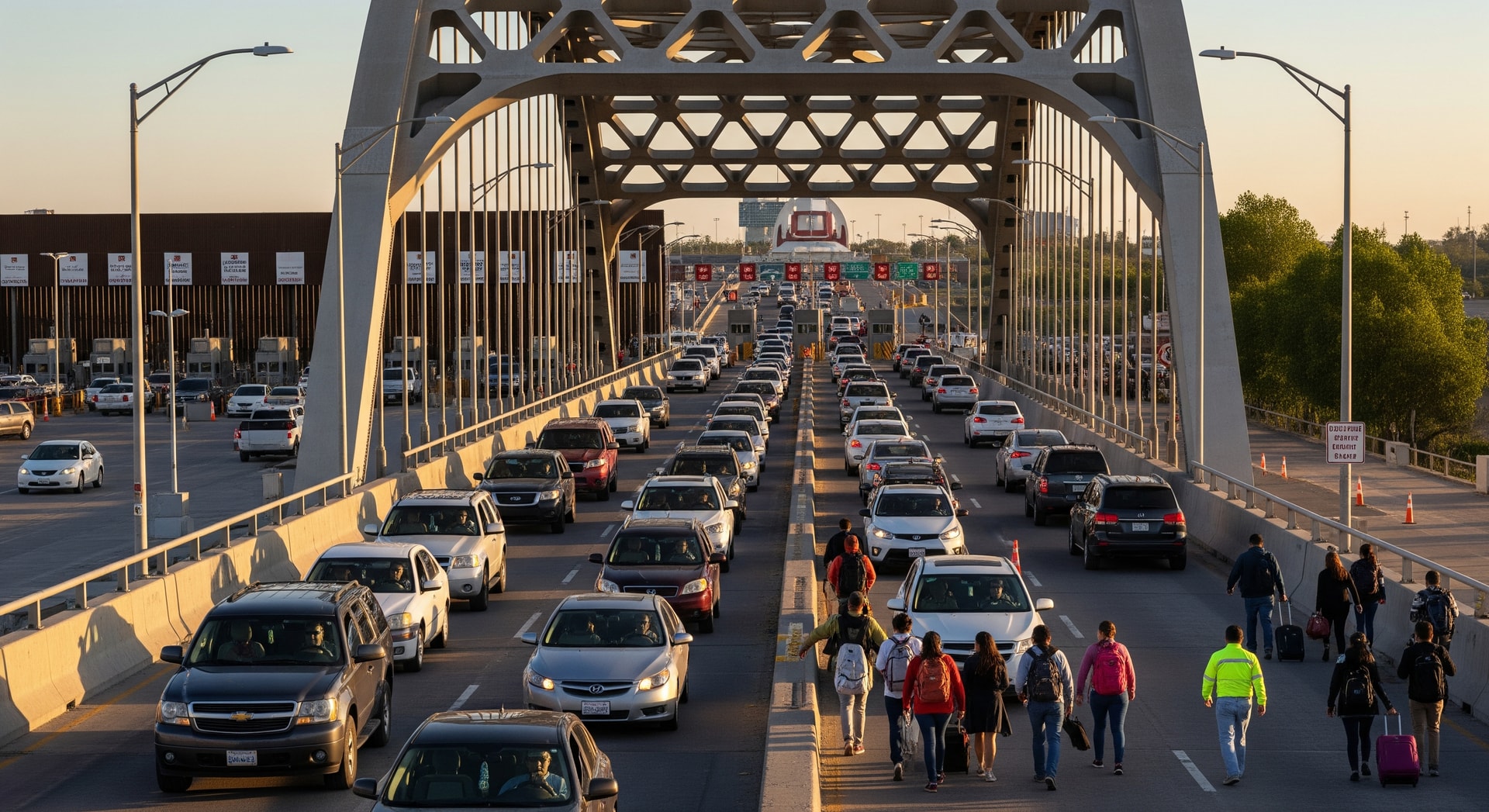
A major focus of the article is the United States, which it describes as facing significant travel headwinds in 2026. Among the issues emphasized are visa processing delays, higher travel costs, and increased security measures at airports and borders—factors the report suggests could influence where international visitors choose to spend their time and money during the World Cup period.
According to the article, visa backlogs are affecting not only tourists but also business travelers, students, and families, with long waiting times creating uncertainty for people trying to plan trips. The report claims some travelers may face visa approval timelines extending well beyond typical planning windows.
Rising prices and natural disasters add uncertainty for US-bound trips
The report also points to higher costs for flights and hotels in major US destinations, arguing that price increases are making travel less accessible for many visitors. One example cited is the possibility of paying $500 per night for a basic hotel room in California, illustrating the affordability concerns raised in the piece.
Beyond pricing and visas, the article highlights natural disasters—hurricanes, wildfires, and winter storms—as another factor affecting travel confidence. It specifically references impacts along the Gulf Coast, California, and Florida, suggesting that more frequent disruptions can lead to last-minute cancellations and shifting travel plans.

World Cup 2026: comparing Canada, the US, and Mexico as hosts
The article frames the World Cup as a three-way tourism contest. It describes the United States as the most infrastructure-ready host, citing its network of stadiums and transportation systems, while also noting challenges tied to visa delays and higher costs for visitors.
Canada is presented as aiming to differentiate itself through quality and sustainability. The report points to an emphasis on eco-friendly initiatives, an inclusive atmosphere linked to multiculturalism, and the appeal of major cities such as Toronto, Vancouver, and Montreal, while also noting potential constraints such as smaller stadium capacity and weather-related uncertainty.
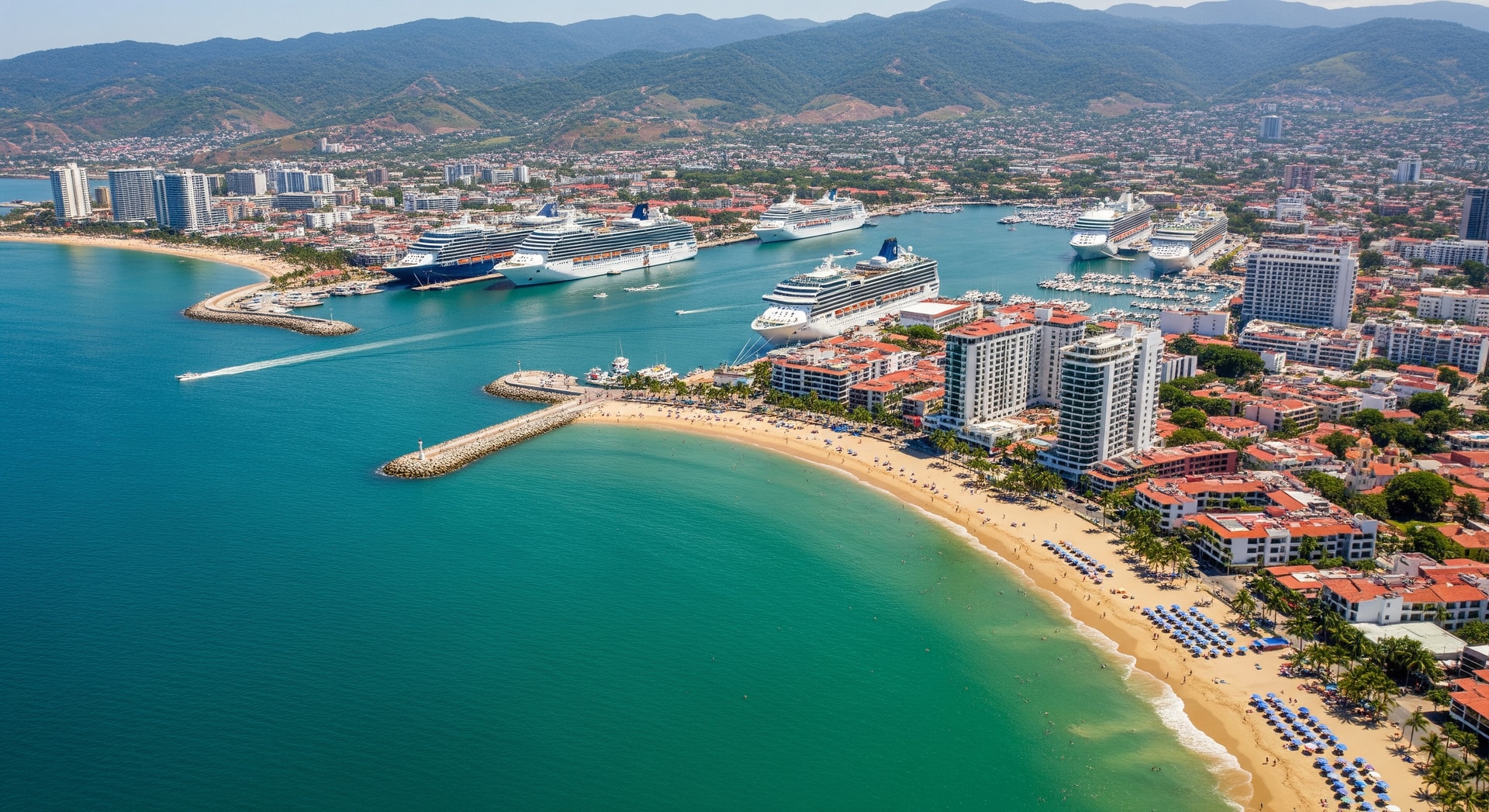
Mexico is described as bringing a strong football heritage and an enthusiastic fan culture, with affordability and proximity to the US positioned as advantages. At the same time, the article notes concerns about infrastructure gaps and safety in certain regions, particularly outside host areas.
Key issues raised for travelers: advisories, visas, and trip planning
- Canada’s travel advisory list referenced in the report includes Peru, Mexico, Trinidad and Tobago, Cuba, Italy, Morocco, and South Africa.
- The article highlights US visa processing delays as a major barrier for tourists, business travelers, students, and families.
- Higher airfares and hotel prices in US cities are presented as a deterrent for budget-conscious visitors.
- Increased airport and border security checks are described as adding friction to travel.
- Natural disasters (hurricanes, wildfires, winter storms) are cited as a growing disruption risk in parts of the US, including the Gulf Coast, California, and Florida.
Why this matters for World Cup travelers and the travel industry
For travelers, the takeaway is that advisory updates and border-processing realities can shape not only safety planning but also itinerary choices across the three host countries. For the travel industry, the article underscores how visa timelines, pricing, and operational disruptions can influence demand during a major global event like FIFA World Cup 2026—potentially shifting bookings toward destinations perceived as easier, safer, or more affordable.
Sources