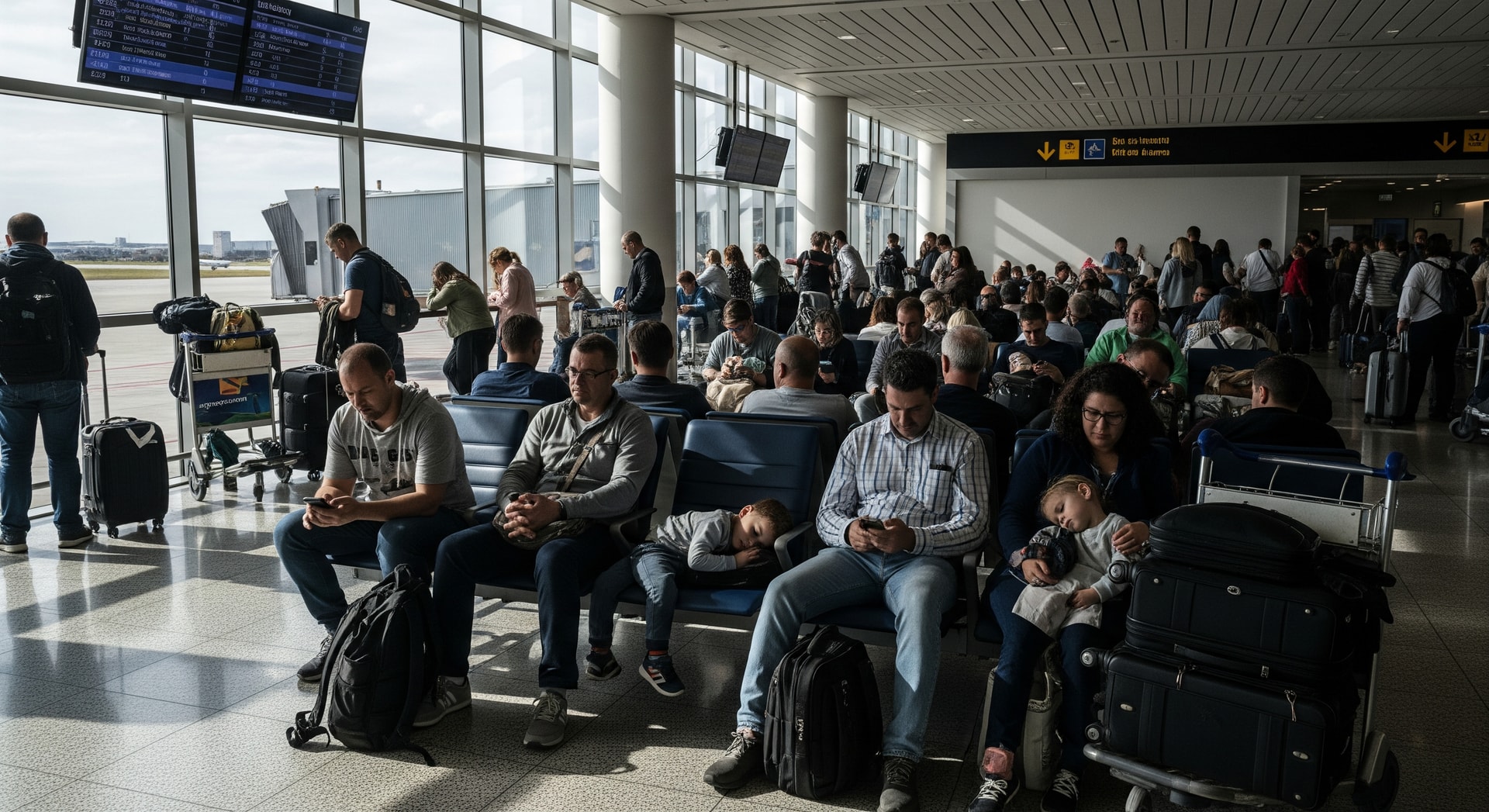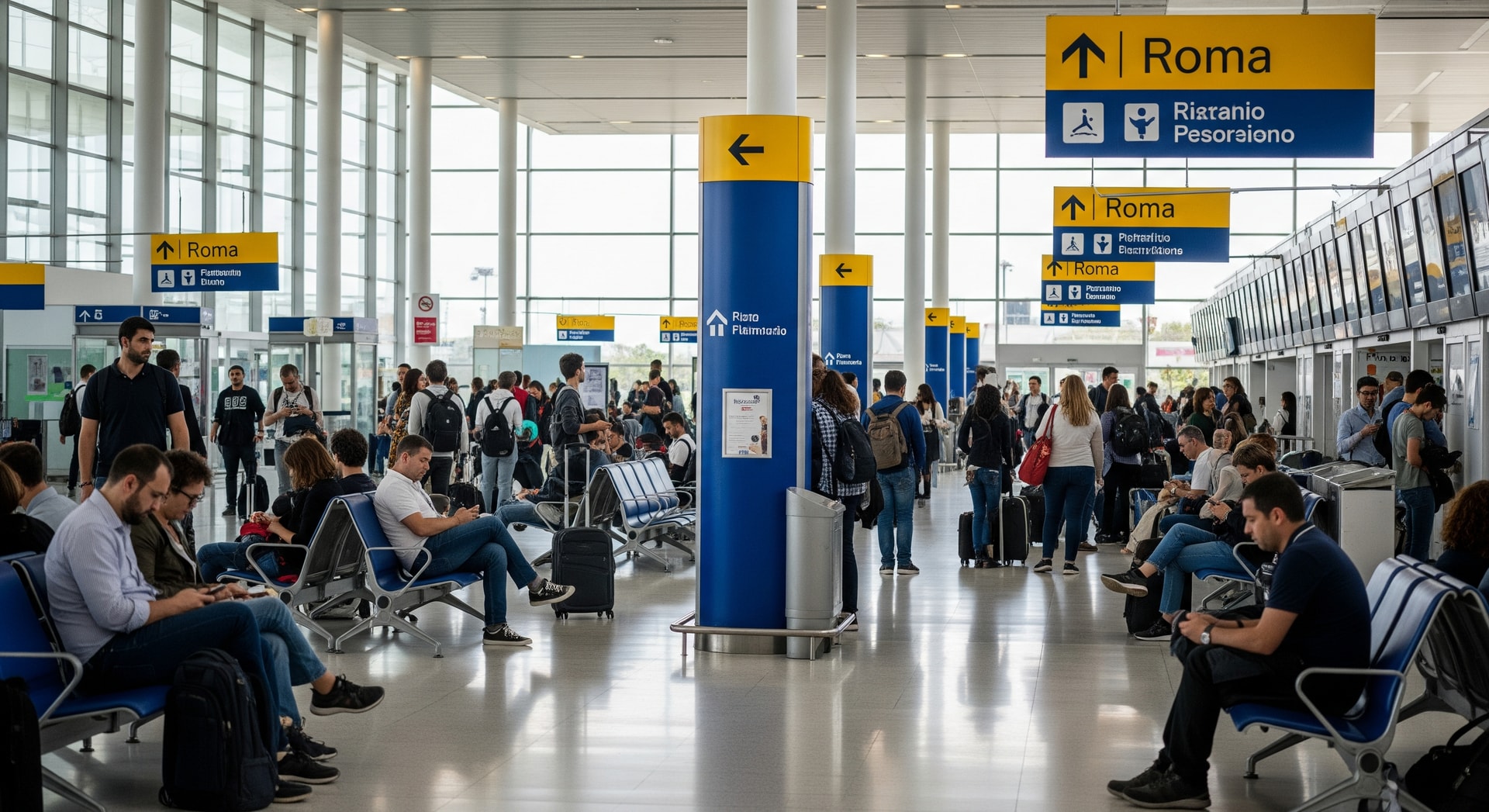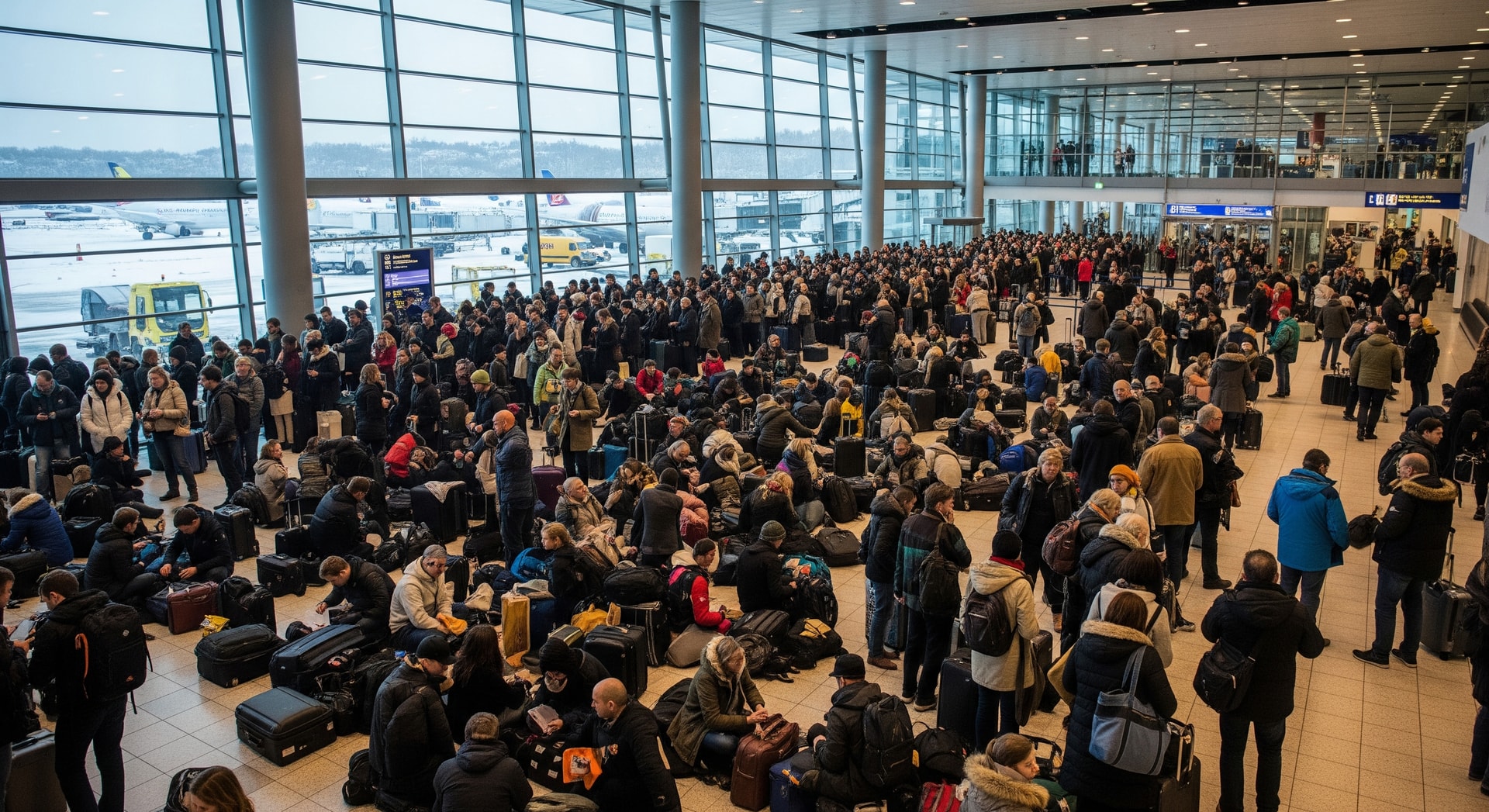
Germany freezing rain disruption has led to 129 flight cancellations and 396 delays, stranding travellers at major airports including Berlin, Frankfurt and Munich as airlines manage severe winter operations.
Summary: A Germany freezing rain disruption caused 129 flight cancellations and 396 delays, with Berlin Brandenburg Airport suspending departures. Frankfurt and Munich also reported heavy delays, and multiple airlines—including easyJet, Air France, KLM, Swiss and British Airways—were affected.
A winter storm bringing freezing rain has disrupted air travel across Germany, leaving large numbers of passengers stuck at key airports and forcing airlines to adjust schedules at short notice. The Germany freezing rain disruption began early Thursday morning and quickly escalated into widespread operational issues at Berlin, Frankfurt and Munich.
According to the latest figures cited in the report, the situation has resulted in 129 flight cancellations and 396 delays. Airport teams have prioritized safety, but the combination of de-icing constraints and reduced runway capacity has created a growing backlog for departing and connecting travellers.
Berlin Brandenburg Airport suspends departures
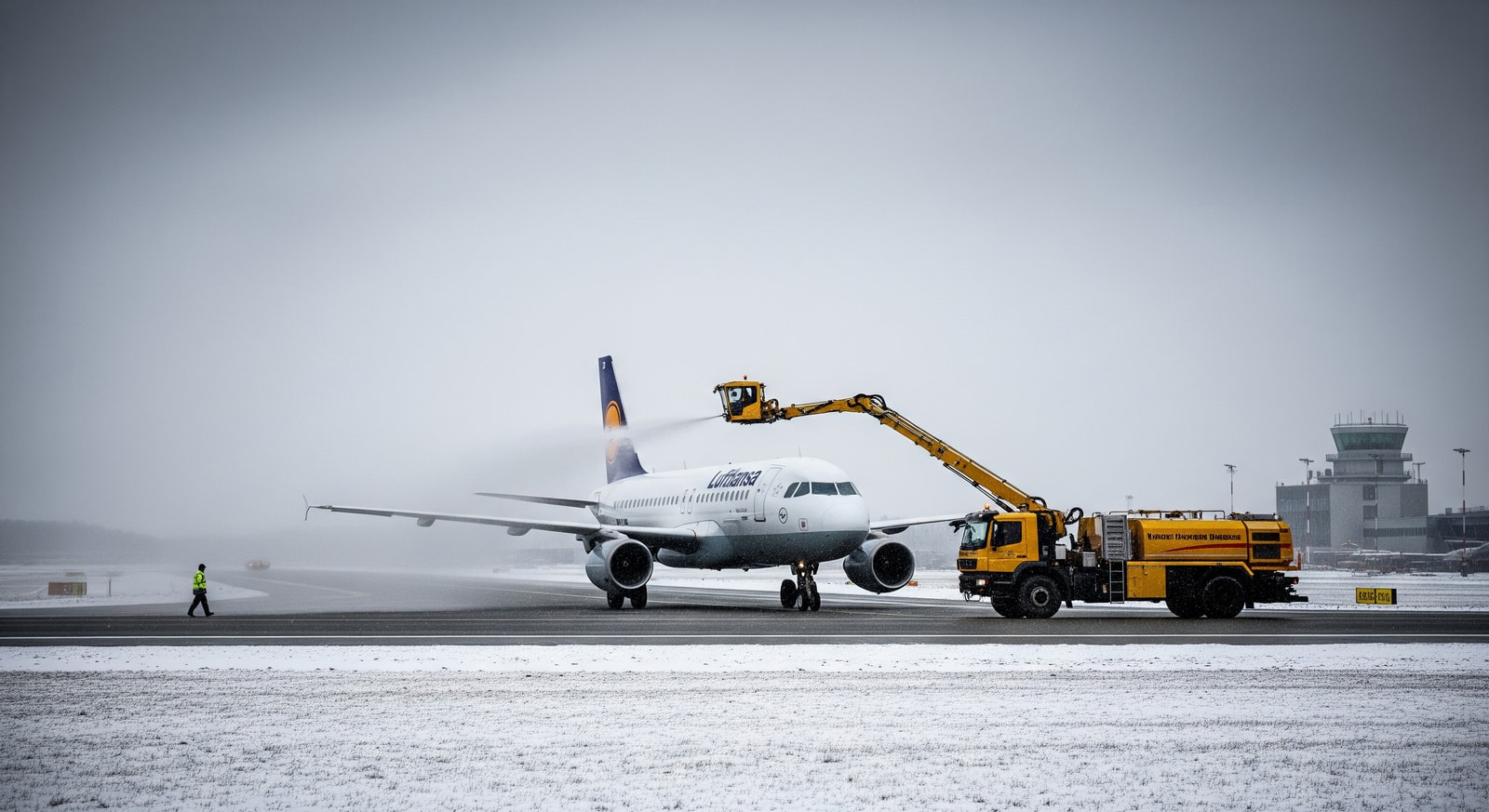
The sharpest impact was reported at Berlin Brandenburg Airport (BER). An airport spokeswoman confirmed that departures were halted during the morning because persistent freezing rain made it unsafe for ground crews to remove ice from aircraft surfaces. While arrivals were initially allowed to continue, the lack of outbound slots contributed to significant knock-on disruption.
At BER alone, the report lists 116 cancellations and 94 delays. Passengers described long waits inside the terminal, and the airport warned that disruption could continue until weather conditions improve substantially.
Frankfurt and Munich report heavy delays amid winter operations
Other major hubs also faced strain as airlines slowed operations to manage winter safety procedures. Frankfurt International Airport (FRA), one of Europe’s busiest transit airports, recorded 5 cancellations and 148 delays as schedules were reshuffled to cope with the conditions.
Munich International Airport (MUC) reported 5 cancellations and 99 delays. Düsseldorf International Airport also saw disruption, with 3 cancellations and 55 delays, indicating the weather system affected multiple parts of the country.
Airlines affected: easyJet leads cancellations as flag carriers also impacted
The disruption has affected both low-cost and full-service airlines operating in and out of Germany. In Berlin, easyJet was listed as the most affected carrier, with 37 cancellations and 14 delays. The report also notes that Air France and KLM each recorded 9 cancellations, while Swiss and British Airways (including BA CityFlyer) together accounted for 14 cancellations.
- Berlin Brandenburg Airport (BER): 116 cancellations and 94 delays
- Frankfurt International Airport (FRA): 5 cancellations and 148 delays
- Munich International Airport (MUC): 5 cancellations and 99 delays
- Düsseldorf International Airport: 3 cancellations and 55 delays
- Totals reported: 129 cancellations and 396 delays
Tourism and local transport disruptions in Berlin, Frankfurt and Munich
The report warns that the flight stoppages and delays are likely to spill over into local tourism in Berlin, Frankfurt and Munich. With travellers stuck at terminals and inbound arrivals reduced, hotels and tour operators may see immediate cancellations and gaps in bookings.
In Berlin, the German Weather Service (DWD) issued high-risk warnings for dangerous ice. The same report says the visitor experience has been affected by closures of public spaces and the suspension of parts of the metropolitan rail and tram networks.
The disruption comes during a broader cold snap that has already complicated road and rail travel for weeks. Frankfurt and Munich—both important business travel destinations—may also see postponed corporate events and international meetings as travellers struggle to move around safely.
What affected passengers can do now: flight status, rebooking and duty of care
Airport authorities and consumer advocates advised passengers to confirm flight status with their airline before travelling to the airport. Berlin Brandenburg’s management urged travellers to check directly with carriers, and in many cases passengers were advised to stay in their current accommodation to avoid worsening terminal congestion.
- Use airline apps and official websites for updates, as airport screens may lag during fast-changing weather.
- Under European passenger rights rules, airlines generally must offer rebooking on the next available flight or a full refund for cancellations.
- Because freezing rain is considered an “extraordinary circumstance,” monetary compensation for the delay itself may not apply.
- Airlines still have a “duty of care” to provide support such as food, refreshments, and—when required—hotel accommodation and transport.
For travellers considering alternatives, the report notes that rail travel has also been affected by the cold spell, but some passengers may find limited options via long-distance buses or rerouted rail services if they monitor Deutsche Bahn operations, which have also experienced widespread delays.
Why this matters for travellers
For travellers transiting through Germany or starting trips from Berlin, Frankfurt, Munich or Düsseldorf, the immediate takeaway is to expect knock-on delays, limited rebooking availability, and crowded terminals while freezing rain persists. Checking airline notifications before leaving for the airport—and understanding that “extraordinary circumstance” disruptions may limit compensation while still requiring airlines to provide basic care—can help passengers make faster decisions about rerouting, overnight stays, or postponing travel.
Sources