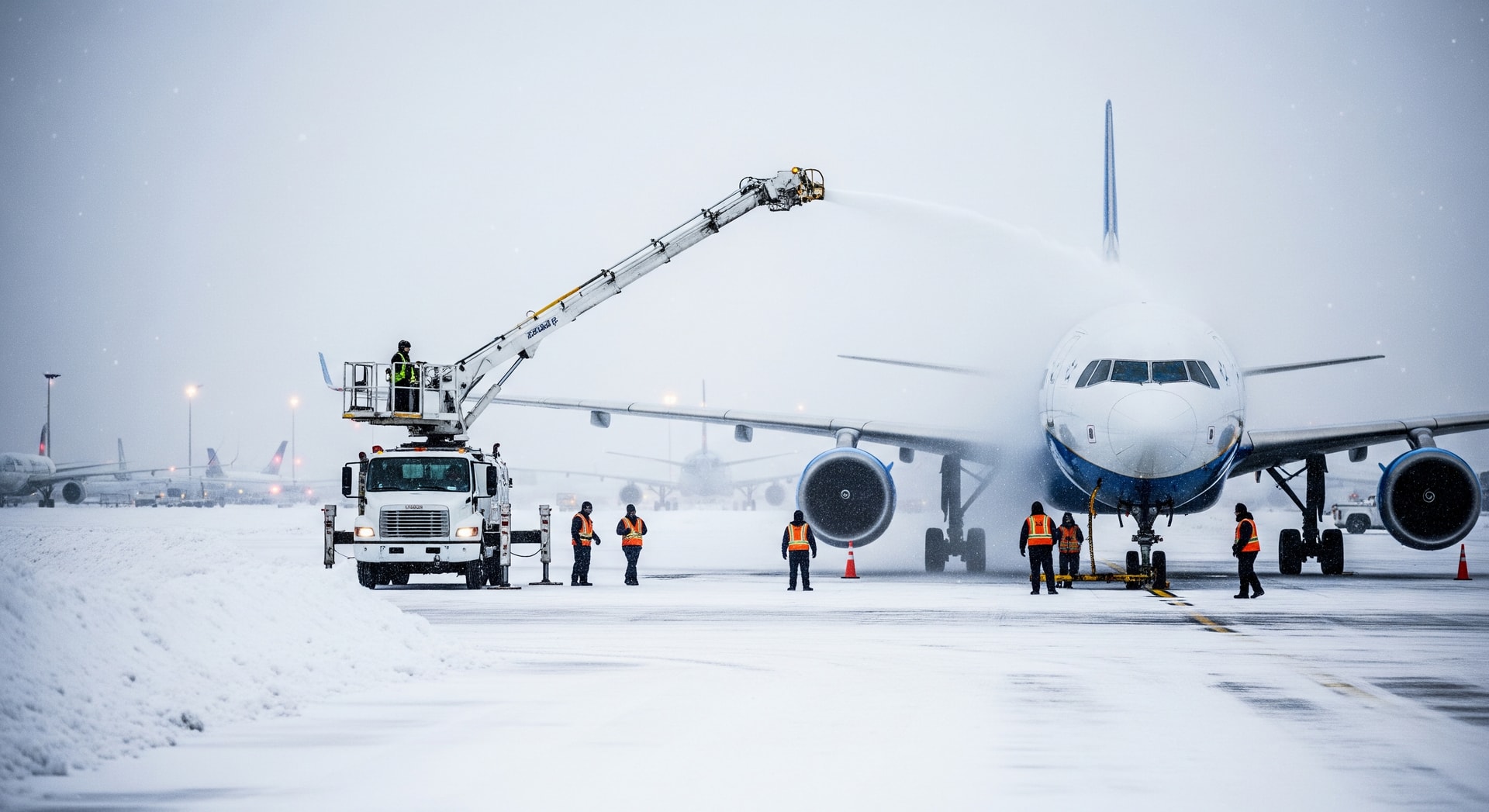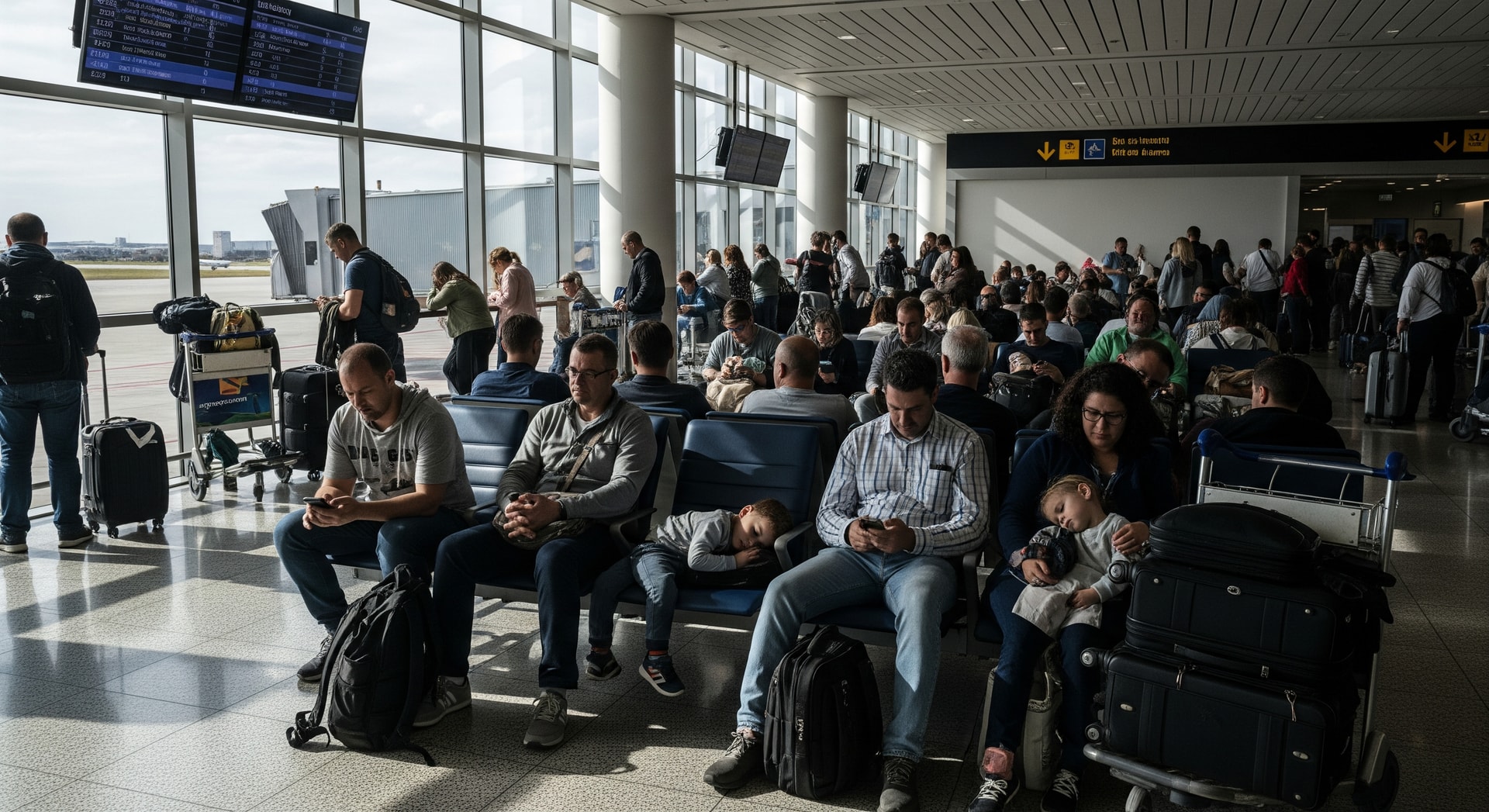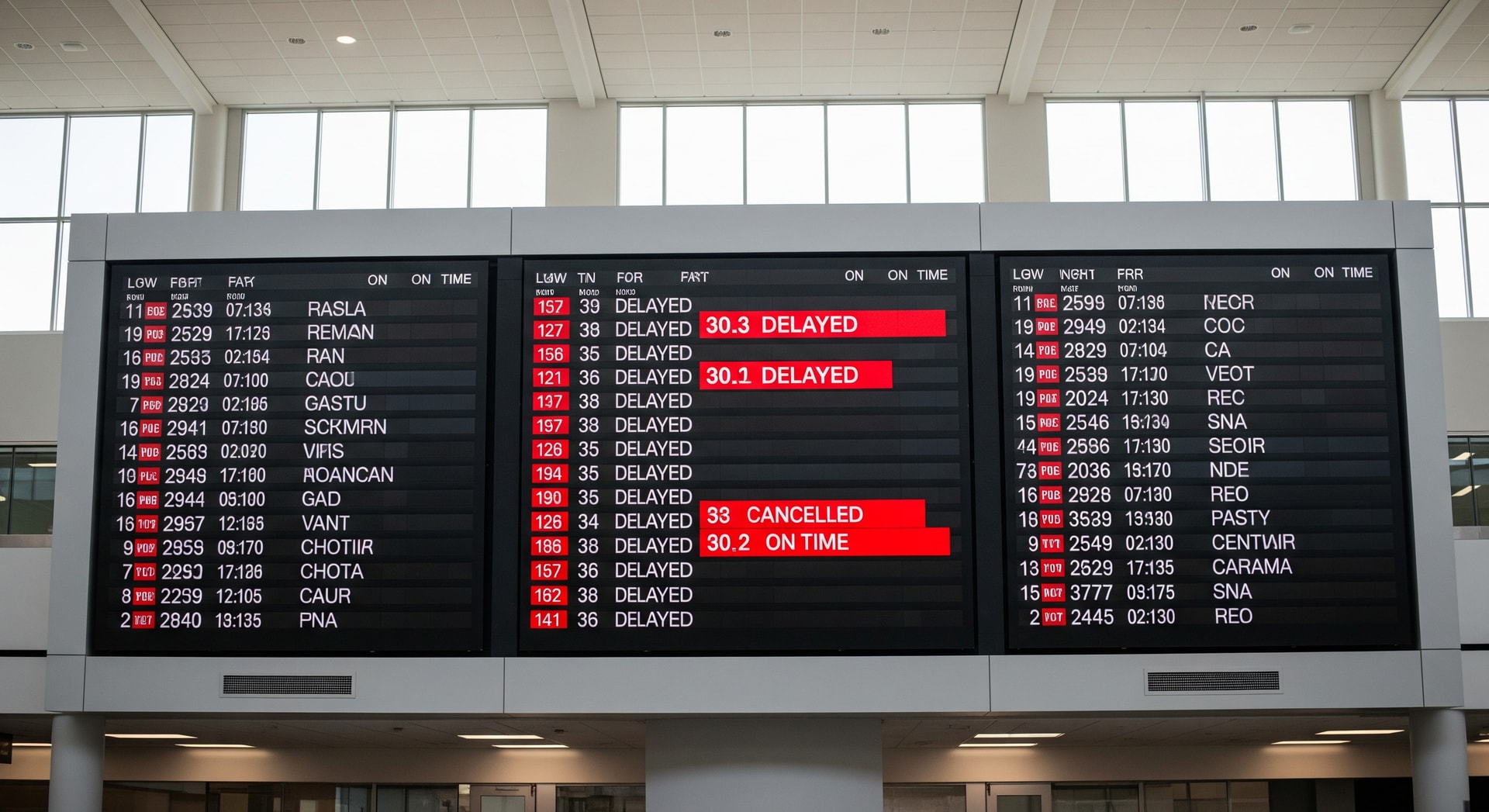
Canada flight disruptions left passengers stranded as Air Canada, WestJet, PAL Airlines and other carriers reported 14 cancellations and 181 delays across several major airports.
Summary: Canada flight disruptions affected travelers nationwide, with 14 flights cancelled and 181 flights delayed across Toronto Pearson, Halifax Stanfield, Quebec City Jean Lesage, and St. John’s International airports. Toronto Pearson recorded the largest share of delays.
Canada flight disruptions stranded passengers as multiple carriers—including Air Canada, WestJet, PAL Airlines, and others—reported widespread operational issues. Across key airports, 14 flights were cancelled and 181 flights were delayed, creating long waits and uncertainty for both domestic and international travelers.
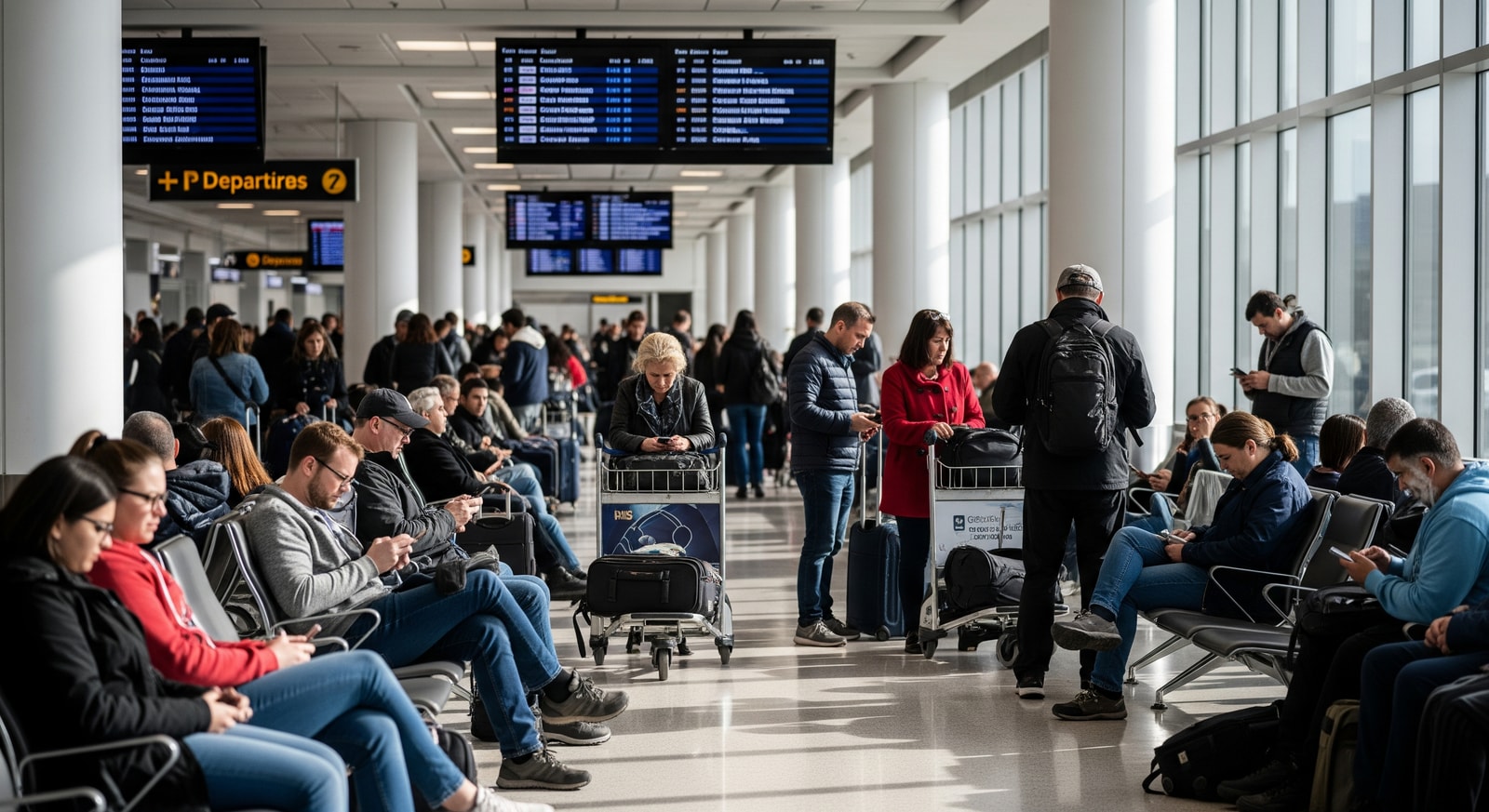
The disruptions were especially noticeable at major hubs, where high passenger volumes can amplify delays and cause knock-on effects for onward connections. Travelers were advised to monitor flight status updates and be prepared for schedule changes.
Total delays and cancellations reported across Canada
Across major Canadian airports, the day’s totals reached 181 delays and 14 cancellations. While the impact varied by airport and airline, the overall effect was felt across the country, particularly for travelers departing from large gateways such as Toronto Pearson and Halifax Stanfield.
Most affected airports: Toronto Pearson, Halifax, Quebec City and St. John’s
Toronto Pearson International Airport (YYZ) recorded the highest number of disruptions. The airport logged 160 delays and 5 cancellations, a level of disruption that can also trigger secondary delays elsewhere—particularly for passengers making international connections.
In Atlantic Canada, Halifax Stanfield International Airport (YHZ) reported 11 delays and 3 cancellations. Although the totals were lower than Toronto’s, travelers were still advised to expect interruptions, especially during busier periods of the day.
- Toronto Pearson International Airport (YYZ): 160 delays, 5 cancellations
- Halifax Stanfield International Airport (YHZ): 11 delays, 3 cancellations
- Quebec City Jean Lesage International Airport (YQB): 7 delays, 3 cancellations
- St. John’s International Airport (YYT): 3 delays, 3 cancellations
Airlines impacted: Air Canada, Air Canada Rouge, WestJet, PAL and Pacific Coastal
Several Canadian carriers reported disruptions, including Air Canada, Air Canada Rouge, WestJet, PAL Airlines, and Pacific Coastal. The figures show that delays were more common than cancellations, but even moderate delay rates can create missed connections and crowding at airports.
Air Canada recorded the largest number of delayed flights, with 74 delays (13% of its operations) and 6 cancellations (1%). The airline’s scale and reliance on major hubs such as Toronto Pearson can make it more vulnerable to system-wide ripple effects when schedules slip.
Air Canada Rouge reported 19 delayed flights (17%) and 2 cancellations (1%), indicating operational strain while keeping cancellations relatively limited.
WestJet posted 65 delays (14%) and 2 cancellations (0%). While its cancellation rate remained low, the delay level still signaled challenges that could affect both domestic and international itineraries.
- Air Canada: 6 cancelled (1%), 74 delayed (13%)
- Air Canada Rouge: 2 cancelled (1%), 19 delayed (17%)
- WestJet: 2 cancelled (0%), 65 delayed (14%)
- PAL Airlines: 3 cancelled (3%), 16 delayed (16%)
- Pacific Coastal: 1 cancelled (1%), 3 delayed (4%)
What affected passengers can do now
For travelers dealing with delays or cancellations, the immediate step is to contact the airline for rebooking options, potential compensation, or alternate routing. Airlines also typically provide real-time updates through their websites and mobile apps.
Passengers already at affected airports such as Toronto Pearson or Halifax Stanfield were advised to watch departure boards closely for changes. For longer disruptions, travelers can ask airline staff about assistance such as meal vouchers, hotel accommodation, or other support where applicable.
Practical steps to reduce disruption risk
- Rebook or reassess plans: If a flight is cancelled, work with the airline to move to the next available service and consider nearby airports if disruptions are concentrated.
- Know your rights: Review passenger rights related to delays and cancellations for flights under Canadian jurisdiction.
- Plan for delays: Carry essentials such as snacks, water, and entertainment in case of extended airport waits.
- Stay informed: Use airline apps or websites for live status updates and enable text notifications if available.
Why this matters: For travelers transiting Canada’s busiest hubs, even a single day of elevated delays—especially at Toronto Pearson—can cascade into missed connections, rebooking challenges, and added costs. Checking status updates early and understanding airline support options can help reduce the impact when Canada flight disruptions occur.
Sources