Turkey tourism surged past 63 million visitors in 2025, generating $65.2 billion in revenue as Russia, China, India and others fuel the sector's recovery.
Summary: Turkey tourism exceeded 63 million visitors in 2025, producing $65.2 billion in tourism revenue as traditional and emerging markets — led by Russia, Germany, the UK, China and India — drive growth.
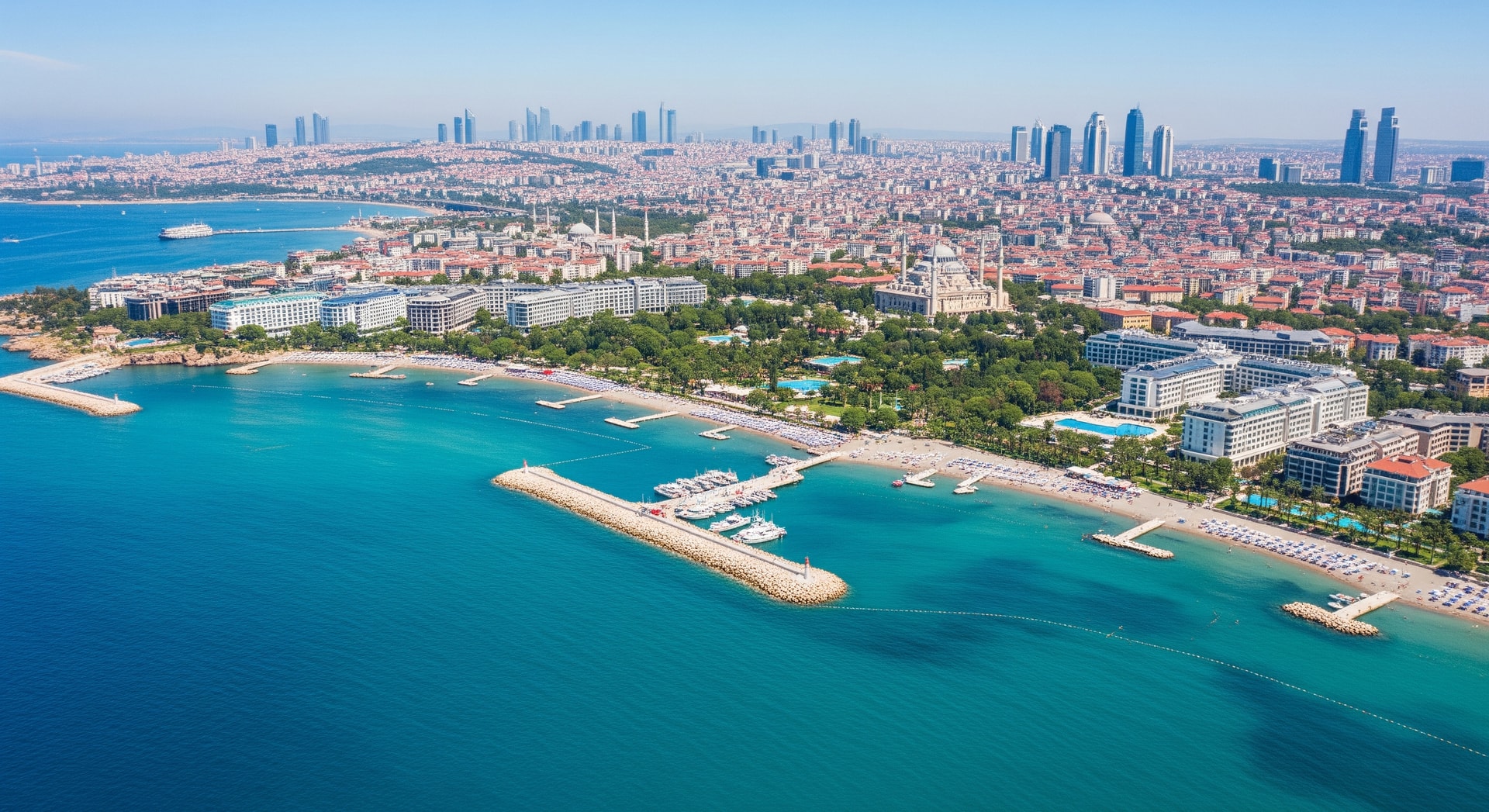
Turkey tourism recorded an exceptional year in 2025, attracting more than 63 million visitors and generating $65.2 billion in revenue. The surge reflects both long-established source markets and rapidly expanding new ones, underscored by improved connectivity and targeted promotion.
A landmark year for arrivals and revenue
The 2025 totals exceeded previous expectations and highlighted the sector's resilience. Officials attribute the performance to a mix of traditional demand, newly opened air routes, and tailored offers that appeal to both leisure and luxury travellers.
Top source markets that powered the rebound
A combination of established and emerging source markets supplied the bulk of visitors. Below are the key contributors and notable trends identified in 2025.
- Russia: 6.9 million visitors — Russians favoured Mediterranean destinations such as Antalya; visa-free access and affordable flights supported arrivals.
- Germany: 6.75 million visitors — Germans continued to seek historical and coastal destinations including Istanbul, Cappadocia and the Aegean coast.
- United Kingdom: 4.4 million visitors — British demand expanded beyond beaches into city breaks, culture and wellness offerings in Istanbul and Bodrum.
- China: Rapid rebound with months showing up to a 100% increase in arrivals, driven by restored flight links and interest in cultural sites like Cappadocia.
- India: Visitor numbers rose by 20%, with targeted marketing prompting growth for weddings, honeymoons and family trips to Istanbul and Cappadocia.
- United States: Arrivals grew by 8–10%, supported by a strong dollar and expanded connectivity from Turkish Airlines.
- Poland: Passport-free entry using national ID cards spurred weekend and short-break travel, boosting Polish arrivals.
- Bulgaria and Iran: Regional neighbours remained consistent sources — Bulgarians favour weekend shopping and short breaks, while Iranians travel for shopping and cultural reasons.
What drove the growth
Analysts point to a mix of strategic marketing, wider flight networks, competitive pricing and product diversification. Turkey's ability to serve both budget-conscious and luxury travellers — together with promotions tailored to source markets — amplified inbound demand.
Industry implications and next steps
The 2025 performance positions Turkey to pursue further growth. Authorities have set a $68 billion tourism revenue target for 2026, and the sector is focusing on infrastructure, route expansion and continued market diversification to meet that goal.
- Expanded flight connectivity, including Turkish Airlines' network growth, has been central to attracting long-haul markets.
- Targeted promotional campaigns aimed at China, India and other emerging markets have paid off.
- Policy changes such as ID-card entry for Poles have immediately boosted short-break traffic.
What this means for travellers
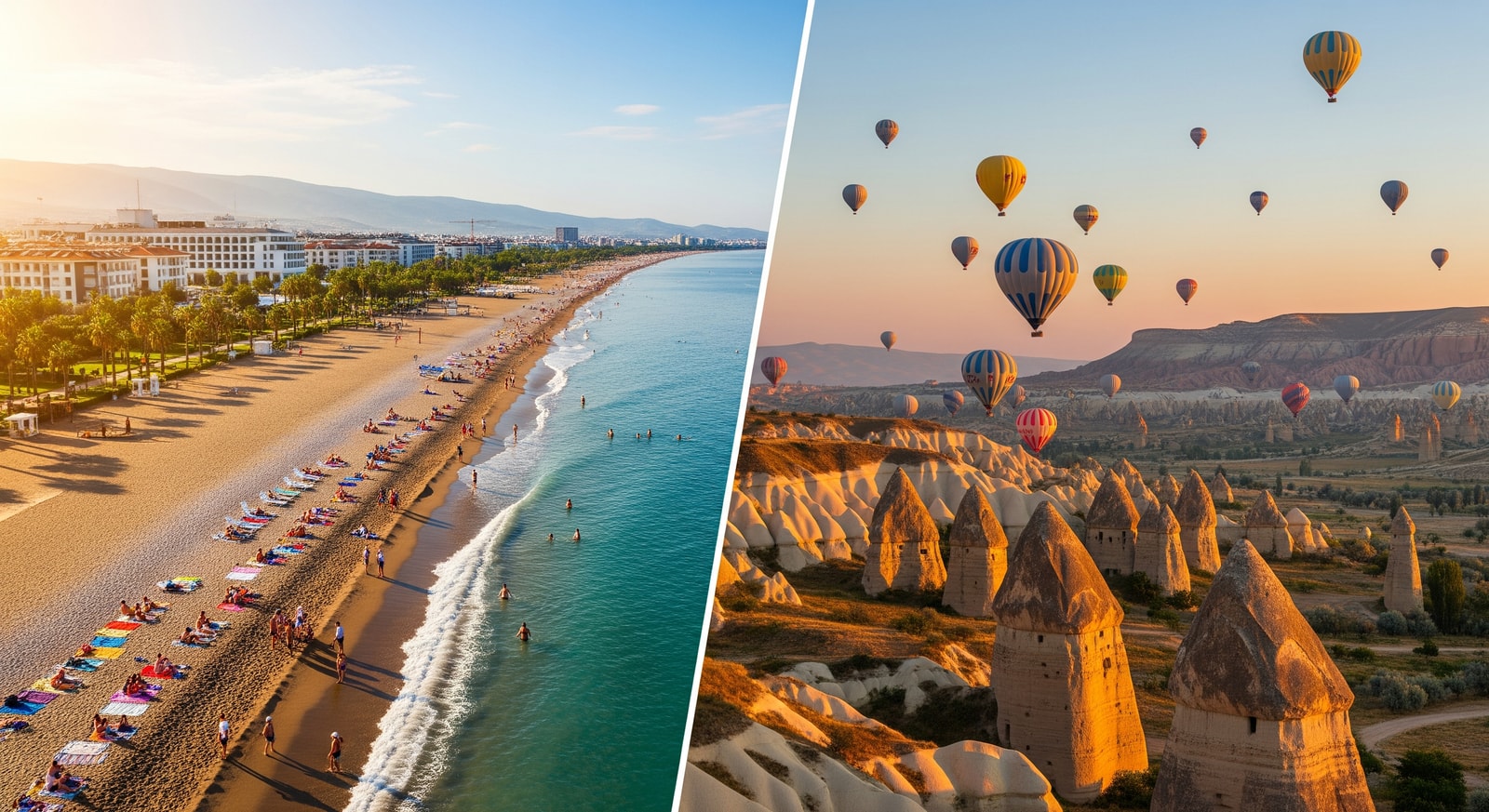
Travelers can expect more route options, a wider range of accommodation and tailored experiences — from luxury city stays in Istanbul to beach resorts in Antalya and unique cultural tours in Cappadocia and Ephesus. Popular visas and entry rules are also evolving by market, making planning easier for some nationalities.
Tip: If you plan to visit Turkey, check updated entry rules and flight options — new routes and visa changes (such as ID access for Poles) can simplify travel planning.
So what? For travellers, this resurgence means more choice, better connectivity and potentially competitive pricing as carriers and hoteliers seek to capitalise on demand. For the tourism industry, diversified source markets reduce reliance on any single country and support economic resilience as Turkey aims for higher revenue in 2026.
Sources