Emirates adds second daily service to Tokyo Narita from 1 May, deploying a retrofitted Boeing 777-300ER to increase seats, cargo capacity and onward connectivity.
Summary: Emirates will add a second daily service to Tokyo Narita from 1 May using a retrofitted Boeing 777-300ER. The extra frequency increases weekly seats and cargo capacity while improving connections across Japan and onward to Europe, Africa and South America.
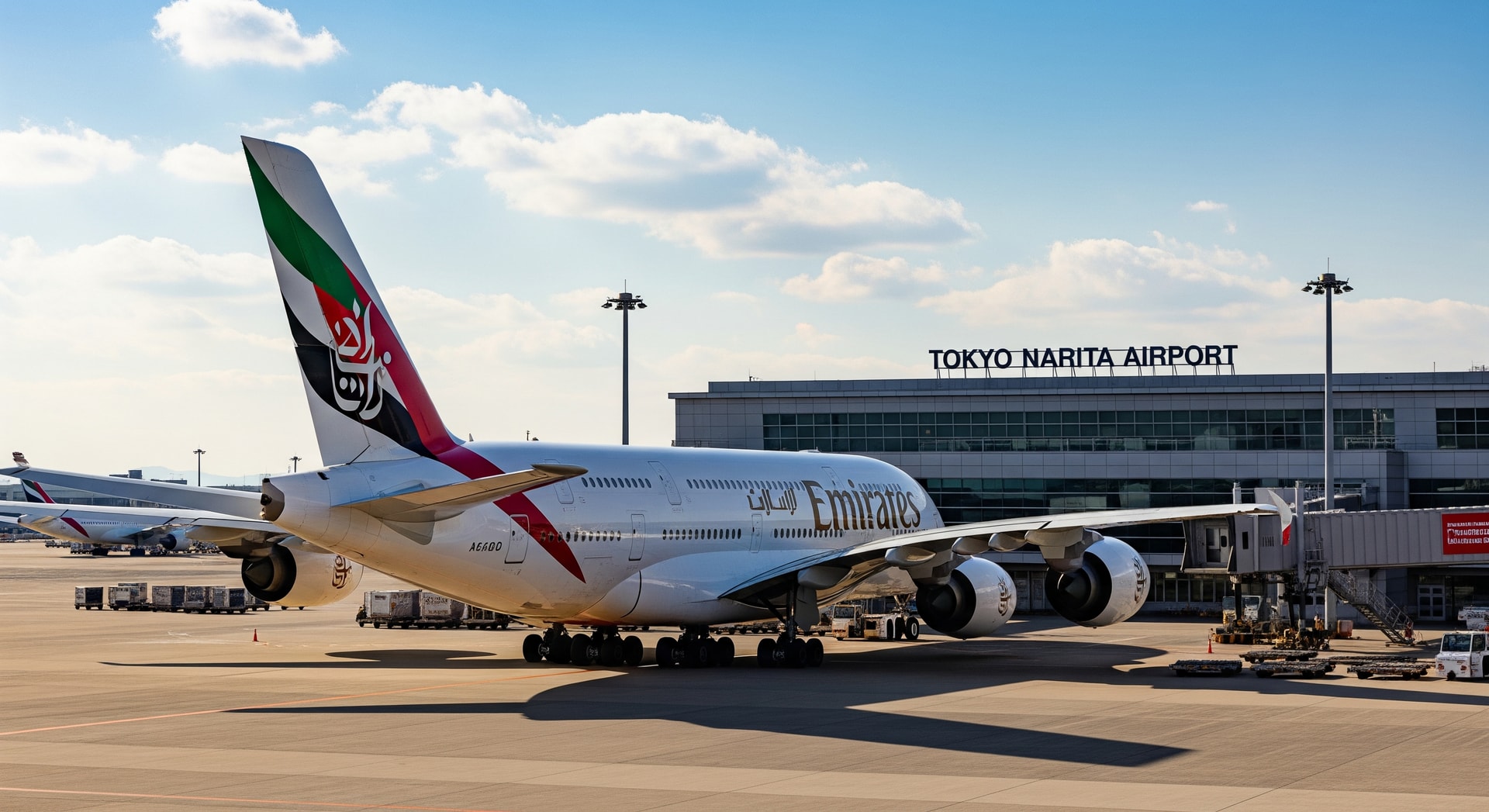
Emirates will introduce a second daily service to Tokyo Narita from 1 May, operating the route with a retrofitted Boeing 777-300ER to expand capacity and improve links between Japan, Dubai and multiple international markets.
Flight schedule and routing
The additional frequency will operate under flight numbers EK320/321. EK320 will depart Dubai at 22:30 and arrive at Tokyo Narita at 13:30 the following day. The return service, EK321, will leave Tokyo Narita at 21:30 and touch down in Dubai at 03:50 the next day. All times quoted are local.
- EK320: Dubai 22:30 → Tokyo Narita 13:30 (next day)
- EK321: Tokyo Narita 21:30 → Dubai 03:50 (next day)
Emirates says the extra service will give travellers more timetable options and strengthen possibilities for multi-destination travel with stopovers in Dubai. The afternoon arrival into Narita aims to shorten onward connections to domestic flights, while the early-morning arrival into Dubai improves connections westbound.
Aircraft configuration and onboard product
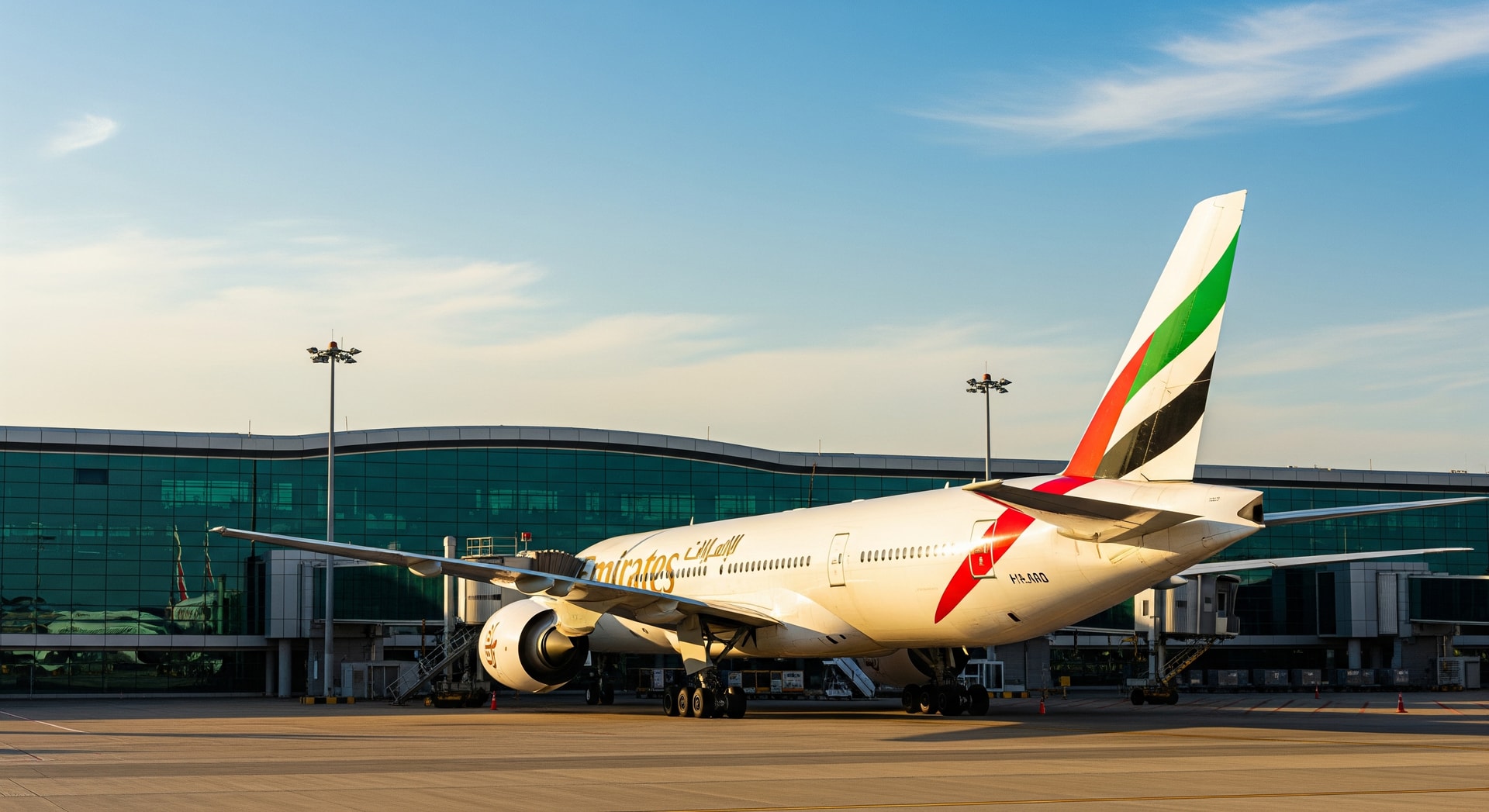
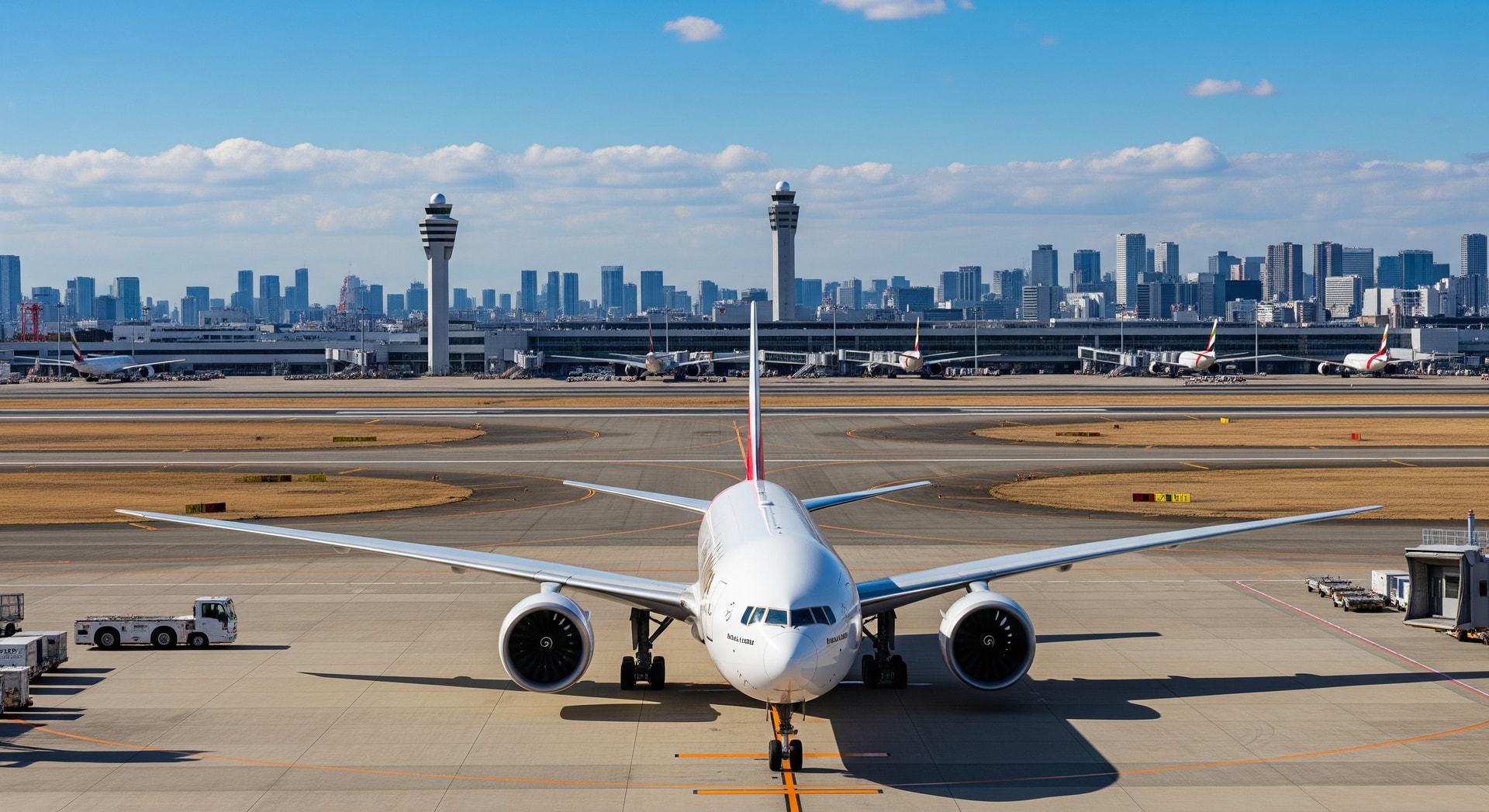
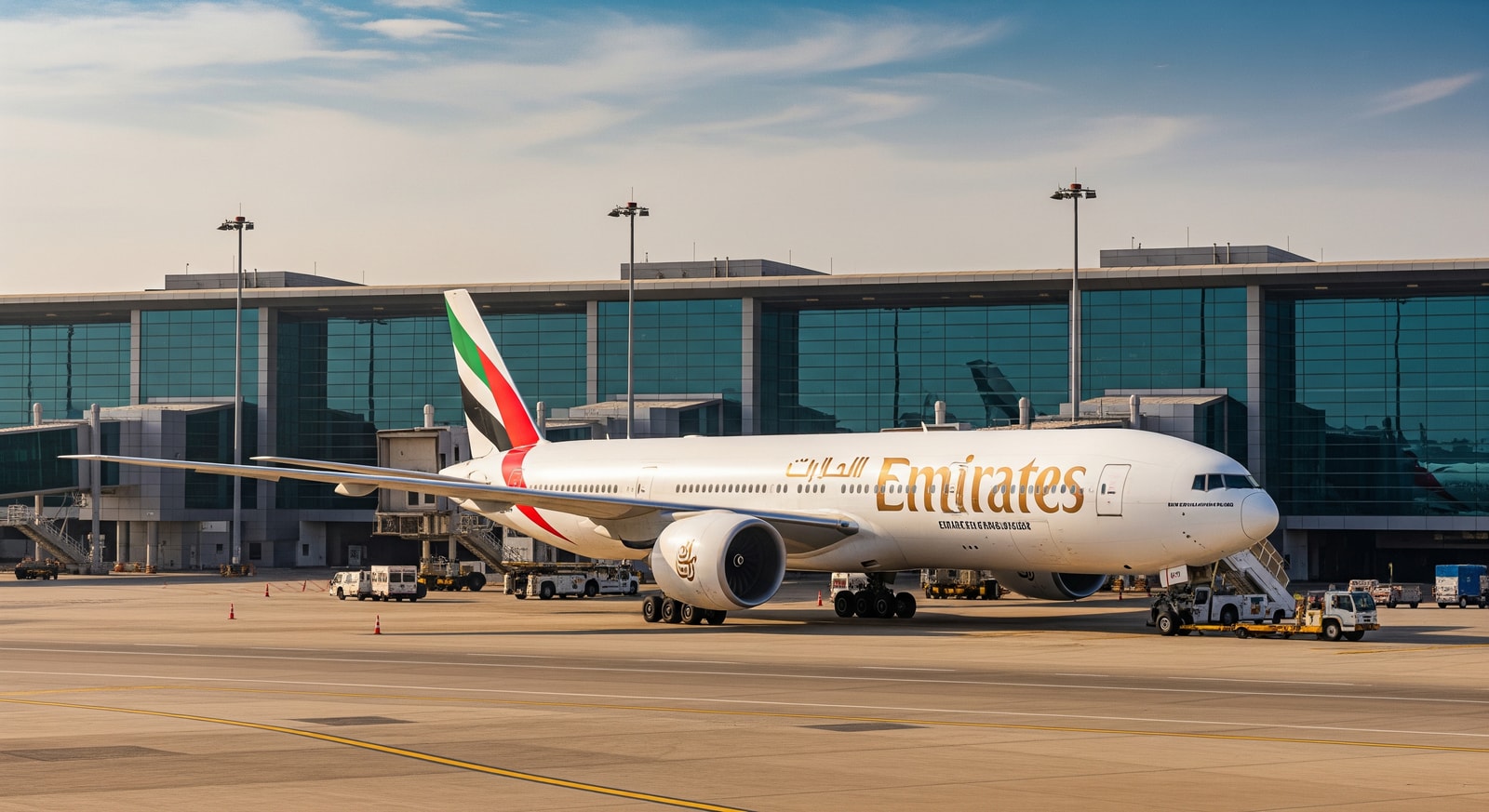
Flights EK320 and EK321 will be flown by a refurbished Boeing 777-300ER fitted with a four-class cabin. The overhaul brings upgraded interiors across every cabin class and introduces Emirates’ Premium Economy product on the aircraft.
- First Class: 8 First Class Suites
- Business Class: 40 seats in a 1-2-1 layout
- Premium Economy: 24 seats
- Economy Class: 260 seats
Emirates will serve regionally inspired meals on the route, including Japanese options such as a Kaiseki meal tray. The inflight entertainment system offers more than 6,500 on-demand channels, with a curated selection of Japanese content for customers on the Japan flights.
Network implications and capacity
Emirates has flown to Japan since 2002 and currently operates daily services to Tokyo Narita, Tokyo Haneda and Osaka using a mix of Boeing 777 and A380 aircraft. All these services include the carrier’s Premium Economy product. From 1 May, Emirates will operate 28 weekly flights to and from Japan, offering more than 22,500 weekly seats across the three gateways.
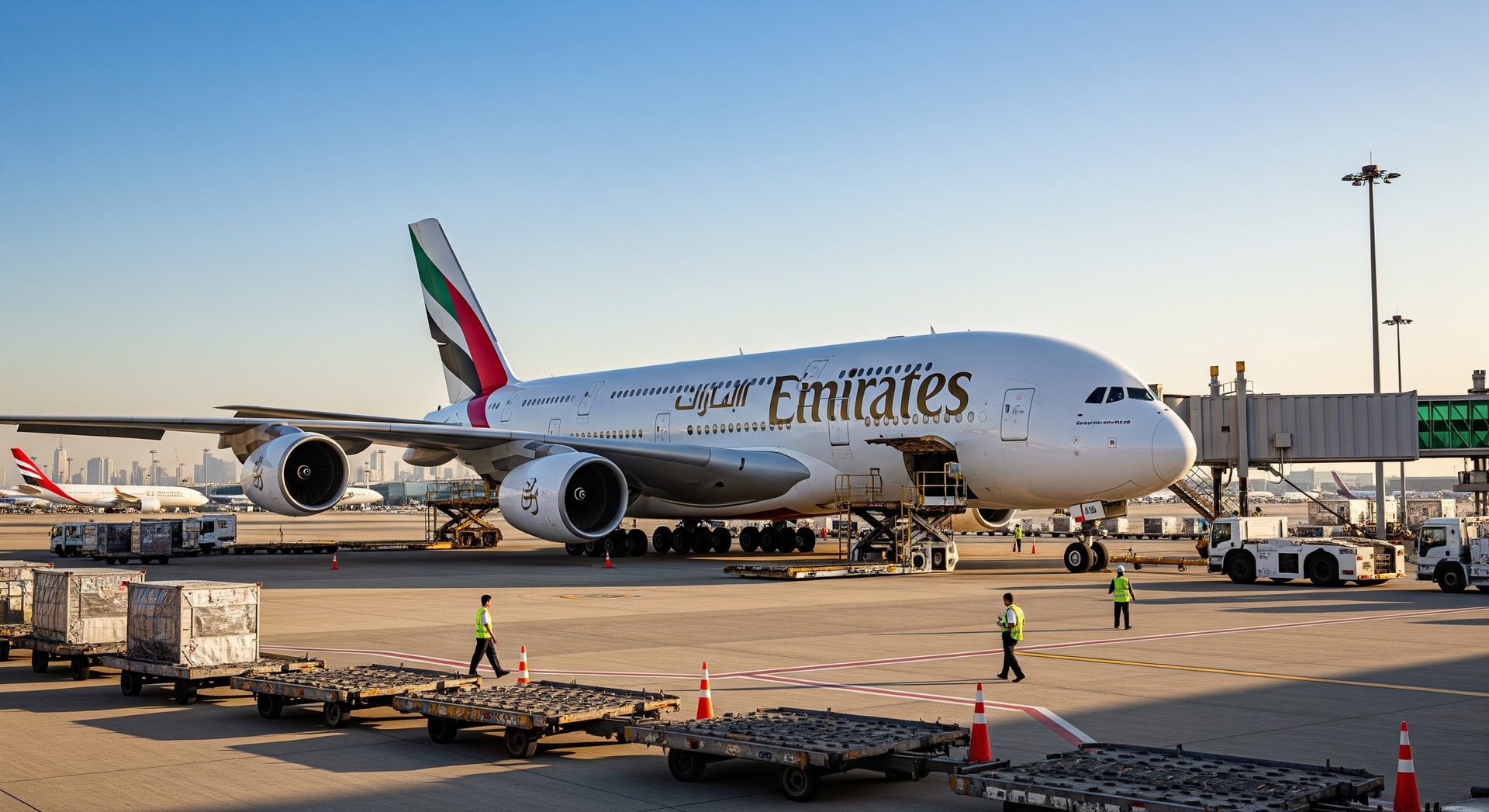
The additional Narita frequency also increases weekly cargo capacity to 1,240 tonnes, supporting exports and imports between Japan and markets across the Gulf, Europe and Africa.
Eastbound passengers who arrive into Narita in the afternoon will see improved domestic connections, while westbound travellers leaving Narita will reach Dubai early in the morning, enabling efficient onward travel to multiple international destinations.
- Spain
- Portugal
- France
- Italy
- South Africa
- Egypt
- Morocco
- Tunisia
- Brazil
Emirates’ domestic reach within Japan is bolstered through partnerships with Japan Airlines and All Nippon Airways, providing access to 36 destinations (26 domestic and 10 regional). The new Narita frequency further strengthens those connections.
The airline has also introduced a Chauffeur-drive service for premium customers at Narita, with plans to extend the service to Osaka from 1 March, enhancing the end-to-end premium experience for travellers.
What this means for travellers and the industry
For passengers, the second daily frequency brings more schedule flexibility, improved options for stopovers in Dubai and reduced connection times to domestic and regional points in Japan. For cargo customers and trade partners, the uplift to 1,240 tonnes weekly offers greater capacity for exports and imports. Airlines and travel sellers may find more opportunities to market multi-destination itineraries linking Japan with Europe, Africa and South America via Dubai.
So what? The added Narita frequency reinforces Emirates’ commitment to the Japanese market and gives travellers more choices and smoother connections, while also increasing seat and cargo capacity that supports tourism and trade between Japan, the Gulf and international markets.
Sources