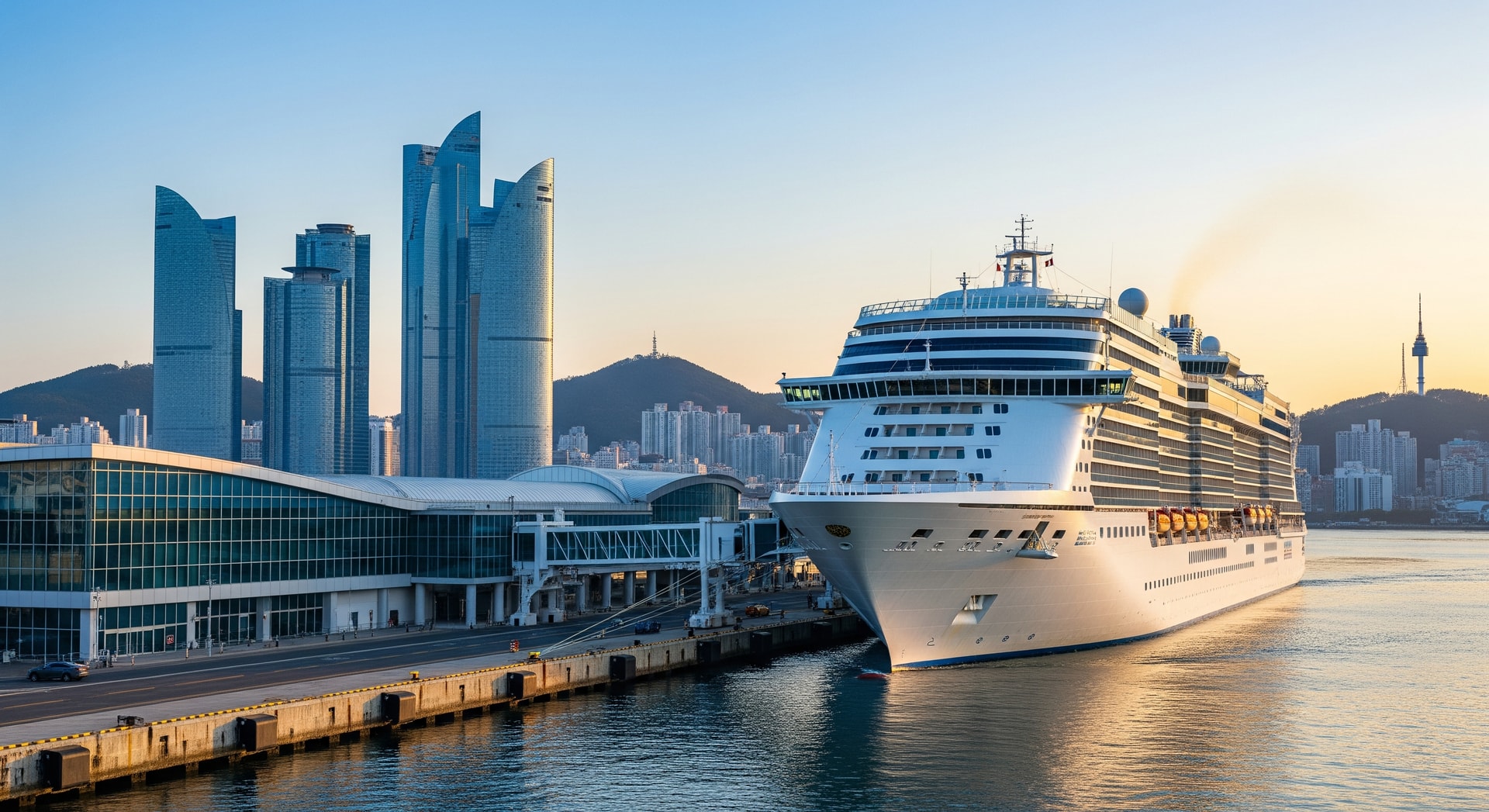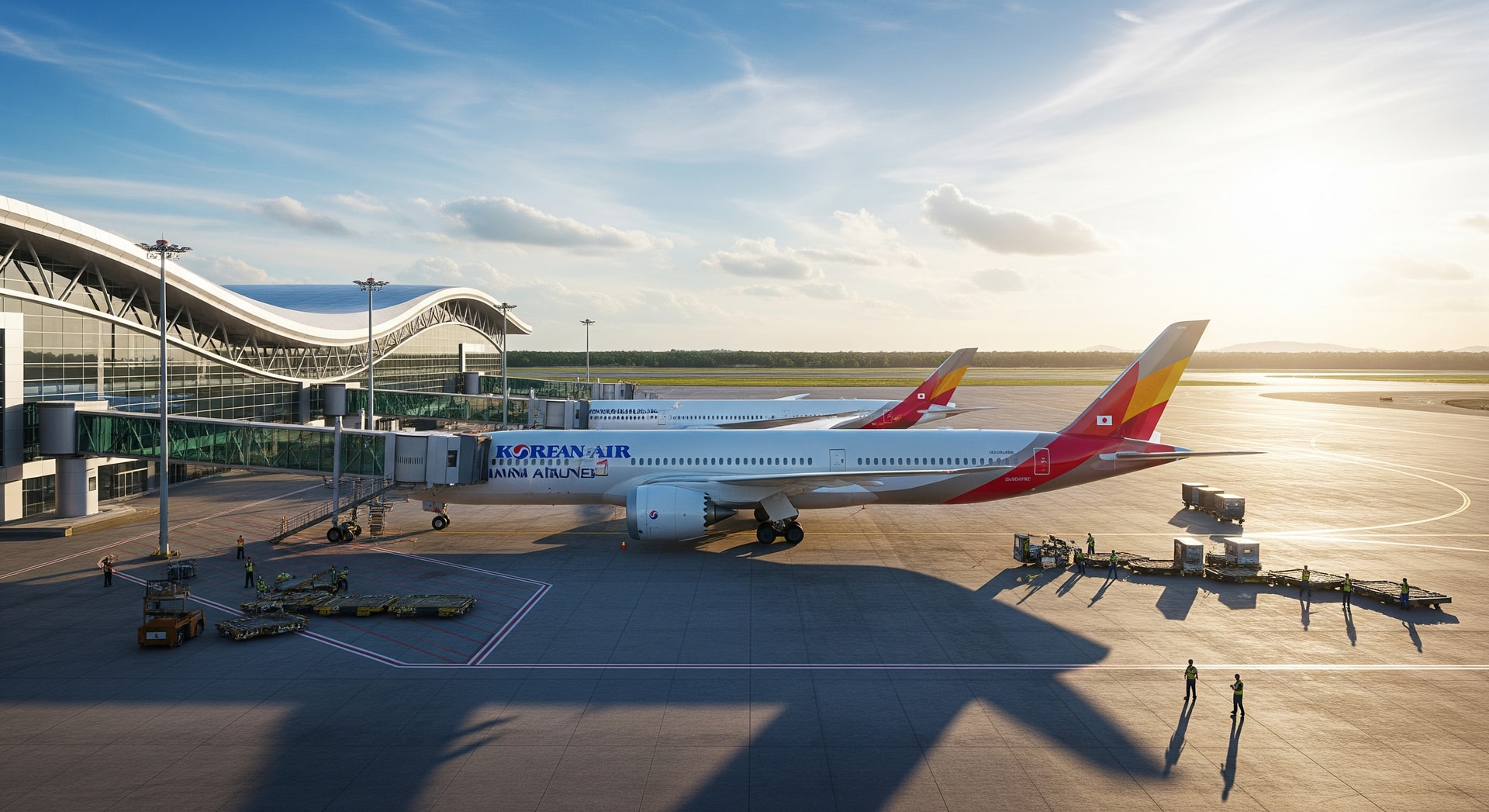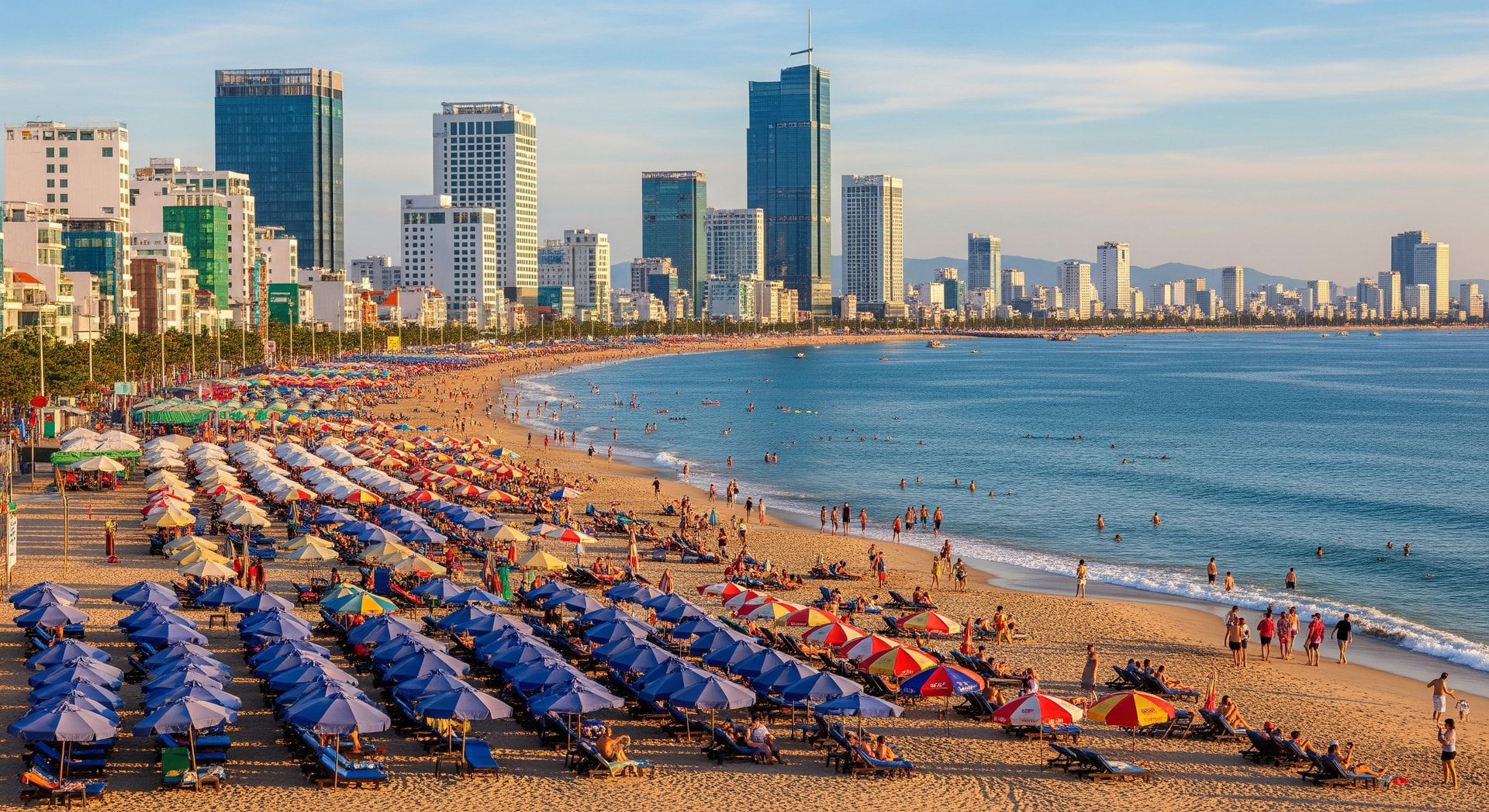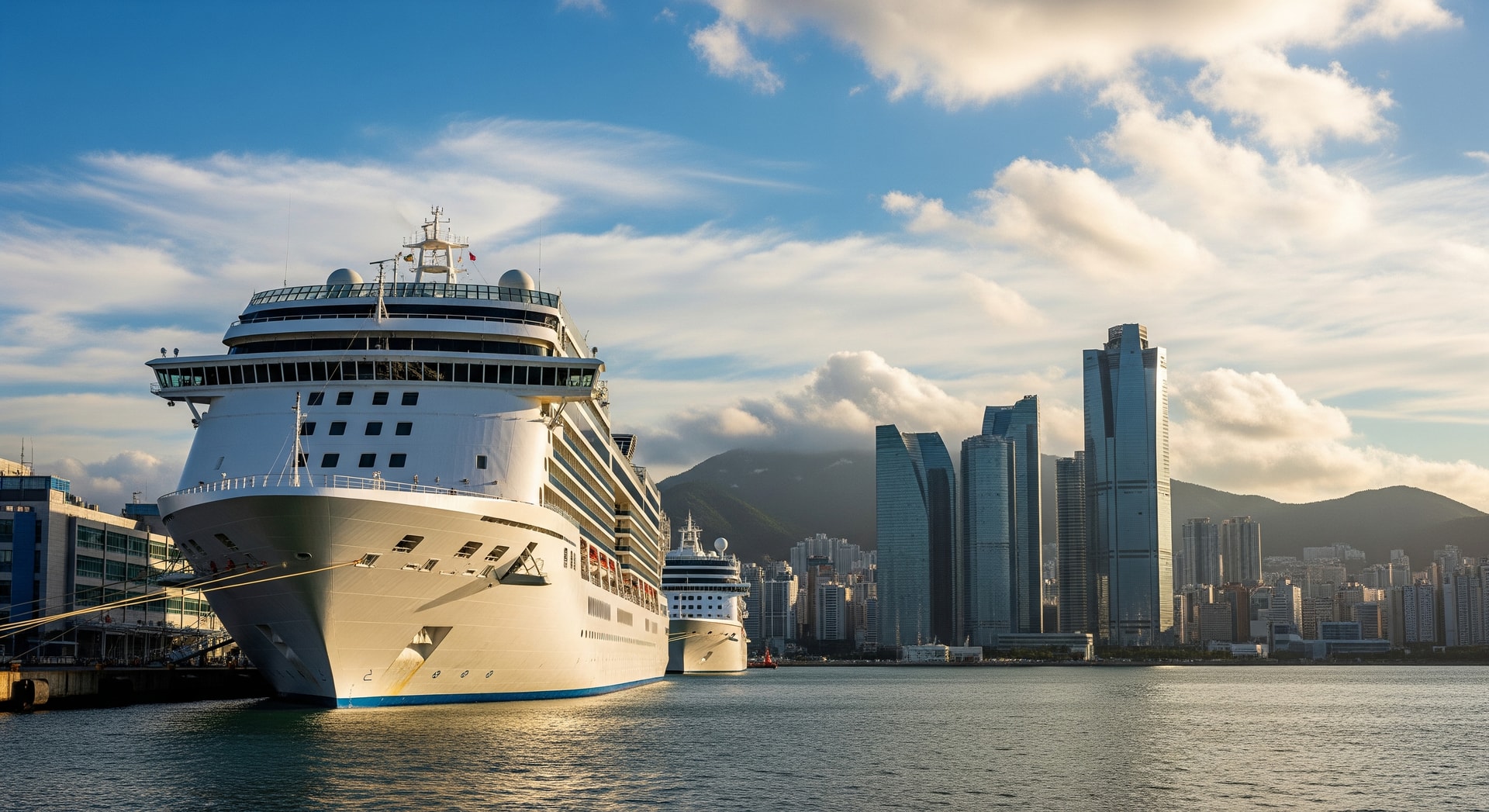
South Korea cruises have become the main focus for China's cruise lines in 2026 as operators launch a new 'Korea Season' of sailings.
Summary: South Korea cruises have emerged as the central focus for China’s cruise lines in 2026 as operators roll out an industry-wide 'Korea Season' concentrating on ports such as Busan, Jeju and Incheon.
In 2026, many Chinese cruise companies have redirected their itineraries to concentrate on South Korea, launching what the industry is calling a 'Korea Season' of voyages. South Korea cruises now feature heavily in schedules as operators seek alternatives to changing Japan routes and respond to passenger demand for shorter, nearby sailings.
Why South Korea Became the Alternative
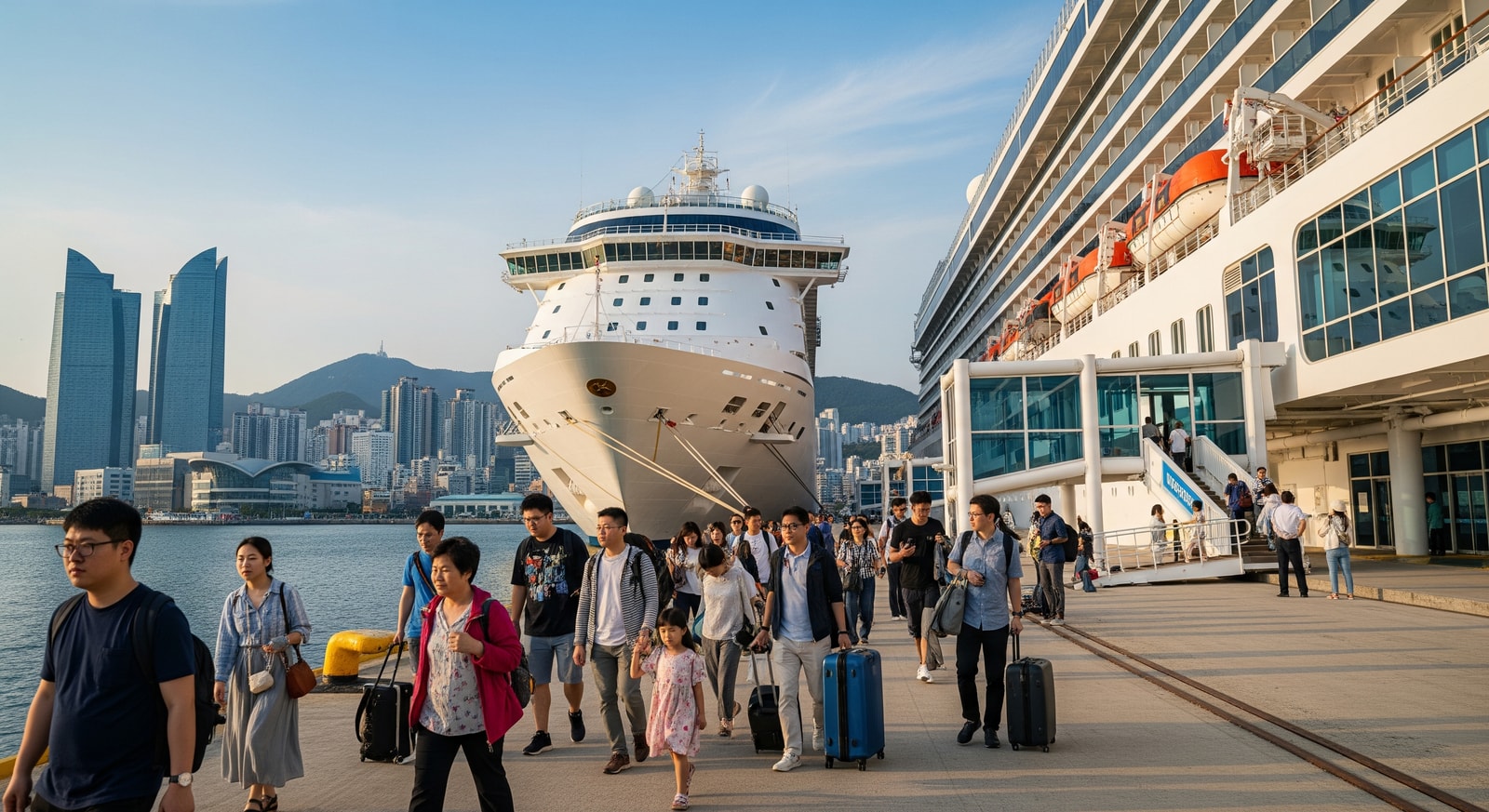
Adjustments in Japan’s cruise market and the appeal of shorter itineraries have combined to make South Korea an attractive substitute. Popular ports including Busan, Jeju Island and Incheon have seen a marked increase in calls from ships departing China, reshaping regional routing priorities.
Many lines are now offering predominantly four- to six-night sailings to these South Korean ports, which has led to a convergence of similar itineraries across operators and the emergence of a concentrated seasonal push toward Korea.
- Key ports: Busan, Jeju Island, Incheon
- Typical itinerary length: 4–6 nights
- Shift driver: Changes in Japan routes and demand for shorter sailings
Demand spiked during the Chinese New Year period, when South Korea-focused cruises saw strong bookings and many cabins sold out at premium fares. That early-season surge helped establish South Korea as a primary destination for Chinese travellers seeking nearby cultural and leisure options.
Following the holiday peak, the market has shown signs of price correction. Departures scheduled for March and April are already seeing fare reductions as operators respond to overcapacity and normalizing demand.
- Post-holiday price fall: notable for mainstream cruise lines
- Interior cabin examples: fares dropping to CNY 1,799 (roughly $260) per person on some ships
- Implication: market normalisation or response to overcapacity
Operators Focus on Differentiation Through Onboard Experience
With many lines offering similar Korea itineraries, cruise companies are prioritizing unique onboard amenities to stand out. Ship operators are promoting entertainment, specialty dining and family attractions to attract bookings in a crowded South Korean cruise market.
- Signature amphitheatre performances and large-scale shows
- Novel features such as robotic bartenders
- Exclusive culinary partnerships, including noted pastry chefs
- Family-focused offerings like LEGO-themed experiences
Itinerary Innovations and Smaller-Ship Moves
Some operators are reconfiguring schedules to prioritize South Korea for the early part of 2026. Adora Cruises, for example, has adjusted its deployments to emphasize Korean ports. Smaller vessels are also adapting by offering overnight stays in Busan or calling at lesser-known ports such as Sokcho to provide fresh options for cruisers.
- Adora Cruises: prioritising South Korea in early 2026
- Smaller ships: overnight calls in Busan and visits to Sokcho
- Objective: diversify offerings and explore new regional destinations
Calls for Broader Market Options
To reduce dependence on international ports and create more variety, cruise operators are urging regulators to permit new concepts such as 'cruises to nowhere'—voyages that stay at sea without port calls—and to develop more domestic Chinese itineraries. These measures aim to broaden capacity and strengthen resilience against regional shifts.
The longer-term outlook remains cautiously optimistic: by concentrating on popular South Korean ports while improving onboard experiences and exploring alternative itineraries, Chinese cruise lines are repositioning to sustain growth amid evolving travel patterns.
What this means for travellers and the industry: South Korea cruises becoming central to Chinese itineraries increases options for travellers seeking short, culturally rich sailings close to China, but it may also lead to fluctuating prices and crowded ports during peak periods. For the cruise industry, success will depend on balancing capacity, pricing and distinctive onboard products to keep demand strong.
Sources