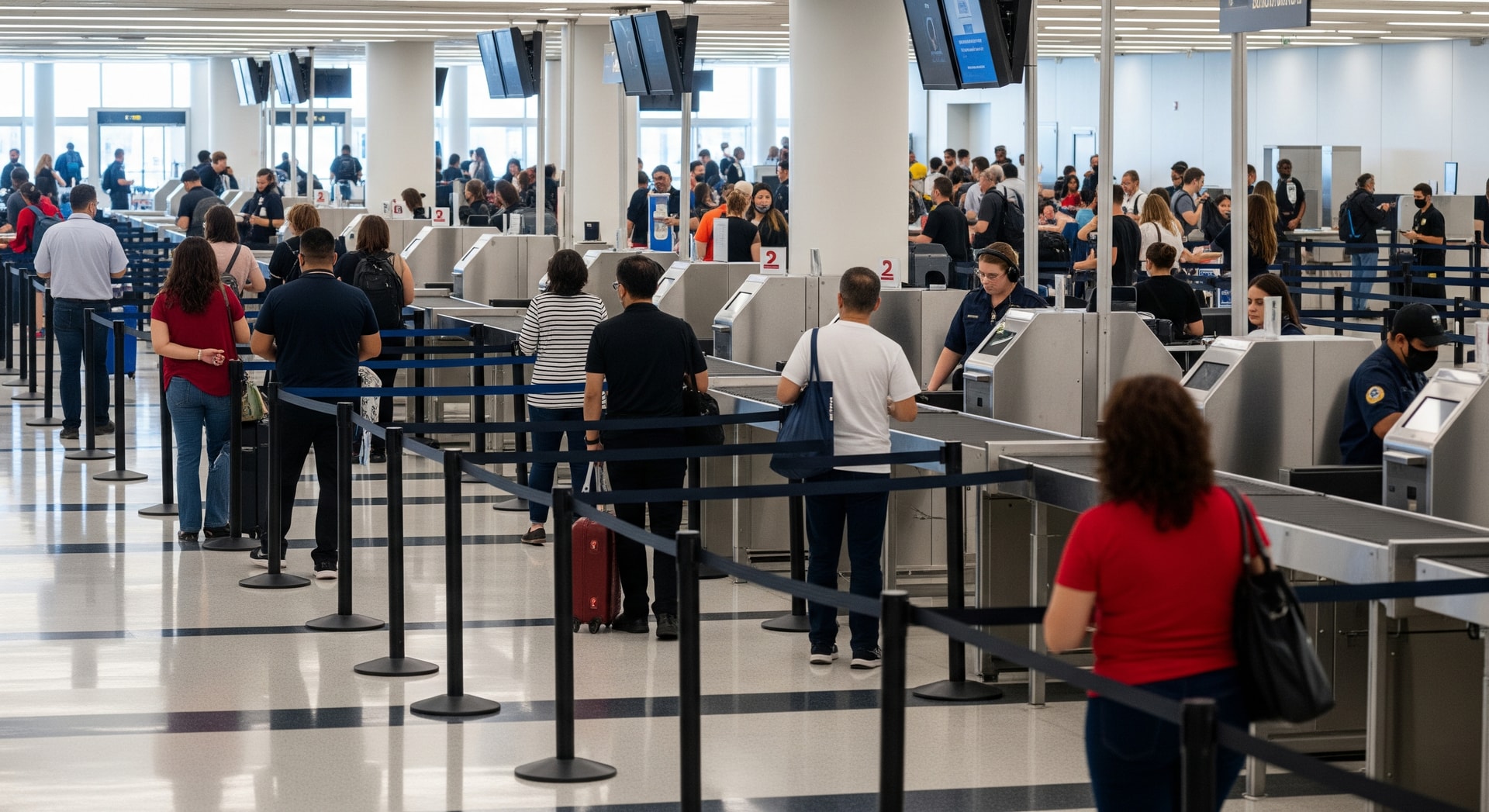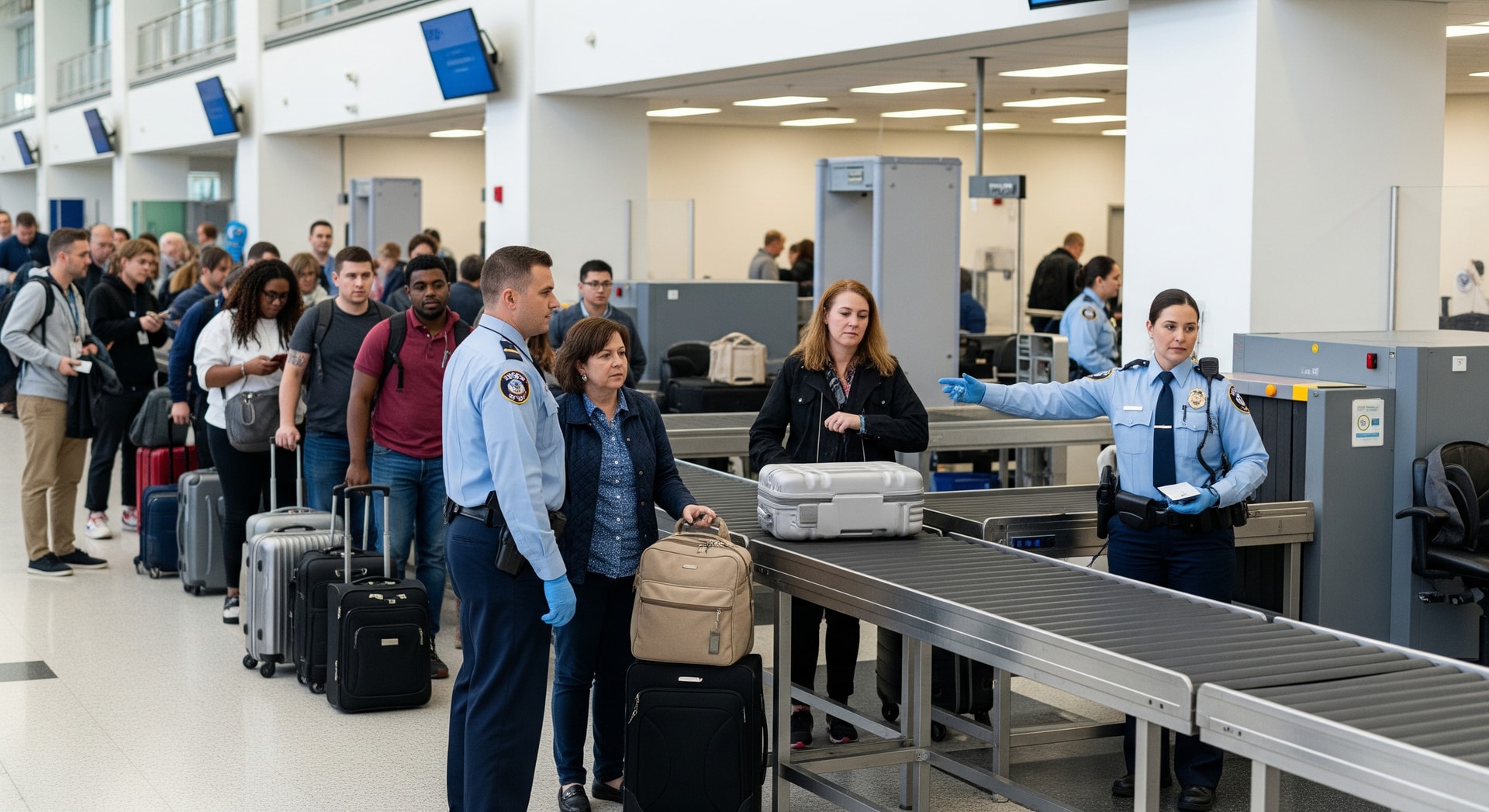
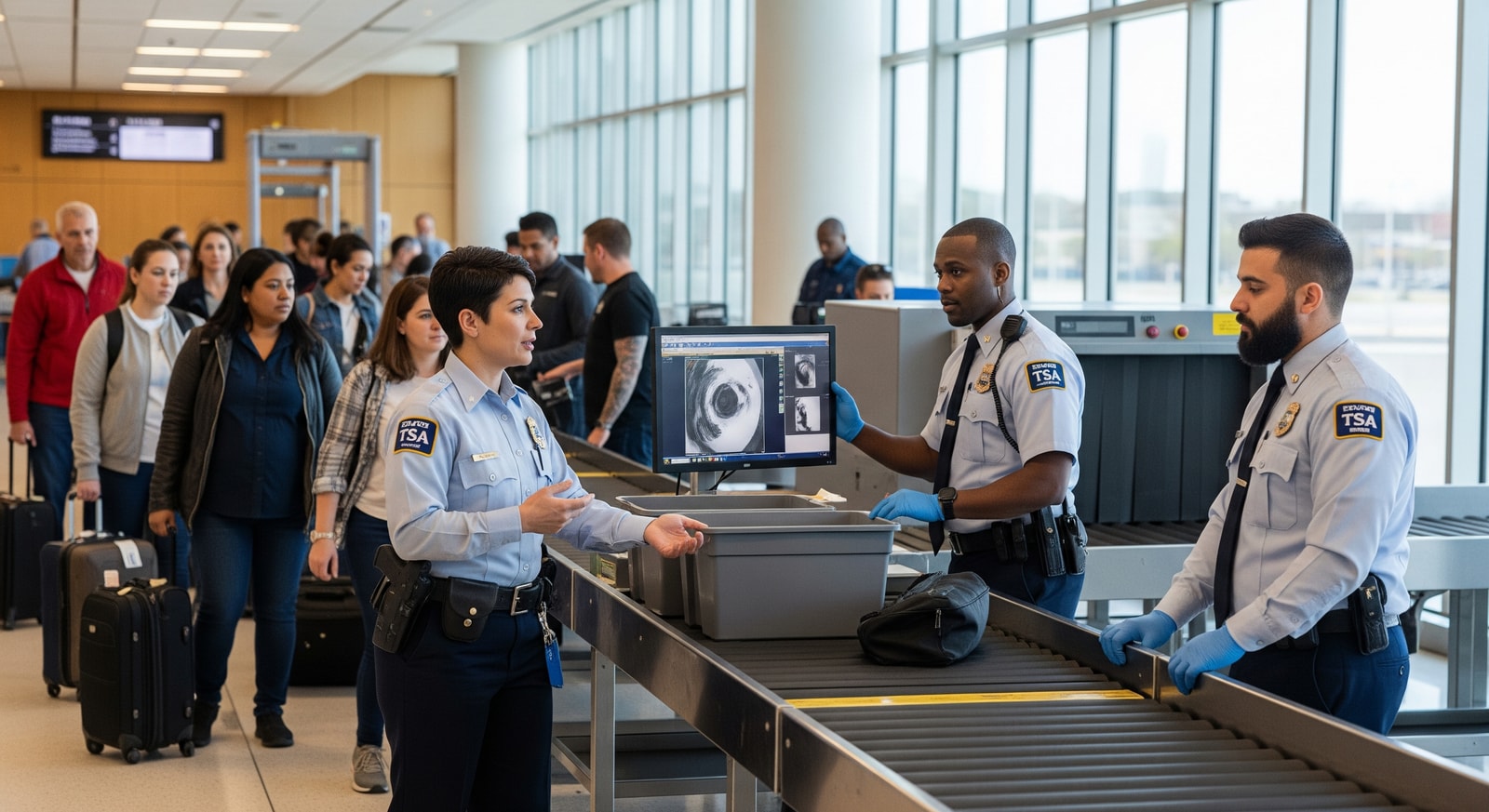
TSA screeners are continuing airport security checks without pay after DHS funding lapsed, increasing the likelihood of longer queues and localized delays for travellers in the United States.
Summary: TSA screeners are conducting mandatory security screenings without pay after Department of Homeland Security funding expired on 14 February 2026, creating potential for longer security lines and localized delays at US airports.
A partial lapse in funding for the United States Department of Homeland Security (DHS) on 14 February 2026 has left many Transportation Security Administration (TSA) officers working as essential personnel without immediate pay, affecting security screening operations at major airports across the country.
What triggered the funding lapse?
Funding for DHS expired early on Saturday after lawmakers failed to finalize an appropriations bill. The impasse stems from disagreements in Congress over proposed immigration enforcement reforms and DHS budget priorities, which prevented a spending agreement before the deadline.
TSA classified as essential — but unpaid
Under federal contingency plans, roughly 95% of TSA employees are designated essential and must remain on duty to perform passenger and baggage screening. Although these officers are required to work, they will not receive paychecks during the shutdown; federal law mandates retroactive pay once appropriations are restored.
How this could affect travellers
Airlines, industry groups, and travel associations warn that sustained unpaid duty could trigger higher rates of unscheduled absences among screeners. If staffing falls, passengers may face longer security queues, increased stress at checkpoints, and slower processing during peak travel periods such as spring break.
- Longer security waits if significant numbers of TSA agents call out or arrive intermittently
- Need to allow additional time for check-in and connections, particularly at smaller airports
- Localized congestion at checkpoint lanes even if flights themselves are unaffected
- Greater passenger reliance on real-time wait-time tools and airline advisories
How this shutdown differs from past episodes
Unlike the full government shutdowns of the past, this partial lapse affects only DHS functions. Air traffic controllers and other aviation services funded separately continue to be paid, which lowers the risk of widespread flight cancellations; nevertheless, security checkpoint bottlenecks remain a plausible problem.
Airlines and industry warnings
Carriers and travel groups have cautioned that if the funding gap continues, unpaid obligations may prompt employees to call in sick or otherwise reduce coverage. Past shutdowns saw similar absenteeism contributing to longer lines and airport congestion.
Travel planning recommendations
- Arrive two to three hours before domestic departures and earlier for international flights during the shutdown period
- Check airline alerts and official airport wait-time resources before travelling
- Consider flexible tickets or travel insurance in case delays affect connections
- Opt for less busy travel times or secondary checkpoints when possible
Passengers should monitor trusted sources for updates and be prepared to adjust schedules if checkpoint staffing deteriorates. Using mobile apps that display live security wait times can help with timing and connections.
So what? The immediate consequence for travellers is practical: expect potentially slower passage through security and plan accordingly. For the aviation industry, the situation increases operational risk at terminals and could alter travel patterns as passengers seek to avoid congested periods.
Sources