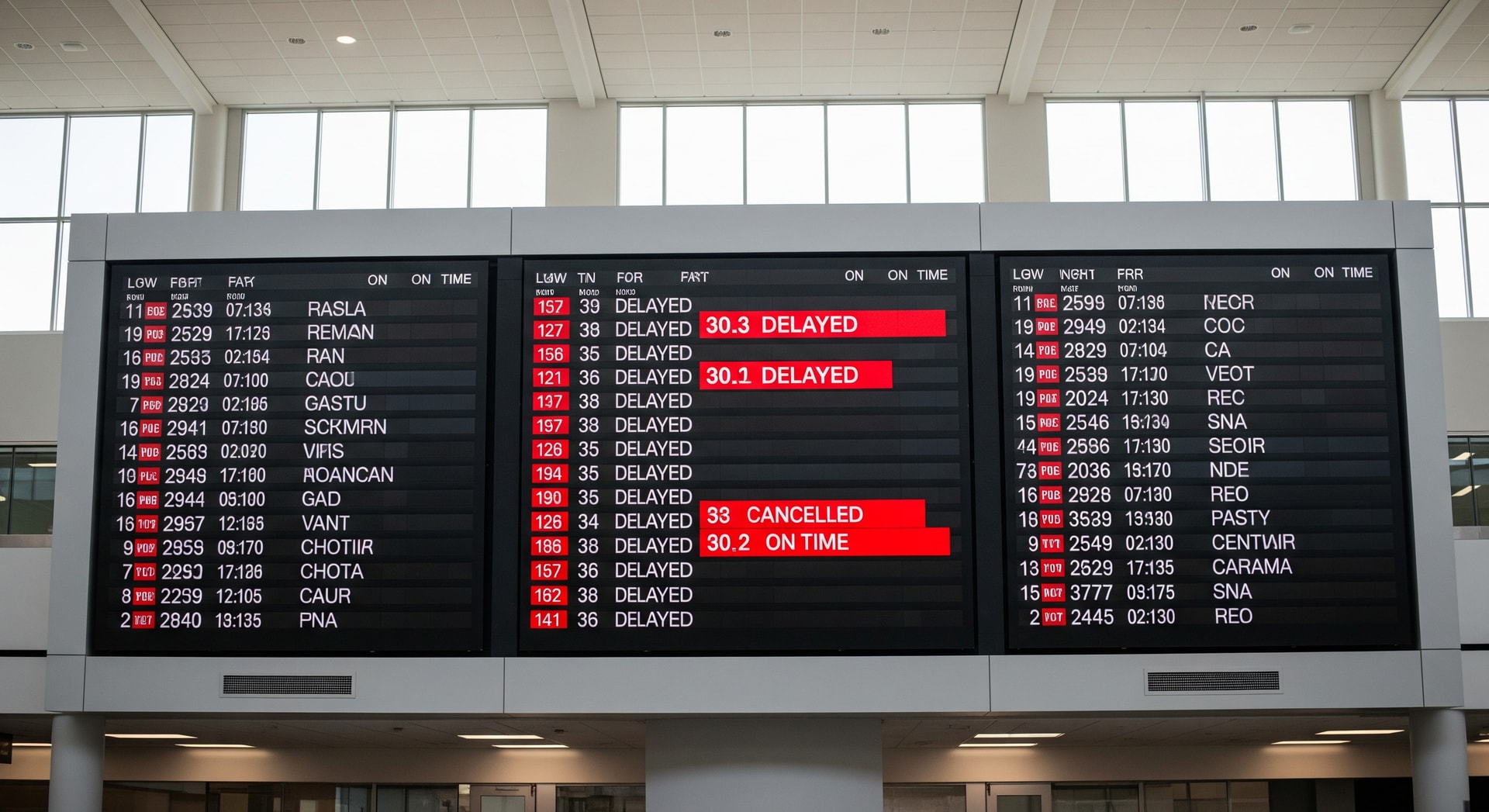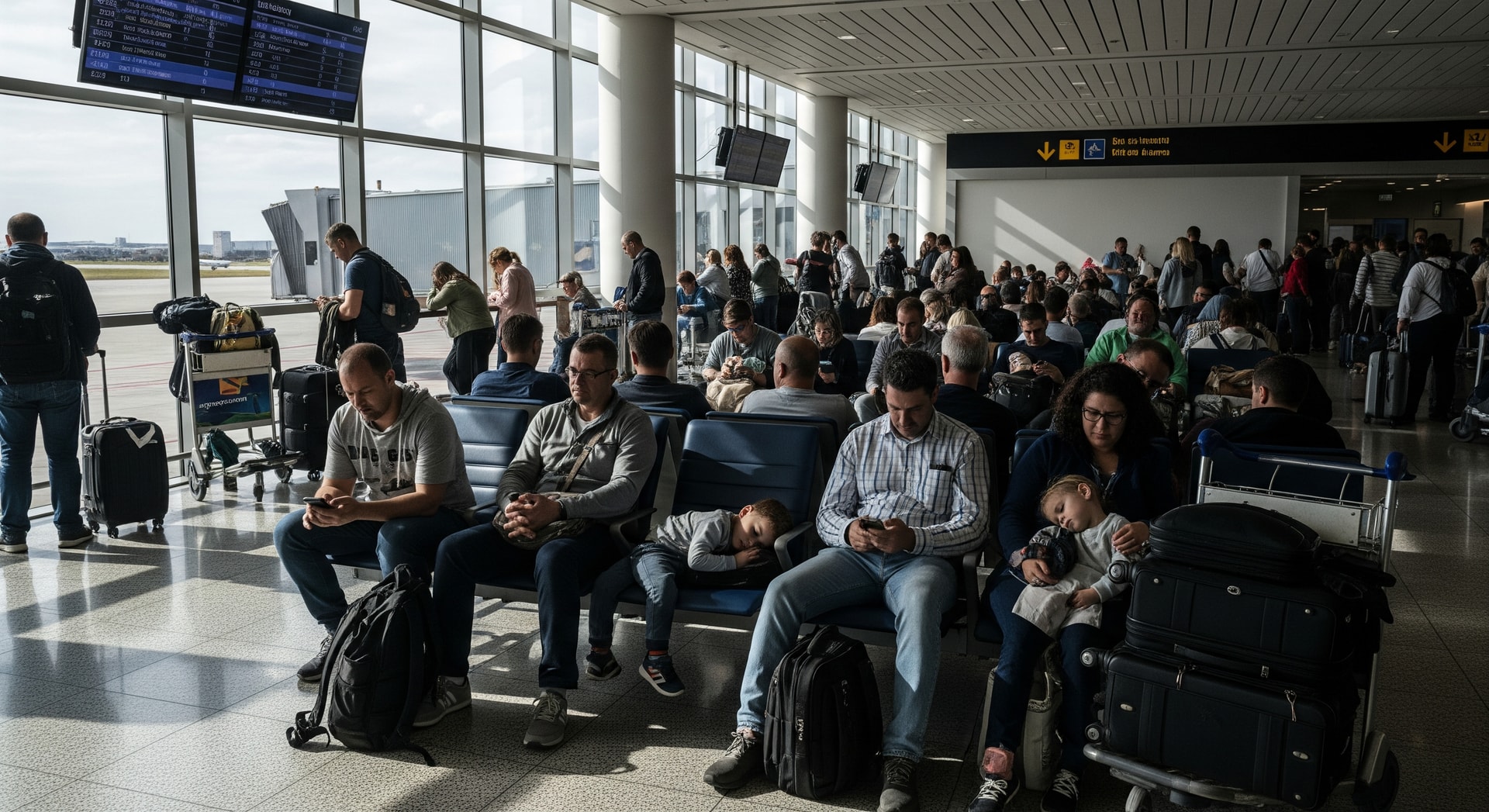
Toronto Pearson is contending with major disruption after 62 cancellations and 232 delays, affecting thousands of passengers across Canada, the U.S. and Europe.
Summary: Toronto Pearson International Airport logged 62 cancellations and 232 delays as a severe cold front and high wind chills slowed ground operations, affecting travellers across Canada, the U.S. and Europe.
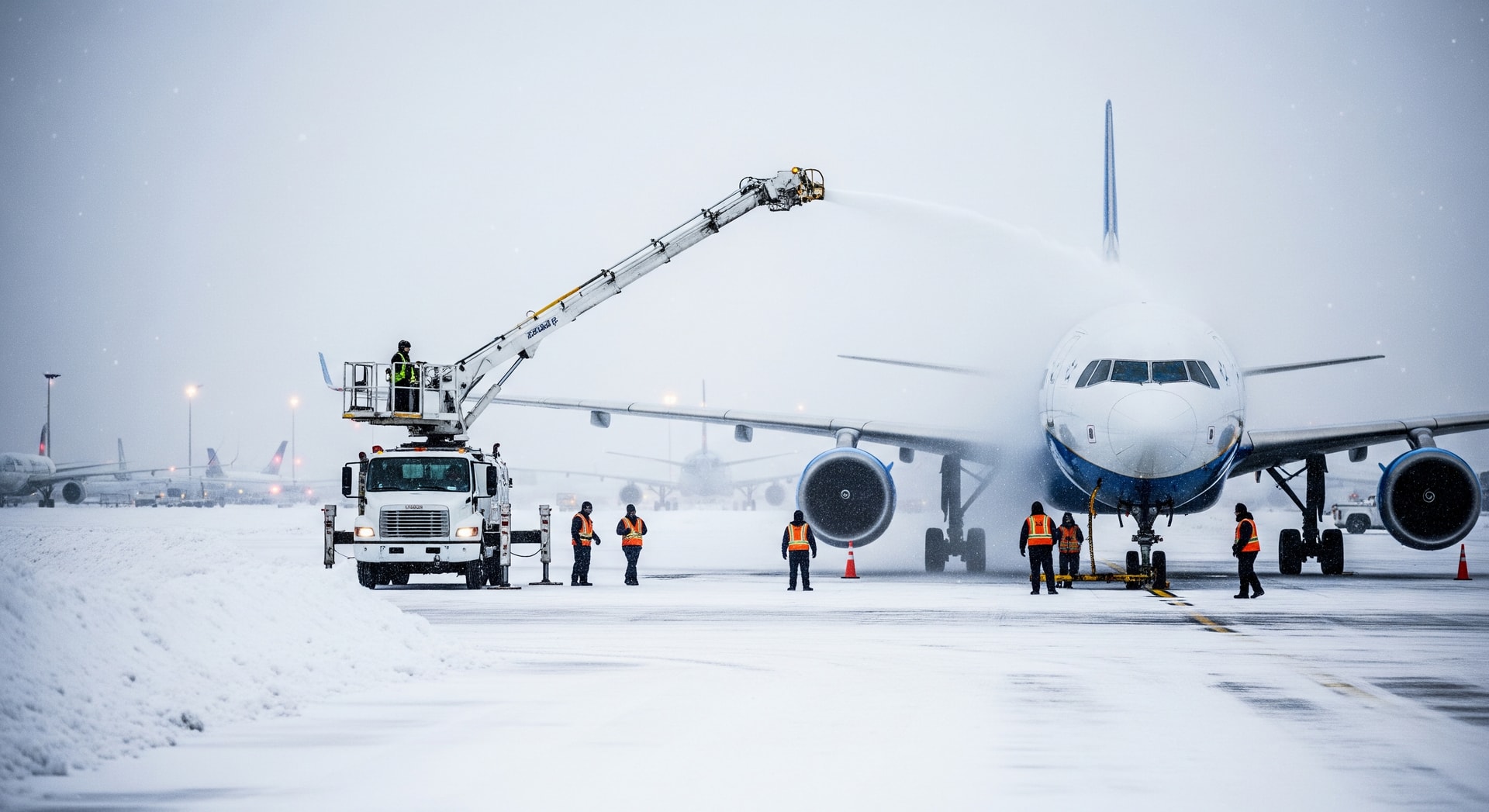
Toronto Pearson is experiencing major operational disruption after 62 flights were cancelled and 232 delayed. The airport and several carriers, including Air Canada, WestJet and Porter Airlines, are contending with the impact of a strong cold front that has slowed de-icing, boarding and other ground procedures, leaving thousands of passengers disrupted across domestic, U.S. and European routes.
Scope of the disruption
Airports across the region have recorded significant cancellations and delays as freezing temperatures and gusty conditions hamper operations. Major U.S. hubs such as Newark Liberty International (EWR) reported 14% of flights cancelled and 14% delayed, LaGuardia (LGA) saw 9% cancelled and 9% delayed, and Chicago O’Hare International (ORD) experienced 12% cancelled and 12% delayed.
Canadian airports feeling the ripple effects
- Edmonton International (YEG): 14% of flights cancelled and 21% delayed
- Halifax International (YHZ): 41% of flights delayed and 8% cancelled
- Ottawa Macdonald-Cartier (YOW) and Montreal–Trudeau (YUL): reported disruptions linked to the regional cold snap
The severe cold and dangerous wind chills—reported as low as −30°C overnight with daytime highs around −7°C—have slowed essential ground tasks. De-icing operations, reduced visibility and safety precautions for staff working in extreme cold have all contributed to longer turnaround times and reduced airport throughput.
- Destinations most affected include flights to and from New York (EWR, LGA), Chicago (ORD), Montreal (YUL) and Ottawa (YOW)
- Both domestic and international services have seen knock-on delays as capacity is reduced across the network

Health risks and city response
The cold snap is also a public-health concern. Environment Canada warned that frostbite can develop within minutes on exposed skin during the extreme wind chill, and symptoms such as numbness, chest pain and shortness of breath are possible for those exposed to the conditions for extended periods.
To assist vulnerable residents, the City of Toronto has opened its eight warming centres and extended hours at surge shelters and daytime drop-ins. Outreach teams are active to bring people indoors and support those most at risk from the freezing temperatures.
How airlines are performing
Air Canada accounted for a substantial share of the disruption, with 33% of its flights reported delayed and 6% cancelled. Other carriers such as WestJet and Porter Airlines have experienced cancellations ranging from about 2% up to 22%, and delays spanning roughly 10% to 50%. International operators including Avianca, Hainan Airlines and Ethiopian Airlines also reported delays tied to the wider network effects.
What affected passengers should do now
- Check your airline’s website or app frequently for real-time flight status updates
- Ask about rebooking options or alternative routings; airlines may offer meal vouchers or rebooking assistance
- Sign up for SMS or email alerts from your carrier to receive immediate notifications
- Familiarize yourself with passenger rights regarding delays and cancellations for flights within Canada and the U.S.
- If travelling today, arrive early and be prepared for extended wait times at check-in and security
The disruptions at Toronto Pearson illustrate how extreme weather and the resulting operational slowdowns at a major hub can cascade across domestic and international networks. Passengers should remain flexible, monitor communications from their carriers, and prepare for potential wait times or rebooking needs.
Sources